Introduction to childrens Christmas costumes and why they matter
The holiday season is a time of imagination, play, and shared memories.
For families who celebrate Christmas, dressing up in childrens Christmas costumes is more than just
a style choice: it is a ritual that invites excitement, storytelling, and a sense of belonging.
Whether your little one loves the classic images of Santa and snowmen or gravitates toward giddy
candy-cane magic and fairy-tale winter queens, the costume you choose can become a centerpiece of family
photos, school pageants, community events, and cozy evenings at home.
This guide is designed to be a comprehensive resource for parents, guardians, teachers, and caretakers who want
to navigate the world of kiddie Christmas outfits with confidence. It covers top ideas for kids’ holiday costumes,
current trends in the market, practical buying advice, and creative DIY options that emphasize safety, comfort,
and affordability. By exploring a wide range of options—from timeless classics to contemporary twists—you’ll find
inspiration for every age, body type, and weather condition, as well as tips for coordinating group or family ensembles.
Top ideas for childrens Christmas costumes
When you search for children’s Christmas costumes, you’ll encounter a spectrum of possibilities. The trick
is to balance creativity, comfort, and safety, while also considering
your child’s interests, age, and the environment in which the costume will be worn. Below are broad categories that
consistently top lists and popularity charts year after year, along with practical notes on how to realize each idea.
Classic characters and traditional themes
These are the perennial favorites that never go out of style. They are ideal for school events, family photos,
and holiday parties, especially when you want a look that instantly communicates “Christmas.”
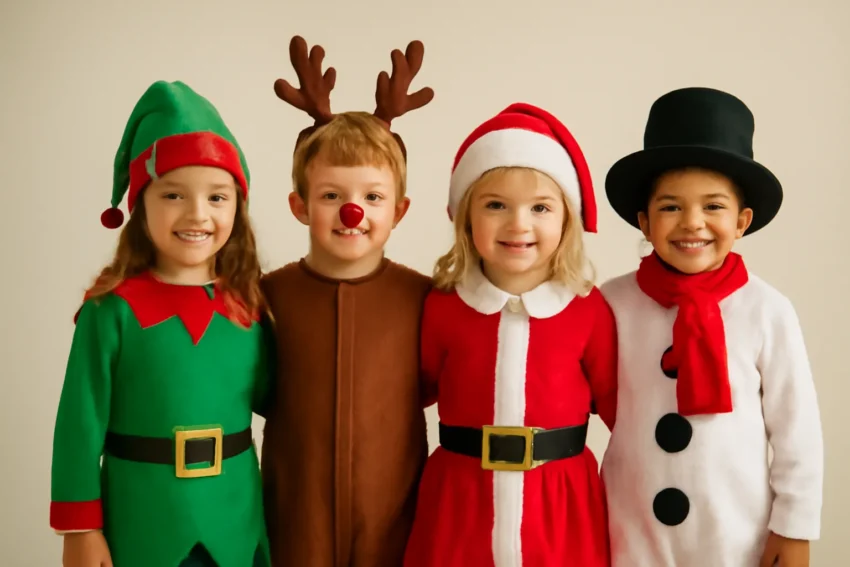
Santa Claus and Mrs. Claus costumes: The iconic red suit with white fur trim, black belt, and a fluffy hat
is instantly recognizable. For younger children, you can opt for a plush, easy-wear jumpsuit or a cape with a hat.
For older kids, a tailored-looking ensemble with minimal tailoring can feel sophisticated yet comfortable. Accessories
like a faux beard, gloves, and boot covers complete the look.
Elves of the North Pole: Classic elf costumes come with vibrant green and red colors, pointy hats, and
jingle bells. A practical approach is to choose a tunic-style top with striped tights, or a one-piece suit that’s easy
to move in for play and dances at holiday gatherings.
Reindeer outfits: A brown onesie or a fluffy bodysuit paired with antlers and a red nose can be surprisingly warm
and comfy. For toddlers, look for a soft, hooded design that can double as a cozy pajama when the event ends.
Snowman or Snow Queen/Snow Princess ensembles: White fabrics, glittering snowflake accents, and silver or icy blue details evoke the season
without being overly formal. A light-weight cape or a tunic with felt snowflakes works well for active kids.
Gingerbread person: A warm, cinnamon-scented look with brown, cream, and candy-colored accents can be both fun
and tasty-looking. Consider a tunic with appliqués resembling frosting and gumball-button buttons for playful charm.
Nutcracker characters: The Nutcracker’s uniform shapes, bright colors, and crown-like headwear create a striking silhouette.
A fitted coat or jacket with epaulettes and a tall hat can be paired with black pants or a velvet skirt.
Nativity and angel costumes: Nativity-themed outfits celebrate a traditional story, and angel costumes with soft tulle wings
and a halo can be gentle to wear for younger children. Choose soft fabrics and avoid stiff props that could snag on clothing or costumes.
Whimsical, modern twists and flexible looks
If your child craves something a bit different from the standard royal or toy-story inspired outfits, try a modern twist that still nods to Christmas.
Grinch and Whoville-inspired costumes: A mischievous Grinch style with green clothing, wild hair, and a grin
can be a hit for a humorous photo shoot or a school play. Choose comfortable fabrics and a warm coat for outdoor events.
Candy cane and peppermint themes: Red-and-white striped outfits with candy embellishments
make for a festive and tasty-looking aesthetic. Soft fabrics that allow running and dancing are ideal for active kids.
Winter animal costumes (polar bear, penguin, arctic fox): These lean into the chilly palette of the season.
They’re often easy to assemble from a fleece suit or a hooded onesie, with plush tails or ears for added charm.
Ice princess or crystal monarch: A gown in pale blue, silver, or lavender with shimmering
accessories can capture a magical aesthetic suitable for winter balls or family soirées.
Activity-ready and practical ideas
For younger children or events that involve a lot of moving, dancing, or outdoor play, you’ll want outfits that
prioritize comfort and safety. Consider layered pieces, lightweight capes, and flexible fabrics. Some practical ideas include:
Layered holiday jumpsuits with soft fleece lining for warmth, easy diaper changes, and fast on/off adjustments.
Convertible costumes that transform from a streetwear look into a costume with simple additions, such as a cape or hat.
Seasonal pajama-costumes that merge bedtime comfort with festive flair, ideal for sleepovers or holiday photos.
Trending themes in childrens Christmas costumes
The market for kid-friendly holiday outfits continually evolves as designers respond to cultural shifts, consumer demand, and
the desire for sustainable fashion. Here are some current trends in kids’ holiday costumes and what they mean for buyers.
Sustainability and eco-conscious materials
More families are prioritizing eco-friendly fabrics, durable construction, and long-lasting designs that can be
worn beyond a single season. Look for costumes made from recycled polyester, organic cotton blends, or responsibly sourced
faux fur. Reusable components (velcro fastenings, snap buttons, modular pieces) increase lifespans and reduce waste.
If you’re thrifty, consider pre-loved or lightly used costumes from trusted sources. Many children outgrow outfits within
a year, and a well-cared-for secondhand costume can offer excellent value while keeping materials out of landfills.
DIY culture and customization
DIY has become a powerful trend in children’s Christmas costumes. Parents, caregivers, and kids enjoy creating unique
looks that reflect personal interests—whether a favorite movie character, a hobby, or a cultural tradition.
The DIY approach also encourages learning and skill-building, from basic sewing to crafting with recycled materials.
If you’re DIY-curious, start with a versatile base (a simple tunic, a solid-color jumpsuit, or a robe) and add removable
accents (badges, patches, fabric appliqués, or seasonal trims) so you can reuse the base piece for other outfits.
Licensing and character licensing considerations
Licensed costumes featuring popular characters from films, TV shows, or games remain a staple in the market.
However, keep in mind that licensing agreements may limit where you can purchase, and some outfits may be priced higher.
If your child has a particular favorite character, compare official licensed options against high-quality, non-licensed alternatives
that achieve a similar look. For younger kids, non-licensed designs often provide a more comfortable fit and longer wearability.
Gender-neutral and inclusive options
There is growing demand for gender-neutral holiday costumes that emphasize imagination over traditional gendered tropes.
Look for tunics, capes, and accessories that a child can pair with any bottom piece, regardless of gender.
Rental options and modular costumes can also offer flexibility for kids who want to experiment with different looks without
committing to one identity for the season.
Buying guide: how to choose the best childrens Christmas costume
Whether you’re shopping for kids’ Christmas outfits for a party, school event, or a family photo shoot, a thoughtful
buying guide helps you avoid common pitfalls. Here are practical steps to ensure you find a costume that fits well, lasts the season,
and matches your budget.
Budgeting and value for money
Prices for holiday costumes for kids vary widely based on material, licensing, and brand. A thoughtful approach is to:
Set a realistic budget per costume, not per outfit. Consider whether you need a full look or can assemble from pieces.
Evaluate durability: stitched seams, reinforced hems, and machine-washable fabrics typically indicate longer life.
Check for multipiece value: outfits with accessories (headgear, gloves, belts) offer more versatile wearability.
Factor future use: can the garment double as dress-up wear after the Christmas season?
Sizing and fit for growing kids
Proper sizing is essential for comfort and safety. A few tips:
Always check the size chart provided by the retailer and measure your child’s chest, waist, hip, and height if available.
Note that costumes often run smaller or larger than regular clothing; read customer reviews for specifics.
Choose adjustable elements (elastic waistbands, Velcro closures, laces) to accommodate growth during the season.
Remember to account for clothing to be worn underneath the costume in cold weather.
Materials, comfort, and safety considerations
Comfort and safety are paramount. Look for:
Soft, breathable fabrics (cotton blends, fleece) to avoid irritation or overheating.
Flame-retardant standards for fabrics used in outerwear or capes (but note that “flame-retardant” does not mean safe to light on fire; practice flame safety around open flames).
Non-slip footwear or slip-resistant soles for outdoor activities on slick surfaces.
Choking hazard awareness for small accessories like plastic buttons, beads, or decorative candy pieces; avoid tiny pieces for very young children.
Secure eye-catching decorations so they don’t obstruct vision or catch on play equipment.
Where to shop and how to compare options
You have several options when buying children’s Christmas costumes:
Official retailers and brand-name costume shops for authentic licensed designs and predictable sizing.
Large online marketplaces with filtered searches for material, price, and rating clarity.
Local pop-up shops and holiday markets where you can try on a few pieces and test movement.
Secondhand or rental services for sustainable choices and budget-friendly opportunities.
Accessories and finishing touches
Accessories can elevate a simple base costume into a complete look. Consider these:
Seasonal hats, capes, gloves, tights, and boot toppers that remain comfortable in cold weather.
Belts, sashes, and decorative brooches to add color and texture.
Face paints or makeup products suitable for kids, with hypoallergenic formulas and easy removal.
Prop ideas like a toy sack, a faux present, or a lantern to enhance storytelling and performance.
DIY ideas: create engaging childrens Christmas costumes on a budget
For families who enjoy crafting, DIY costumes offer the opportunity to customize, reuse materials, and tailor a look
to a specific theme. The following sections outline practical, step-by-step ideas that are friendly to beginners and
adaptable for different age groups.
DIY Santa-inspired tunic with simple props
Materials: red fleece or velour fabric, white faux fur trim, black belt fabric or ribbon, white felt for beard, elastic
or snap closures for easy wear, and basic sewing supplies.
Cut a roomy tunic that falls mid-thigh to knee depending on age and height.
Attach white faux fur trim along the hem and cuffs. Add a white fur collar or a simple white trim around the neck.
Create a black belt with a buckle using a wide strip of fabric or faux leather and attach at the waist with Velcro for easy removal.
Craft a white beard from felt or use a store-bought beard and secure with skin-safe adhesive or a headband.
Pair with black boots or boot toppers and a Santa hat for an iconic finish.
Elf attire from thrift-store finds
Materials: green or red clothing, striped stockings, decorative ribbons, bells, and an inexpensive hat or DIY cone hat.
Shop for a simple green or red tunic or dress at a thrift shop as the base.
Add striped stockings or tights and pointy hat or headpiece made from felt.
Decorate with craft bells, ribbons, and felt appliqués to convey an elf vibe.
Use a lightweight cape for added drama during parades or stage performances.
Snowman made from layered white textiles
Materials: white sweats, white fleece, felt, a carrot nose, black buttons or circles, a hat, and a scarf.
Create a stacked look with white layers to simulate a snowman’s body using tunics or layered pants and tops.
Attach black felt circles for eyes and buttons, and a felt carrot nose glued or sewn to a smiley face.
Finish with a scarf and a top hat or knit cap to complete the character.
Gingerbread family costumes
Materials: brown, cream, and red fabrics; icing-colored piping for trim; and candy-decor inspired accessories.
Design a base dress or tunic in brown with cream trim around the edges to mimic frosting.
Use bright piping or fabric paint to draw icing patterns and add candy buttons with felt circles.
Pair with a simple headband featuring edible-looking appliqués or felt shapes as “candy pieces.”
Graceful winter princess outfits
Materials: pale blue or icy-toned fabrics, tulle, sequins, and a lightweight cape.
Choose a floor-length or knee-length gown in a cool, icy color palette.
Layer with a tulle overskirt or cape to evoke a magical aura.
Embellish with sequins and snowflake appliqués; finish with a delicate tiara or headband.
Costume care, storage, and longevity
A well-cared-for costume can be reused for multiple seasons and gain sentimental value as a keepsake. Here are practical
tips to maintain quality and extend the life of kids’ holiday costumes.
Washing and drying guidelines
Always follow the care label. For many fleece and cotton blends:
Use a gentle cycle with cold water to protect colors and prevent shrinking.
Turn costumes inside-out to minimize pilling or damage to embellishments.
Air-dry when possible to preserve appliqués, sequins, and trim; if you must use a dryer, select a low heat setting.
Storage strategies
Proper storage helps keep costumes ready for future occasions. Consider:
Hanging costumes on sturdy plastic hangers to prevent creasing; use garment bags for dust protection.
Folding and storing small pieces in labeled bins or clear plastic bags with silica gel packs to prevent moisture damage.
Keeping accessories in a dedicated box or tray to prevent loss and make it easy to reassemble looks.
Repair and defensive measures
In case of wear and tear, quick repairs can save a costume from becoming unusable:
Keep a small kit with needle and thread, fabric glue, seam tape, and spare buttons or patches for on-the-go fixes.
Reinforce high-stress seams (shoulders, armholes) before the first wear to prevent rips during active play.
Replace missing trims or lost bells promptly to maintain the look and balance of the design.
Group and family costumes: coordinating looks for a memorable event
Dressing several children, siblings, or friends as a themed group is a delightful way to tell a story and create a
cohesive presence at holiday gatherings. Thoughtful planning ensures the group looks unified without sacrificing
individual comfort.
Planning steps for a harmonious group look
Pick a central theme (classic Christmas characters, winter animals, or a candy-cane motif) and assign roles to children based on personality and size.
Establish a color palette and use mix-and-match pieces to maintain variety while preserving a shared aesthetic.
Allocate budgets equally and look for pieces that can be repurposed for other events.
Group-ready accessories and props
Accessories can unify the group without creating a bulky or uncomfortable feel for kids. Ideas include:
Coordinated hats or headpieces in a shared color family.
Matching borders on capes or sashes that subtly tie the look together.
Shared props, such as a “gift sack,” a faux snowball, or a decorative wand that complements all costumes.
If your group is performing on stage or in a school setting, consider:
Ensuring all children can see clearly and hear directions; avoid oversized headpieces that obstruct sight lines.
Providing a backstage space with ready-to-wear outfits and quick-change options in case of weather transitions or last-minute changes.
Scheduling photoshoots and group interviews at a time when kids are rested and fed to minimize fussiness.
Seasonal safety and practical considerations for childrens Christmas costumes
Safety is the foundation of a positive holiday experience. When choosing and wearing childrens Christmas costumes,
keep these safety guidelines in mind to minimize risk and maximize fun.
Visibility and mobility
Outdoor winter events can be cold and dim. To ensure safe movement:
Pick bright colors or add reflective tape to capes and jackets for better visibility in low-light environments.
Avoid obstructive capes or long trains that could become tripping hazards during crowded events.
Choose comfortable footwear with good grip; avoid high heels for younger children.
Weather-appropriate layers
Dressing for cold weather is essential. Consider:
Layer a warm base (thermals or a light fleece) under the costume for insulation.
Use weather-appropriate accessories like hats, scarves, mittens, and insulated boot covers that are easy to remove indoors.
Choking and small parts
For younger children, avoid outfits with loose beads, buttons, or decorative pieces that could detach.
Always inspect accessories before use, and replace any small parts with safer substitutes (felt, silicone, or fabric patches).
Allergies and skin sensitivity
Some children have sensitive skin or allergies to certain fabrics or dyes. When shopping, look for:
Hypoallergenic fabrics, dye-free or low-irritation options, especially for sensitive skin.
Fragrances-free costumes and accessories to minimize skin reactions and headaches during long events.
Choosing the right hairstyle, makeup, and facial features for winter costumes
The face is the focal point of any character. If you’re considering makeup or wigs for a Christmas costume, keep things age-appropriate,
sanitized, and easy to remove. Here are guidelines to help you decide whether to enhance the look with cosmetics or simple face painting.
Face painting and makeup tips
For young kids, opt for water-based, washable makeup products and apply a gentle patch test beforehand.
Keep designs simple to avoid irritation and ensure they come off with mild soap and water.
Choose designs that complement the costume rather than overpower it—think snowflake patterns, tiny stars, or minimal rosy cheeks.
Avoid heavy foundations or glitter near the eyes; use cosmetic-safe glitter sparingly and only after confirmation of safety for children.
Wigs, hats, and headpieces
Wigs and headpieces can complete a character look but may cause discomfort for long wear. Consider:
Soft wigs with adjustable straps for a secure fit, or simple hat designs that do not press on the scalp.
Lightweight, breathable materials for headpieces; avoid constricting bands around the temples.
Practice wearing the accessory for short periods before events to ensure your child accepts it comfortably.
Care and inspiration: getting lasting value from childrens Christmas costumes
A well-chosen costume is more than a one-night event. The best outfits become memory-makers, props for creative play, and sustainable
wardrobe additions. Below are strategies to maximize the life, impact, and sentimental value of holiday costumes for kids.
Photographs and storytelling
Use costumes to spark storytelling. Create a short narrative with your child where they are the main character completing a winter quest.
Capture a series of photos in different outfits or locations to build a mini-portfolio of holiday memories.
Storage, rotation, and reuse
After the season, fold and store costumes in labeled containers and keep accessory boxes together. Rotate pieces for other festive
occasions such as birthday parties with a winter theme or school plays, and consider donating or selling costumes that your family
no longer uses to extend their life in other households.
Budget-friendly rotation ideas
If you have multiple children or anticipate more costume needs next year, save by:
Investing in a few versatile pieces (a neutral-colored cape, a red tunic, a white scarf) that can be layered or transformed.
Choosing neutral accessories that pair well with several base outfits.
Storing a small “costume repair kit” for quick fixes that keep outfits looking fresh across multiple uses.
Final tips for selecting and using childrens Christmas costumes
To wrap up, here are concise, practical tips to guide your decision-making process:
Start early to avoid last-minute rush, which often leads to compromises on fit and comfort.
Read customer reviews for sizing and wearability insights, especially if you’re shopping online.
Choose photogenic outfits that photograph well in natural light—think soft textures, subtle metallics, and clean silhouettes.
Prioritize comfort over complexity; a costume that looks great but restricts movement will hinder the experience.
Consider creating a family look around a shared color palette or motif to unify photos and occasions.
Conclusion: celebrating the season with imagination, safety, and style
Children’s Christmas costumes offer a playful bridge between the magic of the season and practical daily life.
By balancing timeless charm, current trends, and careful safety considerations,
families can create memorable experiences that endure beyond the holiday moment. Whether you lean toward
classic silhouettes or modern, DIY-inspired designs, the goal remains the same: to empower kids to explore, imagine,
and engage with the wonder of Christmas in a way that feels special, fun, and safe.