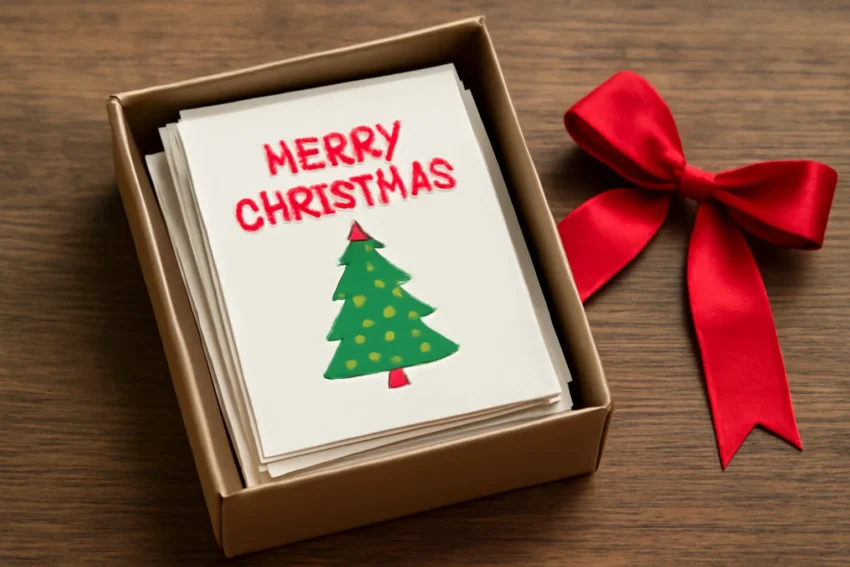
Box for Christmas Cards: Storage & Organization Guide is a comprehensive resource designed to help you protect, organize, and enjoy your holiday greetings for years to come. A well-chosen storage solution can prevent damage from humidity, light, and pests, while a thoughtful organization system makes it easy to locate cherished cards when a year passes or when you’re preparing seasonal projects. In this guide, you’ll find practical advice on selecting the right container, setting up an efficient filing method, and maintaining your collection with simple, budget-friendly tools.
Whether you receive dozens of cards from family and friends or you curate a smaller, curated collection each year, a robust storage plan for your Christmas cards can save you time, reduce waste, and preserve memories. Below, you’ll discover strategies that cover box for Christmas cards, card storage solutions, and seasonal organization that you can adapt to any home, apartment, or seasonal closet.
One of the most compelling reasons to invest in a dedicated storage container for holiday cards is protection. Cards are often made with delicate papers, metallic inks, or embossed details that can be damaged by moisture, light exposure, or contact with acidic materials. A purpose-built box for Christmas cards can shield those small treasures from the elements and from everyday wear and tear. A dedicated storage solution also creates organization and accessibility, which makes it easier to reflect on past seasons, create photo albums, or design year-end gift projects that incorporate meaningful messages.
When you assign a place for Christmas cards, you also create a habituation for maintenance. Regularly placing new cards into a labeled container helps you avoid letting mementos accumulate in piles, which can become overwhelming. The box becomes a predictable node in your home’s filing system, reducing clutter and increasing the odds that you’ll keep cards safe and intact for the long term.
Key benefits at a glance
Protection from humidity and light exposure that can fade inks or warp paper
Organization by year, sender, or theme for quick access
Long-term preservation through acid-free materials and archival practices
Space optimization by consolidating many cards into a compact container
Accessibility when you want to reuse elements for scrapbooks, crafts, or memory displays
Choosing the right storage solution for your Christmas card collection
Selecting the appropriate container is a foundational step. Consider the size, materials, sealability, and accessibility you need. Below are several box for Christmas cards options and the scenarios in which they shine. This section uses a range of terms—such as holiday card box, seasonal card organizer, Christmas card storage container—to reflect the diverse language used by collectors and organizers.
Materials matter: archival-grade versus everyday containers
For a collection you value for years or decades, archival quality is worth considering. Look for items labeled as acid-free and lignin-free; these properties slow the degradation of paper and ink. A high-quality card storage box made with acid-free board can significantly extend the life of each card. If you’re storing greeting cards that include foil, glitter, or metallic inks, ensure the box lining is smooth and sealed, so those features don’t snag or flake off over time.
Size and capacity: finding a box for Christmas cards that fits your needs
Measure the largest card you typically receive, plus space for envelopes, photos, or keepsakes you might tuck in with the cards. For most households, a box that is roughly 12–14 inches wide, 8–10 inches tall, and 6–8 inches deep offers ample capacity without becoming unwieldy. If you regularly collect more than a year’s worth of cards, you may prefer a larger archival box or a multi-volume set. Some people choose a seasonal card organizer that is modular—one module per year, with a label on the spine for quick navigation.
Sealing options: whether to choose a closed box, a tote, or a file-style system
Think about how you’ll access the collection. Closed boxes with a lid protect from dust and light but require you to unpack to view. Sealable plastic totes can be convenient and budget-friendly but may trap moisture if not used with desiccants. A card file or file-style storage box with labeled dividers can offer excellent organization while remaining compact. For many people, a combination approach works well: a primary archival storage box for the main collection, plus a slim pull-out file folder for the most frequently viewed collections (e.g., last year’s cards or favorite senders).
Accessibility and aesthetics: choosing a box you’ll actually use
Beyond protection, you want something you’ll return to year after year. Choose a container whose exterior design or color complements your home décor, or opt for a neutral, classic look that won’t feel dated as times change. Accessibility matters: a box with a sturdy lid, clear labeling, and easy-to-grip edges makes the storage process smoother, especially if you’re reaching for a card for a school project, a scrapbook, or a holiday display.
Special cases: fragile or valuable cards
For cards with delicate handmade elements, acid-free tissue interleaving between cards is beneficial. If a card includes pressed petals, delicate foilwork, or photographs, you may want to store it in a dedicated pocket sleeve or a soft protective sleeve before placing it inside the main box. In some households, particularly those with valuable family keepsakes, a secondary security option—such as a small, lockable box within the main storage cabinet—offers added peace of mind.
Budgeting for a box for Christmas cards
Storage quality varies widely in price. It’s possible to assemble an effective system on a modest budget, or you can invest in premium archival materials for maximum longevity. The key is to balance immediate cost with long-term benefits. In general, aim for archival-grade materials for the outer container and, if possible, add acid-free sleeves, interleaving tissue, and a few moisture-absorbing desiccants to maintain a stable microclimate inside the box.
Organizing methods: how to arrange cards inside the storage box
Once you’ve chosen the right container, the next step is organizing the cards in a way that makes sense to you. The goal is to minimize handling while ensuring you can locate specific cards quickly. Here are several proven organization strategies that work well with a dedicated holiday card box or a full seasonal card organizer.
By year: chronological order for memory tracing
Organizing by year creates a natural timeline of memories. Place cards in descending order (most recent year on top) so you can easily pull a card from the most current season. Label sections with the year and a brief tag, such as “2023—Family & Friends.” If you preserve multiple years, consider separate dividers for each year or a color-coded system to make quick browsing intuitive.
By sender: best for keeping track of familiar faces
Grouping cards by sender—family, colleagues, neighbors, or friends—helps you reflect on people and relationships over time. Create a small index card or label for each sender with the person’s name and a note about the card’s sender or sentiment. A card archive box configured in this way can become a living memory library that’s easy to scan when you’re planning a thank-you note or a gift exchange.
By theme or sentiment: creative organization for displays
For those who collect cards that celebrate particular moments (e.g., winter scenes, religious holidays, or milestones), you can arrange the contents by theme. This approach is especially useful if you or a family member likes to reuse elements for scrapbooks, school projects, or memory displays. Within the Christmas card storage container, you might place “Winter Wonder” on one divider, “Religious Greeting” on another, and “Milestone Cards” on a third.
Hybrid methods: combining systems for flexibility
Many households benefit from a combination approach. For example, you can store the year’s cards by sender within a yearly segment, then store all that year’s cards in a separate folder. A modular storage box (or a set of stackable containers) can support this layered organization, letting you reconfigure as your collection grows or as your storage needs change.
Practical labeling tips
Label both the exterior and the interior sections. Use durable tags or printed labels that won’t fade. Consider writing with a pencil or using archival labeling tape, since ink can sometimes bleed over many years. A small index in the lid—listing the major senders or years contained inside—can save you time when you’re returning to the collection after a busy season.
Inclusion of keepsakes and ephemera
Some people like to tuck in small photographs, envelopes with handwritten notes, or pressed leaves from holiday cards. If you expect to include ephemera, ensure your box for Christmas cards has a little extra space, or use separate padded sleeves to avoid crowding the cards. This keeps fragile items safe while still keeping everything together in one organized place.
Preparing cards for storage: how to ready a Christmas card collection
Preparation is a critical, often overlooked step in a successful storage workflow. Proper preparation reduces the risk of damage and makes future access easier. Here are practical steps you can follow to ready your Christmas cards for long-term storage.
Cleaning and flattening
Dust the cards gently with a soft brush or clean microfiber cloth. If a card is bent or curled, you can flatten it by placing it under a stack of clean, heavy books for a few hours. Do not press with sharp objects or apply heat. If cards have sealed envelopes or metal embellishments, handle with care to prevent scratches or tearing.
Envelope management
If you keep the original envelopes, consider whether they contribute to bulk. For most people, it’s practical to remove the envelopes from inside the cards and keep them in a slim envelope sleeve or in a separate pocket within the storage box for Christmas cards. This approach reduces bulk while preserving card content. If you wish to preserve the envelopes for historical value, you may decide to store them separately in a labeled, archival envelope within the same box.
Removing staples, tape, and adhesive elements
Remove staples and fragile tapes that could rust or degrade over time. If a card uses adhesive ribbons or metallic layers, you may want to store such cards in individual sleeves to prevent transfer of materials to neighboring cards. When in doubt, err on the side of protecting the surface by using acid-free interleaving tissue between cards in the same compartment.
Interleaving and padding
Place a sheet of acid-free interleaving tissue between cards that have the potential to scratch or abrade each other. This is particularly helpful for glossy or highly textured cards. For thicker cards or those with three-dimensional elements, consider a small piece of acid-free foam or padding in the box to cushion the stack.
Desiccants and climate control
Humidity is a card’s worst enemy. Add a few desiccant sachets or silica gel packs inside the storage box to maintain a dry microclimate. Place desiccants away from card surfaces to prevent direct contact. Replace or recharge desiccants according to the manufacturer’s guidance, and ensure the box remains closed between uses to minimize moisture exchange with the surrounding environment.
Materials and tools for building a durable storage system
Having the right materials on hand makes the process smoother and more reliable. Here is a practical list of tools and supplies that support effective storage of Christmas cards, with emphasis on preservation quality and ease of use.
Archival storage box or card storage container with a sturdy lid
Acid-free interleaving tissue and acid-free tissue paper for separating cards
Acid-free plastic sleeves or pockets for fragile or highly decorative cards
Card dividers or labeled dividers for year, sender, or theme
Desiccants (silica gel or calcium sulfate) to manage humidity
Moisture barrier between the storage box and the environment (silicone-lined bag or airtight container if needed)
Permanent marker or label printer for durable labeling
Soft cleaning tools (microfiber cloth, soft brush) for dust removal
Careful handling and safety
Always handle cards with clean hands or cotton gloves when possible, especially if you’re dealing with valuable or very old cards. Avoid exposing cards to direct sunlight or bright artificial lighting for extended periods. When you’re not actively organizing, store the box in a cool, dry, and dark place away from heat sources and airflow that could cause rapid temperature changes.
Where to store your box for Christmas cards
Choose a location that minimizes fluctuations in temperature and humidity. A closet, cabinet, or under-bed storage with a stable environment is often ideal. Avoid attics and basements if they tend to have high humidity, mold risk, or temperature swings. If you must store in a less controlled space, ensure the containing system is well-sealed and raise the box off the floor to avoid dampness and accidental spills.
Long-term preservation: climate, light exposure, and handling
Preserving Christmas cards for the long term requires attention to environmental factors and thoughtful handling. With the right practices, your collection can remain legible and intact for generations.
Light exposure
Light, especially UV light, accelerates color fade and paper deterioration. Store your storage box in a dim area or a location with minimal light exposure. If you display certain cards for a season, rotate them out after a few weeks to minimize cumulative light exposure. For archives that you rarely view, consider a light-protective outer sleeve or a cabinet that blocks UV components.
Temperature and humidity control
A stable environment is key. Aim for a temperature range around 60–70 degrees Fahrenheit (15–21 degrees Celsius) and relative humidity around 30–50 percent. Fluctuations cause paper to expand and contract, which can lead to warping or cracking over time. An inexpensive hygrometer can help you monitor the climate in the storage area.
Handling and movement
Minimize the frequency of moving cards around. When you must reorganize, do so gently. Avoid bending corners, creasing edges, or pressing on the surface of the card. If you plan to gift cards in the future or use them in craft projects, keep a separate copy of the card’s front design in digital form to avoid repeated physical handling.
Material compatibility
Ensure that any materials you place with cards—tissue, sleeves, or tissue padding—are archival-grade and acid-free. Incompatibility between materials can cause chemical reactions that attract acid or degrade the paper’s surface over time. When in doubt, consult product specifications or seek recommendations from archival suppliers.
Digitizing Christmas cards: a modern companion to physical storage
Digitization offers a modern way to preserve the essence of Christmas cards without depending solely on physical storage. Scanning or photographing the front, back, and inside messages creates a lasting digital archive that complements your box for Christmas cards and reduces handling of fragile originals.
Choosing what and how to digitize
Decide whether you want to digitize only the fronts, or both sides, as well as any interior messages. Some people also scan envelopes when they contain meaningful inscriptions. For high-value or sentimental pieces, consider high-resolution scans complemented by a metadata record describing the sender, date, occasion, and any notable inscriptions.
Digital storage strategies
Store digital copies in a well-organized folder structure, such as /ChristmasCards/Year/Sender or /HolidayCards/Theme. Regularly back up the digital archive to multiple locations, such as an external drive and a cloud-based service. Maintain a simple index or catalog that lets you search by year, sender, or keyword to mirror the physical organization of your holiday card box.
Integration with physical storage
Use digital thumbnails or a photo catalog inside the box for Christmas cards to provide a quick, at-a-glance reference to content. You can print small indexes with photos and labels to place inside the physical container, creating a dual-access system: one for the hands-on, and one for the digital memory.
DIY and budget-friendly options: creating a personalized storage system
If you enjoy hands-on projects or want to save money, there are several do-it-yourself approaches that still maintain archival quality. Here are a few practical ideas for creating a box for Christmas cards that suits your home and your collection.
Repurposing and customizing store-bought containers
You can repurpose a sturdy, inexpensive card storage container or a shallow file box by adding internal dividers, labeling, and acid-free tissue. Use decorative paper or paint on the exterior to align with your home aesthetic, as long as the interior remains inert and non-acidic. The key is ensuring the inner environment remains stable and free from moisture.
Building a modular system
For flexibility, consider creating a modular seasonal card organizer using stackable shallow boxes or accordion-style folders that slide into a decorative outer container. Each module corresponds to a year or a sender category, and you can add modules as your collection grows. This approach is particularly attractive for households with growing families or increasing volumes of holiday greetings.
Glued and bound-alternative ideas
For a rustic look, you could bind a small set of archival-quality pages together with linen tapes to form a slim card binder. While this approach is less common for large collections, it works well for small favorites or for creating a personal, giftable memory book that sits inside a larger box for Christmas cards.
Don’t forget labeling and care
Even in DIY projects, labeling remains essential. Use durable, fade-resistant markers or printed labels. Ensure that any adhesives used in labeling are acid-free and cannot transfer to the cards. If you’re using fabric or ribbons to tie a bundle, ensure they are only decorative and do not press on the card stock, which could cause indentations or warping over time.
Maintenance, rotation, and yearly care routines
Keeping a box for Christmas cards in good condition requires periodic checks and simple maintenance. A routine helps you catch and address issues before they become problems, preserving your collection for the long term.
Annual review checklist
Inspect the storage box for signs of moisture or mold and replace desiccants if needed.
Check for fraying corners, tears, or surface damage on cards and address with acid-free interleaving tissue.
Re-label or refresh dividers and indexes to reflect any changes in your collection.
Dust the interior and exterior and ensure lids close securely.
Consider digitizing any newly added cards for a future digital archive.
Seasonal rotation and display planning
If you enjoy displaying a selection of cards during the holiday season, rotate a small number of cards from the box for Christmas cards into a display folder or frame. After the season concludes, return the items to the storage box. This approach minimizes continuous exposure to room conditions while letting you savor select memories annually.
Preventive measures against pests
While not common, pests can be attracted to paper over time. Keep the storage area clean and dry. Avoid cardboard boxes that expose the interior to dust or pests. Cedar blocks or sachets can help deter insects in some environments, but do not rely solely on them. Regular inspections are essential and should be part of your routine.
Common mistakes to avoid with Christmas card storage
Avoiding common mistakes can prevent unnecessary deterioration. Here are some pitfalls to watch out for and how to address them:
Choosing non-archival materials that contain acids or lignin—these can deteriorate paper over time.
Overfilling the box and bending cards—leave space and use dividers to separate groups.
Exposure to direct light or high humidity—store in a cool, dark, stable environment.
Neglecting labeling—without clear labels, cards become hard to locate and re-scan later.
Mixing different types of materials (e.g., vintage tissue with modern plastics) that can react chemically over time.
Healthy habits for long-term success
Develop a simple routine: once a year, clean the storage area, assess humidity, update labels, scan a few new cards, and check for any signs of damage. A modest time investment each year pays off with a well-preserved and easily navigable collection.
Budget considerations: planning for a resilient system
Investing in a box for Christmas cards is a balance between upfront cost and long-term protection. Here are practical options to suit different budgets while maintaining quality.
Low-budget strategies
Use a sturdy existing container with a fresh coat of archival-safe labeling on the exterior. Add a few acid-free dividers and interleaving tissue. It’s possible to assemble a reliable and efficient system with minimal expenses by leveraging repurposed storage products and basic labeling.
Mid-range approaches
Purchase an archival-grade storage box with a lid, a set of dividers, and a handful of desiccants. This setup provides robust protection, straightforward organization, and a clean, professional appearance. It’s a common choice for most families who want good value without going into premium materials.
Premium options
For those who collect and preserve cards as a serious hobby or family archive, consider a high-end archival box with built-in protective sleeves, premium interleaving tissue, and a modular divider system. Some premium kits offer climate-controlled-inserts and archival-grade labeling that resists fading. While more expensive, these options can be worthwhile for large collections or for households who want maximum longevity and convenience.
Cost-saving tips
Seasonal sales, buying in bundles, and choosing a modular system that can grow with your collection can help manage costs. You can also mix and match: start with a basic archival box and add sleeves or dividers later as your collection expands.
Quick-start checklist: getting your Christmas card box organized today
Assess the size and scope of your card collection to determine capacity needs.
Select a box for Christmas cards that matches your budget and storage space.
Prepare the cards: dust, flatten, remove unnecessary envelopes if desired, and interleave with tissue.
Place desiccants inside the container to control humidity; seal the box when closed.
Label each divider with year, sender, or theme for quick access.
Consider digitizing a sample of cards to start a digital memory archive.
Store the box in a cool, dry, and dark location away from heat sources.
Schedule an annual check to re-label, re-pack, and refresh desiccants as needed.
With these steps, you’ll have a robust, user-friendly storage system for Christmas cards that balances preservation, organization, and ease of retrieval.
Closing thoughts: turning memory into method
A well-organized box for Christmas cards is more than a container—it is a dedicated space that honors the memories embedded in each greeting. The right materials, the right structure, and the right routine transform a once-chaotic pile into a curated memory library that you can enjoy for years to come. Whether you adopt a classic archival box, a modular file-style system, or a DIY solution tailored to your home, the core ideas remain the same: protect, categorize, and keep accessible those small tokens of holiday warmth that brighten the years when you pull them from storage. By focusing on acid-free materials, stable climate conditions, and thoughtful labeling, you’ll extend the life of each card and preserve its story for the next generation.
As you begin or refine your holiday card organization system, remember that the goal is not perfection but practicality. A well-chosen container paired with a simple routine can reduce stress during the holiday season and create a lasting practice of care for your cherished memories.