Chords for Praise and Worship Songs: A Practical Guide
Overview: Why chords matter in praise and worship
In a worship setting, the musical chords that accompany congregational singing do more than provide harmony. They shape the emotion, guide the vocal texture, and help the room sing with a unified tone. A well-chosen chord palette can support lyrical themes, transitions between sections, and moments of call-and-response. This guide offers practical, experience-based guidance on selecting, voice-leading, and arranging chords for praise and worship songs. It emphasizes scalable concepts so teams can adapt them to different genres, keys, and congregational abilities.
Whether you lead from guitar, piano, or a hybrid keyboard/guitar setup, the goal is to create musical color that serves the song’s message. In addition to basic triads, the thoughtful use of extended chords, substitutions, and transposition techniques can elevate worship without obscuring singability. Below you’ll find a detailed walk-through of chord types, progressions, practical arrangements, and actionable steps you can apply to a wide range of worship songs.
Common chord types and their roles in worship
Major and minor triads
The major triad (I, IV, V in a given key) provides a bright, stable foundation that supports bright singing lines. The minor triad brings a more reflective or intimate mood, often used for verses or bridge sections. In practice:
In the key of C major, C major, F major, and G major are core triads.
Minor triads such as A minor and E minor introduce contrast and help phrases resolve in emotionally meaningful ways.
For congregational singing, keeping voicings clear and avoiding overly dense clusters is often more important than chasing every possible color. Start with simple triads in a comfortable key, then gradually introduce color as the arrangement requires.
Seventh chords and extensions
Extended and colorized chords add warmth and groove without making harmony too busy for the listener. Key examples:
Major seventh (C major 7, F major 7) provides a smooth, dream-like color that works well in reflective verses.
Minor seventh (A minor 7, D minor 7) introduces a softer bluesy feel that can be especially effective in mid-tempo songs.
Dominant seventh (G7, E7) creates a pull that resolves naturally to tonic or subdominant areas, useful for transitions and build-ups.
Ninths, elevenths, and thirteenths (add9, 9, 11, 13) add color while still remaining playable with common keyboard or guitar voicings. Use them sparingly in a congregational setting or on sustained sections to avoid clutter.
A practical approach is to add a seventh to a triad on the chorus or bridge, then revert to triads for the verse to keep the texture approachable while maintaining dynamic growth.
Suspended and added chords
Suspended chords replace the third with an alternative tone to postpone tonal resolution, creating a sense of openness or anticipation. In worship context:
Sus2 (C–D–G) and Sus4 (C–F–G) offer a spacious, modern sound that works well in contemporary worship arrangements.
Add chords (add9, add11) provide color without altering the basic major/minor triad identity.
When using suspended or added chords, pair them with clear rhythmic pockets and a steady tempo to keep the congregation engaged rather than confused by harmonic ambiguity.
Slash chords and inversions
Slash chords indicate a bass note other than the root, which helps with voicing variety and smoother bass motion. Examples include C/E, G/B, or F/A. They are especially helpful on keyboard or guitar to maintain a strong melodic line in the bass while keeping the chord’s upper structure intact.
Use inversions to keep your melody and vocal lines comfortable, particularly for singers whose range lies near the root.
For guitarists, slash chords often map to playable bass-friendly shapes in first or second inversions, enabling smoother rhythm parts during verses.
In worship arrangements, diminished and augmented chords are typically used for color accents rather than as the primary harmony due to their strong tonal tension. They can mark transitions or highlight a dramatic lyric moment when used sparingly and resolved carefully.
Key concepts for worship: keys, range, and movement
A practical worship arrangement respects the ensemble and congregation. The following concepts help you make chord choices that are robust in live settings.
Key selection: Choose a key that suits the vocalists. If most singers can comfortably sing a phrase an octave higher or lower, adjust the key accordingly to maximize blend and clarity.
Range awareness: Ensure the melody sits within a comfortable range across verses, choruses, and a possible bridge. A narrow range can reduce congregational energy, while too wide a range can be exhausting.
Capo strategy: Use a capo to transpose the same chord shapes into a different key quickly. This is especially useful for guitarists and for re-purposing keyboard charts for different vocalists.
A practical approach is to create a base chart in a comfortable key (for example, C major or G major) and then provide capos or transposition options for other keys. This ensures flexibility during rehearsals and on Sundays.
Another crucial idea is to design dynamic arcs—start with simple shapes, introduce color in the chorus, and step back to simplicity for verses. This mirrors the emotional arc of many worship songs.
Popular chord progressions in worship music
Classic and versatile progressions
Certain progressions appear so often in worship that they have become a practical shorthand for teams learning new songs. Here are a few core patterns:
I–V–vi–IV (for example, in C major: C–G–A minor–F). This progression offers a bright, uplifting flow that supports both verse and chorus sections.
vi–IV–I–V (A minor–F–C–G in the key of C) creates a cinematic, emotive landscape that works well for slower or more introspective songs.
I–IV–V–IV (C–F–G–F in C) provides a classic rock-tinged groove suitable for energetic worship moments and tag endings.
I–IV–vi–V (C–F–A minor–G) makes a gentle, forward-moving cadence that suits ballads and mid-tempo tunes.
When teaching or arranging, start with one of these reliable progressions in a comfortable key, then adapt with inversions, sevenths, and color tones to fit the lyric and mood.
Progressions tuned for ballads vs. high-energy songs
Ballads often favor smoother voice-leading and softer harmonic color. In such cases:
Use major seventh or minor seventh colors to add warmth while keeping the melody clear.
Favor longer barres or open shapes that allow gentle sustains and vocal resonance.
For high-energy worship songs, the chord movement should support momentum and crowd participation:
Incorporate dominant sevenths and abrupt cadence shifts to drive the chorus forward.
Keep left-hand patterns steady and predictable (for keyboard players) or use a driving rhythm on guitar with concise chord shapes (open or power chords) to avoid fatigue.
Nashville Number System and transposition
A widely used approach in worship teams is the Nashville Number System, which uses numbers instead of absolute chord names. For example, in a I–V–vi–IV progression, you can write 1–5–6–4. This allows seamless transposition to any key simply by changing the underlying scale degrees.
In C major: 1=C, 4=F, 5=G, 6=A minor;
In G major: 1=G, 4=C, 5=D, 6=E minor.
For worship teams that rehearse songs across multiple keys, the Nashville system reduces the cognitive load of transposition and helps musicians communicate quickly during soundcheck and live performances.
Modulation, substitutions, and color in worship charts
Modal interchange and borrowed chords
Borrowing chords from a parallel key adds color without complicating the harmonic language. Some practical approaches:
From major to its parallel minor, for example borrowing A minor chords in a C major setting during a solemn verse for contrast.
From major to its relative minor temporarily (e.g., moving from C major to A minor) to heighten emotional resonance in a bridge or outro.
Secondary dominants
A secondary dominant is a dominant chord that targets a diatonic chord other than the tonic. It creates a temporary sense of resolution. For example, in the key of C major, D7 can lead to G (V of V) and then resolve to G (V) or to a following chord. This technique can propel sequences toward a chorus or tag.
Some worship songs benefit from a brief key change to elevate a climactic moment. Practical options:
Move up a whole step or a half step for a chorus lift, then return to the original key for final verses.
Choose a modal shift (for instance, from Ionian to Mixolydian) to alter the color of the progression without a full key change.
When executing modulations in a live context, it helps to communicate the move clearly with the band and provide a short rehearsal section to acclimate vocalists and instrumentalists.
Instrumentation: voicings and practical approaches by instrument
Guitar-friendly voicings
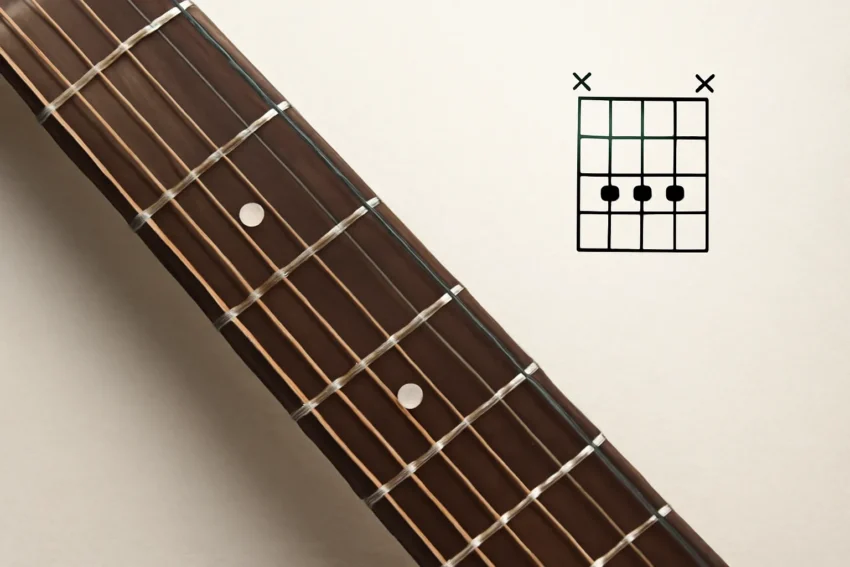
For guitarists, accessible voicings are essential. Start with open-position chords to ensure ring and sustain, then add simple barre shapes as needed. Useful approaches:
Use open chords (C, G, D, Em, Am) for verses and light sections to keep the guitar ringing and vocal-friendly.
Move to barre shapes (F, Bm, B7) as you want more compact, textured sounds, particularly in choruses or when the arrangement requires more bite.
Employ capo to transpose all shapes while maintaining comfortable fingerings. This is especially helpful for vocal compatibility across different weeks or venues.
Explore inversions (e.g., C/E, G/B) to maintain melodic clarity while varying bass motion.
Keyboard and pad-based voicings
Keyboard players have a wider palette of textures. Some practical strategies:
Use root position and inverted chords to create smooth bass lines under a vocal melody.
Apply first inversion or second inversion voicings to keep the left hand light while the right hand sustains chords.
Experiment with drop voicings (drop 2, drop 3) to produce lush, spacious textures that still remain singable for the congregation.
For synthetic pads or organ-like textures, layer seventh chords with soft echoes or reverb to evoke a worshipful atmosphere without overpowering the lead vocal.
Rhythmic foundational ideas
A solid rhythmic base helps every chord sound intentional. Consider:
Maintain a reliable pulse with a consistent tempo that supports congregation participation.
Use subtle dynamics—start softly, build through the chorus, then return to a reflective level for the bridge.
Let the rhythm guitar or keyboard pad support the vocal phrases rather than competing with them.
Practical steps to arrange a worship song from chords
Step-by-step approach
Identify the key and ensure the vocalists’ comfort range. If necessary, transpose using a capo or by charting a new key.
Choose a core progression suited to the song’s mood (ballad, mid-tempo, or high-energy). Start with a basic I–vi–IV–V or I–IV–V–IV framework as a foundation.
Build the verse and chorus with color by adding sevenths or sus chords in strategic spots. Keep the verse phrases simple; reserve color for the chorus or bridge.
Add inversions to maintain interesting bass motion without crowding the vocal line.
Incorporate color and tension in the chorus using dominant or minor7 chords to heighten emotional impact.
Plan transitions between sections. Ensure there’s a clear cadence that signals the move to the next section (for example, a IV–I cadence or a dominant approach).
Test with the team in rehearsal. Confirm that the arrangement serves the congregation and remains singable.
Checklist for rehearsal and live performance
Is the keyboard’s bass line clear and not clashing with the bass guitar?
Are the vocalists comfortable with the key? If not, what transposition options exist?
Do the chord changes align with the tempo and rhythm of the congregation?
Are the color chords used in moderation so as not to overwhelm the melody?
Is there a dynamic arc across the song (soft verse, brighter chorus, reflective bridge)?
Illustrative examples: practical chord charts in common worship keys
Below are some example progressions in accessible keys, illustrating how the concepts discussed above come together. These examples are presented in glassy, practical forms you can map to your charts, whether you’re using guitar, piano, or a hybrid setup.
Example 1: Uplifting ballad in C major
Verse: C – G – Am – F (I – V – vi – IV) with occasional F add color via F7 or Fmaj7 for a softer touch.
Chorus: A – E – F#m – D (I – V – vi – IV) with a departure to D7 before resolving to A.
Example 4: A capella-friendly progression with substitutions
Verse: C – F – C – G (I – IV – I – V) with occasional Csus2 or Fmaj7 to soften the texture.
Chorus: C – Am – F – G (I – vi – IV – V), using Cadd9 or Am7 to add subtle color without complicating vocables.
Note on performance:
The charts above emphasize singability. When presenting tunes to a congregation, try to keep the number of simultaneous chord tones manageable and maintain clarity in the vocal melody. If a song has a long instrumental section, you can simplify the chord palette to support the voice rather than overshadow it.
Putting it all together: a practical workflow for worship teams
1) Establish a base key that fits the vocal range
Start with a comfortable key for the majority of singers. If a small subset has a higher or lower range, plan transpositions via capos or alternate charts rather than forcing everyone into a less comfortable pitch.
2) Build a core progression that fits the song’s mood
Choose a progression (for example, I–IV–vi–IV or I–V–vi–IV) that supports the song’s emotional arc. Use this as the anchor for verses and choruses, inserting color chords like sevenths or sus chords in sections that require lift or tension.
3) Add color thoughtfully
Introduce sevenths, sus chords, and slash chords in moderation. The rule of thumb is color where the lyric or mood benefits, not to fill every beat with complex harmony. In worship, clarity and singability are often more impactful than a constantly shifting palette.
4) Create a clear cadence and transitions
Ensure each section has a clearly heard cadence. For example, a IV–I cadence signals a return to home base, while a held dominant chord can push toward a chorus extension or a tag.
Rehearsal is where theory becomes practice. Use rehearsal to confirm that the voicings are comfortable for vocalists, that rhythm sections stay tight, and that any modulatory or capos changes are seamless.
Common mistakes to avoid (and how to fix them)
Overloading the chorus with color at the expense of singability. Fix: simplify the chords in the chorus and reintroduce color in a bridge or tag.
Ignoring bass clarity when using slash chords. Fix: ensure bass movement is smooth and supports the melody line.
Forgetting the practical reach of the congregation. Fix: choose keys in which the majority can sing confidently and adjust with capos if needed.
Relying on one instrument for all color. Fix: distribute color across piano, guitar, and pads to avoid crowding any single part.
Resources and further study
To deepen your understanding of worship chords beyond this guide, consider exploring:
Textbooks and online courses on chord theory, especially those focused on practical harmony for contemporary worship.
Arranging guides that discuss pop and gospel chord color, voicing strategies, and bass-line planning.
Collaboration with vocal directors and sound teams to tailor chord choices to your venue’s acoustics and equipment.
Remember, the ultimate aim is to serve the song and the congregation. The chords are the instruments with which you craft a space for worship, not the destination. With thoughtful choices, consistent practice, and open collaboration, any worship team can craft arrangements that are both spiritually meaningful and musically satisfying.