Christian Clothing: Modern Faith-Based Apparel for Men, Women & Kids
In the contemporary marketplace, Christian clothing has grown from simple symbols onto a vibrant spectrum of styles that speak to faith, identity, and community. Today’s faith-based apparel encompasses casual everyday wear, athletic gear, formal pieces for worship, and family-friendly designs that make it easy to integrate beliefs into daily life. This article explores how Christian clothing and its diverse families—ranging from gospel gear to devotional wear—serve men, women, and children, while highlighting practical considerations, symbolism, and ethical considerations that accompany selecting apparel with a faith-forward message.
Understanding Christian apparel: terminology and breadth
The language around this market often includes a mix of terms such as Christian apparel, faith-based clothing, church attire, and biblical apparel. While these phrases are often used interchangeably, they can imply different purposes and aesthetics. At its core, Christian clothing is clothing that aligns with Christian faith, values, or themes—whether through symbols, verses, or a spirit of service. The breadth of this category covers:
Scripture-inspired tees and hoodies featuring Bible verses, paraphrases, or Christian messages.
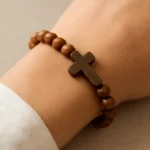
Cross-adorned accessories and garments that carry a visible symbol of faith.
Worship and church attire designed for liturgical settings or special services.
Modest fashion lines that emphasize dignified silhouettes and principled coverage.
Family-oriented wear for parents and children to coordinate or share a shared message.
Ethically sourced materials and sustainable production practices aligned with stewardship values.
A thoughtful approach to Christian apparel recognizes that clothing can be a form of witness—an expression that is both personal and communal. The most effective pieces balance design with meaning, offering messages that are legible, tasteful, and appropriate for the wearer’s context.
Historical roots and evolving styles
The idea of clothing as a vehicle for faith stretches back to early Christians who used symbols and modest dress as expressions of identity and solidarity. Early church garments often carried themes of modesty and humility, while symbols such as the ichthys (fish) and Chi-Rho served as discreet identifiers during times when faith could be costly. Over the centuries, church attire evolved—from monastic robes and clerical vestments to the liturgical robes worn by priests and deacons, each piece carrying theological significance.
In contemporary times, the evolution of Christian clothing has accelerated with mainstream fashion and global brands adopting faith-inspired aesthetics. Today’s lines integrate:
Graphic tees that carry scripture or inspirational quotes, translated through modern typography.
Polos and casual shirts with small crosses or verse references for a refined, everyday look.
Dresses and skirts designed with modest silhouettes, suitable for church services or family gatherings.
Athleisure and performance wear that allows believers to exercise their faith while staying active.
This fusion of heritage symbolism and modern silhouettes makes Christian clothing accessible to a broad audience while preserving reverence and intention. The result is a dynamic market in which fashion serves faith rather than merely following trends.
Modern trends in faith-based clothing
For men
The men’s market for Christian apparel emphasizes versatility and practicality without sacrificing message. Popular categories include:
Graphic tees featuring bold scripture, call-to-action phrases, or minimalist crosses that pair with jeans or chinos.
Hoodies and zip-up jackets with devotional quotes on the back or sleeve details for subtlety.
Polos and button-downs with small cross embroidery or verse references for business-casual contexts.
Outerwear with faith-based motifs that can layer over simple outfits during cooler seasons.
Activewear that keeps pace with workouts and outdoor activities while conveying a spiritual message.
In design, the trend is toward clean lines and neutral palettes, allowing the message to be legible without shouting. For some, a single emblem suffices; for others, a series of verses or a personal scripture highlight serves as a daily devotional reminder.
For women
Women’s Christian clothing spans a broad spectrum from casual to semi-formal and modest fashion. Core trends include:
Modest dresses and skirts that balance style with coverage and comfort.
Layered looks—cardigans, scarves, and lightweight jackets with faith-based motifs.
Tops and tunics featuring scripture verses, prayers, or artistic crosses in tasteful placements.
Activewear and athleisure designed for women who want faith-inspired gear for workouts or everyday errands.
Accessories like bracelets, necklaces, or bags carrying small symbols or verse references.
The fashion-forward approach in women’s Christian clothing often embraces color and texture—soft pastels, earth tones, and rich jewel hues—while maintaining modest silhouettes and purposeful detailing.
Faith-based apparel for children emphasizes accessibility, durability, and positive messaging. Notable features include:
Kids’ tees with friendly Bible stories, characters, or simple prayers.
Seasonal wear for holidays like Easter and Christmas with age-appropriate symbolism.
Matching family outfits for photos, church events, or outreach activities.
Playful prints that encourage curiosity about faith while remaining age-appropriate.
For families, coordinating family capsule collections can be a meaningful way to reinforce shared values and spiritual conversations at home and in the community.
Choosing the right Christian clothing
Selecting apparel that aligns with faith while meeting everyday needs involves evaluating several factors. The following considerations help shoppers choose pieces that are both meaningful and practical.
Materials and comfort
Comfort is essential for long wear, especially for items like tees, hoodies, and athletic wear. Look for natural or blended fibers that breathe well, such as organic cotton, modal, or bamboo blends. For outdoor or sports use, consider moisture-wicking fabrics and durable knits. The symbolism remains important, but it should not come at the expense of wearability.
Modesty, fit, and occasion
The intended setting often dictates cut and coverage. For church services, many prefer modest hemlines, sleeves, and necklines. For casual ministry outreach, fit can be relaxed but still respectful. For formal events, options may include dress shirts, suits, and evening wear featuring subtle faith motifs. Regardless of age or gender, the message should be clear but not overpowering the wearer’s presence.
Ethical and sustainable sourcing
Increasingly, consumers seek ethical manufacturing and sustainable fabrics. Brands that share values in supply chain transparency, fair labor practices, and environmentally responsible dyeing and finishing processes often attract faithful shoppers who want their wardrobe to reflect moral commitments beyond the message on the garment. Terms to look for include Fair Trade, GOTS certification for organic textiles, and REACH compliance for chemical safety.
Sizing and accessibility
A robust Christian clothing line should offer inclusive sizing and adaptive options where possible. This ensures that families, youth groups, and individuals of diverse shapes and ages can participate in faith-based fashion with confidence and dignity. Clear size guides, generous return policies, and accessible designs help communities build wardrobe staples that last.
Brand voice and theological alignment
Some shoppers look for brands that align with particular denominations or theological emphases. Others prefer universal messages of hope, love, and service. When evaluating brands, consider the weight and clarity of the message, as well as how it is presented—whether through scripture, paraphrase, or original devotional phrasing. The best pieces communicate faith respectfully and authentically without resorting to sensationalism.
Symbolism and messaging in Christian clothing
Symbols serve as concise, recognizable expressions of faith. The mindful use of symbolic imagery can foster conversation, invite reflection, or offer personal encouragement. Common motifs include:
Crosses of various styles—from delicate vertical pendants to bold, graphic silhouettes on shirts.
Ichthys (fish) as a historic Christian symbol with a discreet rendering on jewelry or apparel.
Verse references and short prayers that invite contemplation or memorization.
Dove and olive branch imagery representing peace and the Holy Spirit.
Floral or landscape motifs paired with scripture to evoke themes of growth and grace.
When incorporating symbolism, balance is key. Subtlety can be powerful—an embroidered cross on a sleeve or a small verse on the inside collar—while bold statements may suit certain events or groups, such as youth conferences or outreach campaigns.
In addition to symbols, typo-graphics that convey scripture or devotional phrases can be a tasteful alternative. Designers often experiment with typography, color, and layout to ensure legibility from a distance and a readable message up close.
Practical guidelines for different contexts
Church services and worship settings
For worship settings, many communities favor attire that reflects reverence and respect. Practical guidelines include:
Choosing modest silhouettes and appropriate necklines.
Opting for solid colors or muted patterns that do not distract from the liturgy.
Using faith-based branding that respects the congregation’s norms—some churches welcome visible scripture, while others prefer more understated messages.
Considering kid-friendly options for families attending services with children.
Everyday wear and casual ministry
For daily life and informal ministry contexts, the emphasis shifts toward comfort, versatility, and approachability. Useful practices include:
Incorporating soft fabrics and durable stitching for daily wear.
Pairing inspirational graphics with neutral wardrobe pieces to ensure flexibility across settings.
Choosing pieces that allow layering, so a single garment can be worn across seasons and occasions.
Special events, outreaches, and missions
Events and missions often invite more expressive or coordinated looks. Strategies include:
Coordinating group outfits for teams or families involved in a project to convey unity and purpose.
Using verses or messages tailored to the event’s theme for impact and memory.
Preparing a selection of multi-occasion pieces that function for both outreach and personal use.
Travel, outdoor activities, and community service
For travelers and volunteers, practical concerns include protection from the elements, ease of movement, and quick-drying fabrics. Consider tech fabrics for moisture management or sun-safe materials, along with multi-use layers suitable for fluctuating climates and activities.
Care and maintenance of faith-based apparel
To extend the life of Christian clothing, it is essential to follow proper care guidelines. Properly washing, drying, and storing pieces can preserve print integrity, embroidery, and fabric quality.
Turn garments inside-out before washing to protect prints and embellishments.
Use gentle cycles and cold water to reduce fading and fiber wear.
Avoid high-heat drying; opt for air drying or low-heat settings when possible.
Iron with care, using a low setting and placing a cloth between the iron and the fabric to protect prints.
Store items in a cool, dry place and avoid overcrowding to prevent creasing and damage.
For items with delicate embroidery or metallic threads, consider hand washing or professional care to preserve the design. Proper care supports the garment’s message and ensures it remains a reliable part of your wardrobe for years to come.
Ethical dimensions of Christian clothing
Many shoppers today want their faith-inspired apparel to reflect a broader ethical commitment. Beyond the message on the garment, ethical considerations include supply chain transparency, environmental impact, and fair labor practices.
Supply chain transparency: Brands that disclose their sourcing and manufacturing partners can help customers make informed decisions.
Fair labor practices: Workers’ rights, safe workplaces, and fair wages align with Christian principles of justice and stewardship.
Environmental stewardship: Sustainable materials, responsible dyeing processes, and recyclable packaging contribute to a healthier creation.
Animal welfare: For some customers, vegan or cruelty-free production is a non-negotiable aspect of ethics.
Shoppers can support brands that integrate these values by researching certifications, asking questions about manufacturing facilities, and choosing lines that demonstrate consistent ethical behavior across collections.
Brands, communities, and the culture of faith-based fashion
The market for Christian clothing includes a mix of established apparel brands, small mission-driven labels, church-store collections, and independent designers. Consumers may engage with these sources through church bookstores, online retailers, pop-up shops, or local boutiques. A thriving culture of faith-based fashion often emphasizes:
Community-driven collections created for youth groups, churches, or ministry teams.
Limited-edition drops tied to holidays, sermon series, or outreach campaigns.
Inclusive sizing to welcome people of all ages and body types into faith-based styling.
Collaborations with theologians, artists, and musicians to craft meaningful, thought-provoking designs.
For readers seeking authenticity, it can be valuable to explore how a brand communicates its mission, how faith informs its design choices, and how it engages with the community beyond product sales—such as through charitable initiatives, mentorship programs, or local outreach partnerships.
Practical considerations for choosing a Christian wardrobe
Building a wardrobe that reflects faith, values, and lifestyle requires intentionality. The following considerations can guide decision-making and help maintain a cohesive, meaningful collection.
Alignment with personal faith story
The most persuasive Christian clothing often resonates because it echoes a personal journey, a favorite verse, or a reminder to practice love, patience, or service. Shoppers are encouraged to select pieces that speak to their personal faith narrative while remaining respectful to others who encounter them.
Contextual appropriateness
Understand the contexts in which each item will be worn. Some designs are best suited for church settings, others for everyday wear, and some for outreach events or mission trips. The right balance of visibility and discretion helps preserve dignity and avoids inadvertently turning faith into spectacle.
Text-based designs should be legible and not overly controversial. Favor messages that offer encouragement, grace, or a call to action that aligns with common Christian virtues. Graphic elements should enhance readability and not overwhelm the wearer’s presence.
Cost, value, and longevity
While some Christian apparel can be affordable, others may carry a premium due to ethical manufacturing, high-quality fabrics, or limited editions. Consider the long-term value: a well-made piece that fits well and carries a timeless message may serve for years, reducing the need for frequent replacements.
Creating a Christian wardrobe that honors faith and fashion
Building a thoughtful, versatile collection requires a combination of discernment, creativity, and a clear understanding of personal and community values. The goal is to assemble pieces that:
Honor God through humility, grace, and respect in how the garments are worn and presented.
Witness effectively by sparking conversation in a natural, non-invasive way.
Support community by providing clothing for outreach, ministry teams, and church life.
Promote stewardship by choosing sustainable materials and ethical production.
Foster confidence in the wearer by offering comfortable, well-fitting pieces that reflect personal style.
A well-curated wardrobe can include a mix of everyday basics, special-occasion outfits, and family coordination options that help households express shared faith while navigating daily life with intentionality.
Conclusion: Faith in fashion, testimony in threads
Christian clothing represents more than fabric and color. It is a form of testimony that travels with the wearer, invites dialogue, and can reinforce a life of service. Whether you seek modest fashion, bold gospel statements, or understated symbols, the best pieces integrate meaning with practicality. Men, women, and children can find faith-based apparel that honors their identity and supports their daily mission—whether that mission is worship, outreach, or ordinary acts of kindness. As the landscape continues to evolve, the conversation around Christian apparel will likely become richer, more diverse, and more accessible to families around the world.
Remember that the ultimate message of Christian clothing lies not in the garment alone but in the heart, actions, and relationships of the wearer. Clothing can be a stepping-stone to conversations about faith, a reminder of values, and a tangible expression of love for God and neighbor.