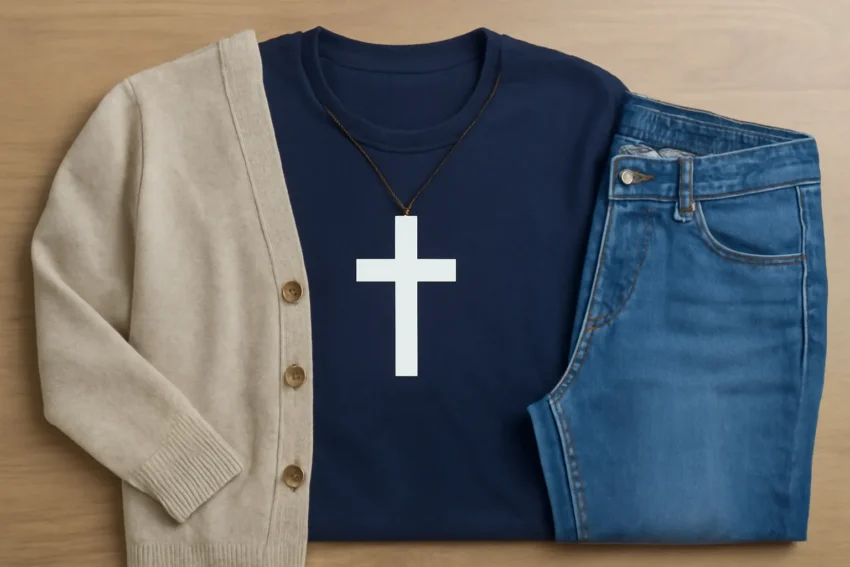
In a culture saturated with fast fashion and rapidly changing trends, many Christians seek a wardrobe that reflects their values without compromising comfort, practicality, or personal style. Christian clothes and the broader category of modest fashion offer a framework for dressing that honors beliefs about humility, dignity, and respect for oneself and others. This guide, titled “Christian Clothes: The Ultimate Guide to Modest Fashion”, explores the philosophy, history, and practicalities of dressing with purpose. It covers a wide range of topics—from the biblical foundations of modest apparel to contemporary shopping options, styling ideas, and cultural variations—so that readers can build a believers’ wardrobe that is both expressive and appropriate for different settings, including church, work, and everyday life.
What are Christian clothes and why modest fashion matters
At its core, Christian clothes encompass more than fabric and seams. They are a form of communication, conveying messages about identity, community, and devotion. The practice of modest fashion in a Christian context emphasizes clothing that is neat, clean, and respectful, while avoiding overt sensuality or extravagance that might distract from character and service. For many believers, clothing is a small but meaningful way to live out one’s faith in daily life—an outward sign of inward values.
It is helpful to think of Christian apparel as a spectrum rather than a rigid rule book. Some traditions emphasize stricter guidelines, while others prioritize freedom within broad boundaries. Across traditions, common themes include:
Humility over attention-seeking style
Moderation in fit, color, and ornament
Respect for others through approachable, non-provocative attire
Practicality for daily life, work, and service
Honoring God through stewardship of resources and care for the body
As you explore gospel attire and scriptural dress, you will encounter a broad range of choices—from everyday wear to special-occasion clothing—that can help you express faith while maintaining comfort and personal style. This guide provides a roadmap to navigate options such as modest dresses, knit tops, suiting, outerwear, and accessories that align with biblical ideals and personal taste.
Biblical foundations for modest dress
The conversation about Christian clothing is deeply rooted in biblical principles. While the Bible does not prescribe a universal dress code for all Christians, it offers guidance that has shaped centuries of practice in the church. Key themes include modesty, propriety, humility, and adornment with virtue rather than display.
Principles frequently cited in discussions of biblical modesty include:
Displaying inner beauty and character over external ornamentation
Avoiding attire that is provocative or draws undue attention
Choosing clothes that are appropriate for occasions (worship, work, family life, service)
Adopting temperate colors and fabrics that reflect stewardship and simplicity
Representative passages that inform Christian attitudes toward dress often referenced in church communities include discussions about modesty, adornment, and behavior that reflects faith. For example, ideas about women and men styling with discernment, not drawing excessive attention to appearance, and focusing on character are drawn from epistles and exhortations. In this sense, modest fashion becomes a practical extension of spiritual formation—an expression of who a person is in Christ rather than a mere outward appearance.
Ultimately, the biblical emphasis is not on legalism but on developing a posture of wisdom and stewardship. The goal is to clothe oneself in a way that honors God, serves others, and bears witness to the gospel through daily choices about what to wear.
Historical overview of Christian clothing
Christian attire has evolved across eras and cultures, shaped by church culture, social norms, and practical needs. A quick historical view helps illuminate why modern church attire and modest fashion look the way they do today.
In the early church, believers often wore modest, simple garments similar to the surrounding Greco-Roman culture. The emphasis was on decency and unity within the community. As Christianity spread through Europe, modest dress became associated with humility and discipline in monastic and lay life. During the Middle Ages, the Church influenced dress codes through ecclesiastical robes, devotional garments, and explicit guidelines about modesty for clergy and laity alike.
In the Reformation and post-Reformation eras, Protestant communities emphasized personal piety and modesty as expressions of faith. Puritan and Anabaptist traditions, for example, advocated plain dress as a visible sign of separation from worldly values. In more recent centuries, denominations such as Catholic, Orthodox, Anglican, and various Protestant groups developed distinctive norms and pragmatic approaches to faith-inspired clothing that balance modesty with fashion and function.
Today, Christian clothing spans a broad spectrum—from formal church attire designed for weddings and services to practical, comfortable everyday wear that supports active lifestyles. Across this spectrum, a common thread remains: clothing is intended to reflect a wounded world needing grace, and a redeemed heart seeking to honor its Creator through everyday decisions.
Categories of Christian apparel
Christian apparel can be organized into several practical categories to help you plan a complete wardrobe that fits different seasons, occasions, and roles. Below, you will find an overview of common categories, followed by tailored guidance for women, men, and children, as well as inclusive options for diverse bodies and needs.
Women’s modest fashion
For many women, women’s modest fashion encompasses dresses, skirts, blouses, and outer layers that maintain appropriate coverage while allowing personal style to shine. Key considerations include length, neckline, sleeves, and silhouette.
Skirts and dresses that reach at least knee-length (or longer, depending on culture) with non-sheer fabrics
Necklines that stay within a conservative range (no plunging or revealing cuts)
Modest sleeve choices (cap sleeves, short sleeves, or three-quarter to full-length sleeves)
Layering pieces such as cardigans, jackets, or lightweight scarves for added coverage
Avoiding form-fitting silhouettes in favor of comfortable fits that move with the body
Fabric choices that balance drape and breathability (cotton, linen blends, jersey knits)
Practical style tips for women include building a capsule wardrobe with versatile pieces, color-coordinated layers, and a focus on quality fabrics that last. Accessories should enhance, not overpower—think understated jewelry, a tasteful belt, or a modest scarf that adds texture and warmth without drawing excessive attention.
Men’s modest fashion
Men’s modest apparel emphasizes clean lines, a well-tailored fit, and durable fabrics that convey reliability and humility in demeanor and appearance. Core items include dress shirts, polos with conservative necklines, chinos or wool trousers, and casual yet neat outerwear.
Shirts with modest necklines and appropriate sleeve length
Full-length trousers or well-fitted chinos that offer comfort and ease of movement
Layering pieces such as lightweight jackets or cardigans for modest coverage
Avoiding loud logos, flashy patterns, or overtly trendy cuts in favor of timeless pieces
Well-maintained footwear appropriate for the occasion (dress shoes for formal settings; clean sneakers for casual outings)
Men’s fashion in a Christian context often emphasizes practicality and dignity in presentation. The goal is to present oneself in a way that is respectful toward others and conducive to service, conversation, and leadership in community settings.
Children’s church attire
Children’s clothing requires a balance of comfort, durability, and appropriate coverage. For kids, practicality and ease of movement are essential, alongside a sense of joy and age-appropriate style.
Soft fabrics that withstand activity and washing
Appropriate sleeve and hem lengths to ensure safe play and modesty
Layering options like lightweight sweaters or vests for changing weather
Bright, cheerful colors and simple patterns that are not distracting in worship or school settings
Parents often prioritize pieces that can be mixed and matched, making it easy to create multiple outfits from a small number of items. Durable, easy-care fabrics like cotton blends are common, along with age-appropriate prints that still maintain modesty.
Adaptive and inclusive clothing
Inclusive Christian apparel considers individuals with different abilities, body types, or cultural backgrounds. Adaptive clothing features thoughtful design adjustments—such as adjustable closures, higher-contrast seams for visibility, or easy-access modifications—that support independence and dignity without compromising modesty.
Stretchable waistbands and easy-access closures for comfort and dignity
Flexible fits and adjustable lengths to accommodate growth and mobility
Non-slip footwear for safety during church activities
Modest swimwear and activewear designed for comfort and modesty during recreation
Inclusive ranges echo the broader Christian value of honoring every person as a beloved child of God, with attire that respects individuality and promotes confidence in communal life.
Fabrics, colors, and care
The material world matters in modest fashion. Choosing fabrics that breathe, drape well, and last longer is part of responsible stewardship. Color also communicates mood and tone, from solemn church services to joyful community events.
Natural fibers (cotton, linen, wool) offer breathability and comfort; they are often preferred for everyday wear and warmth in cooler months.
Blends (polyester-cotton, rayon blends) can provide durability, ease of care, and a flattering drape while maintaining modest silhouettes.
Silhouettes that skim rather than cling work well for modest fashion, helping to maintain movement and comfort.
Colors range from neutrals (navy, charcoal, beige) to muted tones (sage, dusty rose) and occasional richer hues for special occasions, with preferences often shaped by denominational norms and personal taste.
Care instructions are not merely practical; they reflect stewardship. Following proper washing, drying, and ironing guidelines extends the life of clothing and reduces waste. In addition, choosing durable pieces and reheating them through reasonable alterations aligns with responsible consumption and respect for the resources God has provided.
Accessories and adornment
Accessories can complement modest outfits by adding texture, color, or a touch of personality while preserving boundaries of modesty. The objective is to enhance the overall look without dominating it.
Scarves, belts, and simple jewelry can add interest when chosen with care
Moderate use of accessories—avoiding large, distracting, or flashy pieces
Functional items (hats for sun protection, lightweight shawls for coverage in varying climates)
Bags and footwear that suit the context, from church to workplace to casual outings
Some communities reserve certain adornments for particular occasions—such as wedding ceremonies or formal gatherings—while maintaining everyday modest standards in daily life. The key is to let adornment reflect personal faith and community norms rather than trends alone.
Practical guidelines for modesty
While modesty will look different across cultures and seasons, several practical guidelines help many Christians navigate wardrobe decisions with confidence:
Prioritize fit and coverage that respect the space and comfort of others
Choose layers to adjust clothing for different settings (temperature, activity, or occasion)
Favor quality over quantity—well-made pieces last longer and reflect prudent stewardship
Avoid garments with provocative details (extreme slits, transparent fabrics, or highly revealing necklines)
Consider community norms and the context of worship, service, or work
Opt for modest colors and patterns that align with the event and personal conscience
Plan ahead for seasonal changes with appropriate layering and modular pieces
These guidelines are not a rigid rulebook but a thoughtful framework to help believers dress deliberately for worship, service, and daily life. They aim to cultivate humility, respect, and grace in interpersonal interactions, while still allowing individuals to express their identity and style in ways that honor their faith.
Cultural and denominational variations
Christian dress codes vary significantly across cultures, traditions, and denominations. Understanding these variations can help individuals navigate their own choices with sensitivity and grace. Here are a few examples of how denominational norms and local culture can shape clothing choices:
Catholic and Orthodox traditions
In many Catholic and Orthodox communities, modest church attire for women often includes modest dresses or skirts with sleeves, and for men, collared shirts and dress pants for formal worship. In some areas, scarves or mantillas may be worn during liturgical celebrations as acts of reverence. For men, a neat suit or jacket is common for solemn services.
Protestant and Evangelical circles
Within Protestant and Evangelical contexts, there is a broad spectrum—from formal Sundaysigning to casual church wear. Modest guidelines frequently emphasize simple patterns and colors, clean lines, and non-distracting apparel. Some communities encourage wearing church attire that conveys dignity and respect during worship while allowing personal expression through color palettes and styling choices.
Mennonite, Amish, and Anabaptist communities
These communities often practice conservative dress as a visible expression of faith and separation from secular culture. Modesty, simplicity, and practicality guide their ususal attire, with a preference for muted tones, durable fabrics, and garments that do not imitate secular fashion trends. While specific practices vary, the overarching principle is living out faith through everyday choices, including clothing.
Indigenous, cultural, and global perspectives
Christian apparel is also influenced by indigenous and global cultures. Local fabrics, traditional silhouettes, and symbolic colors may shape how modest fashion is interpreted in different regions. The goal remains the same: clothing that honors God, serves community, and respects dignity.
Finding the right Christian clothes involves a mix of brick-and-mortar stores, online shops, and second-hand options. Here are practical avenues to explore when building a modest wardrobe:
Church-affiliated shops or ministries that offer apparel intended for worship and service
Faith-based retailers that curate modest fashion lines and scripture-inspired prints
General retailers with dedicated modest collections or sections designed for church wear
Thrift stores and consignment shops for affordable, sustainable options—often with unique pieces that still meet modesty standards
Custom tailoring for a perfect fit and longer garment life, especially for formal wear or special occasions
When shopping, it can be helpful to build a capsule wardrobe around a few versatile colors and silhouettes, enabling easy mixing and matching. Don’t be afraid to ask questions about fabric care, sizing, and return policies to ensure you find pieces that align with your values and lifestyle.
Styling tips and outfit ideas
To bring theory into practice, here are several ready-to-wear outfit ideas across various contexts. Each example aims to balance modesty, comfort, and personal style, while also being adaptable for your climate and culture.
Church service outfits
A knee-length or longer dress in a solid color or soft print, paired with a lightweight cardigan and closed-toe flats
A modest skirt with a knee-length hem, paired with a modest blouse and a structured blazer
Alternate option: tailored dress pants with a modest blouse and a cardigan or shawl for coverage
Work-appropriate modest fashion
High-quality trousers with a modest-length blouse, topped with a structured blazer
A midi-length dress with sleeves, plus a lightweight jacket or cardigan for air-conditioned offices
Layered ensembles that adapt to meetings, client visits, and casual Fridays
Casual and everydaywear
Comfortable jeans with a knee-length tunic and a cardigan for coverage
Skirt paired with a relaxed-fit top and a scarf for color and texture
Simple, breathable fabrics that work across seasons and activities
Formal occasions and weddings
A floor-length or tea-length dress with modest neckline and sleeves, complemented by tasteful accessories
A conservative suit with a well-fitted shirt or blouse, and a modest tie or scarf choice
Attention to fabric quality, fit, and wedding-specific norms—particularly in religious settings
Styling tips to personalize your looks include experimenting with texture (knit textures, lace accents, or subtle embroidery), layering for depth, and selecting a signature accessory that doesn’t overpower the overall modest aesthetic. The key is cohesion—an intentional, polished look that communicates faith and care without distraction.
Common questions and myths
As with any topic involving faith and culture, there are questions and misconceptions about Christian clothing. Here are some common concerns, addressed succinctly:
Is modest fashion legalistic? It can be a legalistic trap if it becomes a rule-based judgment of others. However, when embraced as a personal expression of faith and stewardship, modest fashion is a voluntary practice meant to honor God and serve others.
Does modesty restrict personal style? Not at all. The goal is to express personality within boundaries that reflect humility and respect. There are many ways to achieve modest style—color, texture, silhouette, and accessorizing all offer avenues for self-expression.
What about different climates? Climate influences fabric choice, layering strategies, and garment construction. Lightweight, breathable fabrics and versatile layering can maintain modesty across hot and cold seasons.
How do denominations differ? Norms vary widely, from formal church attire to more casual church wear. The underlying values—dignity, humility, respect—remain central, even when the specifics diverge.
Is thrift or second-hand clothing compatible with modest fashion? Yes. Thrift shopping aligns with stewardship and sustainability, and many people find unique, high-quality pieces that fit modest standards.
Conclusion: cultivating a thoughtful, prayerful wardrobe
Christian clothes and modest fashion represent more than outward appearance—they are a daily practice of faith, identity, and community. The ultimate aim is to clothe oneself in a way that honors God, serves others, and reflects the beauty of a life transformed by the gospel. Whether you call it Christian apparel, faith-inspired attire, or simply church wear, the principles of modesty, practicality, and dignity can guide decisions in every season of life.
As you grow in your understanding and taste, you may find that your believers’ wardrobe evolves from a collection of isolated pieces into a cohesive system. This system can support spiritual disciplines—such as hospitality, service, and worship—by making daily choices easier and more aligned with values you hold dear. By embracing the concepts of scriptural dress, biblical modesty, and modest silhouettes, you can build a wardrobe that reflects your faith with confidence and joy.
Remember that the ultimate purpose of Christian clothes is not to perform or compete but to reflect the character of Christ in everyday life. When you pair thoughtful fabric choices, careful tailoring, and respectful styling with a heart oriented toward service, your attire becomes a witness—without needing to say a word. This is the heart of Christian clothes: The Ultimate Guide to Modest Fashion.