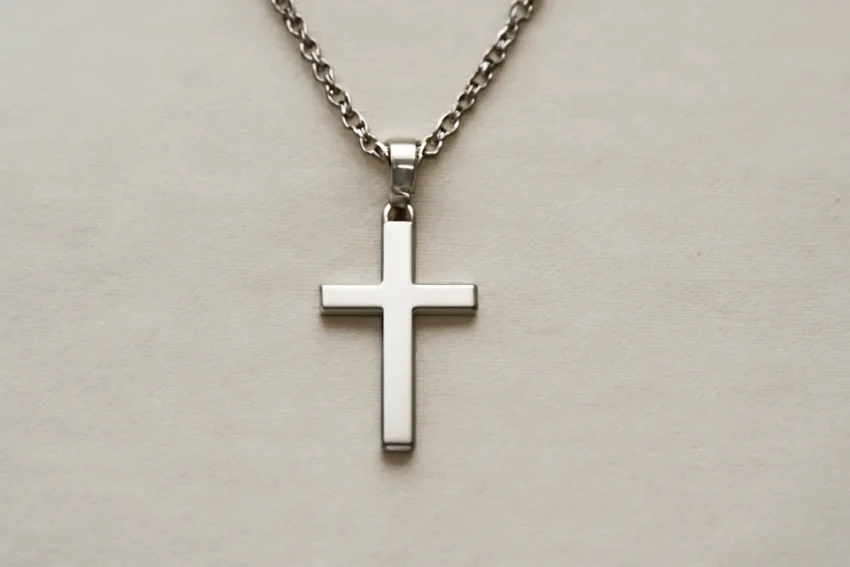
Cross Necklace Religious: Meaning, Styles, and How to Wear — an in-depth exploration of one of the most enduring symbols in the history of faith, fashion, and personal expression. Across cultures and centuries, the cross pendant has evolved from a sacred emblem worn by worshippers to a versatile accessory that can signify devotion, heritage, or simply an appreciation for design. This article will survey the spiritual significance, the broad spectrum of designs, and practical guidance on wearing, caring for, and choosing a cross necklace that resonates with you or the person you are gifting.
Meaning and Symbolism: What a Cross Necklace Represents
At its core, the cross necklace is a wearable reminder of faith, sacrifice, and redemption. Different religious traditions interpret the cross in distinct ways, yet there is a shared language of symbolism that makes the cross necklace a universal emblem. When we speak of the cross symbol, we are often referring to a narrative about salvation, spiritual endurance, and a call to compassion. Yet the very idea of a cross pendant can be deeply personal, private, or communal, depending on the wearer’s beliefs and circumstances.
Religious significance in Christianity
In the Christian tradition, the cross is a central icon that commemorates the crucifixion of Jesus Christ and the belief in his resurrection. For many, wearing a crucifix pendant—which displays the figure of Jesus on the cross—serves as a visual confession of faith and a reminder of spiritual commitments. In other contexts, a cross pendant without a figure can symbolize the broader Christian message of grace, hope, and the triumph of life over death. The distinction between a simple cross and a crucifix can matter to some worshippers; a crucifix emphasizes the sacrifice of Christ, while a plain cross can broaden the symbol to include the Christian journey, the church, and personal devotion.
In Catholic practice, crucifix necklaces are common and often worn as a sign of reverence in daily life.
In Protestant and Orthodox contexts, cross pendants without lifelike figures are frequently used to maintain a more generalized symbol of faith.
Across denominations, the cross necklace serves as a personal reminder to live in alignment with moral and spiritual values.
Other interpretations and cultural layers
Beyond the direct Christian symbolism, the cross has accrued other meanings in various cultures and histories. Some wearers view the cross as a symbol of protection, a talisman that guards against harm during travel or illness. Others see the cross as a legacy piece—a connection to ancestors, family heritage, or a tradition passed through generations. In many cases, the cross necklace is a family heirloom or a fusion of faith and fashion, bridging sacred devotion with personal style. The contemporary wearing of the cross necklace often blends spirituality with self-expression, and some designers explore geometric, abstract, or ornamental crosses that evoke the symbol without carrying overt religious implications for the wearer.
Historical and Cultural Context: How the Cross Necklace Entered Common Usage
The cross as a symbol predates modern jewelry by many centuries, but the adoption of cross-themed adornment as a common accessory has roots in ancient and medieval times. The evolution of the cross pendant mirrors changes in religious practice, media, and global exchange. A few milestones help frame how we think about cross jewelry today:
Audiences in the Roman Empire and early Christian communities adopted crosses as markers of faith during times of persecution and triumph alike.
During medieval Europe, the cross design diversified into ornate forms, including the Latin cross (the most familiar plain cross) and the more intricate Celtic cross, which combined cross symbolism with knotwork motifs signifying eternity.
In the Renaissance and later periods, cross pendants often appeared as gingerly luxury items among nobility, crafted from precious metals and adorned with gemstones.
In modern times, mass production, fashion branding, and pop culture have democratized cross necklaces, making them accessible to people of many faiths, backgrounds, and style sensibilities.
Throughout this arc, the cross necklace has remained a durable vessel for meaning. For some, it is a devotional object worn to feel closer to a higher power; for others, it is a fashionable accessory that carries a personal narrative.
Styles and Variations: The Wide World of Cross Necklaces
The variety of cross necklaces is remarkable. Jewelry designers, artisans, and retailers offer countless interpretations—each with its own mood, symbolism, and practical considerations. Below is a broad survey of the major families within cross jewelry, with emphasis on what makes each style distinctive and how they might suit different wearers or occasions.
One of the most common points of confusion is the difference between a crucifix necklace and a plain cross pendant. A crucifix includes the figure of Christ crucified on the cross, while a cross pendant typically displays only the cross shape. For many Catholics, the crucifix is a potent reminder of the Passion and sacrifice, and it is often worn with great reverence. For others, a plain cross is preferred for its universal symbolism and understated aesthetics. The choice between crucifix and cross pendant may reflect:
Religious tradition and personal devotion
Occasion and setting (daily wear vs. worship services)
Privacy and subtlety (some may prefer a non-representational cross in professional environments)
Visual style and design preferences
Material, finish, and color families
The materials and finishes used in cross necklaces dramatically influence their look, weight, and price. Common options include:
Gold (yellow, white, or rose) in various karats for luxury appeal and durability.
Sterling silver for affordability and luminous shine
Stainless steel for modern, durable, and budget-friendly options
Bronze or brass for vintage warmth and a rustic vibe
Bronze and mixed metals for two-tone or contemporary contrasts
Wood, bone, or ceramic accents for natural, earthy aesthetics
Enamel, gemstones, or pavé settings to amplify drama and color
Finishes like matte, brushed, polished, or hammered textures offer additional tactile and visual variation. The choice of material and finish often signals lifestyle, care expectations, and style alignment—whether you seek heirloom-quality luxury or casual everyday wear.
Iconic forms: classic and contemporary cross designs
Cross necklace silhouettes span a spectrum from minimal to ornate. Some enduring forms include:
Latin cross: the traditional, simple straight cross with a longer vertical arm.
Greek cross: all arms of equal length, offering a geometric balance.
Celtic cross: a cross with a ring surrounding the intersection, often featuring knotwork that embodies eternity.
Crucifix with figure: a solemn representation of Christ on the cross.
Filigree cross: delicate, lace-like metalwork for an intricate, vintage look.
Bar cross or cross bar: a more abstract, contemporary take that emphasizes linear elements.
Arrow or sword cross: stylistic variations that lend a bold, modern statement.
Tattoo-inspired or geometric cross: minimalistic or abstract forms designed for fashion-forward wearers.
Size, scale, and wearability
The size of a cross necklace can dramatically affect its presence. A short chain with a compact pendant sits closer to the collarbone, projecting a discreet, everyday vibe. Longer chain lengths create a dramatic drape, suitable for layering with other necklaces or for outfits that benefit from a more visible focal point. When selecting a cross pendant’s size, consider:
Face shape and neck length
Layering strategy with other jewelry
Occasion and dress code (formal, casual, workplace)
14 to 16 inches: sits high on the collarbone, often chosen for a subtle, close-to-skin look
18 to 20 inches: classic length that rests at or just below the collarbone, a versatile middle ground
22 to 24 inches: longer silhouettes that drape over the chest, ideal for layering with shorter chains
26 inches and longer: bold, statement-making lengths that can be worn with open-neck outfits
Layering guidelines often favor grouping a cross pendant with a simple bead chain, a delicate chain of a different metal, or a contrasting texture to create visual interest without overwhelming the cross itself.
Occasions and stylistic purposes
Cross necklace designs can be chosen to match a variety of life events and settings. For religious observance, a modest cross on a conservative chain may be preferred. For fashion-forward ensembles, designers might offer avant-garde forms with geometric or embellished designs that still reference the cross motif. In some contexts, a unisex cross necklace or a unadorned cross statement piece is appropriate for both men and women, enabling personal expression while maintaining a respectful tone in certain environments.
How to Wear a Cross Necklace: Practical Guidance for Everyday Life
Knowing how to wear a cross necklace thoughtfully can enhance both its spiritual significance and its fashion appeal. Here are practical guidelines and ideas for making the most of this symbolic accessory.
Choosing the right chain length for your wardrobe
The chain length you select should harmonize with your typical outfits and neckline shapes. For example:
With crew necks or turtlenecks, a shorter cross on a slim chain can appear clean and modern.
V-necks, open blouses, or scoop necks pair well with mid-length or longer cross pendants to create a balanced focal point.
Layering with other necklaces of varying lengths can create a curated, intentional look while ensuring the cross remains the centerpiece.
Here are practical ideas for styling a cross necklace across contexts:
Casual daywear: a simple cross pendant on a medium-length chain with a T-shirt and jeans creates an understated, everyday look.
Work attire: choose a modest cross pendant on a neutral chain, avoiding overly flashy stones or oversized shapes that may clash with professional dress codes.
Formal events: select a refined cross with precious metal or gemstone accents and pair it with a tailored outfit to achieve a polished, elegant appearance.
Layered outfits: combine a few delicate chains of differing textures, ensuring the cross pendant sits at a comfortable central point on the chest without tangling with other jewelry.
Cultural sensitivity and etiquette
In some contexts, wearing religious symbols requires respect for the beliefs of others and awareness of the setting. For example, certain communities or institutions might place restrictions on visible religious symbols. When traveling to sacred sites or attending interfaith events, wearers may choose more minimalistic designs or keep the symbol respectfully modest to avoid miscommunication or discomfort. The cross necklace, like any religious icon, can be a bridge for conversation, but it can also be a source of unintended tension if worn inappropriately in sensitive environments.
Layering with other jewelry: considerations
Cross necklaces can be harmonized with other adornments. Consider these ideas:
Pair with a delicate bracelet or ring to echo metallic tones for a cohesive look.
Use contrasting textures (polished cross with a hammered chain) to create visual intrigue.
Avoid overloading the neckline with multiple bold pieces if the cross pendant is large; instead, reduce other statement jewelry to maintain balance.
Care, Maintenance, and Longevity of a Cross Necklace
A cross necklace is a precious object for many wearers, and proper care helps preserve its beauty, value, and symbolic meaning over time. Here are practical care guidelines and maintenance tips to keep your cross pendant looking its best.
Cleaning and upkeep
Different materials require specific care. General guidelines include:
Gold and precious metals: clean with a mild soap solution and a soft cloth. Avoid harsh chemicals that can dull the finish. Periodically check clasps and jump rings for wear and tighten or replace as needed.
Silver: tarnish is common; use a silver polishing cloth or a gentle metal cleaner designed for silver. Store in a dry, anti-tarnish bag or jewelry box to slow oxidation.
Stainless steel: typically low-maintenance, clean with warm soapy water and a soft cloth.
Gemstones and enamel: avoid abrasive cleaners; use a soft brush for setting details and check for loose stones.
Wood and natural materials: keep dry and avoid prolonged exposure to moisture; apply a suitable oil or wax to maintain finish as recommended by the maker.
Storage and long-term care
Store cross necklaces separately in soft pouches or padded jewelry boxes to prevent scratches and tangles. When not in use, keep them in a cool, dry place away from direct sunlight, particularly for organic or dyed materials. If you wear the piece daily, consider rotating options to minimize wear and extend life.
Signs that a cross necklace needs professional care
Watch for these indicators that you should consult a jeweler:
Loose stones or damaged settings
Discoloration or unusual patina that cannot be cleaned with home methods
Weak or bent clasps and connectors
Visible wear on the chain or pendant bail
Gifts, Purchases, and Ethical Considerations
Choosing a cross necklace as a gift or personal purchase often involves more than aesthetics. Here are considerations that may affect your decision and experience.
A cross necklace can convey a spectrum of sentiments. Some meaningful occasions include:
Baptism, First Communion, Confirmation, or other religious milestones
Religious holidays or seasons of devotion (e.g., Easter)
Milestones in personal faith journeys, or as a source of comfort during difficult times
Life celebrations such as graduations or anniversaries where a cross pendant serves as a symbol of guidance and protection
When selecting a piece as a gift, consider the recipient’s style and how a cross necklace will be worn in their daily life. It may be helpful to accompany the pendant with a short note about its meaning or a brief explanation of the symbolism.
How to choose a cross necklace: a practical buying guide
To find a piece that aligns with your values and budget, consider these factors:
Authenticity and quality: Check the reputation of the jeweler, the metal’s purity (e.g., karat gold), and any certifications for gemstones.
Metal compatibility: If you wear other jewelry, consider whether the cross’s metal harmonizes with your existing pieces to avoid clashes.
Design relevance: Decide if you want a traditional, ornate, or modern interpretation of the cross.
Ethical sourcing: For many buyers, transparency about sourcing materials (like conflict-free gold or responsibly sourced gemstones) matters.
Durability for daily wear: If you want a piece for everyday use, you may prioritize sturdier chains and secure clasps over delicate designs.
Ethics and sustainability in cross necklace production
In recent years, more consumers have asked for ethical and sustainable jewelry. Consider these practices when shopping for a cross pendant:
Use of metals from mines with responsible environmental stewardship and fair labor practices
Recycled metal options to reduce new resource extraction
Certified gemstones with responsible mining standards
Transparent supply chains and fair-trade partnerships
Choosing ethically produced cross jewelry not only aligns with personal values but also supports broader social responsibility within the jewelry industry.
Cross Necklace Religious: Meaning, Styles, and How to Wear — A Recap
The cross necklace is a symbol that travels through time, adapting to new aesthetics while retaining its core message of faith, protection, and personal meaning. Whether you prefer a classic cross pendant in gold, a delicate crucifix necklace with fine detailing, or a bold contemporary cross in stainless steel with enamel accents, there is a necklace that speaks to your life story. The key is to choose a piece that not only suits your style but also resonates with your beliefs and the values you want to carry with you.
What is the difference between a crucifix and a cross necklace?
A crucifix features the figure of Christ on the cross, emphasizing the crucifixion narrative and the Passion. A cross necklace generally displays just the cross shape, which can symbolize faith broadly or be interpreted in a more abstract design. The choice often depends on religious tradition, personal devotion, and aesthetic preference.
Can men and women wear cross necklaces?
Yes. Cross necklaces are commonly considered unisex, though some designs skew toward masculine or feminine styling. When selecting, consider the pendant shape, scale, and chain thickness to suit the wearer’s preferences and comfort.
Is it appropriate to wear a cross necklace in a non-religious context?
Many people wear cross jewelry as a fashion statement or personal symbol without intending any religious message. However, it’s useful to be mindful of context and audience; in some professional environments or culturally diverse settings, a very conspicuous religious symbol might be interpreted in various ways. The most important thing is respect for others and personal intention.
How do I determine the quality of a cross necklace?
Quality considerations include metal purity, craftsmanship, and the durability of the clasp. Look for reputable brands or jewelers who provide transparent information about materials, warranties, and care instructions. Inspect the pendant’s bail to ensure it securely attaches to the chain and that the chain links are uniform and strong.
What are common materials for meaningful cross necklaces?
Common materials include gold, sterling silver, stainless steel, and sometimes wood or enamel accents. Gemstones or pavé settings may add a luxurious touch, while simple metals emphasize minimalism and longevity.
Closing Thoughts: The Cross Necklace as a Living Symbol
A cross necklace is more than a decorative object. It is a living symbol that can accompany a person through daily routines, moments of solitude, and significant life events. The meaning attached to a religious cross pendant, or a cross-shaped amulet, grows from the wearer’s faith, experiences, and intentions. Whether you seek a piece that communicates reverence, a piece that complements a professional wardrobe, or a piece that tells a personal story of resilience, there is a cross necklace designed to fit your life path. By understanding the symbolism, exploring the diverse styles, and following practical guidance on wearing, caring for, and ethically selecting a cross pendant, you can ensure that this timeless symbol remains a meaningful companion for years to come.
Appendix: Quick Reference Guide to Cross Necklace Styles
Plain cross pendant on a slim chain: timeless, versatile, suitable for everyday wear.
Crucifix pendant: devotional emphasis on the Passion, commonly associated with Catholic symbolism.
Celtic cross pendant: knotwork and circle motif symbolizing eternity; often worn as a connection to heritage.
Filigree cross: delicate lacy metalwork for vintage or ornate aesthetics.
Geometric or minimalist cross: modern interpretation with clean lines for contemporary style.
Two-tone or mixed metals: visual contrast that adds depth and modern flair.
Gem-encrusted cross: statement piece for special occasions or fashion-forward looks.
Wood or natural-material cross: earthy, rustic vibes for casual wear.
Whether you call it a cross necklace religious, a religious cross pendant, a Christian cross necklace, or a crucifix necklace, the core idea remains constant: a wearable symbol that can affirm faith, express personal identity, and elevate an outfit. By selecting a design that aligns with faith, style, and practical needs, you can wear this ancient emblem with confidence and authenticity.