Introduction: Why a Christian pendant matters in faith and daily life
A Christian pendant is more than a decorative accessory. It can be a tactile reminder of beliefs, a public confession of faith, and a thoughtful gift that marks milestones in a person’s spiritual journey. From the classic cross pendant to more intricate symbols like the Ichthys (the fish) or angelic motifs, a pendant worn close to the heart can offer comfort, courage, and a visible expression of devotion. This article explores how to choose the right pendant for your faith, considering symbolism, material, fit, and context, so that your selection serves both as a personal reminder and as a meaningful present to others.
Understanding Christian pendants: symbolism and purpose
The language of Christian pendants is rich and varied. Different symbols carry different meanings, and the same pendant can speak to multiple facets of a person’s faith depending on the wearer’s experiences. Before selecting a pendant, many believers consider questions like:
What symbol speaks most clearly to my faith—the cross, the fish, a Bible verse encased in metal, or a saintly figure?
Is the pendant intended for daily wear, a special occasion, or a sacramental ceremony like baptism or confirmation?
Do I want a pendant that serves as a personal reminder or a gift that starts a larger conversation about faith?
The cross pendant remains the most universally recognized symbol of Christianity, representing Christ’s sacrifice and redemption. But there are many variations within the broader category of religious pendants that can suit different denominations, aesthetic preferences, and spiritual moods.
Popular categories of Christian pendants
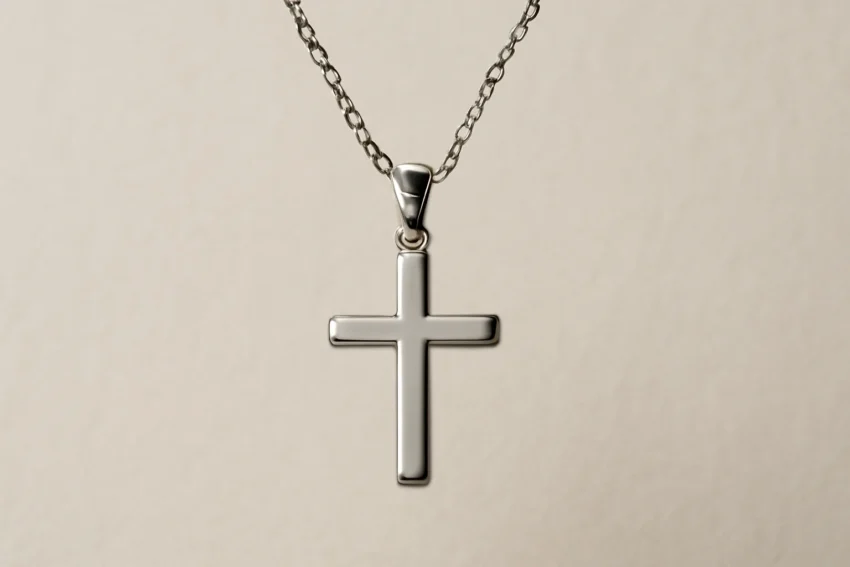
Cross pendants—ranging from minimalist lines to ornate carvings; often the go-to choice for everyday wear.
Ichthys pendants—the early Christian fish symbol, sometimes combined with a name or Bible verse.
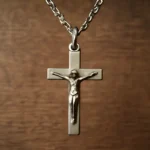
Crucifix pendants—a representation of Jesus on the cross, emphasizing the passion narrative.
Angels and saints pendants—featuring guardian angels, archangels, or revered saints.
Versed or scripture pendants—bearing short Bible verses or phrases that hold personal significance.
Iconic motifs— motifs like doves, motifs of nature, or other Christian allegories interpreted through artful design.
Variations of the pendant: what to know about different styles
The market offers a spectrum of styles, each with its own vibe and potential meaning. Here are some common styles you may encounter when shopping for a Christian pendant or a faith pendant.
Minimalist cross pendants
Minimalist cross necklaces emphasize clean lines and understated elegance. They are ideal for everyday wear, professional settings, or when you want a subtle reminder of your beliefs without overpowering your outfit.
Ornate crucifix pendants
In more intricate designs, a crucifix pendant might feature relief work, filigree, or gemstone accents. These pieces can serve as heirlooms or statement items for ceremonial occasions.
Symbol-and-script pendants
Some pendants combine the Ichthys symbol with a short scripture quote or a name, producing a compact, personal talisman that carries both symbol and word.
Saints and angels
Pendants depicting saints or guardian angels are popular for protection, guidance, and as a way to honor specific patronages or personal devotions.
Scripture-based pendants
For many believers, a verse pendant that quotes a favorite line—such as a psalm, a gospel verse, or an affirmation—turns faith into a wearable meditation.
Materials and finishes
Pendants come in metals like sterling silver, gold, gold-filled, bronze, or stainless steel. The choice of material affects durability, appearance, and price. Some believers also seek ethical sourcing or recycled metals as part of their ethical considerations.
Selecting the best Christian pendant or religious pendant involves a thoughtful blend of personal symbolism, practical considerations, and spiritual intention. The following criteria can help guide your decision.
1) Reflect on your faith journey and personal meaning
Ask yourself what you want the pendant to symbolize in your life. Is it a reminder of salvation, a symbol of protection, or a public declaration of faith? Your faith pendant should resonate with your personal narrative and not merely follow trends.
2) Choose a symbol that aligns with your tradition
Different Christian traditions emphasize different symbols. A Roman Catholic, for example, may prefer a crucifix to emphasize the crucifixion, while many Protestants opt for the cross as a symbol of resurrection. Orthodox Christians might favor icons or intricate crosses with symbolism embedded in the design.
3) Consider the wearability and comfort
Think about where you will wear the pendant most — at work, at home, or during outdoor activities. If you intend to wear it daily, a durable chain and a secure clasp are essential. If you want a pendant for special occasions, you might choose a more ornate piece or a larger size.
4) Size, scale, and proportion
A pendant’s size should complement your physique and wardrobe. A small, delicate piece may feel intimate and personal, while a larger pendant can be a bold focal point. If you wear glasses or have a busy neckline, balance is key; the pendant should harmonize with the chain and neckline.
5) Material choices and finishes
Sterling silver is versatile and affordable but can require care to avoid tarnish. Gold suggests a more formal or indulgent feel and holds its value, while stainless steel offers rugged durability. If you have sensitive skin, consider metals with hypoallergenic properties (e.g., nickel-free alloys) or coated finishes.
6) Ethical considerations and authenticity
When possible, seek out ethically sourced materials and reputable jewelers. This is especially relevant for precious metals, where responsible sourcing can reflect a commitment to integrity that mirrors Christian teachings about stewardship and care for creation.
7) Budget and value
The price of a Christian pendant varies widely based on material, craftsmanship, and branding. Decide on a budget that allows for a piece that meets your values and durability needs without compromising on quality.
8) Customization and personalization
Some wearers appreciate the option to personalize a pendant, whether by engraving a name, date, or a favorite verse. Custom pieces can become cherished heirlooms and expressions of faith that are uniquely yours.
Care, maintenance, and longevity of a Christian pendant
Proper care is essential to preserve the beauty and meaning of your pendant with Christian symbolism. The care needs depend on the material, finish, and environment in which you wear the piece.
General care tips
Wipe gently with a soft, lint-free cloth after wearing to remove oils from skin and makeup residues.
Avoid prolonged exposure to water, chemicals, and harsh cleaners; these can tarnish or damage the finish.
Store separately in a soft pouch or jewelry box to prevent scratches and tangling with other pieces.
Do not wear while swimming or bathing if the piece is not designed for water resistance.
Material-specific guidance
Sterling silver often tarnishes over time; use a silver polishing cloth and store in anti-tarnish bags.
Gold requires less frequent polishing but can still benefit from occasional cleaning with mild soap and water; dry thoroughly.
Stainless steel is highly durable and relatively low-maintenance, but avoid abrasive cleaners that could dull the finish.
Stone or gemstone accents should be checked for secure settings during routine wear checks.
Occasions: when and how to wear or gift a Christian pendant
The occasion often dictates the choice of pendant style, size, and symbolism. Here are common scenarios and how to approach them.
Everyday wear
For daily use, a simple cross pendant or a verse pendant in sterling silver or 14k gold can be an unobtrusive companion to work or school outfits. The key is durability and comfort, ensuring it sits well on the chest and remains secure during activities.
A more refined piece—perhaps an ornate crucifix in gold or gold-filled material—may complement formal attire. In some communities, gifting a pendant during a sacrament such as baptism, first communion, or confirmation is a meaningful tradition. A carefully selected piece can symbolize the individual’s new stage of faith and commitment.
Gifting for milestones
For anniversaries, ordinations, or other significant moments, a scripture-engraved pendant or a guardian-angel pendant can serve as a lasting reminder of blessings received and hopes for the future.
Holidays like Christmas or Easter offer an opportunity to gift a pendant that reflects the season’s message—redemption, renewal, and grace. A seasonal cross pendant with subtle gemstone accents can be a tasteful seasonal piece.
How to tell quality from costume or trend jewelry
Distinguishing between genuine, long-lasting pieces and trendy, lower-quality jewelry is essential for a meaningful purchase. The right pendant should endure as a symbol of faith, not merely as a fashion statement.
Indicators of quality
Metal hallmarks or stamps indicating the material (for example, “925” for sterling silver, “14K” for 14-karat gold).
Solid construction with secure clasps and properly set stones or embellishments.
Even, smooth finishes with no rough edges or distortions in the symbol’s design.
Reputable brand or jeweler with clear policies on returns and warranties.
What to watch out for
Thin, fragile chains that are prone to bending or breaking.
Unusual, overly bright plating that wears off quickly, exposing base metal.
Inconsistent engraving or symbol misrepresentation—accurate craftsmanship matters in a pendant with meaning.
Confusing sourcing claims or lack of transparency about origin.
Ethics, authenticity, and provenance in Christian jewelry
For many people, a Christian jewelry pendant is a statement of values as much as faith. Ethical considerations can include the sourcing of precious metals, the treatment of workers, and transparency about manufacturing practices. A thoughtful buyer may seek out pieces made with:
Recycled metals or responsibly sourced materials.
Fair labor practices and certifications where applicable.
Clear documentation of origin and chain of custody for gemstones, if used.
Environmental stewardship in production and packaging.
In addition to ethics, authenticity matters. When shopping for a cross pendant or another symbol-laden piece, you may want to verify the business’ credibility, read customer reviews, and confirm return policies. An authentic piece is more than a badge of faith—it is a shared story between maker and wearer, often carrying spiritual significance for years to come.
Customization, personalization, and how to make a pendant truly yours
Personalization can elevate a pendant with Christian symbolism from a generic item to a unique talisman. Consider these customization options:
Engraving names, dates, or short phrases that hold meaning for the wearer.
Choosing a custom font for scripture or blessing verses.
Adding birthstones or gemstones that correspond to important moments or loved ones.
Designing a bespoke piece that combines multiple symbols—like a cross intertwined with a dove, or a fish with a script verse.
Before committing, discuss the feasibility and lead times with the jeweler. Custom pieces may require longer production, but they offer a durable connection to the wearer’s faith journey.
Sizing guide: how to pick the right length and scale
Pendants exist in a range of sizes and are typically paired with chains of varying lengths. The right combination depends on personal preference, necklines, and how the piece sits on the chest.
Common chain lengths
16 inches (40 cm): Sits high on the collarbone; best for shorter necks or flatter outfits.
18 inches (45 cm): The most popular length; rests at the base of the throat and works with a wide variety of necklines.
20 inches (50 cm): Falls near the collarbone; good for higher necklines or layering with other pieces.
24 inches (60 cm) and longer: Creates a bolder statement and can be layered with other chains.
Smaller pendants (about 1–2 cm) are discreet and versatile for daily wear.
Medium pendants (2–4 cm) offer a balanced presence for many outfits.
Larger pendants (4 cm and up) make a strong visual impact and suit certain styles or ceremonial apparel.
If you are shopping for a gift, you might choose a mid-range size and a length that suits most wearers, or offer a gift card to allow the recipient to select their preferred combo of pendant and chain.
Practical care: cleaning rituals and storage ideas
To ensure your Christ-centered pendant remains radiant for years, incorporate simple care routines into your routine.
Clean metal surfaces with a mild soap solution and dry thoroughly with a soft cloth.
Use a dedicated jewelry pouch or box to reduce scratches and tangling with other accessories.
Periodically check the clasp, bail, and chain for signs of wear.
Avoid exposing precious metals to chlorine, saltwater, or harsh chemicals that can weaken or discolor finishes.
For gemstone accents, consider a gentle brush to remove dust and check that stones are securely set. If the pendant includes antique or heirloom elements, consult a professional jeweler for specialized care to preserve patina or inscriptions that carry sentimental value.
DIY care checklist for owners of Christian jewelry
Inspect the pendant and chain quarterly for loose settings or bent links.
Wipe down after exposure to sweat, oils, or cosmetics to extend the finish.
Store in a soft pouch away from direct sunlight, which can cause some materials to fade or tarnish.
Schedule professional cleaning and inspection every 1–2 years for valuable pieces.
Gift ideas: presenting a Christian pendant with care
If you’re selecting a pendant as a gift, thoughtful presentation can amplify its meaning. Consider pairing the pendant with a note explaining the symbol’s significance, a short blessing, or a personal memory that ties into the recipient’s faith journey.
For new believers or those entering a new stage of faith, a small cross pendant with an engraved date can symbolize a new beginning.
For families, a guardian-angel pendant with a note about protection and guidance can offer comfort for loved ones.
A scripture pendant featuring a beloved verse can become a daily meditation tool and a source of encouragement.
Pair a pendant with a matching chain in the recipient’s preferred metal to ensure it fits their style.
Frequently asked questions about Christian pendants
Here are some common questions people ask when shopping for a pendant symbolizing faith.
What is the most common Christian pendant?
The most common is the cross pendant, which has broad recognition as a symbol of Christianity and is suitable for various ages and settings.
Can I wear a pendant with multiple symbols?
Yes. Some people prefer layered or combined designs that feature multiple symbols (for example, a cross entwined with a dove or a fish symbol paired with a scripture verse). Such pieces can articulate a layered faith experience.
Are Christian pendants appropriate for children?
Many families choose child-friendly pendants such as smaller crosses or simple, durable designs. Engravings or symbols that align with a child’s devotional life can foster meaningful spiritual engagement while remaining safe and comfortable for daily wear.
How do I know if a pendant is authentic?
Look for reputable sellers, clear metal marks (e.g., 925 for sterling silver or 14K for gold), return policies, and transparent product details. If a piece is marketed as “handmade” or “artisan,” confirm the status through the seller and request photos of the actual item when possible.
What should I consider when purchasing a Christian pendant as a gift for a denomination I don’t know well?
Choose a versatile symbol like a simple cross, a scripture pendant with a non-denominational verse, or a neutral angel motif. If you’re uncertain, you can ask about the recipient’s preferences in symbol, metal, or chain length without revealing the entire gift plan.
Conclusion: choosing a pendant that strengthens faith and expresses identity
The right Christian pendant or pendant with Christian symbolism is a personal talisman that aligns faith, aesthetics, and daily life. By considering symbolism, tradition, wearability, materials, ethics, and personal stories, you can select a piece that not only adorns the body but also nourishes the spirit. Whether you opt for a classic cross pendant, a delicate Ichthys pendant, or a more elaborate crucifix, your choice can serve as a quiet companion in prayer, a public declaration of faith, and a cherished heirloom for future generations.
Remember to prioritize authenticity, durability, and the wearer’s comfort. A well-chosen heavenly symbol, when selected with care, becomes less about fashion trends and more about a meaningful practice—an enduring reminder of faith, hope, and love.