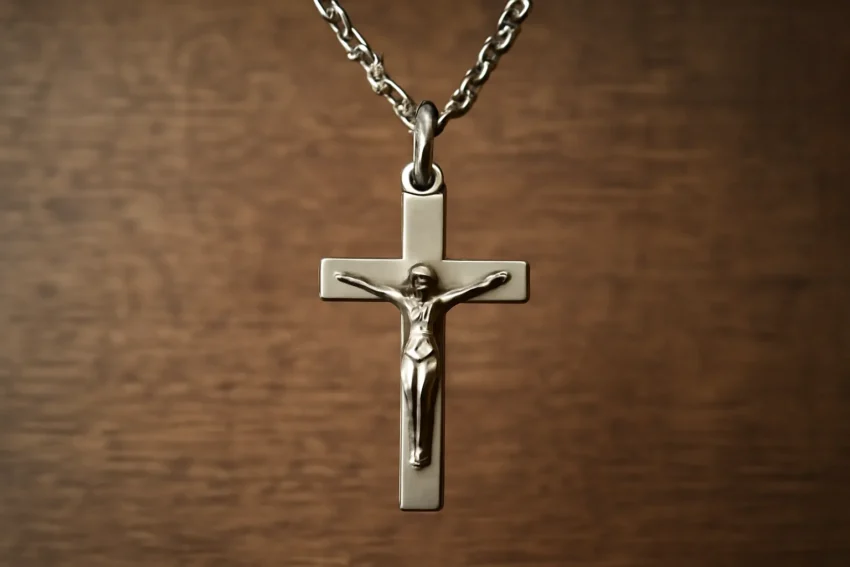
In this comprehensive guide, we explore the world of the Christ chain—a term that fans, jewelers, and believers use to describe a broad family of Christian necklaces and pendants. From timeless cross chains to intricate rosary-inspired designs, the Christ chain is more than a fashion statement. It is a tangible symbol of faith, memory, and personal devotion. Whether you are shopping for yourself, searching for a meaningful gift, or studying the cultural history of Christian jewelry, this ultimate guide will walk you through styles, symbolism, materials, care, and practical tips for choosing the right piece. Throughout this article you will encounter variations on the name—Christian chain, Christ-centered necklace, Jesus chain, and cross chain—all used to describe a spectrum of designs that center on Christian symbolism.
A Christ chain is a necklace or pendant chain that carries Christian imagery or symbolism. In many cases the chain is designed to bear a pendant such as a cross, a crucifix, or a chi-rho emblem, but the chain itself can also be a statement of faith when the pendant is minimal or when the chain bears symbolic motifs within the links. The idea behind a Christian necklace is authenticity of meaning matched with personal style. Some people choose a Christ chain for daily wear, others for special occasions, and many see it as a way to remind themselves of spiritual values, divine protection, or a memory of a loved one.
In secular terms, a cross necklace has become one of the most recognizable forms of jewelry in the modern world. Yet beyond aesthetics, the Christ chain carries layers of symbolism. It can signal belonging to a faith community, act as a personal talisman, or serve as a kinetic reminder of vows, baptisms, confirmation, or other sacraments. Some people also use the term Christ chain to describe a broader category that includes rosary-style strands, meditation beads integrated into a necklace, or chain-based designs that incorporate biblical ichthys symbols, the Chi-Rho monogram, or inscriptions in Latin or Greek. In any variation, the core idea is clearly communicated: a piece of jewelry that centers Christian belief and devotion.
History and symbolism of Christian necklaces
Early symbols and the cross’s evolution
The cross as a symbol has a long arc through history. In the earliest centuries, Christian jewelry often featured discreet symbols that Signaled faith without attracting undue attention. Over time, as Christianity spread and gained patronage, the cross rose to prominence as a public emblem. The medieval period saw craftsmen create more elaborate crucifix designs, often integrating the cross with gemstones, enamel, and intricate metalwork. A Christ chain with a cross pendant became a visual language of faith, ranging from modest, unadorned geometric crosses to large, baroque crucifix pendants that told stories through reliefs and inscriptions.
As trade, artistry, and travel expanded in the Renaissance and beyond, cross-adorned jewelry took on stylistic flavors from different cultures. A cross chain could reflect Gothic, Celtic, or classical motifs, each lending a unique spiritual resonance. Across centuries, the chain itself also evolved—from simple fiber cords and leather thongs to refined metal links designed to last a lifetime. The enduring appeal of the Christ chain lies in its ability to be both a quiet symbol and a bold statement, depending on design and context.
The rosary and the birth of prayer chains
Beyond the single cross pendant, the rosary chain represents one of the most important devotional tools in Christian practice. A rosary necklace pairs beads with a crucifix or medal and a specific sequence of prayers. Over the centuries, makers adapted rosary concepts into everyday jewelry so that pilgrims and believers could carry a tangible reminder of their prayer life wherever they go. In many traditions, the rosary acts as a prayer chain, inviting contemplative moments amid daily routines. While not all Christ chains function as rosaries, the presence of beads alongside a cross or ichthys symbol is a common and meaningful variation.
Modern revival and contemporary symbolism
In the last few decades, Christian jewelry has seen a surge of modern, minimalist, and statement designs. Contemporary designers reinterpret ancient symbols through clean lines, mixed metals, and innovative settings, all while preserving the core message of faith. The result is a wide spectrum—from understated cross pendants on delicate chains to bold, multi-strand Christ chain configurations featuring engraved biblical verses, inscribed dates, or symbolic icons like the Ichthys (the fish symbol) or the Chi-Rho. For many wearers, a modern Jesus chain blends spiritual significance with current fashion, making faith signals accessible in professional, casual, and formal environments.
Styles and designs: what to expect in a christ chain collection
Classic cross chain designs
When people say cross chain, they often imagine a single cross pendant hung from a slim, elegant chain. Classic cross chains are versatile and timeless. Key attributes include:
Minimalist cross pendants on thin cable or curb chains for an everyday look.
Medium-sized crosses with smooth or hammered surfaces that catch the light.
Engraved or text-embellished crosses bearing verses, names, or dates meaningful to the wearer.
Two-tone or mixed metals that pair a gold-toned pendant with a silver chain, or vice versa, for visual contrast.
Cross-chain designs can be gender-neutral, but many manufacturers also tailor sizes and proportions for men’s and women’s preferences. When selecting a classic cross chain, consider the chain thickness, the scale of the pendant, and how the finished piece rests on the chest. The aesthetic goal is to align the pendant’s silhouette with your neck and collarbone line, ensuring the symbol feels balanced and comfortable in daily wear.
Pendant variations: crucifix, ichthys, Chi-Rho, and more
A single pendant can carry a deep reservoir of meaning. Variations you’ll encounter include:
Crucifix pendants that emphasize the crucifixion narrative, often with a three-dimensional figure or raised imagery.
Ichthys or fish symbols representing early Christian identity and faith in Christ.
Chi-Rho pendants featuring the XP monogram—a symbol from the early Church referring to Christ.
Medallion pendants with saints, biblical scenes, or verse inscriptions.
Some pendants are designed to be worn on a longer chain for a more pronounced focal point, while others sit closer to the collarbone for a subtler approach. The choice depends on personal taste, neck length, and the context in which you plan to wear the piece.
Rosary-inspired and prayer-focused chains
For those who prefer a devotional aesthetic, rosary-inspired Christian necklaces blend beadwork with the pendant. Features to expect:
Bead strands that resemble a rosary, sometimes incorporated as the chain itself.
Medals or crucifixes placed at the end of the strand, enabling a practical focal point for prayer.
Occasional studio fingerprints from artisans, such as engravings around the beads or the pendant.
These pieces can serve as a spiritual aid or as a symbol of faith carried as a daily reminder of prayer routines and sacred rituals.
Celtic, Byzantine, and symbol-based cross chains
Celtic crosses, knotwork, and interlaced designs bring a distinctive texture to the Christ chain family. Characteristics include:
Interlaced patterns that symbolize eternity and unity, ideal for those who appreciate intricate metalwork.
Byzantine-style links or motifs that create a bold, substantial look.
Combination pieces—cross pendants paired with additional symbolic marks like doves, lions, or biblical script.
Symbol-rich designs offer layers of meaning beyond simple aesthetics, often resonating with heritage, tradition, or a personal journey of faith.
Materials and craftsmanship: what makes a quality christ chain
Metal choices: gold, silver, and beyond
The material underpins both the look and longevity of a Christian necklace. Common options include:
Gold: yellow gold, white gold, or rose gold in various karats (often 10K, 14K, or 18K). Higher karat gold is softer and more prone to scratches, while lower karat varieties are more durable for everyday wear.
Sterling silver (925) offers bright luster and affordability; it may tarnish and benefit from regular polishing.
Stainless steel provides excellent durability and an edgy, modern look; often used in masculine or minimalist designs.
Titanium and tungsten deliver extreme durability and a contemporary feel, sometimes paired with religious symbols for a modern aesthetic.
Platinum is rare and luxurious, with superior hardness and tarnish resistance but a higher price point.
In many markets, jewelers also offer plated or vermeil options (gold-plated sterling silver or vermeil with a gold layer). While plated pieces can be budget-friendly, they may require more care to preserve the finish over time.
Chain types: structure and feel
The chain itself plays a critical role in the overall appearance and durability of a Christ chain. Common chain types include:
Curb chain: tightly interlocking flat links that lie smoothly against the chest; versatile for many pendant sizes.
Rolo chain: rounded links with a classic, balanced look; often used for lighter, elegant designs.
Figaro chain: a pattern of two or three short links followed by a longer link; stylish and noticeable.
Box chain: square links that create a smooth, boxy silhouette with a high shine; good for newer jewelry wearers seeking a contemporary vibe.
Rope chain: twisted strands that resemble a rope; adds visual texture and a touch of drama.
Mariner chain: thick round links with a nautical feel; rugged and durable, suitable for daily wear.
Wheat or snake chains: sleek, delicate profiles with a refined look, often used for small pendants.
Singapore chain: twisted and braided appearance that creates a sparkly surface under light; great for catching the eye even with subtle pendants.
When selecting a chain type, consider the weight of the pendant, the desired thickness, and how the chain will behave with necklines you wear regularly. A heavy pendant on a fragile chain can lead to undesirable wear or breakage, so pairing the right chain type with pendant weight is essential.
Finishes and craftsmanship
Beyond metal and chain, finishes contribute to the overall impression of a Christ chain.
Polished finish produces a mirror-like shine, enhancing the pendant and chain alike.
Matte or brushed finishes offer a subtle, modern touch and can better hide scratches on daily wear pieces.
Engraved or etched details add a narrative layer—verses, dates, or symbols carved into the pendant or along the chain.
Two-tone or mixed-metal designs juxtapose metal colors for visually striking jewelry that complements other accessories.
Quality craftsmanship is evident in the connection between the pendant and chain, the strength of the jump rings or clasps, and the symmetry of the links. A well-made Christian necklace should feel sturdy in hand and comfortable when worn. If you can, inspect for smooth edges, secure clasps, and uniform link sizing to ensure longevity.
The length of a cross chain or any Christ chain determines how the pendant sits and how easily it can be layered with other necklaces. Typical lengths include:
16–18 inches: sits at or just below the collarbone; ideal for shorter pendants or for layering with a longer necklace.
20–22 inches: falls around the upper chest; classic length for many crossover pendants or modestly sized crosses.
24–26 inches: reaches the upper sternum; good for statement pendants and layered looks where the pendant becomes the centerpiece.
28 inches and longer: drops lower on the chest or chest area, creating bold, fashion-forward layers.
For women, shorter lengths around 16–20 inches are common for delicate styles or petites, while men often favor 20–24 inches for more substantial pendants. However, personal style, neck length, and clothing can influence the best choice. If you’re undecided, starting with a versatile 20–22 inch chain provides a unified fit for many outfits and occasions.
Layering with other pieces
Layering is a popular approach in contemporary Christian jewelry. Here are some practical tips:
Use chains of different thicknesses to avoid crowding; a thin chain layered with a slightly thicker one creates depth without bulk.
Mix metal tones subtly—jewelry combining sterling silver with a gold accent can create a modern, harmonious look when done with intention.
Combine symbolic pieces with simple, secular pieces for a balanced aesthetic that remains respectful to the faith symbolism.
Let the longest chain anchor the look; shorter chains should frame the neckline and collarbone without competing with the pendant.
Layering works well for those who wear multiple necklaces daily or for those who want to mark different moments—such as a cross pendant for daily faith and another token for a special occasion.
Occasions, meanings, and spiritual significance
Everyday faith wear
Many believers choose a Christ chain for daily wear as a quiet reminder of faith, protection, or gratitude. A simple cross pendant on a fine chain can be unobtrusive enough for work, school, or social settings while still delivering a personal message. The key is to select a size and finish that feels comfortable for long-term wear and to ensure the pendant is securely attached to avoid accidental loss.
Sacraments and life milestones
In the context of sacraments such as baptism, first communion, or confirmation, a Christian chain can serve as a meaningful keepsake. Pendants might feature baptismal fonts, saint medals, or verses that commemorate the milestone. Some families choose personalized inscriptions—names, dates, or a short blessing—to accompany the pendant, turning the piece into a family heirloom over generations.
Gifts of faith and remembrance
A Christ chain can be a thoughtful gift for a friend or family member who is walking a faith journey. The act of giving a pendant can symbolize support, hope, and solidarity. In these contexts, the symbolism of the cross or other Christian emblems can carry additional resonance, turning a piece of jewelry into a tangible expression of care and spiritual encouragement.
Care, maintenance, and longevity
General care guidelines
To preserve the beauty and longevity of a Christ chain, consider routine care tailored to the metal and finish:
Regular cleaning with a soft cloth to remove fingerprints and oils.
Occasional gentle cleaning with warm water and mild soap for metal surfaces; avoid harsh chemicals that can degrade finishes.
Avoid wearing jewelry during activities that could cause abrasion, such as heavy lifting, swimming (chlorine can affect metals), or contact with lotions and perfumes that may tarnish certain finishes.
Store pieces in a soft pouch or separate compartment to prevent scratching between pieces.
Metal-specific care tips
Different materials require different routines. For example:
Sterling silver may tarnish; use a silver polishing cloth or a gentle silver cleaner as needed, and dry thoroughly after cleaning.
Gold pieces generally resist tarnish, but they can scratch. Consider a soft jewelry cloth for maintenance and avoid rough surfaces.
Stainless steel and titanium are highly durable and typically low-maintenance; a light wipe and occasional polish are usually enough.
Platinum offers exceptional durability but may require professional cleaning over time to maintain its luster.
Clasp and connection checks
Periodically inspect clasps, jump rings, and the connection between the pendant and chain. A worn clasp can fail, risking loss of the pendant. If you notice looseness, bent links, or stiff movement, consider a professional repair or a piece replacement. A well-constructed Christ chain should feel secure in daily use and gentle enough to wear without heavy effort.
For many buyers, the ethical dimension is part of the decision process. When evaluating a Christian necklace, consider:
Responsible sourcing of metals, including conflict-free gold and silver from verifiable supply chains.
Artisan craftsmanship and fair labor practices in the production of the piece.
Transparent disclosure of materials, origin, and manufacturing conditions.
Reputable certifications or brand commitments to ethical standards.
Ethical considerations can align with a broader spiritual ethic. For many people, supporting sustainable and just production practices is itself an expression of faith and stewardship.
Respect for symbolism and cultural context
Christian symbols hold sacred meaning for many people. When choosing a cross chain or any Christ chain design, consider the context in which you wear it. A piece that looks ceremonial or devotional can be deeply meaningful in a church setting or during spiritual practices, while others may prefer a more secular, fashion-oriented interpretation. The important thing is to honor the symbolism in a way that feels authentic to you and respectful to other believers who may interpret the symbol differently.
How to wear and style: practical ideas for outfits
Everyday aesthetics
A lightweight cross pendant on a slender chain pairs beautifully with casual outfits. Think a crisp white tee, denim jacket, and sneakers, or a smart-casual look with a blazer. The charm of a Christ chain in daily life is its ability to be both a subtle personal statement and a stylish accessory that complements your wardrobe.
Formal and professional settings
For formal occasions, select a modest chain length and a pendant with a clean silhouette. A refined crucifix necklace in gold or silver can be appropriate for business or formal events when paired with tailored attire. Keep the pendant proportionate to your neckline, ensuring that it sits gracefully without dominating the overall look.
Layered ensembles
Layering is a common fashion approach for contemporary Christian jewelry. A delicate chain with a small pendant can rest near the neck, while a longer chain with a larger symbol creates a stacked effect. Use different chain textures and metal tones to build a curated, meaningful look that communicates personal beliefs without appearing overly ceremonial.
Careful pairing with other symbols
If you wear multiple symbols, consider balance and visibility. For example, pair a cross with a small heart or a saint medal on separate chains to tell a story about faith, love, and service. The goal is to achieve harmony among symbols rather than visual competition.
Where to buy, how to assess quality, and what to expect
Finding a trustworthy seller
When shopping for a Christ chain, start with established jewelers, reputable brands, or retailers who provide clear material disclosures, return policies, and customer reviews. Look for:
Transparent information about metals, finishes, and chain type.
Clear sizing guides for pendants and chains.
Warranties or guarantees that cover clasp failure or workmanship.
Images that show the piece from multiple angles, including the clasp and pendant attachment.
Quality signals to evaluate
Before purchasing, consider these indicators of good quality:
Secure and well-constructed pendants with robust jump rings and bead connections if applicable.
Even, symmetrical links with no rough edges or poking points on the chain.
Consistent finish across the pendant and chain; no flaking plating or dull patches unless intentionally designed.
Properly sized clasp that’s easy to operate and resistant to accidental opening.
Customization and personalization
For those seeking a deeply personal Christian necklace, customization can be meaningful. Options include:
Engraving a short Bible verse, a name, or a significant date on the back of the pendant.
Choosing a specific symbol (cross, Chi-Rho, ichthys) that resonates with your spiritual journey.
Opting for a mixed-metal design to reflect personal aesthetics or to coordinate with other jewelry.
What is the difference between a crucifix necklace and a plain cross necklace?
A crucifix depicts Jesus on the cross and emphasizes the crucifixion narrative, while a plain cross focuses on the symbol of the Christian faith without the figure of Christ. Some wearers prefer crucifixes for their storytelling aspect; others opt for crosses for simpler symbolism or a more subtle aesthetic.
Are rosary necklaces considered sacred, and can they be worn casually?
Rosary-inspired jewelry carries devotional significance and is often used as a reminder of prayer. Many wear these pieces casually as a personal symbol of faith, while others reserve rosary styles for devotional occasions or special moments. It’s respectful to understand the wearer’s intent and the context in which the piece is worn.
What should I consider when gifting a Christ chain?
Think about the recipient’s taste, the symbolism that matters to them, and practical considerations like chain length and pendant size. A personalized engraving or engraving date can add sentimental value. Also consider the recipient’s lifestyle—durability and maintenance needs vary by metal and design.
How do I care for plated jewelry versus solid metal?
Plated pieces require a bit more care to preserve the finish; avoid abrasive cleaners and excessive friction. Solid gold, silver, or other metals tend to be more durable but may still benefit from regular polishing and proper storage to prevent scratches and tarnish.
Is it appropriate to wear a Christ chain in a religious setting?
In many worship communities, wearing a Christian necklace is perfectly appropriate and may be seen as a personal expression of faith. Some churches or events have dress codes or expectations about modesty; when in doubt, opt for a piece that is respectful, understated, and aligned with the setting.
Conclusion: embracing a christ chain as a personal faith statement
A Christ chain or Christian necklace is more than a decorative item. It is a wearable expression of belief, memory, and identity. From the elegance of a minimalist cross pendant to the rich narratives embedded in rosary-inspired designs and symbol-rich motifs, there is a Christ chain for nearly every taste, occasion, and spiritual intention. When choosing your piece, consider symbolism, craftsmanship, materials, and how the jewelry will integrate into your daily life. Think about length, pendant size, chain type, and maintenance needs to ensure the piece remains vibrant for years to come. Whether you call it a Jesus chain, a cross chain, or a Chi-Rho necklace, the underlying message is consistent: faith carried with you, a reminder of grace, and a personal reminder to live with purpose each day.