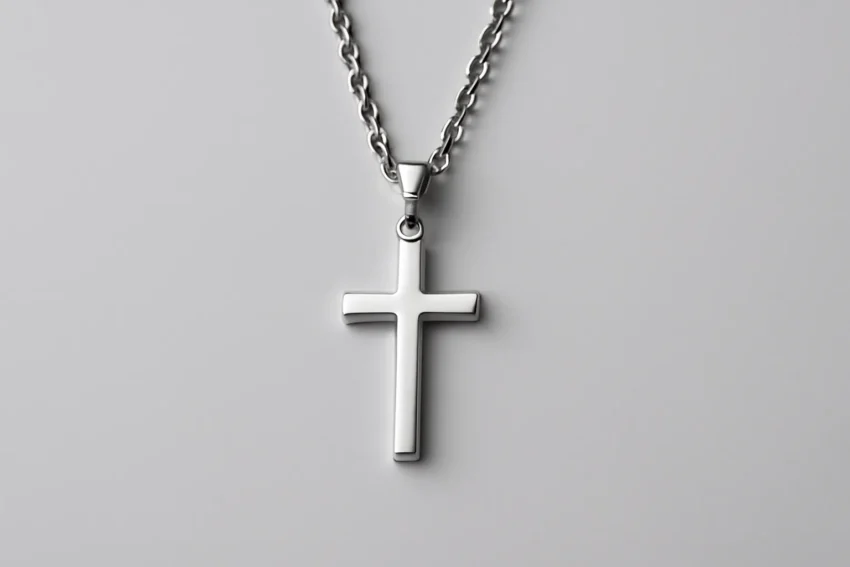
Introduction: The enduring appeal of a chain with the cross
A cross pendant chain is more than a piece of metal and a hanging symbol. It is a wearable fusion of anatomy and meaning: the chain itself carries the weight of a personal or cultural story, while the cross pendant adds a focal point that can convey faith, heritage, fashion nuance, or a simple statement of style. Across centuries and continents, people have worn cross pendants on a variety of chain styles, each chosen to complement the cross’s silhouette, weight, and symbolism. This guide explores the types of chains most commonly paired with cross pendants, the many cross designs, and practical considerations—from material choices to sizing, care, and how to select the perfect pairing for your lifestyle.
Understanding the basic components of a cross pendant chain
Before diving into variations, it helps to understand the core parts you’ll encounter:
Chain or necklace chain: the continuous loop that suspends the pendant. Chains come in a range of thicknesses, textures, and curvatures.
Cross pendant: the decorative element, which can be solid metal, hollow, or adorned with enamel, stones, or engraving. The cross’s shape and weight dictate which clasp or connector works best.
Clasp: the closure that secures the necklace. Common types include lobster claw, spring ring, and toggle clasps. A secure clasp is especially important for heavier crosses.
Jump rings or connectors: small rings that attach the pendant to the chain; the quality and size influence durability and movement.
The fit of a cross pendant chain depends on how these elements interact. A well-chosen chain distributes weight evenly, avoids tangling, and allows the cross to sit comfortably on the chest. The right combination also respects your personal style—whether you favor minimalist modern lines, vintage filigree, or bold jewelry dramatics.
Cross pendant chain varieties: chain styles that shine with a cross
The association between a cross pendant and a chain is not accidental. Each chain style has a distinct character—its texture, shine, and flexibility can alter how the cross reads visually. Here are the most popular chain styles used for cross pendants, along with practical notes to help you choose.
Figaro chain
The Figaro chain features a pattern of two or three small links followed by a longer link. This rhythmic design creates a subtle visual interest that complements medium to larger crosses. It sits comfortably on the collarbone, making it a versatile choice for everyday wear and dressier occasions alike.
Box chain
A box chain is comprised of square links that form a smooth, square edge. Its clean, reflective surface makes it an excellent match for glossier cross pendants. The box chain is sturdy and holds its shape well, which reduces the risk of kinks—good for those who lead an active lifestyle.
Cable chain
The classic cable chain is a simple, circular-link chain that offers outstanding durability and flexibility. It is a safe, reliable option for almost any cross size, from delicate to bold. The cable chain’s understated profile lets the cross pendant take center stage.
Rope chain
The rope chain twists along its length, creating a textured, interwoven appearance. This chain type catches light in a way that adds a sense of movement to the cross pendant. It works particularly well with slightly heavier crosses, because the twist distributes weight nicely.
A curb chain features uniformly sized, interlocking links that lay flat and align neatly. It’s a classic, masculine option that pairs well with both traditional and modern cross pendants. The solid appearance makes it a preferred choice for statement crosses.
Mariner chain
Inspired by nautical chains, the mariner chain uses interlocking links that resemble the rigging found on ships. It provides a robust look with substantial presence, particularly effective when the cross pendant is bold or oversized.
Wheat chain
The wheat chain has a braided, slender profile with high flexibility and a breathable surface. It’s an elegant option for lighter crosses or for wear with a suit or formal attire. The chain’s delicacy places focus on the cross itself.
A snake chain has a smooth, rounded surface formed by tightly connected ringlets. It glides gracefully on the skin and offers a contemporary, sleek aesthetic. Best paired with streamlined, minimalist crosses.
Herringbone chain
The herringbone chain provides a distinctive, flat, zig-zag surface that gleams with light. It is eye-catching and can elevate a modest cross into a luminous focal point—though it can kink if handled roughly, so care is essential.
Ball chain
The ball chain consists of small spherical beads linked together. It’s casual, comfortable, and often used with simpler, smaller crosses. It has a modern, almost utilitarian vibe, making it suitable for everyday wear.
Other notable variants
Satellite chain: a delicate chain with tiny, evenly spaced beads along a fine chain, offering a subtle shimmer for smaller crosses.
Flat curb or Franco chain: a denser alternative to classic curb, with a slightly flattened profile that suits heavier crosses.
Cinquefoil or decorative chains: chain designs with added texture or filigree elements that can pair with ornate crosses.
Cross pendant variations: find the right cross to express meaning and style
Cross pendants come in many shapes and meanings. The design of the cross can influence not only aesthetics but also what chain texture, weight, and clasp are most appropriate.
Latin cross
The Latin cross is the most recognizable Christian symbol: a longer vertical arm with a shorter crossbar. It pairs well with most chain styles, but its classic silhouette is especially harmonious with simple, clean chains like box or cable chains.
The Celtic cross blends knotwork and symbolism. It often features a ring crossing the arms, which can add weight and presence to the pendant. Choose chains that can support more weight, such as curb, box, or heavier rope chains.
Orthodox cross
The Orthodox cross (often with additional transverse bars) presents a distinct silhouette. It pairs well with mid-weight verses and chains like mariner or cable, offering balance between traditional symbolism and modern wearability.
Crucifix
A crucifix includes a representation of Jesus and carries strong faith-based meaning for many wearers. Given its narrative weight, many people opt for a sturdy chain, such as cuban, link or robust figaro styles that can support a heavier pendant.
Greek cross
The Greek cross has arms of equal length. Its geometric symmetry looks striking on minimalist chains, particularly snake or herringbone styles, which highlight the cross’s clean lines.
Minimalist vs ornate crosses
A minimal cross pendant tends to be best showcased on delicate chains such as wheat or satellite styles, allowing the pendant to shine without competing with a busy chain. An ornate cross, perhaps with filigree or gemstones, can benefit from stronger chains like box, cable, or Figaro, which provide enough structural support to carry the pendant’s embellishments.
Materials and finishes: choosing metal and treatment for your cross chain
The material of both the chain and the cross pendant influences durability, look, and price. Here are the most common choices and what they bring to your cross pendant chain ensemble.
Sterling silver
Sterling silver is a classic choice for both cross pendants and chains. It offers bright shine, good malleability, and elegant contrast with darker skin tones. Silver chains are generally affordable and work well with Latin and Celtic crosses. Be mindful of tarnish and plan for regular cleaning to maintain maximum shine.
Gold and gold-tone options
Gold (yellow, white, or rose) is a timeless companion for crosses, particularly for more formal or traditional looks. Solid gold is an investment; gold-filled and gold-plated options provide a budget-friendly alternative with decent durability. The choice of chain—such as serpentine, box, or cable—depends on the cross’s weight and the wearer’s daily activities.
Stainless steel and titanium
For a modern, durable, and affordable option, consider stainless steel or titanium. These metals resist corrosion and maintain a bold look. They pair well with bold crosses, including religious or contemporary designs, and are a practical choice for daily wear and active lifestyles.
Black and plated finishes
Black plating (rare gold-tone-black or rhodium plating) can create a dramatic, contemporary appearance. It suits modern cross pendants and tends to pair with Figaro, mariner, or snake chains for a fashion-forward silhouette. Keep in mind that plating can wear with time, revealing the base metal, so occasional re-plating may be needed for long-term use.
Alternatives and blends
Two-tone combinations—gold cross on a silver chain or vice versa—for dramatic contrast.
Gem-encrusted or enamel-filled pendants paired with hardware that won’t snag or break easily.
Natural materials like wood or stone pendants with modern metal chains for eclectic looks (note that these are less common for high-durability needs).
Sizing, length, and how to wear your cross chain well
Getting the right length and proportion is essential. The way a cross pendant sits on the chest changes how it reads. A few practical guidelines can help you choose confidently.
Common lengths and how they affect fit
16–18 inches (40–45 cm): sits at the base of the throat or just at the collarbone. Best for smaller crosses and formal wear where a subtle hint of religious iconography is desired.
20 inches (50 cm): rests near the collarbone. A versatile mid-length for everyday wear and many pendant shapes.
22–24 inches (56–60 cm): falls at the sternum or just below. Ideal for medium-to-large crosses or if you want the pendant to be more prominent.
26 inches and longer (66 cm+): creates a dramatic, statement look. Often paired with larger crosses and casual outfits, or layered with other necklaces for a fashion-forward effect.
Considerations for different necklines and body types
For high necklines, longer chains can create a balanced focal line; for open necklines, moderate lengths keep the cross centered and visible.
People with a longer neck may benefit from slightly longer chains to prevent the pendant from riding too high on the chest.
People with a shorter neck or broader chest may prefer a shorter chain to keep the cross in a visually flattering position on the chest.
Layering and stacking with multiple chains
Layering a cross pendant with other chains can be stylish, but it requires a thoughtful approach:
Choose a dominant chain with a simple cross pendant; add one or two thinner, shorter chains for subtle layering without crowding the focal piece.
Mix textures carefully: pair a smooth snake chain with a delicate cable chain or a light wheat chain to add dimension.
Avoid overloading a single cross pendant with too many competing chains; the cross should remain the star.
Care and maintenance: keeping your cross chain bright and secure
Proper care extends the life of every cross pendant chain, preserves its shine, and protects its structural integrity. Here are practical steps for different materials and finishes.
General maintenance tips
Wipe metal parts with a soft, lint-free cloth after wear to remove oils and moisture.
Store chains individually in soft pouches or jewelry boxes to prevent scratches and tangling.
Avoid contact with harsh chemicals (chlorine, ammonia, strong cleaning agents) that can damage metal and finishes.
For precious metals, consider professional cleaning every 1–2 years to restore luster and inspect connections.
Material-specific care
Sterling silver: wipe with a silver polishing cloth, and store in anti-tarnish pouches. If tarnish appears, a gentle silver polish can restore shine.
Gold, especially solid gold: rare to tarnish, but keep away from abrasive surfaces to avoid scratching; for gold-plated pieces, avoid heavy abrasion that may reveal base metal.
Stainless steel: highly resistant to corrosion. Clean with mild soap and water; dry thoroughly to maintain luster.
Titanium: durable and lightweight; clean with warm soapy water and a soft brush if needed.
Occasions, symbolism, and gifting ideas
The cross pendant chain holds significance that can vary by culture, faith, and personal history. Here are ideas for selecting a chain to suit different occasions and meanings.
Everyday wear and personal expression
For daily wear, a lightweight cross on a cable or box chain is popular. These combinations balance durability with a clean aesthetic that goes with everything from t-shirts to office attire.
Religious holidays and meaningful milestones
For holidays such as Easter, confirmations, or baptisms, a more refined or heirloom-level chain may be preferred. A classic gold or silver cross on a balanced chain like figaro or cable can become a cherished keepsake.
Gifting for loved ones
When gifting, consider the recipient’s lifestyle. An active person might appreciate a robust mariner or curb chain with a durable cross. Someone with a modern wardrobe may enjoy a sleek snake chain with a minimalist cross for a contemporary look.
Special design collaborations and customizations
For those seeking a unique piece, consider custom pendants and bespoke chain lengths, perhaps etched inscriptions on the cross or a personalized engraving along the clasp. A custom piece can be created to reflect a personal narrative or family heritage.
Buying guide: what to look for when selecting a cross pendant chain
Whether shopping online or in a brick-and-mortar store, certain features help ensure you get a piece you’ll love for years. Here is a practical checklist.
Quality and construction
Examine the clasp—it should close securely with a smooth release. Test the jump rings that attach the pendant to ensure they don’t wobble or feel loose.
Inspect chain links for uniformity in size and shape; misaligned links can snarl or kink and indicate subpar manufacturing.
Look for tension and weight balance: the cross should sit in a natural center position when worn, not tilt forward or slope to one side.
Match cross dimensions (height and width) to chain thickness. A very large cross on a delicate chain will look mismatched and may strain the link junctions.
Consider the weight of the cross; heavier pendants need thicker chains to distribute weight evenly and prevent tugging on the clasp.
Reputable jewelers offer warranties, accurate metal content disclosures, and documented certifications for precious metals. A warranty provides peace of mind in case of wear or manufacture defects.
Be cautious with extremely low prices; extremely cheap pieces may use base metals and poor plating that wear quickly, causing allergies or skin irritation.
Ethical and ethical-sourcing considerations
Look for disclosures about conflict-free metals, responsible mining practices, and sustainable packaging. Many brands share their sourcing policies and third-party certifications to help you make informed choices.
Variations to consider: combining aesthetics with function
The world of cross pendant chains offers almost endless creative possibilities. Here are some conceptual pairings and practical ideas to inspire your next purchase.
Minimal cross on a fine chain for an understated, modern look. Ideal for work environments or layered looks where the cross remains the focal point without overpowering the outfit.
Ornate cross on a chunky chain to create a bold, statement piece. Best for cocktail events or evenings out when you want a conversation starter.
Two-tone combination (for example, a gold cross on a silver chain) to add depth and visual intrigue to your jewelry set.
Layered cross necklace with a longer chain and a shorter chain to achieve a curated, fashion-forward appearance that still centers on the cross symbol.
Special finishes such as brushed metal, hammered textures, or enamel accents on the cross can harmonize with specific chain textures for a cohesive look.
Care myths debunked: what you don’t need to do to maintain a cross pendant chain
It’s common to hear a mix of tips about maintaining jewelry. Here are clarifications to avoid unnecessary risks while keeping your cross chain in top condition.
Don’t over-polish gold or silver to avoid removing the surface patina that some people value as character. Use appropriate cleaning methods for the metal type.
Don’t expose chains to intense heat or saltwater without proper cleaning afterward, especially for plated or delicate finishes.
Avoid wearing in the shower if your jewelry has sensitive finishes or if you’re wearing a complex chain that might kink or snag easily.
Historical context: how the cross and chain have evolved together
The association between the cross and chain has roots in religious practice, symbolism, and fashion evolution. Early Christian symbols were often worn as simple, personal tokens. As jewelry making advanced, artisans experimented with chain textures and cross forms, producing enduring styles that remain relevant today. The cross pendant became a canvas for artisans to express faith, heritage, and identity, while the chain provided durability and a way to transform the cross into a wearable object. Over centuries, as fashion cycles rotated in and out of favor, the cross pendant chain reemerged in new materials, lengths, and silhouettes—always adapting to contemporary aesthetics while preserving the symbol’s meaning for many wearers.
Maintenance routines by chain type: tailoring care to your specific style
Although general care routines apply, some chains deserve tailored attention to ensure longevity. Here are practical care notes by chain type.
Figaro, curb, and mariner chains
These robust chains typically handle daily wear well. Clean with a soft brush and warm soapy water, rinse, and dry completely. For heavier links, check the clasp and jump rings periodically for fatigue. If you notice the links becoming loose or the clasp not closing properly, take the piece to a jeweler for a quick service.
Box and herringbone chains
Because these chains can be more prone to kinking or snagging, inspect them regularly and store them in a padded container to prevent tangling. For herringbone chains, avoid heavy snagging and remove the chain when engaging in vigorous activities that could deform the chain’s flat profile.
Snake and satellite chains
The smooth surface of snake chains benefits from regular polishing to maintain their reflective finish. Keep them away from rough surfaces that can cause micro-scratches. Satellite chains, with tiny beaded details, can capture dirt in the beads; use a soft brush to clean between the beads and rinse thoroughly.
Conclusion: choosing the right cross pendant chain for a lifetime of use
A cross pendant chain is more than a jewelry choice; it is a reflection of personal symbolism, lifestyle, and fashion sensibility. By understanding the range of chain styles, the nuanced differences between cross designs, and the practical considerations surrounding material, length, and care, you can select a combination that feels authentic today and remains meaningful tomorrow. Whether you prefer a delicate, minimalist aesthetic or a bold, statement-making piece, there is a cross pendant chain that can harmonize with your wardrobe, your beliefs, and your life story. Take time to assess your daily activities, your preferred metal and finish, and your desired level of maintenance. When you find the right pairing, the chain and the cross will not merely adorn your chest; they will tell a narrative—one that you carry with confidence wherever you go.