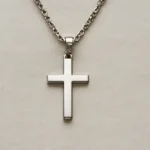
Catholic jewelry offers more than adornment; it serves as a visible reminder of faith, a personal reminder of vows, and a conduit for reflection throughout daily life. Across centuries and cultures, devout Catholics have worn religious jewelry as a way to encounter grace, seek protection, or celebrate the mysteries of the church. This article explores the world of Catholic jewelry, with a particular focus on meaningful necklaces, rosaries, and faith accessories designed to accompany believers in ordinary moments and sacred moments alike. From heirloom medals passed down through generations to contemporary designs that blend tradition with modern aesthetics, the spectrum of Catholic jewelry pieces is rich and varied. Whether you are shopping for yourself, selecting a gift for a loved one, or simply curious about the symbolism behind these objects, this guide will illuminate the thoughtful ways in which devotional jewelry can enrich a life of faith.
Introduction to Catholic Jewelry: Meaning and Tradition
The practice of wearing Catholic devotional jewelry has roots in liturgical life and personal devotion. Early Christians used simple marks, crosses, and symbols as codes of belief and as aids for Christian living. Over time, these symbols evolved into more formal pieces such as medal necklaces, rosaries, and scapular pendants. Today, Catholic jewelry encompasses a broad array of designs—from classic, time-honored medals to modern interpretations that honor a saint or a Marian apparition while remaining suitable for everyday wear.
For many believers, faith accessories are not merely fashion; they are expressions of devotion, reminders of baptismal promises, and invitations to pray. In addition toPersonal devotion, these pieces can carry family history, with grandmother’s rosary beads or a parent’s miraculous medal becoming a shared heirloom. The textual and visual symbolism embedded in these articles—beads, medals, crosses, and icons—guides the wearer toward memory, gratitude, and spiritual focus. This article surveys the landscape of Catholic jewelry—from necklace medals to rosary strands, from saint pendants to sacramental bracelets—and explains how symbolism informs choice, design, and daily practice.
Types of Catholic Jewelry: Necklaces, Rosaries, and Faith Accessories
The categories below describe the most common forms of Catholic jewelry you may encounter or choose for yourself. Each type bears its own meaning and ceremonial use, while many pieces cross the line between devotional object and fashion accessory.
Medal Necklaces and Pendants: Symbols that Speak
Medal necklaces and pendants are among the most enduring forms of Catholic jewelry. A single suspended medal can carry a powerful message—whether it bears the image of the Virgin Mary, a revered saint, or a sacred heart. These pieces often function as daily reminders of patronage, intercession, or gratitude.
Miraculous Medal—One of the most widely recognized Catholic medals, the Miraculous Medal is associated with Saint Catherine Labouré’s visions and the message of Mary’s grace. It is commonly worn as a pendant close to the heart or integrated into a chain necklace.
Saint medals—From Saint Benedict to Saint Francis, medals featuring saints’ images offer intercessory symbolism and personal identification with a particular patronage or spiritual path.
Our Lady of Guadalupe pendant—A nod to the apparitions and an emblem of Mexican Catholic heritage that also emphasizes Mary’s role as Madre and Mediatrix.
Sacred Heart pendants—Representing Jesus’ heart as a symbol of divine love and mercy, these pendants often pair with decorative flames, thorns, or rays to convey a powerful narrative of sacrifice and grace.
When selecting a medal necklace, consider design aesthetics (classical, modern, minimalist, ornate), material quality (sterling silver, gold, or mixed metals), and the intention behind the piece. Some wearers choose medals that correspond to particular devotions—such as the Immaculate Conception or the Holy Family—as daily reminders of the values they strive to live.
Rosaries: Prayer Beads, Prayer Ropes, and Rosary Jewelry
The rosary is a central devotion in Catholic spirituality, and its beads have inspired a wide array of rosary-inspired jewelry. A rosary typically consists of five decades of beads used to recite prayers, with a crucifix and a centerpiece that ties the logo to Mary and Christ. Beyond prayer practice, rosaries have become cherished wearable devotionals that carry spiritual meaning and communal memory.
Classic rosary necklaces—A long chain with a crucifix and five-decade bead sets, designed to be worn as a necklace while still serving as a functional instrument for prayer.
Bracelet rosaries—A compact version of the traditional rosary, intended for daily prayer on the go and typically easier to carry in a pocket or purse.
Statement rosaries—Beads crafted from gemstones, crystals, or wood with decorative elements that align with personal taste while preserving the rosary’s prayerful rhythm.
Travel rosaries—Smaller, portable rosaries designed for pilgrims, travelers, or those who want a discreet option for momentary prayer during a busy day.
The idea of wearing a rosary is deeply rooted in the sense that prayer can accompany the wearer through every moment. For some, a rosary necklace is a personal altar—an outward sign of inward devotion. For others, rosary jewelry functions as a reminder to pause for prayer, gratitude, or intercession during a hectic schedule.
Faith Bracelets and Wrist Accessories
Catholic bracelets and other faith accessories extend devotional symbolism beyond the neckline. These pieces can incorporate beads, charms, or engravings that reflect biblical passages, Marian titles, or saintly patronage. Bracelets provide a comfortable way to keep faith present in daily life, whether worn at work, school, or home.
Beaded bracelets with sacred names or symbols—The beads may be crafted from amber, onyx, or glass, while the charms reflect a devotion such as the Cross, the Chi-Rho, or a Marian icon.
Charm bracelets featuring a curated set of symbols—A crucifix, a dove for the Holy Spirit, a heart for love and mercy, and a little saint pendant to inspire virtue in everyday acts.
Prayer bracelets engraved with short prayers or scripture verses—Designed to be whispered or softly spoken while the wearer adjusts the beads.
When choosing a faith bracelet, consider not only aesthetics but also the ergonomic aspects—comfort, size, and the ease with which the beads slide or twist. For ceremonial moments, a bracelet can be paired with a matching necklace for a coordinated set that underscores a chosen devotion.
Scapulars and Other Sacred Amulets
A scapular is a classic form of Catholic devotional jewelry that originated as a woolen or fabric badge worn under clothing. Today, scapular pendants in metal or enamel variants function as sacramental jewelry meant to remind the wearer of Mary’s protection and the call to a life of prayer and service. Other sacred amulets might include miniature relics, icons, or even stylized engravings of biblical scenes.
Scapular necklaces carry the promise of Mary’s maternal care and a reminder of the spiritual commitments associated with the scapular devotion.
Relic pendants—Small containers or sealed gems containing a relic, intended to support perseverance in faith through the witness of the saints.
Icon pendants—Miniature depictions of biblical narratives or Marian apparitions that invite contemplation and prayer.
Symbolic Meanings Behind Common Catholic Jewelry
The beauty of Catholic jewelry symbolism lies in its layers of meaning. Each symbol—whether a cross, a bead, or a saintly image—conveys a message about God, salvation, and human virtue. Understanding the typical meanings helps wearers choose pieces that align with their spiritual journey and personal devotion.
Cross and crucifix—A universal sign of faith in Christ’s crucifixion and resurrection. A crucifix shows Jesus on the cross and often emphasizes sacrifice and redemption, while a plain cross is a testament to resurrection and hope.
Virgin Mary symbols—Marian icons such as the Our Lady of Guadalupe, the Immaculate Heart, or the Blue Scapular convey maternal protection, intercession, and the call to imitate Mary’s virtues.
Saint medals—Depicting patron saints or events in their lives, these pieces symbolize intercession, guidance, and the Catholic tradition of asking the saints to pray for us.
Miraculous Medal symbolism—The faithful often interpret its inscriptions as a promise of grace through Mary’s intercession and the Church’s fidelity to Christ.
Sacred Heart imagery—Represents Christ’s love and mercy toward humanity, inviting the wearer to show compassion, mercy, and steadfast faith.
Our Lady of Fatima imagery—Often linked with prayers for peace and conversion, especially contact with the message of the Virgin Mary to three shepherd children.
Saint Benedict seal—A powerful Christian protection emblem, historically used to ward off evil and secure spiritual strength, often found on medal pendants and rings.
Crosses from different traditions—Within Catholic jewelry, you may encounter Celtic crosses, Greek crosses, or other stylistic variations that reflect regional devotion and craftsmanship.
For those building a collection of religious jewelry, consider not only the overt symbolism but also the design language—whether it leans toward traditional revival, modern minimalist, or a fusion of sacred imagery with contemporary aesthetics. Each style can communicate a distinct spiritual emphasis while remaining anchored in the same core beliefs.
Materials, Craftsmanship, and Ethical Considerations in Catholic Jewelry
The material and crafting approach to Catholic jewelry significantly affect its durability, value, and symbolic resonance. From precious metals to carefully selected gemstones, the choice of components can reflect personal finances, environmental considerations, and a respect for the artisan’s skill.
Metal types—Gold, sterling silver, rhodium-plated options, and mixed-metal designs provide different price points and visual tones. A faithful wearer might look for solid metals to ensure longevity, especially for daily use.
Bead materials—Rosaries and beaded bracelets use glass, crystal, semi-precious stones, wood, or shell. Each material lends a distinct texture, weight, and color symbolism, which can influence prayer focus and mood during devotion.
Gemstones and minerals—Lapis, carnelian, amethyst, citrine, and other stones are often chosen for their traditional associations (e.g., amethyst for clarity; carnelian for courage). Some stones carry liturgical color symbolism tied to the church year.
Manufacturing ethics—Contemporary buyers increasingly seek ethically produced jewelry, including responsibly sourced metals, conflict-free stones, and fair-trade practices. When possible, inquire about sourcing and the artisan’s working conditions.
Beyond materials, craftsmanship quality matters. Look for secure clasps on necklaces, reinforced bead loops on rosaries, and durable settings for pendants. Well-made pieces are more likely to last through years of prayer and wear, preserving both beauty and spiritual significance.
How to Choose Catholic Jewelry: A Guide to Design, Purpose, and Wear
Choosing a piece of Catholic jewelry should be guided by intention as much as aesthetics. The right piece can deepen devotion, mark a milestone, or symbolize a prayerful commitment. Below are practical steps to help you select jewelry that resonates with your faith journey.
Clarify your purpose—Is the piece intended for daily wear as a reminder of faith, a special occasion, or as a gift with a specific devotion?
Identify symbolic priorities—Do you want Marian imagery, a particular saint, or a universal symbol such as the most sacred cross?
Assess practicality—Consider wearability, durability, and maintenance. Will the piece withstand everyday activities, or will it be worn mainly during liturgical seasons?
Consider personal devotion—A Rosary bracelet or a Saint Benedict pendant may align with your daily prayer routine or patronage needs.
Match with wardrobe and season—Some prefer timeless metal tones (silver or gold) to harmonize with varied outfits, while others select bold beads to reflect personality or liturgical colors.
When choosing Our Lady jewelry, a crucifix necklace, or a saint pendant, think about how the wearer will interact with the piece—whether it’s a constant presence, a focal point during prayer, or a gentle invitation to pause and reflect.
Care, Blessings, and Longevity of Catholic Jewelry
Like any treasured object, devotional jewelry requires care to maintain its beauty and spiritual significance. Cared-for pieces can accompany a person for decades and often become family heirlooms.
Cleaning and maintenance—Metal parts may be cleaned with mild soap and water or with jewelry cleaning solutions appropriate to the material. Beads and cords should be checked for wear, and clasps should be tightened as needed.
Blessing and sacramental grace—Some families have priests bless medals, rosaries, and other sacred pieces, inviting sacramental grace into daily life. A blessing can add a solemn moment of reflection and a sense of divine presence.
Storage and protection—Keep pieces in a soft pouch or lined box to prevent scratches and tangling. Separate precious pieces to avoid contact that could cause wear or discoloration.
The faithful often view blessings of jewelry as a continuation of the church’s sacramental life. While the grace itself comes from God, the physical object can become a tangible focal point for prayer, contemplation, and gratitude. For many, a blessing acts as a spiritual seal—the jewelry becomes an ongoing reminder of a promise, a miracle, or a call to virtue.
Wearing Catholic Jewelry: Daily Life, Sacred Space, and Special Occasions
Wearing Catholic jewelry is a practice that blends reverence with everyday life. The way you wear a piece can reflect the context—whether you are at home, at church, at work, or on a pilgrimage. Each setting offers different degrees of formality and different opportunities for witness and prayer.
Daily wear—Subtle, symbolic pieces such as a simple cross pendant, a small Marian pin, or a delicate saint medal can blend with casual clothing while serving as a quiet remnant of faith throughout the day.
Church or liturgical events—During Mass or prayer services, some may choose more formal or ornate pieces, aligning jewelry with the solemnity of the occasion and the liturgical color of the day.
Pilgrimages and travel—A rosary necklace or travel rosary is a practical companion that fosters prayer during journeys, ensuring a portable spiritual practice.
Gifts and celebrations—Milestone gifts—such as confirmations, anniversaries, or ordinations—often include piece-specific inscriptions or designs that commemorate the occasion and bless the recipient’s continued faith journey.
It’s also important to observe personal discernment about public witness. Catholic jewelry can be a positive invitation to conversation about faith, but it should remain a personal choice that respects the wearer’s comfort and context.
Careful Considerations for Special Catholic Jewelry Collections
For those building a curated collection of religious jewelry, several considerations help ensure that the selection remains meaningful over time.
Theme matching—A collection can center around a single devotion (e.g., Mary, the Sacred Heart), a saintly patronage, or a broader spectrum of symbols such as crosses and medallions.
Cultural diversity—Catholic jewelry exists in many cultural expressions. Intricately carved crosses, enamel Marian icons, or beadwork that reflects regional artistry can celebrate global Catholic identity.
Legacy and gifting—Some pieces are designed to be passed down, with descriptions of the symbolism and care instructions included for future generations.
When you consider heritage jewelry, think about how future owners will connect with the symbolism, how the materials age, and how the piece might be restored or repaired to preserve its sacred meaning.
Frequently Asked Questions about Catholic Jewelry
Below are common questions people ask when exploring devotion through jewelry, along with concise answers to help guide decisions.
What is the most common Catholic jewelry piece? The most common pieces are rosaries, medal necklaces, and cross pendants. Each has a long-standing history in Catholic devotion and practice.
Can Catholic jewelry be worn at church? Yes. In most contexts, wearing religious jewelry is appropriate, especially when the design is modest and respectful. Some parishes may have guidelines for attire during special liturgies, but jewelry generally does not pose a problem.
What should I consider when giving Catholic jewelry as a gift? Consider the recipient’s devotion, preferred style, and whether the piece aligns with their spiritual path. A gift that reflects a saint’s patronage or Marian devotion can be deeply meaningful.
Are there rules about mixing metals or wearing specific colors? There are no universal liturgical rules about wearing multiple metals or color coordination in jewelry, though some colors align with liturgical seasons (e.g., purple for Advent/Lent, white for Easter/Christmas). Personal taste and cultural tradition usually guide choices.
How do I authenticate Marian or saint medals? Look for hallmarks, maker’s marks, and stamps indicating metal quality. Reputable retailers will provide certification or clear provenance for precious metals and gemstones.
Conclusion: The Living Tradition of Catholic Jewelry
Catholic jewelry represents a living bridge between faith and daily life. Its meaningful necklaces, rosaries, and other faith accessories offer a tangible way to carry prayer, gratitude, and intercession with us wherever we go. Whether you choose a classic Miraculous Medal, a rosary bracelet, or a scapular pendant, the act of wearing is more than adornment—it is a practice in remembrance, a personal catechesis in metal and bead, and a quiet invitation to look toward the divine in the ordinary moments of life. In examining the varied forms of Catholic jewelry, from heirloom pieces to contemporary designs, one can appreciate how devotional art can accompany faith formation, nurture devotion, and foster a sense of connectedness to a wider spiritual tradition. The next time you encounter a necklace, rosary, or pendant, consider not only its beauty but the story it tells—a story of faith, family, and the enduring hope that grace accompanies us on every step of our journey.