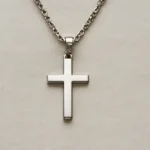
Christian jewellery has long been more than mere decoration. It is an overture of belief, a personal reminder of values, and a way to carry sacred narratives into daily life. From the classic cross pendant that rests near the heart to intricately carved iconic studs inspired by biblical scenes, faith-inspired adornment blends symbolism with style. This article explores the many facets of Christian jewellery, including its historical roots, the meanings behind common motifs, the materials and techniques used by artisans, and practical guidance for choosing pieces that suit different tastes, occasions, and budgets.
Whether you seek a timeless piece for daily wear, a statement item for a special event, or a meaningful gift for a loved one, there is a broad spectrum of options in the world of Christian adornment. In the sections that follow, you will discover the timeless styles that have endured across centuries, as well as contemporary designs that reinterpret traditional symbols for a modern audience. The goal is to help readers understand why certain motifs endure, how to care for precious pieces, and where to shop with confidence, especially when ethical sourcing and craftsmanship are important considerations.
The Enduring Appeal of Christian Jewellery
Adorning oneself with sacred or faith-inspired adornments can be a personal act of devotion, a cultural statement, or a fashion choice grounded in symbolism. The timeless styles of Christian jewellery often share several common qualities:
Symbolic resonance: Motifs such as the cross, fish (ichthys), dove, lamb, or Chi-Rho carry layered meanings that can be interpreted on multiple levels—spiritual, theological, and personal.
Craftsmanship and durability: Many classic pieces are designed to be worn daily, built to withstand time while maintaining visual appeal.
Versatility: Faith-inspired jewelry can accompany formal attire, casual wear, and even work ensembles, enabling wearers to express beliefs in diverse contexts.
Storytelling potential: Engravings, inscriptions, and pendant symbolism invite conversations about faith, gratitude, and remembrance.
Across centuries and continents, Christian jewellery has served as a tactile link to communities, saints, and biblical narratives. The artifacts range from early Christian amulets and medallions to modern, minimalist pendants that satisfy contemporary aesthetics while preserving sacred significance. This continuity demonstrates how faith and fashion can intersect in a respectful, meaningful way.
A Brief History of Religious Adornment
Jewelry worn for faith or devotion has ancestors in ancient and medieval practice, long before the centralized institutions of organized religion. Early Christians sometimes used symbols like the fish (ichthys) as a discreet sign of faith during times of persecution. Over the centuries, religious jewelry evolved as Christian iconography became more standardized and more richly illustrated.
In medieval Europe, reliquaries, rosaries, and pilgrims’ badges reflected a blend of piety, tourism, and veneration. As trade routes widened, artists borrowed motifs from classical and late antique art, resulting in a fusion of stylistic elements. The Reformation, revivals of medieval aesthetics, and the rise of artisanal jewelry production in the 19th and 20th centuries further diversified offerings. Today, there is an expansive ecosystem of Christ-centered jewellery that spans traditional church commissions, handmade devotional pieces, and fashion-forward designs.
The modern market supports a spectrum of expressions—from cross pendants and crucifix necklaces to saint medallions and biblical verse bracelets. The historical arc shows how sacred adornment remains relevant, adaptable, and deeply personal for people of many backgrounds.
Core Symbols and Their Meanings
The language of Christian jewellery is rich and multi-layered. Understanding the core symbols helps buyers select pieces whose meanings align with personal beliefs and the intended message to others.
The cross appears in a multitude of forms, each conveying nuance. A cross pendant sitting on a chain may emphasize faith as a personal daily reminder, while a crucifix—which depicts Jesus on the cross—accentuates sacrifice and redemption. Some pieces use the cross in abstract or geometric designs, which can be less literal but still carry the same core significance.
Practical considerations when selecting a cross-based piece include:
Size and scale for everyday wear versus special occasions
Material choice (gold, silver, stainless steel, or plated options)
Back engraving or inscriptions that personalize the piece
Design detail: openwork, filled silhouettes, or embossed textures
Ichthys (Fish) and Other Early Christian Symbols
The ichthys fish symbol is a discreet emblem of early Christian identity. Jewelry featuring this motif may appeal to those who appreciate understated design and historical depth. Other early symbols include the Chi-Rho (☧), a monogram combining the Greek letters Chi and Rho, which represent Christ. The presence of these signs in modern pieces highlights how ancient language continues to speak to contemporary fashion.
Dove, Lamb, and Sacramental Imagery
The dove often represents the Holy Spirit, peace, and purity, while the lamb evokes Christ as the sacrificial lamb. Jewelry that features these motifs can be devotional without being overtly doctrinal, making them suitable for everyday wear or gifts that celebrate peace and grace.
Saint Medallions and Sacred Icons
Saint pendants and sacred icon jewelry are common in Catholic and Orthodox traditions, though broader Christian communities also appreciate them. These pieces may commemorate a patron saint, miracles, or protective virtues. The design range includes engraved portraits, miniature painted icons, and stylized silhouettes, offering a spectrum from reverent to fashionable.
Materials, Craft, and Care: Making Sacred Adornment Last
The choice of materials and the quality of craftsmanship are central to the longevity and appearance of Christian jewellery. For wearers who value durability and ethical considerations, understanding metals, finishes, and care guidelines is essential.
Metals: Gold, Silver, Platinum, and Alloys
The most common metals in faith-inspired pieces include gold, silver, and platinum. Each material offers a distinct aesthetic and set of care requirements.
Gold (yellow, white, or rose) provides warmth, prestige, and excellent durability, particularly in higher karat ranges. Gold can be alloyed with other metals to increase strength and alter color.
Silver is affordable and versatile, with a bright, reflective surface. Sterling silver is common and may require regular polishing to prevent tarnish.
Platinum is a premium option known for its density and resistance to wear, ideal for heirloom pieces and heavy daily use.
Alloys and plating (like gold-plated or rhodium-plated silver) offer cost-effective alternatives but may require more frequent maintenance to preserve appearance.
Gemstones and Ornamentation
Gemstones are often chosen for symbolic reasons as well as beauty. For example:
Diamonds symbolize purity and eternity
Emeralds carry associations with compassion and healing
Garnets have historical ties to protection and strength
Pearls suggest wisdom and serenity
Semi-precious stones and enamel work are common in religious jewelry, allowing creators to incorporate color symbolism or regional motifs without overwhelming the sacred theme.
Craftsmanship and Techniques
The artistry behind genuine Christian adornment ranges from simple stamping and engraving to elaborate filigree, cloisonné enamel, and micro-pavé setting. Some pieces are handmade in small studios, emphasizing individuality and artisan pride, while others are produced by skilled manufacturers with consistent quality control. In either case, buyers benefit from asking:
Whether the piece is handmade or machine-made
The origin of the metal and stones (provenance and ethical sourcing)
Warranty or guarantee terms
Repair options and lifetime service guarantees
Ethical Sourcing and Sustainability
In today’s market, many consumers prefer ethicalChristian jewellery options. This includes transparent supply chains, conflict-free minerals, and fair-trade practices. Ethical considerations may influence the choice of:
Conflict-free diamonds or synthetic alternatives
Conflict-free or recycled metals
Support for small artisanal studios that pay fair wages
Minimal environmental impact in production processes
Some brands publish traceability details or third-party certifications to reassure buyers about ethical standards. If this matters to you, look for information about sourcing policies, the chain of custody, and any certifications from recognized bodies in the jewelry industry.
Styles for Different Tastes: From Timeless to Modern
The language of Christian jewellery is broad enough to accommodate diverse tastes. Here are some major style families, each with its own appeal and potential uses.
Classic and Timeless: Enduring Elegance
Classic Christian adornment emphasizes clean lines, refined finishes, and symbol-forward designs. Think:
Single cross pendants on delicate chains
Minimalist crucifix necklaces that frame the neckline
Small saint medallions or a cluster of tiny faith-inspired charms
Elegant rosary bracelets or rosary-style beads for a discreet devotional touch
These pieces are designed for everyday wear and are often passed down as heirlooms. Their restrained aesthetic can be layered with other jewelry or worn alone for understated grace.
Minimalist and Contemporary: Subtle Statements
For fans of modern Christian jewellery, designers offer streamlined silhouettes, geometric forms, and sleek finishes. Examples include:
Geometric crosses rendered as negative-space shapes or flat silhouettes
Bracelets with engraved verses or small icons as focal points
Stackable faith-inspired rings featuring single emblem motifs
Icon-inspired earrings that nod to symbols without overt religious imagery
This category suits those who want a piece that looks like fashion jewelry but carries a personal message. It can be an ideal gift for a modest yet meaningful expression of faith.
Vintage and Antique-Inspired: Reverence for the Past
The charm of vintage Christian jewellery lies in the romance of bygone eras. Look for:
Filigree settings reminiscent of early ecclesiastical metalwork
Enamel work with religious scenes, saints, or biblical scenes
Medallions with ornamental borders that echo Baroque or Victorian taste
Religious keepsake pieces like memorial rings with inscriptions
Antique-inspired designs often require extra care and consideration for authenticity and condition, but they offer a unique aura of history and storytelling potential.
Artisanal and Ecclesiastical Revival: Craft as Message
For those who value artistry and symbolism, the ecclesiastical revival movement celebrates religious art through unique materials, hand-carved motifs, and bespoke commissions. Highlights include:
Hand-carved bone or wood inlays combined with metal elements
Carved ivory-toned tagua or bone charms with symbolic inscriptions
Stained enamel narratives that depict biblical scenes in color
Custom shrine-inspired pieces that incorporate tiny relics or devotional relic-like elements (where appropriate and respectful)
This category is for collectors and faith communities seeking distinctive, conversation-driving pieces that honor tradition while supporting contemporary craft.
How to Wear Christian Jewellery: Styling for Everyday Life and Special Occasions
The way you wear your faith-inspired jewellery can reflect your personality, the context, and the message you wish to share. Here are practical tips for various scenarios.
Daily Wear and Layering Strategies
For everyday life, consider pieces that are comfortable, durable, and easy to mix with other items. Suggestions include:
A delicate cross pendant on a fine chain, layered with a simple chain or a birthstone charm
A thin bracelet with a single meaningful symbol or a short prayer inscription
Minimalist ring designs featuring tiny religious motifs or scriptural initials
Neutral or metal-toned palettes that pair well with both casual and business attire
Career and Formal Occasions
In professional settings and formal events, choose items that convey resonance without overpowering your outfit:
Sleek cross necklace on a modest chain, or a medallion pendant with an engraved message
Elegant earrings with symbolic motifs in a subtle finish (matte, brushed, or high-polish)
A refined couple of bracelets with careful spacing to avoid clashing with sleeves
Layered looks that combine one statement piece with smaller accents for balance
Gifting: Meaningful Presents for Milestones
Faith-based jewelry can mark important life events—baptisms, confirmations, weddings, anniversaries, or memorials. When choosing a gift:
Consider the recipient’s taste: do they prefer classic or contemporary styles?
Think about symbolism: which motif best expresses the occasion?
Include a personal note or inscription to elevate the emotional value
If appropriate, select a piece that can be passed down as a family heirloom
Care and Maintenance: Keeping Sacred Jewelry Radiant
Proper care ensures that Christian jewellery continues to shine and endure. Here are practical maintenance guidelines.
General Cleaning Tips
Cleaning methods vary by material, but these general practices help preserve surface luster and structural integrity:
Use a mild soap solution and a soft brush or cloth for gold and silver pieces
Avoid harsh chemicals, especially chlorine-based cleaners, which can damage metals and stones
Polish silver with a dedicated cloth to reduce tarnish, but avoid excessive rubbing on engraved areas
For delicate enamel or gemstone settings, use gentler cleaning or professional servicing
Storage and Wear Tips
Proper storage reduces tangling, scratching, and moisture exposure:
Store pieces individually in soft pouches or lined boxes
Avoid extreme heat or direct sunlight for extended periods
Put on jewelry after applying cosmetics, perfumes, or hairsprays to minimize residue buildup
Inspect clasps and settings regularly to assure secure wear
Repair and Resizing: When to Seek Help
Some repairs are straightforward, while others require a skilled jeweler. Consider:
Resizing rings, which may affect weight and balance if symbolically important
Replacing worn or loose settings to prevent loss of stones
Re-plating or re-finishing pieces that have developed dullness or discoloration
Repairing clasps on necklaces and bracelets to restore secure wear
Shopping Guidance: Finding Ethical, Beautiful Christian Adornment
The journey to acquire faith-inspired jewellery can be rewarding when you approach it with thoughtful criteria. Here are strategies to help you shop with confidence.
What to Look For in a Reputable Retailer
Key indicators of a trustworthy source include:
Transparent product descriptions with material specifications and care instructions
Clear information about the origin of metals and stones
Visible warranties or return policies
Proof of ethical sourcing and, if possible, third-party certifications
Realistic photography and accurate sizing information
If you want a piece that uniquely expresses faith, consider custom Christian jewellery or bespoke devotional pieces. Working with an artisan allows you to:
Choose specific motifs, inscriptions, and metal choices
Incorporate dates, names, or verses meaningful to the wearer
Ensure a design that aligns with personal taste and lifestyle
Christian jewellery comes in a broad price range, reflecting materials, craftsmanship, and brand positioning. Practical budgeting ideas include:
Starting with a smaller, symbolic piece for daily wear
Investing in a quality foundational item (for example, a cross pendant in gold or sterling silver) that can be layered
Exploring ethical or recycled-metal options to maximize value while supporting sustainable practices
Saving for a premium piece with a meaningful inscription or a rare gemstone
Variations in Terminology and Semantic Breadth
In discussing this topic, you will encounter a variety of terms that refer to similar objects. To ensure clarity, here is a quick glossary of terms you might see in catalogs, blogs, or store shelves:
Faith-inspired jewellery — a broad term encompassing any piece that communicates religious faith or values
Religious jewelry — a wider category including non-Christian faith symbols in addition to Christian motifs
Devotional jewellery — jewelry that invites personal prayer, reflection, or devotion
Gospel jewellery — pieces that reference biblical narratives or Gospel themes
Ecclesiastical jewelry — pieces with church-inspired design aesthetics, often more ornate
Iconic jewelry — pieces featuring religious icons or saints
Cross jewelry — a common shorthand for any item centered on a cross motif
Rosary-inspired pieces — jewelry that echoes the rosary’s beads or prayer beads concepts
Conclusion: A World Where Faith Meets Fashion
Christian jewellery invites wearers to merge faith with everyday life in a tangible, personal way. It is not merely about ornamentation; it is about keeping a symbol near the heart, telling a story through a chosen motif, and participating in a long-standing tradition that links believers across time and space. From the understated elegance of minimalist pendants to the elaborate craft of antique-inspired reliquaries, there is a vast spectrum of options designed to honor beliefs while reflecting individual style.
As you explore the world of Christian adornment, consider what the piece will symbolize for you or the recipient, how it will be worn, and what values you want it to communicate. Prioritize authenticity, craftsmanship, and ethical considerations, and you will find pieces that are not only beautiful but meaningful—pieces that faithfully bridge faith and fashion for years to come.