Christian chain jewelry is more than a decorative accessory; it is a wearable symbol that carries meaning, tradition, and personal identity. In this article, we explore the meaning behind the Christian chain, the wide range of styles available, and a comprehensive buying guide to help you choose a piece that is both meaningful and well-made. Whether you are shopping for yourself, selecting a gift, or expanding a collection of cross jewelry, understanding the options, materials, and care requirements will help you make an informed decision. This guide uses a variety of terms—such as cross necklace, crucifix pendant, Jesus chain, and cross chain—to reflect common usage while staying precise about design and meaning.
Meaning and symbolism: what a Christian chain represents
A cross pendant or crucifix necklace is a universal symbol within many Christian traditions, but the way it is worn can communicate different nuances. At its core, the cross represents sacrifice, redemption, and the central narrative of the Christian faith. When someone wears a Christian chain with a cross, they may be signaling a public affirmation of faith, a personal reminder to live by Christian teachings, or a connection to a religious community. The symbolism can be deeply personal, and in some contexts it serves as a conversation starter about spiritual topics.
The crucifix, which depicts Jesus on the cross, adds another layer of meaning for many wearers. For some, the crucifix emphasizes the themes of suffering, salvation, and grace; for others, it is a reminder of Christ’s humanity. A cross with INRI inscription, commonly seen in Catholic and Orthodox traditions, echoes historical iconography and calls attention to the narrative of the Gospel. In Protestant contexts, some prefer a plain cross or a minimal cross pendant to convey simplicity and focus on the resurrection rather than the passion narrative.
Beyond religious symbolism, a Christian chain can also be interpreted as a cultural artifact, a family heirloom, or a piece of personal storytelling. Custom engravings, such as a name, date, or a short scripture verse, turn a standard cross necklace into a uniquely personal item. When you consider meaningful messages conveyed by a chain, think about how the pendant design, the metal choice, and the chain style contribute to the overall statement.
Common styles and variants of Christian chains
The market offers a broad spectrum of styles for the Christian chain, ranging from classic to contemporary. If you encounter terms like cross necklace, crucifix chain, or Jesus pendant chain, you’re seeing variations in where the faith symbol sits, how the pendant is shaped, and how the chain itself is constructed. Below are several major categories and sub-styles you are likely to encounter.
Traditional cross pendant chain
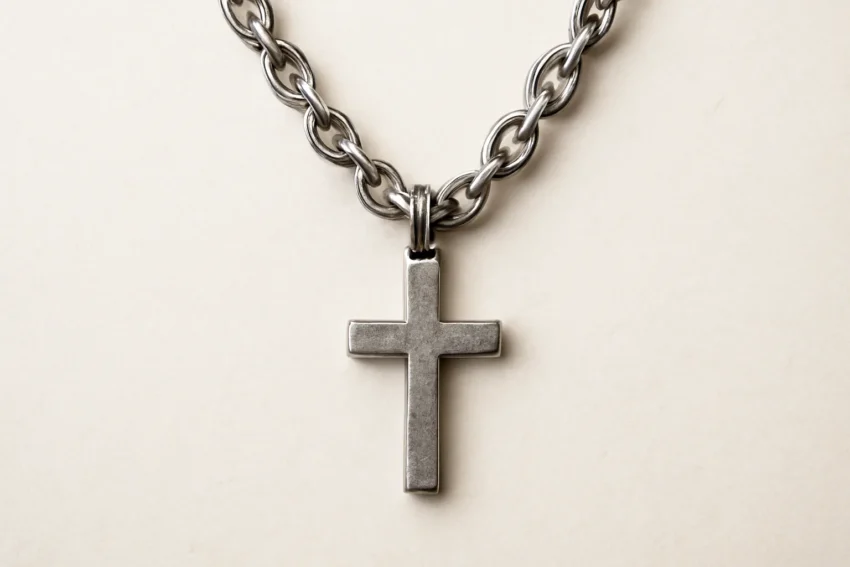
The traditional cross pendant chain features a simple, often symmetrical cross that hangs from a basic link chain. This style prioritizes clarity of the symbol and versatility, making it suitable for daily wear or formal occasions. The pendant shapes can range from classic Latin cross to more geometric interpretations, but the emphasis is on legibility and timelessness.
Crucifix necklace with detailed sculpture
A crucifix necklace tends to present a more three-dimensional depiction of Jesus, with refined relief work that gives texture and depth. Many crucifix designs include decorative elements like coronets, halos, or INRI banners. The detail level can affect price and weight, but a well-crafted crucifix chain remains a powerful embodiment of the sacred narrative.
Minimalist cross chain
For those who prefer a discreet, modern look, the minimalist cross chain offers a slim pendant and a slender chain. Minimalist designs often use clean lines and a polished surface, focusing on shape and negative space rather than ornate ornamentation. This style pairs well with business attire or casual outfits, and it can be a subtle way to express faith.
Three-dimensional or sculpted cross
Some chains feature a three-dimensional cross with raised relief or hollowed contours. These pieces catch light at different angles, which can create a dynamic visual effect. The sculpted cross design is favored by collectors and wearers who appreciate artistry and a sense of depth in the pendant.
Cross with INRI or other inscriptions
A cross pendant with INRI or other engraved inscriptions combines symbolism with textual meaning. The INRI inscription (representing the Latin phrase «Iesus Nazarenus Rex Iudaeorum,» or «Jesus of Nazareth, King of the Jews») ties the jewelry to a classic iconographic tradition. When selecting this style, consider whether the inscription is legible and whether it complements the overall aesthetic of the chain.
Interchangeable or modular cross designs
Some contemporary Christian chains feature modular pendants that can be swapped or adjusted. A modular setup allows a wearer to switch pendants to reflect different seasons, moods, or symbolic focus (for example, a cross pendant for everyday wear and a more elaborate pendant for special occasions).
Beyond the cross, some chains incorporate additional Christian symbols, such as doves, fish (Ichthys), or other biblical motifs, often in small, integrated charms. These blended designs offer a broader devotional language while preserving the core cross motif.
Materials and finishes for Christian chains
The material choices for a cross chain or crucifix necklace influence durability, weight, color, and price. The most common materials include precious metals like gold and silver, along with durable alternatives such as stainless steel and titanium. Each material has its own set of advantages and care requirements.
Gold (yellow, white, or rose) offers classic luxury and permanence. It is ideal for heirloom pieces and formal wear, though it comes with a higher price point. Solid gold pieces are often stamped with a karat rating (e.g., 14k, 18k).
Sterling silver is an affordable, bright option with a timeless feel. Silver can develop a patina over time, which many wearers appreciate as a natural aging process. Protective coatings or rhodium plating can slow tarnish.
Stainless steel provides exceptional durability and a contemporary look. It resists tarnish and corrosion, making it a practical choice for everyday wear and active lifestyles.
Titanium combines lightness with strength and can be hypoallergenic. It’s a good option for those with sensitive skin or metal allergies.
Vermeil refers to a thin layer of gold over sterling silver. It offers the look of gold at a lower price, but requires careful care to avoid premature wear of the plating.
Other metals like palladium, brass, or copper blends may appear in fashion pieces. These are often more affordable but can require more maintenance to preserve color and finish.
Finishes also vary, including polished, matte, brushed, or hammered textures. A polished finish tends to reflect light and present a formal shine, while a matte or brushed finish can give a modern, understated look. Some chains feature a mix of finishes on the pendant and the chain to create visual contrast.
Sizing, fit, and how to wear a Christian chain
A well-chosen chain length and pendant size ensure comfort and visibility without overwhelming the wearer. The right size and fit depend on the wearer’s neck size, shoulder width, wardrobe, and the intended use of the piece—everyday wear, work, or special occasions.
Chain length options typically range from 16 inches (short) to 30 inches (long). Common lengths include 18, 20, and 22 inches. A shorter length keeps the pendant centered at the collarbone, while longer lengths offer a looser, draped appearance.
Pendant size matters for visibility and proportion. A small cross (around 0.6–1 inch) is subtle; a larger cross (1.5–2 inches) makes a stronger statement. For a minimalist look, aim for a pendant that is roughly the same width as the wearer’s finger knuckle.
Chain thickness affects durability and presence. A delicate chain (around 1.0–1.5 mm) looks refined, while thicker chains (2.0–3.0 mm or more) provide scale and durability for heavier pendants.
Proportions should balance the pendant and chain. A heavily sized pendant on a thin chain can feel top-heavy, whereas a large chain on a small pendant may look odd. In general, the chain and pendant should feel harmonious together.
Occasion and wardrobe influence choice. For formal attire, a classic cross pendant on a sleek chain often works best; for casual wear, a minimalist chain or a modern cross design may be ideal.
If you plan to wear a Christian chain daily, consider durability and ease of maintenance. Stainless steel or gold-filled chains offer good longevity, while solid gold or platinum can be a long-term investment. If you want to layer with other necklaces, choose a chain length and pendant size that avoid tangling or crowding.
What to consider when buying: a complete buying guide
A complete buying guide helps you evaluate a cross chain not only on aesthetics but also on craftsmanship, materials, and value. The following steps outline a practical approach to selecting the right piece.
Define your purpose. Are you shopping for daily wear, a special occasion, or a meaningful gift? Your purpose guides the level of detail, material choice, and budget.
Choose the style. Decide whether you want a traditional cross pendant, a crucifix with lifelike details, a minimalist cross, or a mixed-symbol design. Consider how the style complements your wardrobe and personal expression.
Set a budget. Prices vary based on metal, weight, craftsmanship, and brand. Determine a maximum you’re willing to spend and look for options that offer good value within that range.
Select the material. Evaluate the pros and cons of gold, sterling silver, stainless steel, titanium, and vermeil in relation to budget, skin sensitivity, and desired durability.
Assess craftsmanship. Look for clean lines, smooth edges, secure clasps, and properly set pendants. Check for proper alignment of the pendant with the chain, and ensure there is no rough soldering or rough finishes.
Inspect the clasp and chain. A reliable clasp (toggle, lobster, or spring ring) should close securely. The chain links should feel sturdy, not prone to kinking, and have uniform spacing.
Verify weight and comfort. The piece should feel balanced on the neck, not overly heavy or brittle. If you are sensitive to metal, consider nickel-free options and hypoallergenic materials.
Check for hallmarks and certifications. For precious metals, look for karat marks, metal purity stamps (e.g., 925 for sterling silver, 18k for gold), and reputable brand markings. If you buy a fashion piece, look for product descriptions that note materials and finishes clearly.
Review the seller’s reliability. Buy from established retailers, jewelers, or brands with clear return policies, warranties, and customer reviews. Confirm warranty terms for repairs or re-plating if applicable.
Consider customization. If you want engravings, multiple pendants, or a specific length, discuss customization options with the seller. Custom pieces may have longer lead times but can achieve a perfect fit.
When evaluating a Christ-centered chain, also consider the overall message you want to convey. Some buyers prefer a discreet symbol, while others opt for a bold statement. The right piece should feel authentic to the wearer’s faith journey and personal style.
Care, maintenance, and longevity of a Christian chain
Proper care extends the life of a cross necklace and preserves its beauty. Maintenance needs vary by material, but some guidelines apply broadly.
Cleaning: For most metals, use mild soap and warm water with a soft cloth or a soft-bristled brush. Avoid harsh chemicals that can damage finishes. Pat dry before storage.
Polishing: For gold and silver, occasional polishing helps maintain luster. Use a jewelry polishing cloth and follow the grain of the metal. Avoid over-polishing to prevent wearing away plating.
Tarnish care: Sterling silver tarnishes over time; store in a cool, dry place, preferably in a soft pouch or box. Consider anti-tarnish strips for long-term storage.
Plated pieces: Vermeil or gold-plated chains require gentler care, as plating can wear off with abrasion. Limit exposure to water, lotions, and perfumes, and replate when necessary.
Rust and corrosion avoidance: Stainless steel, titanium, and high-quality alloys resist corrosion, but avoid saltwater exposure for certain metals if you don’t intend to seal the finish.
Storage: Store pieces separately to prevent tangling and scratching. Use soft pouches or jewelry boxes with compartments.
Regular professional maintenance can include clasp inspection, solder checks, and re-plating or refinishing. If a chain develops a weak link or a pendant becomes loose, seek a professional jeweler for repair. A well-maintained cross chain can last for decades or even become a cherished heirloom.
Ethical, cultural, and religious considerations
As you select a Christian chain, be mindful of ethical sourcing and cultural respect. Many consumers value responsible practices, including fair labor standards, responsible mining, and transparent supply chains. Look for certifications or supplier statements that indicate ethical sourcing for the metal and for any gemstones, if applicable. In addition, consider local cultural contexts and religious sensitivities. For some communities, the cross carries sacred significance; wearing such symbols with respect and awareness can honor tradition and personal devotion.
The cross, crucifix, and related iconography may have different meanings across Christian denominations and regions. Some wearers prefer a plain cross for its simplicity and universality, while others gravitate toward more ornate crucifix designs that reflect the liturgical or historical context of their faith. When gifting or selecting a cross chain for someone else, paying attention to their denomination, values, and style preferences helps ensure the piece is received with appreciation and reverence.
Buying guide: comparing popular options and deciding what to buy
A thorough evaluation of cross chains involves comparing several practical dimensions beyond appearance. The following checklist helps you weigh options and arrive at a confident decision.
Design intent: Do you want a symbol that’s easily recognizable, or a piece that includes subtle religious motifs? Consider whether you prefer a classic cross, a modern silhouette, or a crucifix with lifelike details.
Metal choice: If you have metal allergies or skin sensitivities, opt for hypoallergenic materials like surgical-grade steel, titanium, or 14k+ gold. For everyday durability and value, stainless steel is a strong choice. If budget and tradition matter, gold remains timeless.
Pendant dimensions: A small pendant reads as understated elegance; a larger pendant makes a bold statement. Balance pendant size with chain thickness for proportionate aesthetics.
Chain style: The chain type matters for durability and feel. Cable chains are versatile; curb and figaro chains offer a more textured look; box chains convey a refined, geometric presence. Consider how the chain’s texture interacts with the pendant’s surface.
Clasp reliability: A secure clasp is essential for daily wear. Lobster clasps are widely favored for their reliability; spring rings are common on lower-cost pieces but may feel less secure over time.
Finish and care demands: Highly polished finishes require more maintenance to keep their shine, while matte or brushed finishes may hide minor scratches better.
Warranty and after-sales support: Look for warranties covering manufacturing defects and information about repair services, re-plating, or resizing if needed.
When you assemble your evaluation, you’ll likely find that the Christian chain you choose reflects a blend of symbolism, fashion, and practical considerations. The right piece resonates with your faith journey, complements your wardrobe, and remains comfortable throughout daily wear.
Care and maintenance: keeping your Christian chain beautiful
Care routines will vary by material and finish, but some universal practices help prolong the life of a cross pendant chain.
Regular cleaning: Wipe the piece with a soft microfiber cloth after wearing to remove oils from skin and cosmetics. For deeper cleaning, use warm water with a mild dish soap; rinse thoroughly and dry completely.
Protect from chemicals: Perfumes, hairsprays, chlorinated water, and cleaning agents can dull finishes or erode plating. Apply jewelry after applying cosmetics and avoid exposing jewelry to harsh chemicals.
Storage: When not in use, store separately in a soft pouch or box to prevent scratches and tangling. For long-term storage, place the piece in a dry, dark environment to minimize tarnish in silver and other reactive metals.
Re-plating and professional care: Plated pieces (including vermeil) may require re-plating after years of wear. Seek professional service for re-plating, cleaning, or repairs to preserve value and aesthetics.
What is the difference between a cross chain and a crucifix chain?
A cross chain generally displays the symbol of the cross, which represents Christianity and salvation. A crucifix chain includes a crucified Christ figure on the pendant, adding a depiction of the Passion. The choice depends on personal devotion, denomination, and the wearer’s taste for symbolism.
What should I consider when shopping for a chain length?
Length often depends on neck size, body proportions, and the desired fit. Shorter lengths (16–18 inches) position the pendant near the collarbone and are commonly worn with dress shirts or t collars. Medium lengths (20–22 inches) sit around the upper chest, while longer lengths (24–30 inches) drape lower, creating layering opportunities with other necklaces.
Are there hypoallergenic options for sensitive skin?
Yes. Materials like titanium, surgical-grade stainless steel, and certain grades of gold (e.g., 14k, 18k) tend to be more skin-friendly. If you have severe metal allergies, verify the absence of nickel and confirm product certifications or lab reports from reputable brands.
How do I know if a cross pendant is authentic or simply fashion jewelry?
Look for transparency about materials, origin, and manufacturing. Authentic pieces often include hallmarks (e.g., purity stamps like 925, 14k, 18k) and documentation about sourcing and craftsmanship. Reputable jewelers provide clear product descriptions, warranties, and after-sales support.
What should I do if my chain gets tangled?
Gentle detangling can often resolve knots. Lay the chain flat and use a pin or needle to loosen knots, working slowly from the pendant toward the clasp. For more complex tangles or valuable pieces, seek professional help rather than forcing the chain apart.
Style and fashion considerations: how to wear a Christian chain with confidence
A cross chain is a versatile accessory that can elevate various looks. Pairing strategies can help you maximize the impact of your piece while staying true to personal style.
Workwear: A minimal, slim cross on a subtle chain can complement a business suit or business-casual attire without overshadowing the outfit.
Casual wear: A longer chain on a clear, simple cross pendant can add a touch of personality to everyday outfits like tees, denim, and sweaters.
Evening or formal events: A refined, polished cross pendant on a high-quality chain pairing with a suit or dress shirt creates a sophisticated look.
Layering: If you enjoy layering, combine a short cross chain with longer, simpler necklaces. Ensure pendants don’t clash or tangle—use clear spacing and compatible metals for cohesion.
Variations you may encounter: semantic breadth for search and understanding
The phrases Christian chain, Christ-centered chain, cross necklace, crucifix pendant, and Jesus chain are often used interchangeably in consumer guides and shop listings. While they describe overlapping concepts, minor distinctions can be useful in shopping:
Christ-centered chain: Emphasizes the personal focus on Christ and faith as central to the wearer’s life. Often used in spiritual or devotional contexts.
Cross necklace: A broad term that typically refers to a necklace featuring a cross pendant, which may be classic or contemporary. It can describe both cross and crucifix designs.
Crucifix pendant: Highlights the representation of Jesus on the cross; commonly associated with Catholic and Orthodox traditions, though used broadly in fashion as well.
Jesus chain: A more casual or colloquial expression for a chain featuring a crucifix or a cross motif, sometimes implying a stronger emphasis on the figure of Christ in the pendant.
Understanding these nuances helps you refine search queries, compare options, and choose a piece that aligns with your faith expression and personal style.
Conclusion: choosing a Christian chain that lasts and lives with you
A Christian chain is more than an accessory; it is a tangible reminder of faith, a family keepsake, and a statement of personal identity. By understanding the meaning, exploring a range of styles, and applying a thoughtful buying guide, you can select a piece that resonates today and remains meaningful tomorrow. Whether you prefer a traditional cross pendant chain with a timeless silhouette or a contemporary minimalist cross that fits your modern wardrobe, the right chain is out there—ready to accompany you through daily life, worship, and the moments that matter most.
If you’re ready to take the next step, revisit your priorities: the symbol that speaks to you, the metal that fits your lifestyle, and the finish that suits your maintenance preferences. The journey to a truly expressive Christian chain starts with a clear sense of meaning, a thoughtful eye for design, and a commitment to quality and care.