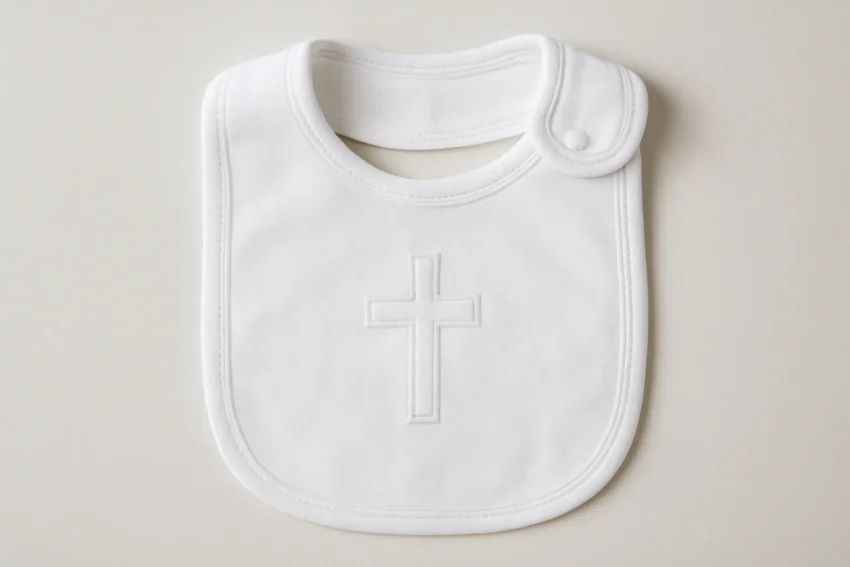
Introduction: Why a Baptism Bib Matters in Baby Baptisms
When families prepare for a sacred moment like a baptism or christening, every detail can feel important — from the gown or suit to the choosing of a baptism bib or baptismal bib. A bib designed for this ceremony is more than just a practical accessory; it can be a keepsake that marks a milestone, protects delicate outfits, and adds a sense of tradition to the day. Whether you call it a Christening bib, a baby baptism bib, or a simple baptism cloth with a bib style, the right option can enhance the moment and endure as part of your family history.
This guide explores how to choose the best bib for infant baptisms, including the different varieties available, materials to consider, care instructions, and practical tips for matching the bib with the baby’s outfit and the ceremony’s tone. By understanding the breadth of options — from classic cotton bibs to heirloom crochet pieces — you can select a bib that is not only functional on the day but also meaningful for years to come.
What is a Baptism Bib and Why It Matters
A baptism bib is a specially designed bib worn or carried by the infant during the baptism ceremony or the preparation and post-ceremony moments. It serves several purposes:
Protection: Keeps the ceremonial gown or christening dress clean from spit-up, tears, or accidental spills during the processional or photo sessions.
Symbolic gesture: Many families view the bib as part of the ritual, a tangible item that accompanies the infant through a pivotal spiritual moment.
Practicality: In events where the baptismal gown is long or suffers from delicate fabrics, a bib helps prevent staining around the neck area and chest during the blessing.
Heirloom potential: A bib can become a cherished keepsake to pass down to future generations, especially if it is handcrafted or monogrammed.
Because this item can range from functional to ceremonial, it is common to see a variety of designs. Some families opt for a simple, understated bib that blends with the ceremony’s color palette, while others select an ornate or heirloom-quality piece that becomes a treasured family treasure.
Types of Bibs for Baby Baptisms
There are several distinct styles of bibs that parents and godparents may consider for a baptism. Each type has its own advantages, aesthetics, and care requirements. Below is a survey of the most common categories and what to expect with each.
Traditional cotton bibs
The classic cotton baptism bib is a versatile option that suits many outfits. Cotton is soft, breathable, and generally easy to care for. Many traditional bibs feature simple embroidery, monograms, or a small cross motif. They can be:
Plain or lightly embroidered with simple religious symbols.
Machine-washable and durable for repeated use.
Often available in white or ivory, with options for subtle borders in silver or gold tones.
Waterproof or wipeable bibs
A practical choice for babies who drool or who may have milk spills around the neckline. A waterproof-backed bib or wipeable bib keeps the ceremony outfit clean without requiring delicate laundering right away. Features you might see:
Vinyl or PU waterproof backing for spill protection.
Soft outer fabrics (cotton, muslin) for comfort against the skin.
Adjustable closures to fit growing necklines during the ceremony.
Soft terry cloth or bibs with absorbent interiors
For babies who spit up or drool frequently, a terry cloth bib or an interior-absorbent design can be highly practical. These are often paired with decorative elements to keep ceremony aesthetics intact.
Decorative or heirloom christening bibs
Some families select a bib that is designed to be decorative on the day and kept as an heirloom. Characteristics often include:
Delicate embroidery, lace, or satin elements.
Ribbon ties, satin borders, or tiny pearls or beads as accents.
Delicately stitched crosses or religious symbols as focal motifs.
A hand-crafted bib, especially in a delicate crochet or knitted pattern, can be a meaningful, personal choice. These pieces are frequently custom-made to match the family’s color scheme or to feature initials and dates.
Monogrammed or personalized bibs
Personalization is a popular trend for the baptism day. A monogrammed bib may include the baby’s initials or full name and a baptism date. This type of bib adds a sense of ceremony and can become a treasured keepsake.
Materials: What Should You Look For
The material of a baptism bib influences comfort, care, durability, and the overall look. Here are common materials and what they offer.
Cotton and muslin
Natural fibers like cotton and muslin are favored for everyday bibs due to softness, breathability, and ease of washing. For a baptismal bib, cotton can be:
Lightweight and comfortable against delicate baby skin.
Easy to embroider with a tiny motif, name, or date.
Widely available in a range of colors, especially white, ivory, or pastel tones.
Satin, silk, and lace accents
For an elevated aesthetic, bibs with satin, silk, or lace accents can be stunning when coordinated with a ceremony outfit. Be mindful that silk and lace may require more careful handling and cleaning.
Bamboo and other modern textiles
Some contemporary baptism bibs utilize bamboo fabric or other eco-friendly blends. These materials can be exceptionally soft, moisture-wicking, and sustainable, which appeals to families seeking environmentally conscious options.
Backings and linings
The backing material is important for protection and comfort. A bib that features a soft cotton or fleece backing combined with a waterproof outer layer can offer both snugness and spill resistance.
Sizing, Fit, and Comfort
The right size ensures the bib stays in place during the ceremony and doesn’t irritate the baby. Consider the following when selecting size and fit.
General sizing guidelines
Newborn to 3 months: ultra-small to small bibs with soft closures.
3 to 6 months: standard infant sizes with adjustable ties or snaps.
6 to 12 months: larger bibs with longer ties to accommodate growth and easier fastening.
Closure types
Choose a bib with a closure that is secure but gentle on sensitive skin. Options include:
Snap closures that are easy to fasten with one hand.
Velcro fastenings for quick adjustments (careful with snagging fabrics).
Soft ties or ribbon ties that can be adjusted for comfort.
Neck comfort and circumference
A bib should sit comfortably around the infant’s neck without constriction. Measure the neck circumference of the baby or consult product size charts. If the ceremony involves a long processional or family photographs, consider a bib with a slightly looser fit to prevent rubbing or chafing.
Design and Aesthetic Considerations
The visual design of the bib should harmonize with the outfit and the overall theme of the baptism. Here are elements to weigh.
Color palettes and symbolism
Traditional baptism colors include white or ivory to symbolize purity. Some families incorporate subtle accent colors — pale blues, pinks, or metallic trims. When choosing a baptism bib color, consider:
Outfit color and fabric texture.
Seasonal considerations (winter whites vs. spring ivory with pastel accents).
Cultural or religious symbolism associated with color in your tradition.
Embellishments and motifs
Common motifs on bibs for baptisms include:
Crosses, doves, angels, or lilies.
Monograms, birthdates, and baby names.
Delicate embroidery or lace trim that enhances elegance without overpowering the dress.
Coordination with the baptism outfit
The goal is a cohesive look. Consider these pairing strategies:
Match the bib’s embroidery thread to the gown’s trim or the christening gown’s lace.
Choose a bib that complements the gown’s base color and texture rather than competing for attention.
If the gown is highly detailed, opt for a simpler bib to avoid visual clutter.
Seasonal and cultural variations
Some families adapt bib choices to reflect the season or cultural context. For example:
Winter ceremonies may favor heavier fabrics with satin accents and subtle embroidery.
Summer ceremonies might lean toward lightweight cotton with light embroidery or a breathable backing.
Traditional or regional attire may inspire specific motifs or color pairings in the bib design.
Care, Durability, and Longevity
How you care for a baptism bib affects its appearance and usability across years. Here are care guidelines and considerations for durability.
Documentation—keep a small note about the baptism date and family members who wore or used the bib to enhance its sentimental value.
Safety and Practicalities
Safety is paramount when selecting any baby accessory. Here are considerations to ensure comfort without compromising safety.
Non-toxic materials and finishes
Look for bibs made with non-toxic dyes and fabrics that are free from harmful chemicals. If the bib features metallic threads or beads, confirm they are securely attached and appropriate for babies.
Choking and snag hazards
Avoid bibs with small detachable parts, decorative beads, or loose ribbons that could pose a choking hazard. For newborns or infants who mouth everything, opt for bibs with simple designs and securely affixed decorations.
Laundry safety during and after the ceremony
Ensure the bib is easy to wash after the ceremony. A bib with machine-washable fabrics and a simple care label can be cleaned quickly so that the gown or suit remains pristine for family photos.
Budget, Value, and Where to Shop
The cost of a baptism bib can vary widely based on materials, craftsmanship, and personalization. Here are considerations to help you budget wisely and still achieve a beautiful outcome.
Middle-range bibs: higher-quality fabrics, more elaborate embroidery, better finishes, and adjustable closures.
High-end or heirloom bibs: handcrafting, lacework, satin elements, monogramming, and often unique customization.
Value of handmade versus mass-produced
Handmade crochet or knitted christening bibs often carry sentimental value and can be tailored to exact preferences, but may come with longer lead times. Mass-produced bibs offer consistency, quick availability, and lower upfront costs. Consider your priorities:
Customization: Do you want a design with the baby’s initials or a date?
Turnaround time: Do you need the bib urgently for a last-minute ceremony?
Durability: Will you reuse it for siblings or save it as a family heirloom?
DIY options for a personal touch
If you enjoy crafts, you can create a memorable baptism bib yourself. Potential DIY routes include:
Embroidery on plain cotton fabric with the baby’s name and baptism date.
Cross-stitched motifs on a linen bib for a rustic-chic aesthetic.
Crochet or knitted bibs tailored to the baby’s size and color scheme.
Monogramming with a simple embroidery machine or hand-stitching for a refined finish.
Shopping Guide: Where to Buy and How to Choose a Vendor
The market offers a broad spectrum of bib options from retailers, boutiques, and artisans. Here’s how to navigate purchasing decisions.
Online retailers
Shopping online provides access to a wide array of styles, materials, and customization options. When buying online:
Review customer photos and sizing charts carefully.
Check return and exchange policies in case the bib doesn’t fit or match expectations.
Read product descriptions for fabric types and care instructions.
Boutique christening shops and craft studios
Local boutiques and craft studios can offer a curated selection of triumphantly designed bibs, often with the option to customize. Benefits include:
Personal fittings or measurements for a better fit.
Direct communication with the maker about materials and embellishments.
Often higher attention to finish quality and packaging as keepsake-grade items.
Custom orders and personalization
If you want a bib that captures your family’s unique story, a custom baptism bib may be worth the lead time. Customization possibilities include:
Initials, baptism date, and name embroidered on the bib.
Color-matched thread to the ceremony color palette.
Unique motifs or religious symbols aligned with your tradition.
Secondhand considerations
For budget-conscious families or conservation-minded shoppers, secondhand bibs can be an option. If you choose used bibs:
Inspect for wear, loose threads, or potential fabric damage.
Ask about previous cleaning and any treatments that might affect fabric integrity.
Ensure there are no hidden hazards such as loose small decorations.
Maintenance After the Baptism Day
After the ceremony, how you care for and store the bib can extend its life and preserve its beauty for future generations.
Cleaning routine for the post-ceremony bib
Remove any stains promptly and follow care instructions based on material. If the bib is a delicate piece, consider soft hand washing with a mild detergent, then air-drying flat to maintain shape and prevent distortion of embroidery or lace.
Storage and preservation as an heirloom
If you hope to pass the bib down through generations, consider proper storage:
Place the bib in a clean, dry archival box or a breathable fabric bag.
Keep away from direct sunlight to prevent fading of embroidery or dyes.
Include a dated note describing the baptism moment and the family members involved.
Frequently Asked Questions and Myths
Families often wonder about practicalities and traditions surrounding baptism bibs. Here are answers to common questions.
Which bib material is best for sensitive skin?
For babies with sensitive skin, natural fibers like cotton or organic cotton are generally the gentlest options. Look for fabrics labeled as ultra-soft or pre-washed to minimize irritation.
Is a bib necessary for a baptism?
While not strictly required, a bib can be a valuable accessory in protecting the ceremony’s outfit, adding ceremonial significance, and serving as a keepsake. Families who prefer minimalism may opt for a simple, elegant cloth or none at all—there is no universal rule.
Can I use a bib after the baptism for everyday wear?
Some bibs are designed as everyday baby accessories and can be used beyond the ceremony. Heirloom or handcrafted bibs, however, are often treated as part of the family’s heritage and kept separately for display or storage.
Should the bib match the gown or color scheme precisely?
Not necessarily. A bib should harmonize with the gown or outfit, but it can also be intentionally complementary — for example, matching the gown’s lace or embroidery without duplicating the main pattern.
Quick Comparison Checklist: Choosing the Right Baptism Bib
Identify your main goal: protection, ceremony symbolism, or heirloom potential.
Consider the outfit: color, fabric, and level of embellishment.
Choose the material based on skin sensitivity and care preferences.
Decide on a closure type that is easy to fasten and comfortable for the baby.
Set a budget that aligns with your values (practical use vs. heirloom quality).
Check care instructions and laundering requirements before purchase.
Conclusion: Making the Best Choice for Your Baby’s Baptism Bib
Selecting the baptism bib or baptismal bib for your baby’s ceremonial day is about balancing practicality with sentiment. Whether you choose a simple cotton bib with a modest monogram or a lavish, handcrafted crochet christening bib that will be cherished for generations, the right piece can complement the significance of the moment. By considering material, sizing, care, safety, and how the bib fits with the gown and ceremony, you can select a bib that feels right for your family’s tradition and aesthetic.
Remember that there is no single “correct” bib for baptism. The best choice is the one that aligns with your family’s values, the ceremony’s tone, and the memories you wish to create. With thoughtful selection and careful care, your baby’s baptism bib can be more than a practical accessory — it can become a living piece of your family’s history.
Appendix: Common Terminology and Variations
Families often refer to this accessory using several terms. Here is a quick glossary of synonyms and related phrases to help you navigate conversations or product listings.
Baptism bib — a general term used to describe a bib worn or used during baptism ceremonies.
Christening bib — a widely used alternate term, especially in certain regions or cultures.
Baptismal bib — another common variant emphasizing the ceremony context.
Baby christening bib — a phrase used to emphasize the baby’s participation in the rite.
Monogrammed bib — a bib featuring initials or dates, often used for keepsakes.
Heirloom bib — a bib designed with materials and craftsmanship suitable for long-term preservation.