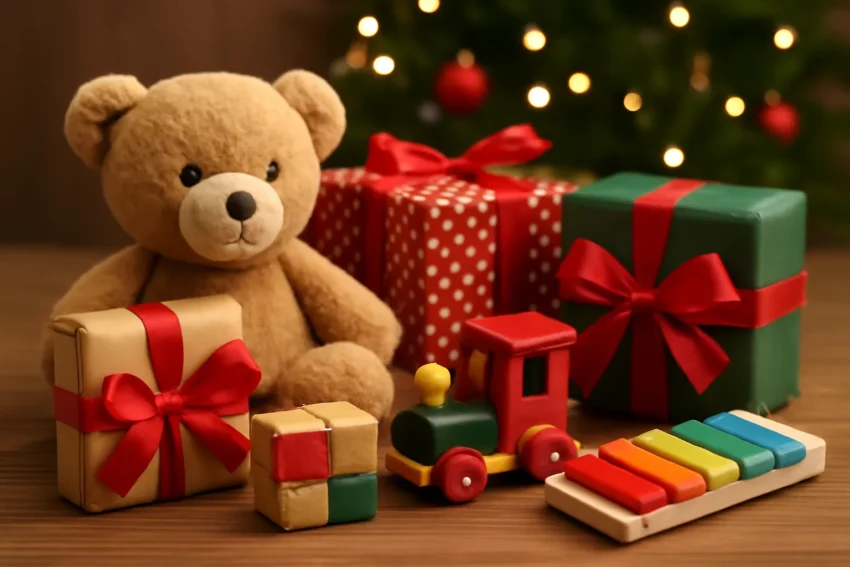
Introduction: A thoughtful approach to childrens christmas gifts
The holiday season is a special time for families, and choosing the right kids’ christmas gifts can spark joy, learning, and lasting memories. The goal of this guide is not merely to list random toys, but to provide a comprehensive, practical resource for every child—across ages, interests, and budgets. Gift selection that blends play, education, and safety helps children grow in confidence, curiosity, and resilience. Whether you are shopping for a preschooler who loves to build, a curious tween who adores science, or a teen who dreams of music and technology, this guide offers structured ideas, planning tips, and concrete product categories to consider.
In the pages that follow, you’ll find age-appropriate gift ideas, suggestions by interest, strategies for budget planning, and safety considerations. We’ll also cover how to balance experience gifts—such as memberships, classes, or trips—with physical items, and how to tailor your choices to your family values, whether you prioritize creativity, STEM learning, inclusivity, or sustainable materials. By the end, you will have a clear framework for selecting educational gifts that are exciting, meaningful, and appropriate for each child on your list.
What makes a great gift for children: guiding principles
Age-appropriateness: A gift should align with the child’s current developmental stage and capabilities, challenging just enough to keep them engaged without causing frustration.
Open-ended play: Toys and tools that invite exploration and multiple uses tend to extend playtime and learning opportunities.
Educational value: Look for gifts that cultivate critical thinking, problem solving, creativity, or literacy skills, even when the child is simply having fun.
Safety and quality: Check for small parts, choking hazards, non-toxic materials, and reliable certifications. Prefer durable, well-made items that withstand enthusiastic play.
Balance of screen time: If you include digital gifts, pair them with tactile, hands-on alternatives and set meaningful boundaries for use and supervision.
Longevity and reuse: Items that can be used over months or years—such as building sets, books, or craft supplies—offer greater value than single-use novelties.
Inclusivity and accessibility: Choose options that accommodate diverse interests, abilities, and backgrounds, so every child can engage meaningfully.
Experiential value: Sometimes a paid experience, class, or membership can surpass a physical gift in fostering skills and confidence.
Gift ideas by age: a framework for childrens christmas gifts that fit development
Below are structured recommendations by approximate age bands. Each section includes quick-start ideas, plus a few examples in popular categories. Adapt the list to the individual child’s temperament, interests, and safety considerations.
0-2 years: early exploration and sensory learning
In this stage, gifts should invite sensory exploration, motor development, and caregiver-child interaction. Choose durable, safe materials with big, easy-to-grasp pieces and simple, cooperative play experiences.
Stimulating sensory toys: sensory balls, textured disks, rattles, and high-contrast boards that encourage tracking and grasping.
Board books and soft books: sturdy pages, bold images, and simple, repetitive text to build language and visual recognition.
Push-and-tull strategies: walkers, push toys, and ride-ons that help with balance and gross motor skills.
Musical games: lightweight shakers, mini xylophones, and drums that encourage rhythm and auditory processing.
Stacking and nesting toys: rings, cups, and blocks that encourage problem solving and spatial awareness.
Practical tips: choose items with rounded edges, avoid small parts, and look for certifications indicating safety for infants and toddlers. These early childrens christmas gifts set the tone for joyful, hands-on learning.
3-5 years: preschoolers with burgeoning independence
At this age, children begin to imitate adult routines, tell stories, and experiment with problem-solving. Gifts should support imaginative play, early literacy, and basic STEM concepts in accessible forms.
Creative play kits: pretend kitchen sets, doctor kits, or tool kits that encourage role play and narrative construction.
Building sets: larger LEGO-style bricks, wooden blocks, magnetic tiles that reinforce geometry and spatial reasoning.
Storybooks with prompts: picture books that invite prediction, recall, and simple inference; add a small plush or figurine to bring stories to life.
Art supplies: washable markers, crayons, large-format paper, and easy-to-use scissors for fine motor practice.
Active play gear: balance bikes, toddler-sized scooters, or soft indoor mats for safe movement and exploration.
6-8 years: curious builders and confident readers
Children in this window typically enjoy hands-on learning, more complex games, and literature that expands their world. They may also begin to show stronger preferences for specific themes, such as space, animals, or construction.
STEM toys: beginner robotics kits, snap circuits, engineering challenges, and chemistry sets designed for beginners.
Books and series: early chapter books, graphic novels, and non-fiction titles about topics they love.
Board games and family games: age-appropriate strategy games that encourage turn-taking, counting, and cooperative play.
Outdoor equipment: kid-friendly bikes, sports gear, or a nature scavenger kit to encourage outdoor activity.
Creative kits: craft kits, clay sets, or sewing projects that build fine motor skills and artistic expression.
9-12 years: independent problem solvers and social contributors
In late childhood, gifts that blend challenge with social engagement tend to resonate. This is a prime window for skill development in areas like programming, design, and team-based play, plus a growing interest in books with more complex plots.
Advanced STEM and maker kits: robotics kits with coding, microcontroller projects, 3D printing basics, and electronics experiments.
Challenging games: complex board games, strategy titles, or puzzle collections that reward strategic thinking and collaboration.
Literature and media: novels with mature themes appropriate for age, poetry collections, or illustrated encyclopedias.
Musical instruments and performance kits: beginner ukulele, keyboard, or drum pad with beginner lessons and practice routines.
Outdoor adventuring gear: beginner cameras for nature photography, compass sets, or camping kits for family trips.
13+ years: teens and pre-teens exploring identity, passions, and independence
For older children, gifts that respect autonomy and cultivate personal interests are especially meaningful. Teen-friendly options can blend learning with self-expression, accountability, and social connection.
Tech and creative production: beginner coding courses, music production gear, graphic design tablets, or photography kits.
Specialty books and series: science non-fiction, historical novels, or contemporary fiction that engages critical thinking.
Experiential gifts: memberships, classes, or experiences (virtual or in-person) aligned with interests like sports, languages, or the arts.
Practical tools for independence: quality backpacks, planners, or basic kitchenware to foster life skills.
Social and community gifts: volunteer experiences, theater tickets, or club subscriptions that connect with peers.
Gift ideas by interest: tailoring children’s christmas gifts to passions
Not every child wants the same thing, and many kids discover a deeper sense of purpose when gifts align with their interests. The following subsections offer targeted ideas by interest area, with a mix of physical items, experiences, and learning opportunities.
STEM and engineering gifts
For children who love how things work, STEM-themed presents can nurture curiosity and problem-solving skills. Prioritize modular kits, programmable devices, and real-world applications that demonstrate cause-and-effect.
Robotics and coding kits: beginner-friendly robots, drag-and-drop coding platforms, and age-appropriate programming challenges.
Engineering sets: building systems such as marble runs, magnetic construction, or classic LEGO-style bricks with complex models.
Science exploration: microscope sets, weather stations, crystal growing kits, or chemistry sets designed for safe home use.
Nature and physics tools: telescope for stargazing, binoculars for birdwatching, or simple machines kits to explore lever, pulley, and wheel concepts.
Creative gifts empower self-expression and resilience. The right set can nurture a lifelong love of making, performing, or storytelling.
Art and craft kits: painting sets, clay modeling, beadwork, and DIY craft projects with clear instructions and safe materials.
Musical instruments: beginner keyboards, ukuleles, small drums, or harmonicas with starter lessons and practice routines.
Literary and storytelling tools: writing journals, story prompts, or a camera for journaling through images.
Theater and performance sets: puppet theaters, costume kits, or shadow-puppet props to spark imaginative performances.
Reading and language development
Books are some of the best long-lasting gifts. They can transport children into new worlds, build empathy, and improve literacy. Combine reading with discussion prompts to deepen engagement.
Picture books and early readers: vibrant illustrations, engaging rhythms, and simple questions to prompt conversation.
Chapter books and series: progressively longer texts that sustain motivation and reading stamina.
Non-fiction and science writing: kid-friendly encyclopedias, biographies of scientists or explorers, and accessible explanations of complex topics.
Reading accessories: a cozy reading nook kit, a reading lamp, or a bookmark set to celebrate completed books.
Outdoor and active play
Fresh air and physical activity are crucial for development. Gifts that promote movement can also support focus and mood.
Ride-ons and bikes: balance bikes for younger kids, or kid-friendly bicycles with helmets for safer riding.
Sports equipment: beginner-friendly gear for soccer, basketball, or swimming essentials that invite regular practice.
Nature exploration kits: bug-catching kits, magnifying glasses, or field journals for documenting discoveries.
Adventure gear: kid-safe telescopes, binoculars, or kites that inspire outdoor exploration.
Imaginative play and dress-up
Imaginative play supports social-emotional growth, language, and executive function. Dress-up sets, animal costumes, and pretend-play accessories offer endless possibilities.
Costume wardrobes: versatile outfits that mix-and-match for storytelling and role play.
Play sets: miniature kitchens, garages, or doctor stations that reflect real-world roles.
Figure and accessory sets: animals, dolls, action figures, and accessories that spark narratives.
Creative play props: cardboard blocks, DIY puppet-making kits, and portable play tents for indoor adventures.
Budgeting and planning for children’s christmas gifts
Thoughtful budgeting helps you maximize value and avoid impulse purchases. The following strategies can stretch your holiday dollars while ensuring meaningful gifts for every child.
Create a gift plan: list each child, their interests, and a rough budget. Group gifts by category to balance experiences with physical items.
Prioritize longevity: invest in high-use items that can be enjoyed for years, such as building sets, bikes, or multi-use art supplies, rather than a single-favorite novelty.
Combine items into bundles: pair a book with related activities, or a science kit with a journal for a multidisciplinary gift.
Look for value bundles: sales, bundles, and subscription services that offer ongoing value and experiences.
Consider experiences: memberships, classes, or passes to museums and zoos can deliver lasting memories beyond a single gift.
Safety first: childrens christmas gifts that are safe and age-appropriate
Safety considerations are essential for every gift, especially around the holiday season when various ages are under one roof. The following guidelines help you choose wisely.
Avoid small parts for younger children: toys intended for toddlers should be free of pieces that could be a choking hazard.
Check certifications: look for safety marks, non-toxic materials, and appropriate age ratings from reputable authorities.
Be mindful of batteries: choose devices with automatic shut-off features, secure battery compartments, and child-safe batteries where applicable.
Quality over quantity: durable materials reduce the risk of breakage and injuries during rough play.
Parental controls and usage limits: digital gifts should include configurable parental controls, screen-time guidelines, and privacy protections.
Eco-friendly and ethical gifting: sustainable choices for children’s christmas gifts
Many families want to minimize environmental impact while maximizing social value. Here are strategies to choose sustainable gifts that still bring excitement and learning.
Choose durable, repairable items: look for brands with replacement parts, easy repairs, and long-lasting construction.
Opt for recycled or responsibly sourced materials: bamboo, FSC-certified wood, and recycled plastics reduce environmental footprints.
Support inclusive and ethical brands: prioritize companies with transparent labor practices and fair wages.
Encourage reuse: gift experiences or subscriptions that provide ongoing value; emphasize re-gifting or rotating gifts among siblings to avoid excess.
Experiences are powerful gift ideas for children that create lasting memories while developing skills. Consider experiences that match the child’s interests and family routines.
Classes and workshops: art, music, coding, dance, or sports lessons that align with the child’s passion.
Memberships: a year-long pass to a museum, science center, zoo, botanical garden, or a nature reserve.
Trips and adventures: local day trips, planetarium visits, or nature hikes with guided exploration.
Volunteer experiences: family volunteering days that teach empathy, community involvement, and social responsibility.
Presentation, wrapping, and abundance: how to present kid’s christmas gifts thoughtfully
Common mistakes to avoid when choosing childrens christmas gifts
Even with the best intentions, shoppers can slip into pitfalls. Here are common missteps and how to avoid them.
Overloading a single gift with low value: avoid stacking cheap, quickly-forgotten items that clutter space.
Ignoring safety warnings: always verify age recommendations and safety advisories for every item.
Focusing only on popular trends: balance trendy items with timeless, educational gifts that retain value beyond the moment.
Disregarding the child’s voice: involve the child in the process where appropriate; adult-led choices can miss what truly excites them.
Putting it all together: a sample plan for a balanced gift list
To help you visualize how this guide translates into a practical plan, here is sample planning for a family with three children aged 3, 7, and 12. Adjust according to your family’s values, budget, and number of recipients.
Child 1 (3 years): a storybook plus plush combination, a set of big-building blocks, and a simple music toy for rhythm exploration.
Child 2 (7 years): a beginner robotics kit, a couple of science experiment volumes, and a board game for family nights.
Child 3 (12 years): a coding kit, a graphic novel or chapter book series, and an experience gift such as a museum membership or a workshop.
Conclusion: the enduring value of thoughtful children’s christmas gifts
Gift-giving during the holidays offers more than momentary delight: it can reinforce curiosity, bolster confidence, and strengthen family bonds. By prioritizing age-appropriate, educational, and high-quality gifts, you empower children to learn while they play, dream, and grow. The ultimate gift guide for every kid is not about the price tag but about the impact—the way a carefully chosen present opens a child’s eyes to new ideas, new possibilities, and new ways to connect with the world around them.
If you keep the principles outlined in this guide in mind—safety, developmental fit, longevity, and values alignment—you’ll navigate the holiday season with confidence and clarity. Remember, the best children’s christmas gifts are those that invite ongoing exploration, celebrate individuality, and, above all, bring joy to the child and the family.