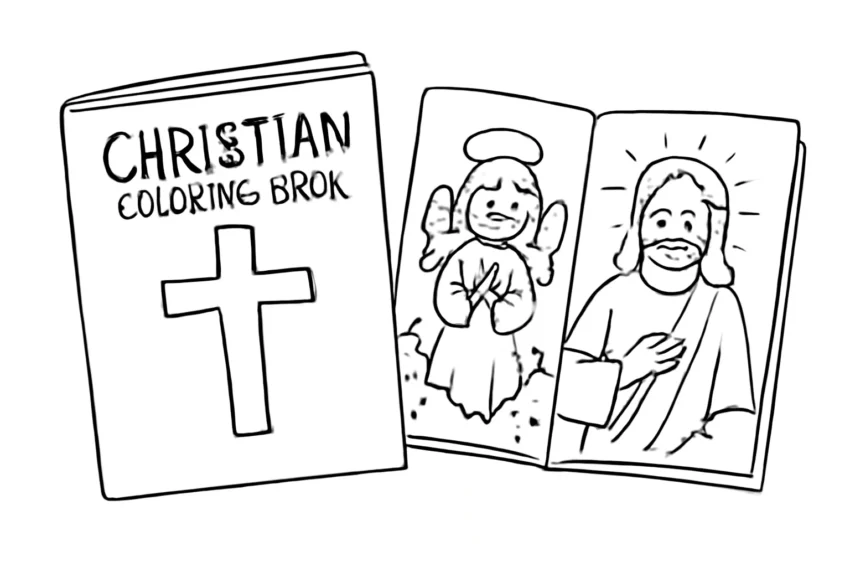
Introduction to Christian Coloring Books: Bible-Inspired Coloring Pages for All Ages
In a world where busy schedules leave little room for quiet reflection, Christian coloring books offer a bridge between creative activity and spiritual practice. These books—often described as Bible-inspired coloring pages—combine art with Scripture, helping readers of every age slow down, meditate, and engage with sacred stories in a hands-on way. While the phrase “coloring book” might evoke images of children’s activities, today’s faith-based coloring resources span a broad spectrum: from simple line drawings for preschoolers to intricate mandalas for adults, all designed to nurture contemplation, memory, and devotion.
The goal of coloring for worship and education is not merely to produce pretty pictures. It is to encourage spiritual formation, reinforce key biblical truths, and provide a tactile pathway to prayer, praise, and study. Whether used at home, in Sunday school, in a youth group, or as a personal devotional aid, Bible-themed coloring pages can transform a moment of coloring into a moment of encounter—with God, with Scripture, and with community.
What Are Bible-Inspired Coloring Pages?
Bible-inspired coloring pages are printed or digital designs that depict biblical scenes, verses, symbols, or themes. The imagery ranges from literal representations of specific stories—such as Creation, Noah’s Ark, or the Feeding of the 5,000—to more symbolic images featuring references to faith, grace, and hope. Many pages include a short scriptural verse or a prompt for reflection, helping readers connect the imagery with a biblical message.
These pages are often designed with accessibility in mind. Some use bold, clear lines suitable for younger children learning to color, while others offer fine details that challenge adult colorists seeking a meditative, artful experience. The designs may be geared toward teaching obscure biblical concepts (like the Hebrew alphabet’s spiritual symbolism) or toward reinforcing familiar stories in a memorable, visual way.
Historical context and Evolution of Bible Coloring Books
The concept of combining art with scripture is ancient, but contemporary Christian coloring books emerged prominently in the late 20th and early 21st centuries as publishers recognized a growing interest in devotional materials that align with a DIY, personal-devotion approach. Early releases focused on simple Bible stories for children; over time, the market diversified to include:
Verse-focused coloring books that pair each page with a single scripture reference.
Adult coloring books featuring more complex patterns, mandalas, and spiritually themed art intended for relaxation and contemplation.
Family-friendly editions that accommodate parents coloring alongside children during shared devotional time.
Holiday-themed titles that explore Advent, Christmas, Lent, Easter, and Pentecost through imagery and reflective prompts.
Curriculum-integrated resources used in Sunday schools or church-based catechesis to reinforce lessons with artistic engagement.
As digital printing and online access matured, printable coloring pages and digital coloring books made these resources widely available, enabling families, teachers, and individuals to print or download pages as needed. The accessibility of online libraries, free resources, and subscription services expanded the reach of faith-based coloring activities beyond traditional bookstores.
Benefits of Using Faith-Based Coloring Books
The practice of coloring Scripture or devotional imagery yields a range of benefits that extend beyond mere creativity. For many readers, coloring pages function as a gentle initiation into spiritual disciplines and a bridge to deeper study.
Mindfulness and focus: Coloring provides a structured activity that can calm the mind, reduce anxiety, and improve attention—useful during personal devotional times or group study.
Memory and comprehension: Reproducing a verse or scene through imagery reinforces recall and helps learners connect visual and textual information.
Prayer and reflection: Pages often incorporate prompts or meditative cues, guiding readers toward prayer, gratitude, confession, or intercession.
Creative expression within faith context: Artistic engagement allows diverse learners to express beliefs in unique ways, honoring different gifts and styles.
Family and community bonding: Coloring together creates shared moments of conversation about faith, values, and Scripture stories.
Accessible theology: Simple, symbolic imagery can convey complex truths about grace, redemption, and God’s character in an approachable format.
Therapeutic value: The combination of repetition, color choice, and quiet focus can support emotional well-being and a sense of God’s presence.
One of the hallmarks of Christian coloring books is their inclusivity. They are designed with a range of ages, abilities, and contexts in mind, from preschoolers to seniors. Below is a quick look at how different groups can benefit:
Children—Color helps with motor skills, attention, and early theology as basic stories are reinforced through visuals.
Tweens and teens—Age-appropriate themes, spiritual questions, and creative challenges can spark deeper conversations about faith and identity.
Adults—Complex designs, devotionals, and scripture cross-references support contemplative practice and stress relief.
Families—Shared devotional time with a tangible activity can foster intergenerational dialogue about beliefs and values.
Individuals with special needs—Clear lines, larger prints, and simpler layouts can provide accessible engagement with sacred themes.
Seniors—Calming tasks, memory cues, and prayerful focus can support reminiscence, faith recall, and a sense of purpose.
Variations and Subgenres of Christian Coloring Books
The market features a rich diversity of formats and themes. Here are some prominent subgenres and what makes them distinctive.
Bible Story Coloring Books
These titles retell well-known bible stories through scenes ready to color. You’ll encounter pages dedicated to Creation, Noah’s Ark, Moses and the Exodus, David and Goliath, Daniel in the Lion’s Den, the Nativity, and more. They often pair a short caption with the artwork, followed by a suggested prayer or reflection.
Verse-by-Verse Coloring Books
Each page centers on a specific scripture passage, with imagery that captures the meaning of the verse. Readers color the illustration while meditating on the text. These books can serve as structured devotional aids, especially for those who prefer to reflect deeply on a single verse at a time.
Prayer and Devotional Coloring Books
In addition to line art, these titles emphasize prayer prompts, meditative prompts, and devotional reflections. The coloring experience becomes a walking meditation—coloring as a prelude to prayer or as a physical reminder of spiritual petitions and thanksgiving.
Gospel-Themed Coloring Books
Focusing on the life and teachings of Jesus, these books explore key gospel episodes, parables, and miracles. Artwork often highlights the compassionate actions of Christ, bringing biblical accounts to life through expression, light, and symbolism.
Holiday and Seasonal Coloring Books
Advent calendars, Christmas scripts, Lent meditations, Easter scenes, Pentecost symbols, and other seasonal titles help families and congregations mark the liturgical year with color and contemplation.
Bible Characters and Parables Coloring Books
This subgenre highlights individual figures, such as Abraham, Esther, Paul, Ruth, Peter, and the Good Samaritan, along with parables that illustrate practical faith. Pages may invite readers to explore character virtues, choices, and consequences.
Coloring Journals and Scripture Journals
These hybrid resources combine coloring with journaling spaces. Readers color a page, then write prayer requests, insights from the text, or personal reflections in adjacent prompts—creating a personal devotional record.
Inclusive and Accessible Formats
Some titles emphasize accessibility for people with visual impairment, dyslexia-friendly fonts, or simplified designs for those with motor challenges. Others incorporate braille-friendly formats or audio-assisted features for a multisensory devotional experience.
Choosing the Right Bible-Inspired Coloring Pages
Selecting the most suitable coloring book depends on goals, age, setting, and preferences. Here are practical criteria to consider.
Audience and age level: Choose designs that match the developmental stage and interests of the user. For young children, look for large shapes and simple lines. For adults, seek intricate patterns and meaningful thematic content.
Theological alignment: Ensure the material reflects your tradition’s approach to Scripture and worship. Some books emphasize contemplative prayer, while others lean into narrative storytelling or doctrinal teaching.
Content quality and accuracy: Look for pages that faithfully depict biblical events, terminology, and symbols. Reputable publishers often provide a brief note about interpretation or inspiration.
Artwork style and tone: Some readers prefer whimsical or friendly drawings; others favor classic, reverent, or contemporary art. The tone should support the intended devotional mood.
Materials and formats: Consider print quality, paper thickness, and whether the pages are designed for pencils, markers, or watercolor. For digital users, check printability options and file formats.
Supplementary features: Prompts for reflection, prayer, or memory verses can significantly enhance the devotional value. Some titles include additional resources like questions for discussion or family activities.
How to Use Coloring Pages in Education and Spiritual Practice
The utility of Bible-inspired coloring pages spans home, church, and classroom settings. Here are several effective approaches to using these resources.
Family devotional time: Set aside a regular slot for coloring a page together, then discuss the verse or story, sharing insights and prayers as a family.
Sunday school and youth groups: Use coloring pages as a preparatory activity to review a Bible lesson or as a reflective center during class breaks.
Memory verse reinforcement: Pair a verse with a page that visually captures its meaning to improve recall and understanding.
Prayer corners and retreats: Create a calm space where participants color while praying or meditating on spiritual themes.
Therapeutic and counseling settings: Coloring can serve as a non-threatening way to discuss fears, hopes, and gratitude within a faith context.
Small group Bible studies: Use the coloring pages to anchor discussion, inviting participants to reflect on how the imagery relates to the scripture’s message.
Creative Approaches and Activities to Accompany Coloring Pages
Coloring pages can be enhanced with simple, related activities that deepen engagement and learning. Consider these ideas:
Verse callouts: After coloring, write out the chosen verse in a decorative font on the page margins to create a personal keepsake.
Color-symbol mapping: Create a legend that assigns colors to themes (e.g., blue for faith, green for growth, gold for grace) to encourage symbolic thinking.
Cross-curricular connections: For older students, tie verses to art history, geography (where events took place), or music (psalms and hymns).
Artistic extensions: Add collage elements, watercolor washes, or ink details to go beyond the line art while preserving the page’s spiritual focus.
Reflection prompts: Include short questions or prompts about how the story or verse speaks to current life circumstances.
Accessibility, Inclusion, and Diverse Uses
Designing and selecting Christian coloring resources with accessibility in mind broadens participation. Some considerations:
Varied line weight and contrast: Bold outlines support readability for younger children and readers with visual challenges.
Simple versus complex layouts: Offer a range of pages in a single resource so families can adapt to abilities and time constraints.
Non-toxic materials and safe inks: For younger users, materials should be child-safe, encouraging an unhurried, worry-free coloring experience.
Language accessibility: Include captions and prompts in clear, straightforward language suitable for diverse readers.
Production Quality and Materials: What to Look For
When purchasing or producing Bible-inspired coloring pages, consider the quality and suitability of materials. Here are practical pointers:
Paper thickness: Heavier paper reduces bleed-through when using markers or wet media. For pencil coloring, thinner paper may be adequate.
Line clarity: High-contrast, crisp lines help color stay within bounds, especially for beginners.
Page layout: Single-page designs vs. two-page spreads—choose based on how the user will display or store the pages.
Binding and printability: For printable resources, choose formats that are easy to print at home and bound for reuse in group settings.
Digital rights and usage rights: If you’re distributing pages in a classroom or church, ensure you have permission to reproduce or share the materials.
Faithful Teaching, Beautiful Art: How Bible Coloring Can Support Theology
A well-chosen Christian coloring book can function as a gentle catechetical tool. It helps learners connect visual symbolism with doctrinal concepts such as creation, grace, mercy, redemption, and divine provision. For example, pages depicting the Good Shepherd may reinforce Christ’s care and guidance, while pages that illustrate the fruit of the Spirit can prompt reflection on personal growth in faith. By pairing art with scripture, educators and parents can create a multisensory pathway into theological ideas that might otherwise seem abstract.
Recommended Settings for Using Bible-Inspired Coloring Pages
Different settings benefit from different approaches. Here are some practical recommendations for enabling meaningful experiences:
Home settings: Integrate coloring with a short reading of the verse, followed by a personal prayer or gratitude list.
Church and ministry contexts: Use coloring as a kickoff activity for a lesson, a quiet space during retreats, or a family-oriented program during worship services.
Schools and classrooms: Align pages with current Bible lessons or Bible literacy objectives and encourage students to present a short reflection after coloring.
Publisher and Content Quality Considerations
As with any educational or devotional material, the credibility and care with which a Christian coloring book is produced matters. Consider the following when selecting titles:
Scriptural accuracy and reverence: Verify that verses are quoted accurately and that imagery aligns with biblical accounts without misinterpretation.
Age-appropriateness: Choose content that respects the developmental stage of the audience while offering scope for growth.
Artistic quality: Prefer illustrations that are engaging, respectful, and aesthetically suitable for worshipful settings.
AUTHOR and publisher reputation: Look for materials from publishers known for integrity in faith-based education and for providing clear guidance for teachers and parents.
Digital and Printable Options: Embracing Modern Formats
In the digital age, you can choose between traditional printed coloring books and a variety of printable coloring pages and digital coloring book formats. Each format offers distinct advantages:
Printed books: Tangible, durable, and ideal for classrooms or church libraries. They can be passed hand-to-hand and used with a wide range of coloring tools.
Printable pages: Instant access, flexible quantities, and easy sharing for households or small groups. Print as needed and organize pages by theme or lesson.
Digital coloring apps: Interactive options, color-by-number features, and accessibility controls. Some apps provide guided devotionals and integrated scripture references.
Hybrid approaches: Use printable pages within a binder or folder while keeping a digital catalog for future lessons, making it easy to rotate content seasonally.
Creating a Theologically Rich Coloring Time: Practical Tips for Leaders
If you lead a ministry, Sunday school, or family program, here are practical steps to maximize the impact of Bible-inspired coloring activities.
Set a devotional frame: Begin with a short prayer, a scripture reading, or a gospel-centered meditation before coloring.
Provide context: Offer a brief background on the story or verse depicted to deepen understanding and prevent misinterpretation.
Encourage discussion: After coloring, invite participants to share what stood out—the characters, symbols, or messages that resonated.
Link to life application: Ask participants how the verse or story informs daily choices, relationships, or acts of service.
Display and celebrate: Create a gallery of finished pages during a church event or family gathering to honor participants’ creativity and reinforcement of faith concepts.
When selecting and using Christian coloring resources for children or caregivers, a few practical considerations can ensure a positive experience.
Match to learning goals: Choose pages that align with the specific learning objectives, whether memory, comprehension, or devotional practice.
Time management: For busy families, consider shorter pages with quick reflection prompts to avoid overwhelm.
Encourage personal expression: Allow color choices to reflect personal prayer or interpretation, reinforcing that God appreciates authentic expression.
Safety and materials: Use non-toxic coloring tools and age-appropriate supplies to ensure a safe experience for children.
Here are a few illustrative scenarios to show how Bible-inspired coloring pages can be integrated into different environments.
Family Sunday evenings: A family rotation where one member picks a page, teaches a brief insight, and leads a short prayer while others color.
Youth group devotionals: A midweek session featuring a verse and a related scene, followed by small-group discussions about applying the verse to friendships and choices.
Classroom enrichment: A theology or literature class uses coloring pages to illustrate motifs in biblical narratives, connecting art with textual analysis.
Senior ministry: Large-print pages with calming imagery accompany reflective prayers or reminiscence activities centered on Scripture and faith narratives.
If you’re seeking reputable sources for Bible-inspired coloring pages, consider a mix of publishers, nonprofit ministries, and church-affiliated resources. Options include:
Church bookstores and ministries: Often carry titles aligned with a particular denomination or worship tradition and provide staff recommendations.
Christian publishers: Many publishers specialize in devotional and educational resources for families, children, and adults, with a range of styles and formats.
Educational outlets: Some educational publishers offer faith-based coloring resources designed for classroom use and catechetical curricula.
Online libraries and downloads: Reputable sites provide printable pages, preview samples, and carefully curated collections that can be used in small groups or at home.
Christian coloring books and bible-inspired coloring pages are more than simple pastimes. They are tools for spiritual formation, memory retention, and communal worship. By offering a bridge between art and Scripture, these resources invite readers of all ages to engage deeply with biblical truth in a manner that honors their unique gifts and learning styles. Whether you’re a parent seeking devotional activities for your family, a teacher integrating Scripture into your lesson plans, or an individual looking for a contemplative practice, there is a coloring resource that can accompany your faith journey. The key is to choose titles that align with your goals, use them with intention, and allow the coloring activity to become a doorway to prayer, praise, and a richer understanding of God’sWord.