Catholic clerical clothing is a long-standing visual language of the Church, signaling roles, offices, seasons, and
sacred duties. Far more than fashion, the garments worn by priests, deacons, bishops, and religious brothers and sisters express vows,
liturgical function, and spiritual identity. This guide offers a comprehensive look at the varieties of priestly attire,
the essential clerical accessories, and the etiquette that surrounds wearing and handling these garments in multiple
rites and settings. Readers will find explanations of traditional items such as the cassock, alb, stole, and chasuble, as well as
regional differences between Roman, Eastern, and other sui iuris rites within the Catholic Church.
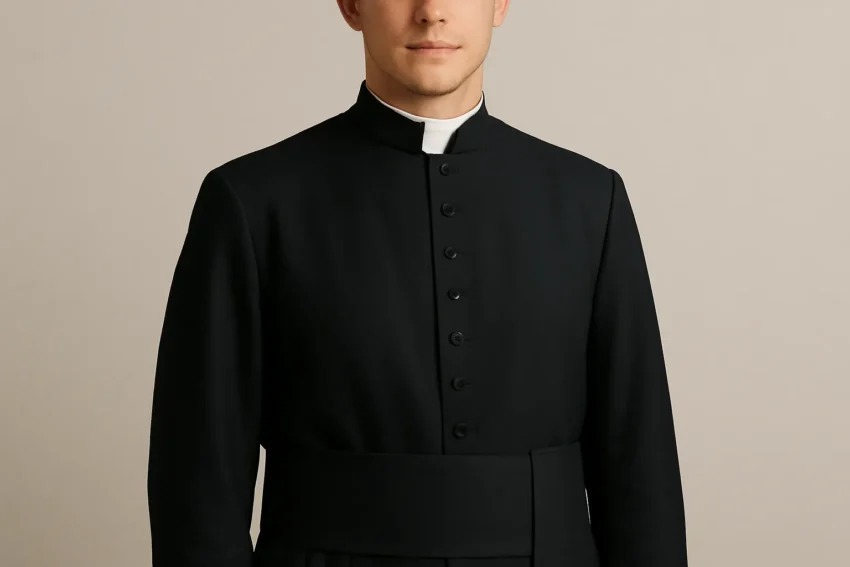
The cassock (also known by its French term soutane) is the foundational garment for many clerics in the Latin Church.
Its basic purpose is practical and symbolic: it provides a modest, uniform appearance that marks clerical identity and reduces the need
for secular clothing in daily ministry. The cassock is typically a full-length, close-fitting robe with a high neckline and
often features buttons running down the front. While the style and color can vary by tradition and rank, several general patterns
recur across regions and eras.
The Cassock in the Latin Rite: Color, Trim, and Rank
In the Latin Church, the cassock color and accompanying trim often indicate rank or specific obligations. The most common
form for parish priests is a black cassock, which conveys simplicity and service. Yet other ranks add color and distinction:
Bishops and certain archbishops frequently wear cassocks with purple (amethyst) piping, rocca, or fascia to denote episcopal
authority; the white fascia of the pope’s service differs markedly, while cardinals bear scarlet accents as a sign of their senior
status within the hierarchy.
Archbishops may adopt purple elements as a symbol of metropolitan oversight, with variations depending on local custom and
ecclesial precedence.
Cardinals historically wear cassocks with red piping, buttons, or sashes, signaling their unique role in papal governance.
Other orders or congregations that maintain a habit may wear cassocks in colors tied to their particular community—browns, blues, or
earth tones—where the garment serves as a visible sign of belonging to a spiritual family rather than a single rank.
The material and cut of cassocks vary by climate, climate, and cultural norms. In many places, lighter fabrics suit warmer seasons,
while heavier wools or wool-blends are used in cooler climates. Some cassocks include piping, pockets (for practical use during parish
work), or ventilated seams to aid comfort in hot liturgical environments. While the modern era has seen clerical dress become more accessible
in daily life, the cassock remains a potent symbol of cleric identity and ready recognition in secular settings, campuses, churches, and processions.
The Soutane and Regional Nomenclature
The term soutane is especially common in French-speaking regions and in historical contexts. The garment referred to as the cassock
is the same principle—an ankle- or calf-length robe that anchors daily clerical dress. In some places, the soutane may be worn with or without a fila or coat variation depending on local tradition. The point is not to confuse the name with fashion; it is to acknowledge the
consistent function: modesty, modest dress, and sacred signaling.
Liturgical Vestments: From Alb to Chasuble
Beyond the cassock, the liturgical wardrobe includes a hierarchy of vestments worn for specific rites and moments within the Mass and other sacred ceremonies.
These garments are not mere decoration but carry deep symbolic significance tied to the mysteries celebrated in the Church.
Common Core: Alb, Amice, Cincture, and Stole
The alb is a white liturgical robe that represents the baptismal purity of the cleric and is worn over the cassock or shirt. It is
typically made from linen or fine cotton and extends to the ankles, with sleeves that are often long and narrow. The amice is a rectangular
cloth that covers the cleric’s shoulders and neck at the start of the liturgical vesting; it is often secured with the knot or the cord tied around the waist.
The cincture is a belt or cord tied around the alb to symbolize chastity and self-control in the minister’s life.
The stole is a long, narrow strip of fabric worn over the shoulders, symbolizing the priestly office and the authority to administer the sacraments. For deacons, the stole is worn diagonally from the shoulder to the opposite hip, while priests wear it straight around the neck.
The Dalmatic, Manipulus, and Other Deacon’s Vestments
Deacons have a distinct suite of vestments that mirror those of priests but emphasize service. The dalmatic is a wide-sleeved outer liturgical garment worn by
deacons during Mass and other ceremonies. Historically, the maniple (a decorative strip of fabric worn over the left forearm) signified
ministerial service; it is now largely ceremonial in most Western rites, having been largely discontinued after liturgical reforms, though it can still appear
in traditional or ceremonial contexts.
The chasuble is the outermost liturgical vestment worn by the presiding priest during the Eucharist. Its color corresponds to the liturgical season or
feast being celebrated. Chasubles are often richly decorated with embroidery or symbols and may be lined with contrasting colors. The design emphasizes
the solemnity of the celebration and preserves an element of the Church’s ancient vestment tradition.
Humeral Veils, Stoles, and Other Sacred Coverings
For especially sacred moments, additional pieces come into play:
The humeral veil is a long, wide piece of cloth used by bishops during the Benediction of the Blessed Sacrament or other solemn rites to cover the chalice
or the monstrance while the host is displayed. It symbolizes reverence and the transcendence of Christ in the Eucharist.
Other specialized coverings may include the maniple (as noted), the cope (worn by bishops on certain occasions), and the stole variations that denote rank or specific rites.
Clerical Accessories: Collars, Headwear, and Signa
The clerical wardrobe includes a variety of accessories that identify rank, function, and occasion. These elements sit at the intersection of
theology, tradition, and practical ministry, helping the faithful recognize the cleric’s role while enabling the priest or bishop to fulfill liturgical duties
with dignity.
Collars and Shirts: The Hallmark of Clerical Identity
The clerical collar—often called a Roman collar—is a distinctive mark of priestly identity in many Western churches. The collar comes in different
forms, including the classic stand-up collar with a small band around the neck and a removable white flap. The clerical shirt is commonly available in white or black,
and is paired with a cassock or suit for daily ministry. Clergy who are not in full liturgical work may wear a clerical shirt and tie as a semi-formal option when
visiting parishes, schools, or participating in community events.
In certain communities, detachable collars or tab collars may be used. The key is to maintain a clean, orderly, and respectful appearance that signals
service to the Church while remaining approachable in public settings.
Headwear: Zucchetto, Biretta, and Mozzetta
Head coverings have a long and symbolic history within Catholic practice. The main forms include:
Zucchetto (a small skullcap) worn by bishops and priests in various colors to indicate rank: purple for bishops, red for cardinals, and black for priests. The pope traditionally wears white.
Biretta (a square, padded hat with three or four ridges) is often worn by clergy in formal settings; the color may reflect rank, and the hat is typically donned during processions and certain liturgical moments.
Mozzetta (a short cape that covers the shoulders) can accompany a bishop’s formal attire and is used in various rites to designate a specific ecclesiastical station or role.
Other Signa: Crosses, Rings, and Religious Symbols
The pectoral cross is commonly worn by bishops and some higher-ranking priests; it rests on the chest and is suspended from a chain or cord. The ring of a bishop,
often called the episcopal ring, symbolizes authority and the fidelity of the bishop to the Church. In certain communities, a crozier (pastoral staff) accompanies the bishop’s
ceremonial dress as a sign of governance and pastoral care.
Color, Seasons, and Symbolism: The Palette of Liturgical Dress
Liturgical colors connect the wearers to the Church year and the theological meaning of each season or feast. These colors guide what is worn during Sunday Mass,
Holy Days, and solemn ceremonies. The use of color is not decorative alone; it communicates the mood of the liturgy and the spiritual emphasis of the moment.
Ordinary Time: Green as Growth and Life
During the weeks of Ordinary Time, green is the prevailing color. It signifies hope, renewal, and the growth of the Christian life. Priests and deacons may wear green
alb and green chasubles during Mass when no special feast compels a different color. In some jurisdictions, green is primarily seen in the vestments used on Sundays
and weekdays of Ordinary Time, reinforcing the sense of ongoing formation and service.
Advent and Lent: Purple as Preparation
The seasons of Advent and Lent call for purple (violet) vestments to emphasize penance, reflection, and preparation for Easter and Christmas. Purple is commonly
used for albs, stoles, and chasubles during these periods, though there may be regional deviations such as using rose on Gaudete Sunday or Laetare Sunday to acknowledge moments of
joyful anticipation within penitence.
Christmas and Easter: White and Gold as Celebration
The most festive colors, white (often paired with gold) appear during Christmas and Easter celebrations, symbolizing purity, joy, and the glory of the
Resurrection. White vestments are typical for Masses celebrating the Incarnation, the Resurrection, and the great feasts of the Lord and the saints who are honored in the liturgical year.
Feasts of Martyrs and the Holy Spirit: Red for Courage and Sacrifice
Red is used for feast days celebrating martyrs, the Holy Spirit (e.g., Pentecost), and the Passion across the Church calendar. It can be worn for solemnities that emphasize
the blood of martyrs, the fire of the Spirit, and the sacrificial love of Christ. Red chasubles and stoles carry a sense of intensity and commitment during these sacred moments.
Some calendars incorporate rose/pink on Gaudete Sunday and Laetare Sunday, acknowledging moments of joyful anticipation within penitential seasons. In certain places,
vestments may include gold embroidery or accents to honor particular feasts, saints, or ceremonial occasions beyond the standard color scheme.
Etiquette and Practical Guidelines: Dressing for Dignity and Hospitality
Properly wearing clerical attire carries a responsibility to maintain dignity, hospitality, and reverence for worship and community life. Etiquette around clerical dress
encompasses how to dress, how to comport oneself in liturgical and non-liturgical settings, and how to handle vestments with care.
Guidelines for Daily Clerical Dress
In everyday ministry, priests and religious brothers often dress in a manner that is modest, clean, and neat.
When not in formal liturgical settings, clerical shirts and collars—or simple cassocks—are appropriate for visiting parishes, schools, and hospitals. The aim is
to convey availability, approachability, and a life of service.
Avoid excessive adornment or flashy accessories, which can distract from the sacredness of the moment.
Ensure that cassocks and shirts are properly pressed and well-fitted to maintain dignity and ease of movement during ministry.
Respect local customs and diocesan guidelines about clerical dress in secular settings, classrooms, and public events.
Etiquette for Liturgical Vestments
During liturgical celebrations, vestments are not accessories but signs of sacred duty. Proper handling is essential:
Vestments should be arranged in a way that preserves modesty and reverence for the liturgy. Do not adjust another cleric’s vestments without consent.
When vesting, follow the established sequence: amice, alb, cincture, stole, chasuble (and cope for bishops in appropriate ceremonies).
Handle sacred textiles with reverence, avoiding unnecessary touching by laypersons unless necessary for ceremonial purposes.
During processions, move with deliberate, orderly steps and maintain a calm, prayerful demeanor, reflecting the solemn nature of the rite.
Etiquette in Social Encounters
Clergy interactions with the laity should embody a spirit of welcome and service. Etiquette involves both dress and demeanor:
When greeting, acknowledge others with courtesy and humility, mindful that the attire signals service rather than privilege.
In informal settings, a cleric should maintain appropriate modesty and avoid ostentation, staying mindful that appearance matters for the Church’s mission to evangelize with gentleness.
Respect for liturgical rules means not using sacred vestments in secular contexts unless they are part of a sanctioned, legitimate ceremony (for example, a parish celebration or a liturgical conference).
Regional and Rite Variations: The Global tapestry of Catholic Clerical Dress
The Catholic Church is a worldwide communion of diverse rites, each with its own liturgical vocabulary and traditional dress. While the Latin
Church represents the most widely recognized set of garments in many Western countries, Eastern Catholic Churches and other rites maintain their
own distinctive attire that reflects theological emphases and liturgical calendars.
Latin Church versus Eastern Catholic Traditions
In the Latin Church, the cassock, alb, stole, and chasuble dominate daily and ceremonial attire. The color system described earlier applies most broadly
across Western dioceses, with local variations and preferences influenced by culture, climate, and historical practice.
In the Eastern Catholic Churches (such as the Ukrainian Greek Catholic Church, Melkite Greek Catholic Church, Maronite Church, and others),
vestments bear Greek or Syriac names and follow their own liturgical colors and sequences. Liturgical garments include items such as the stológon (stole equivalent), phelónion (a mantle-like outer vestment), sticharion (the long liturgical robe), and other specialized elements. The overarching purpose remains the same:
to visually signify sacred function and to honor the mysteries celebrated in the Divine Liturgy, while preserving distinctive cultural expression.
Other Sui Iuris Traditions
Other rites within the Catholic Church—such as the Syro-Malabar, Coptic, and Ethiopian rites within the Catholic communion—maintain distinct vestments tied to
their theological symbolism and liturgical heritage. For example, the Malabarian tradition employs its own array of tunics and outer garments that echo the
indelible connection between culture and sacred liturgy. While the specifics differ, the guiding principle remains: vestments should illuminate the rite and enable
the celebrant to lead the assembly in prayer with dignity.
Maintenance, Care, and Stewardship of Clerical Clothing
Clerical garments are valuable spiritual and practical assets. Proper care ensures longevity, dignity, and a sustained witness to the Church’s mission.
Cleaning and Storage
Vestments and cassocks should be cleaned according to the fabric and embellishments. Light fabrics may be hand-washed or machine-washed on delicate cycles where permitted
by diocesan guidelines, while more delicate materials (such as silk or heavily embroidered fabrics) may require professional cleaning. Store robes in a cool, dry, and clean
space, ideally hanging to preserve shape and avoid creasing. Use garment bags for protection during travel.
When transporting vestments for retreats, conferences, or liturgical events, use protective covers and ensure that the items are not subjected to crushing or heavy
handling. Always repack with care so that the garments remain presentable for the next liturgical occasion.
Over time, embroidery may fray, buttons may detach, or piping may wear thin. It is prudent to establish relationships with reputable vestment suppliers,
seamstresses, or diocesan teams who can perform repairs with authentic materials and colors. Restoration should aim to preserve the original design and function,
maintaining the vestments’ symbolic integrity while ensuring their durability for continued use.
Preservation of Historical Garments
Some parishes and religious communities maintain historical vestments that reflect centuries of liturgical practice. These garments may become
important archival pieces for liturgical history and may be showcased in church museums or during special feasts. Proper climate control and careful handling
are essential to preserve delicate fabrics and embroidery from fading or deterioration.
Supply, Tailoring, and Practical Guidance for Clergy Wardrobe
For most clerics, a well-curated wardrobe is built through a combination of personal preference, diocesan guidelines, and the availability of reliable
liturgical suppliers. The modern Church often balances tradition with practicality, ensuring that the vestments serve liturgical needs and environmental
conditions while reflecting the solemn beauty of Catholic worship.
How to Build a Practical Wardrobe
Identify the primary habit or cassock that suits your rite, rank, and parish climate. A black cassock with purple piping, for example, may be typical for bishops.
Choose a set of alb and chasuble combinations in core colors (green for Ordinary Time, violet for Lent/Advent, white for Christmas/Easter, red for certain feasts).
Include essential accessories: a reliable clerical collar, a stole, a cincture, and appropriate headwear as required by your rite.
Consider regional variations and climate; in warm regions, lighter fabrics and breathable materials help maintain comfort during long liturgical ceremonies.
Where to Shop and How to Choose
Clerical garments are available through specialized church supply houses, religious garment tailors, and diocesan-approved vendors. When selecting items:
Ensure that fabrics, colors, and embroidery align with your rite’s guidelines and the diocesan norms.
Prioritize durability, ease of care, and comfort for long liturgical hours.
Ask about customization options for fit, length, and subtle design elements that reflect your community’s heritage.
Check for secure, respectful packaging and clear care instructions to protect delicate fabrics during transit.
A Glossary of Key Terms: Quick Reference
The following glossary offers quick definitions of commonly used terms in clerical attire and liturgical vestments:
Cassock/Soutane: The long, close-fitting robe worn by clergy.
Alb: The white liturgical robe worn over the cassock during the liturgy.
Cincture: The belt or cord tied around the waist to symbolize chastity and fidelity.
Stole: The liturgical scarf worn around the neck to signify the priestly office; deacons wear it diagonally.
Chasuble: The outermost liturgical vestment worn during the Mass in the Latin Rite.
Humeral veil: The sacred covering used during the Benediction or solemn devotions.
Zucchetto: The skullcap worn by clergy, with color indicating rank.
Biretta: A square hat worn by some clergy in formal settings.
Epiphanary (if used in some traditions): A term referring to other ceremonial items; regional usage varies.
Historical Context and the Evolution of Clerical Dress
Clerical attire has evolved over centuries, reflecting changes in liturgical reform, theology, and social expectations. From the medieval cassocks in dark hues to the more streamlined
clerical shirts seen in contemporary parishes, the arc of change demonstrates a shift toward practicality while retaining the symbolic gravitas of sacred vestments. The reforms
of the 20th century, especially after the Second Vatican Council, prompted new attention to liturgical simplicity for many Western communities, yet the enduring value of centuries-long
tradition remains evident in the wear and care of vestments and clerical garments.
The Spiritual and Communal Significance of Clerical Dress
Clerical clothing communicates more than rank or function; it embodies a way of being—an outward sign of a life consecrated to God and to the service of the people.
For the faithful, the attire signals the presence of a shepherd, a teacher, and a minister of grace. For clerics themselves, the garments serve as constant reminders of vows taken
and the sacred responsibilities that come with public ministry. The colors, materials, and even the way a cleric carries a vestment all convey the Church’s calling to holiness,
humility, and service in the world.
Practical Reflections for Clergy and Laity
Whether you are a parish priest, a deacon, a bishop, or a layperson assisting in a liturgy, approaching clerical dress with reverence and discernment fosters a shared sense of
sacred respect. Clergy can model virtuous conduct by maintaining dignity in their appearance, preparing properly for liturgical events, and ensuring that vestments are treated
with care. Lay parishioners, in turn, can appreciate the symbolism of vestments by observing the proper sequence of vesting, the solemn time of the liturgy, and the community’s
responsibility to reverence sacred space.
Conclusion: Embracing the Rich Tapestry of Catholic Clerical Clothing
Catholic clerical clothing is a living patrimony—an ongoing expression of faith that connects worship, symbolism, and daily ministry. From the cassock and alb to the stole and chasse variations, every element carries intention. The etiquette surrounding these garments—how they are worn, cared for, and presented
in everyday life—embodies the Church’s commitment to beauty, reverence, and the dignity of every liturgical act. Whether exploring regional differences, historical evolution, or modern
practice, a thorough understanding of clerical clothing enhances the experience of liturgy and the appreciation of the Church’s sacred tradition.