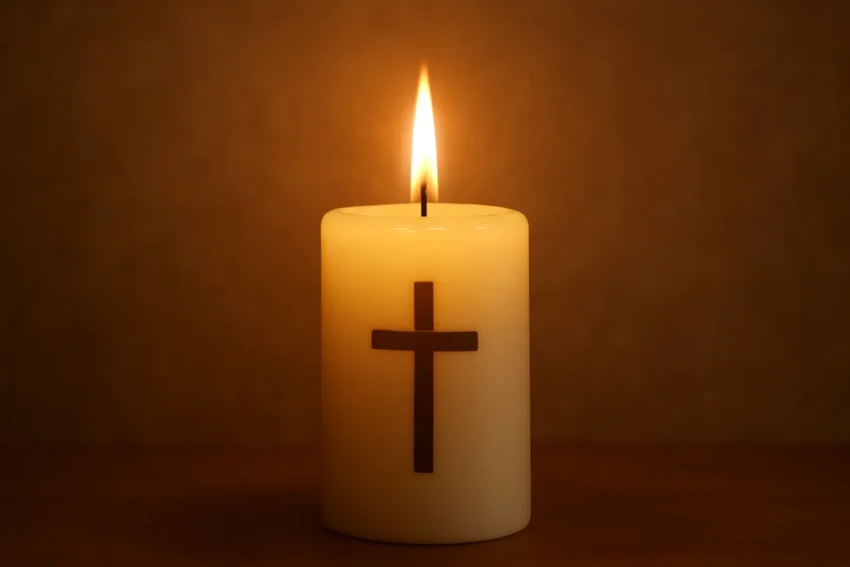
In Christian devotion, the humble flame of a candle has carried meaning far beyond its simple glow. A Christian candle can be a personal companion during prayer, a liturgical element in worship, or a symbolic sign of hope and remembrance. From the quiet glow of a home prayer candle to the grand presence of a Paschal candle in the church, candles have long helped believers connect with something felt to be greater than themselves. This article explores the meaning behind the Christian candle, the uses across different traditions, and practical guidance on selecting the best candles for prayer. Along the way, we will use various terms—such as altar candle, votive candle, and Saint candle—to reflect the broad semantic field that surrounds this sacred object. While the colors, shapes, and materials may vary, the core purpose remains the same: to focus attention, to accompany petitions, and to witness faith in light.
In Christian thought, the candle embodies a convergence of light, faith, and prayer. The flame is more than warmth—it is a visible sign of spiritual reality. Here are some core dimensions of meaning often associated with the Christian candle:
Light as divine presence: The flame is commonly understood as a symbol of God’s presence with humanity. In scripture, God often reveals himself as light, guiding people through darkness. A lit candle can remind a believer that God shines in every circumstance, even when the path feels uncertain.
Christ as the light of the world: In Christian tradition, Jesus is described as “the light who has come into the world” (John 1:9). A candle, in this sense, communicates the ongoing presence of Christ in daily life, in prayer, and in community gatherings.
Prayer as a flame rising to heaven: The rising smoke and the consistent burn of a candle can symbolize a petition rising to the divine. Lighting a candle is an act of intercession and a way to hold a prayer intention before God.
Hope, remembrance, and vigil: Candles are lit to remember loved ones, to keep vigil for those in need, and to symbolize hope in the midst of suffering. They stand as a visible expression of faith that light can overcome darkness.
Community and continuity: In churches, altar candles and processional candles link present worship with generations of believers who lit candles before. The candle’s steady glow can remind a community of shared belief and sustained practice.
Purity and consecration: The whiteness and the clean burn of certain candles carry a sense of purity and dedication. Candles are often used to signify the consecration of a space, a person, or a moment set apart for God.
Different Christian traditions emphasize various aspects of these meanings. In some liturgical settings, the candle’s color communicates particular theological themes tied to the season or feast. In private devotion, the candle becomes a personal sign of faith, inviting stillness, reflection, and communion with the divine mystery.
Historical Background: How Candles Became a Christian Practice
The use of light in Christian worship has roots that reach back to ancient times. The earliest Christian communities often gathered in homes or in catacombs where light symbolized presence and hope in a world of persecution. Over the centuries, candles evolved from practical lighting to spiritual signs within the liturgy. Here is a concise overview of how this practice developed:
Origins and Early Christian Practice
In the early Church, lamps and candles served both practical and symbolic roles. Light helped illuminate gatherings for teaching and prayer, and steady flame became a symbol of fidelity to Christ. The imagery of Christ as the light of the world grew in prominence as Christian communities formed and worship became more structured. In private homes, families lit candles during prayers as a way to sanctify time and space and to invite the Spirit into daily life.
Medieval and Reformation Eras
During the medieval period, altar candles became an established element of Catholic liturgy. The altar candle’s steady burn signified the nearness of God in the sacramental rites. The Paschal candle emerged as a central symbol during the Easter vigil—an imposing, blessed candle lit once for the season and used throughout the Great Fifty Days and beyond to represent the risen Christ. Meanwhile, Protestant traditions often adopted simpler candle practices for home devotion and worship, emphasizing personal prayer and the Word while maintaining the symbolic power of light.
Modern Varieties and Practices
In contemporary Christian life, candles appear in an assortment of forms—altar candles in churches, votive candles in chapels, Saint candles in devotional settings, and Advent candles in seasonal rituals. The materials and styles have diversified, with a growing emphasis on sustainable, clean-burning options such as beeswax and plant-based waxes. Across denominations, the candle remains a universal symbol of faith’s endurance and the light God offers to the world.
Types of Candles Used in Christian Practice
Candles for Christian worship come in a variety of forms, each with its own purpose and setting. The following categories are common across many traditions, though specific uses may vary by denomination and local custom.
Altar candles
Altar candles are among the most recognizable symbols in liturgical spaces. Placed on or near the altar, these candles accompany the celebration of the Eucharist and other sacraments. They symbolize the presence of Christ in the gathered assembly and the light of faith offered to the world. In Catholic churches, altar candles are often grouped in pairs or sets and are tended by altar servers or clergy during Mass. In Anglican and other traditional churches, similar candles may accompany prayers and processions.
Typically tall and steady, suitable for long services.
Often made from high-purity wax and sometimes scented deliberately to avoid overpowering the liturgy.
Placed in sturdy holders to protect them from drafts and to collect wax safely.
Votive candles
Votive candles are smaller, shorter-burning candles reserved for personal petitions and intercessions. Worshippers light votives in front of a statue or icon, a cross, or a dedicated prayer area. The practice invites a quiet moment of focus, inviting God’s grace into the situation a person holds in their heart. Votive candles are common in Catholic, Orthodox, and many Protestant contexts, and they are popular in home prayer corners as well.
Typically burn for a few hours, often in a designated holder or sanctuary space.
Available in a range of colors, though many churches choose unscented, neutral options to keep the space calm and neutral.
Help structure a time of prayer, especially in batch prayers for families, communities, or global concerns.
The Paschal candle is a hallmark of Easter celebrations in many Christian traditions. It is a large, decorated candle that remains lit during the Easter season and at baptisms and funerals in some communities. The Paschal candle embodies the triumph of Christ over death and the light of the resurrection that believers carry forward into all days. Traditionally, it is inscribed with the year and symbols such as the cross, the Alpha and Omega, and the five wounds of Christ.
Often blessed by the priest at the Easter vigil and then kept near the font or altar.
Used to symbolize the ongoing proclamation of the Resurrection.
Re-lit or specially blessed for baptisms, weddings, and other significant moments.
Advent candles and Advent wreaths
Advent candles are part of a devotional practice that marks the four weeks leading up to Christmas. An Advent wreath typically holds four candles (three purple and one pink in many Western traditions, though colors can vary), with readings and prayers guiding each week. In some traditions, a white or gold candle is added for Christmas or Epiphany. The Advent candles symbolize preparation, anticipation, and the light that comes into the world with Christ’s birth.
Each week’s candle is lit in sequence as part of family or church worship.
The overall practice centers on anticipation, repentance, and joyful expectation.
Beyond color meaning, the ritual emphasizes communal devotion and spiritual readiness.
Saint candles and devotional candles
Saint candles and devotional candles are commonly used near statues or icons of saints or in places set aside for prayer. Lighting a saint candle is a way to ask for intercession, to honor the saint’s life, or to accompany a specific intention connected with the saint’s patronage. These candles not only honor the saints but also invite believers into a living sense of the communion of saints.
Often placed before a specific statue or in a prayer corner.
Colored or white depending on local custom and devotional practice.
Sometimes chosen to align with the saint’s feast day or the nature of the request (e.g., healing, protection, guidance).
Home prayer candles and personal devotional candles
Many Christians practice daily devotion at home with a dedicated prayer corner. Home prayer candles have a practical and symbolic role here: they create an intentionally quiet space for reading Scripture, meditating, or praying the hours. A small, reliable candle can help anchor a person’s daily rhythm and provide a sense of sacred space in the middle of ordinary life.
Typically unscented to avoid overpowering the room during study or meditation.
Made from durable waxes suitable for home use, including beeswax, soy, or paraffin blends.
Placed on a stable, heat-safe surface such as a plate or a dedicated prayer candle holder.
Colors and Their Significance in Christian Candles
Color-coded candles can convey particular meanings or align with liturgical seasons. While not all traditions use color symbolism to the same extent, many communities do assign significance to certain hues. Here is a guide to common colors and their typical associations in Christian practice:
White and ivory
White represents purity, holiness, and the resurrection. It is a frequent choice for baptisms, weddings, and Easter celebrations, as well as for solemnities where the emphasis is on the righteousness and grace of God. White candles can brighten prayer spaces and signal a sense of new beginnings and divine grace.
Red
Red stands for the Holy Spirit, martyrdom, and love. In liturgical calendars, red appears on feasts of apostles and martyrs, as well as on Pentecost. At home, red candles sometimes accompany prayers for courage, zeal, and the passionate love of God for humanity.
Purple or violet
Purple is associated with penance, preparation, and longing for reconciliation. It is especially linked to the seasons of Advent and Lent. A purple candle may be used in personal devotion to symbolize repentance and spiritual discipline.
Green
Green signifies life, growth, and hope. In the Christian calendar, green is the ordinary time color, emphasizing the ongoing life of faith and the growth of the Spirit within the believer. Green candles can accompany prayers for growth, healing, and renewal.
Blue
Blue is often connected with heaven, truth, and trust in God. Some devotional settings use blue candles to signify contemplation, clarity, and spiritual ascent. They may also be present in Marian devotions in certain traditions.
Gold and other accents
Gold or metallic accents can symbolize glory, majesty, and the divine light shining through creation. While less common in everyday home prayer, gold can appear in special liturgical contexts or festive decorations around feasts and celebrations.
In many settings, the choice of color is less about magical symbolism and more about indicating intention, season, or personal preference. Regardless of color, the primary aim remains the same: to focus attention, to accompany prayer, and to witness faith through light.
Materials, Wicks, and Craft: What Makes a Candle “Good” for Prayer?
When selecting a Christian candle for prayer or worship, several material and construction factors influence both the experience and safety. Here are the key considerations that often guide careful purchasers, pastors, or lay leaders in choosing suitable candles for sacred spaces and personal devotion.
Wax types: beeswax, paraffin, and plant-based blends
Beeswax: Natural, clean-burning, and often long-lasting. Beeswax candles tend to burn brighter with a gentle hue and a subtle, natural scent. They are more expensive but are favored for liturgical settings or high-quality home prayer corners due to their purity and sustainable associations.
Paraffin: Inexpensive and widely available. Paraffin candles are reliable workhorses for large church spaces or temporary prayer corners. Some people prefer unscented paraffin for worship because it burns cleanly and does not introduce fragrance into a sacred space.
Soy and other plant-based blends: Cleaner burns with less soot than traditional paraffin, making them popular in modern, eco-conscious church and home settings. They are often chosen for private devotion because of their environmental profiles and steady burn times.
Cotton wicks are common and generally reliable, providing steady burns with minimal smoke when trimmed correctly.
Zinc-core wicks are less common in sacred spaces because they can produce a different flame behavior and sometimes a metallic smell. When available, they are used where long, consistent burns are needed.
A wick that stays centered and doesn’t mushroom excessively is crucial for safety and clean burning. Proper wicking reduces soot and helps maintain the candle’s integrity during long prayers or ceremonies.
Fragrance and scent policies
In many churches, unscented candles are preferred to avoid overpowering the space or triggering scent sensitivities among worshippers. In home devotion, some may enjoy lightly scented candles for personal atmosphere, but it’s wise to choose scents that are gentle and not distracting during Bible reading or silent prayer.
When fragrance is used, it should complement rather than overwhelm the spiritual focus of the moment.
Stability, holding, and safety considerations
Candles should be placed in stable, heat-resistant holders that catch dripping wax safely and prevent tipping.
Avoid candles with loose stands or irregular bases that could topple in a drafty room or a busy church environment.
For long services, consider tall, durable pillar candles or multiple votives designed for stable burning and safe, prolonged use.
How to Use a Christian Candle in Prayer and Worship
Lighting a candle can be a simple act or a carefully prepared ritual. The key is intention and reverence, whether you are in a church sanctuary or in a quiet room at home. Here is a practical framework that many believers find meaningful, with room for adaptation to personal or communal practice.
Prepare the space: Choose a clean, quiet area. If in a church, approach the altar or prayer station with respect. In a home setting, clear clutter and turn off distractions for a few minutes of focus.
Select the candle: Pick a candle that fits the intended purpose—votive for a personal petition, altar candle for liturgical observance, or a Saint candle for intercession aligned with the saint’s life or patronage.
Light with intention: Light the wick slowly and mindfully. Some people say a brief prayer of gratitude before lighting, while others illuminate the candle as they begin their specific intention.
Offer a prayer or Scripture: Read a short passage or offer a personal prayer. In communal worship, verses may be read aloud by a leader in connection with the candle’s symbolism.
Be present and attentive: Allow the flame to become a focal point for quiet reflection, gratitude, petition, or intercession. If a candle burns in a shared space, maintain a respectful distance and keep the area orderly.
Extinguish safely or let burn: Some contexts call for a solemn extinguishing ritual, while others permit the candle to burn down naturally. If you extinguish, do so safely using a snuffer or gently pinch the wick with a tool without blowing, to minimize smoke.
Close the prayer: End with a closing prayer or blessing, expressing trust in God’s care regardless of outcomes. If in a family setting, you may conclude by sharing a brief reflection or intention for others who may have prayed with you.
In liturgical spaces, these steps are often coordinated with a priest, deacon, or liturgical assistant. In home devotion, the practice can be personalized—for example, lighting one candle each morning for a week to accompany a specific intention, or lighting a candle on Sundays as part of a broader rhythm of worship and rest.
Choosing the Best Candles for Prayer: A Practical Guide
When selecting candles for private devotion or communal worship, consider factors that support focus, safety, and the desired spiritual atmosphere. Here is a practical guide to help you choose the best option for your context.
Identify your primary use
If you seek personal prayer at home, you might prefer unscented beeswax votives or a small pillar candle that fits a dedicated holder.
If you lead worship in a church or chaplaincy setting, you may need tall altar candles or a steady supply of votive candles for individual petitions.
If your focus is seasonal devotion, you may add Advent candles or candles in colors that reflect the liturgical season.
Consider the burn time and space
Longer burn times (many hours) are useful for all-night vigils, hospital visits, or contemplative sessions.
Smaller votives with burn times of several hours are suited for short prayers, memorials, or desk-side devotion.
In crowded spaces, opt for candles in sturdy holders and consider wind protection if the area is not climate-controlled.
Evaluate purity, fragrance, and allergy considerations
For sacred spaces where multiple people gather, unscented candles are often best to avoid fragrance conflicts.
If fragrance is desired for home devotion, choose mild, natural scents and avoid overpowering blends that might hinder reading or meditation.
Beeswax candles offer a natural purity and may be favored for devotional settings that emphasize stewardship of creation.
Assess color symbolism and seasonality
In seasonal devotion, you may align colors with the liturgical calendar or personal intention (e.g., white for purity, purple for penance, green for growth).
For intercessory prayer, you may choose a color that resonates with hope or healing, though the symbolism should not substitute for sincere prayer.
Beeswax candles are often more expensive but support sustainable beekeeping and offer a clean burn.
Plant-based candles (soy, coconut, or blends) can be a mid-range option with good burn quality and a lighter environmental footprint than paraffin.
Assess the supplier’s ethics, packaging, and waste management—recyclable or minimal packaging aligns well with a faith-based commitment to creation care.
Practical recommendations: types to consider
Beeswax votives for personal devotion or small chapel settings; natural color and a steady burn.
Beeswax pillar candles for family prayer spaces or altars that require a longer burn and a prominent presence.
Unbleached or white unscented paraffin votives for budget-friendly church use or event spaces where scent control is a priority.
Soy-based devotional candles for home prayer corners that value environmental considerations and cleaner emissions.
Advent wreath candles specifically chosen for seasonal devotion, often in a format that fits the wreath or calendar.
Ultimately, the best candle for prayer is the one that facilitates focus, supports a spirit of reverence, and aligns with safety and sustainability goals. The candle should not distract from prayer but rather invite the faithful into contemplation and encounter with God.
Care, Safety, and Practical Practices for Candle Use
Maintenance and safety are essential when using any candle for sacred or personal devotion. The following practical tips help ensure a safe and meaningful candle experience:
Place on a heat-safe surface: Always rest candles on a stable, nonflammable surface or in a dedicated holder.
Trim the wick: Before lighting, trim the wick to about 1/4 inch (0.6 cm). A trimmed wick reduces smoke and helps prevent a mushroom-like flame.
Avoid drafts: Position candles away from vents, fans, or open windows to minimize uneven burning and wax drift.
Never leave unattended: Never leave a burning candle unattended, especially in homes with children or pets or in public spaces.
Keep away from flammables: Do not place candles near fabrics, paper, or other easily ignitable materials.
Use proper holders: Use vetted holders designed to catch drips and protect surfaces.
Extinguishing: If needed, extinguish with a snuffer rather than blowing to reduce smoke and wax splatter.
Storage: Store candles in a cool, dry place away from direct sunlight to preserve wax quality and color.
Common Myths and Misconceptions about Christian Candles
As with many long-standing traditions, candles carry stories and beliefs that aren’t always accurate. Here are a few common myths and the corresponding clarifications:
Myth: Candles grant grace automatically. Reality: Candles symbolize prayer and faith, but grace is understood within Christian theology as God’s gift received through faith and the work of Christ. The candle helps focus the believer’s mind and heart, not as a magical instrument, but as a visible sign of inner longing and trust.
Myth: All candles carry the same spiritual power. Reality: The impact of a Christian candle is mediated by intention, prayer, and the spiritual context. Different candles can carry different symbolic meanings in various traditions, yet none replaces the need for ongoing faith, repentance, and gratitude.
Myth: Colored candles can avert evil or bring specific outcomes. Reality: While color symbolism exists, it is not a magical system. Christians typically view color as a sign to guide prayer and reflection, not as a guarantee of particular results.
Myth: Scented candles are forbidden in all sacred spaces. Reality: Scent can be appropriate in home devotion or certain chapels that allow it, but many churches choose unscented options to maintain a fragrance-free environment for all worshippers.
In liturgical calendars, candles play a central role during Advent, Christmas, Easter, and other holy seasons. Here are some best practices related to candles in those contexts:
Advent: Use candles as a countdown to Christmas, often arranged in an Advent wreath with readings, prayers, and reflections for each week.
Epiphany and Christmas: Use white or gold candles to celebrate the revelation of Christ to the nations and the arrival of the Savior.
Easter: The Paschal candle becomes the central symbol, reminding the faithful of the resurrection and the victory of light over darkness.
Memorial prayers: When praying for the departed, candles may be lit in memory, with a prayer of remembrance and hope in the resurrection.
Best Candles for Prayer: A Summary of Recommendations
To help you navigate choices, here is a concise summary of the kinds of candles that typically perform well for prayer and devotion. These recommendations aim to balance quality, safety, and spiritual intent.
Beeswax votives for personal prayer corners and churches seeking a clean, natural burn with minimal soot.
Beeswax pillars for home altars or family prayer spaces where a longer burn is beneficial and where a prominent focal point is desired.
Unbleached paraffin votives for budget-friendly church use and large gatherings requiring reliable, steady performance.
Soy-based devotional candles for environmentally conscious worship or personal devotion spaces that favor cleaner emissions.
Advent and Easter candles where color symbolism and liturgical significance enrich seasonal devotion and community practice.
In all cases, aim for unscented options in shared worship spaces to respect those with sensitivities, and prioritize safety in placement, handling, and storage. The “best” candle for prayer is ultimately the one that supports a quiet, contemplative, and reverent posture before God.
Frequently Asked Questions About Christian Candles
Here are some common questions people ask about Christian candles, with brief clarifications to help you understand their use and significance.
What is the purpose of lighting a candle in Christian prayer?
Lighting a candle is a symbolic act that focuses attention, expresses longing, and invites God’s presence into a moment of devotion. It is a tangible sign of prayer and faith, not a magical action.
Are all candles acceptable for Christian worship?
Acceptance varies by tradition. Many churches prefer unscented, clean-burning candles in safe holders. Some families use scented candles at home, while others choose non-scented options for home devotion as well.
Which candle is most appropriate for a memorial or prayer for the deceased?
Votive candles or memorial candles are commonly used for remembrance. The act of lighting signals ongoing memory and the hope of eternal life, often accompanied by a prayer for the deceased.
Can candles replace Scripture or prayer in Christian practice?
No. Candles are a meaningful aid to prayer, not a replacement for Scripture, sacraments, or communal worship. They augment devotion by supporting focus and reverence.
What about safety—how can I burn a prayer candle safely at home?
Always place candles in sturdy holders, keep them away from flammable objects, trim wicks, never leave burning candles unattended, and ensure proper ventilation. Choose a stable surface and consider a nonflammable tray to catch wax.
Conclusion: The Enduring Light of Christian Practice
The Christian candle has endured across centuries because it offers more than light; it offers a language for faith. In everyday prayer, a home altar, a church nave, or a festival procession, the candle helps people articulate longing, gratitude, intercession, and praise. It provides a visible, tactile reminder that faith is not only a mental or verbal engagement but a lived practice that embraces creation, ritual, and community.
Whether you light a modest votive in your quiet corner, stand before a towering Paschal candle at Easter, or join a larger congregation in a procession with candles held aloft, the flame invites you to pause, listen, and respond to God’s presence. The best Christian candle for your life is the one that invites you into deeper prayer, fosters reverent contemplation, and aligns with a sincere spirit of stewardship—toward God, toward others, and toward creation itself.
As you explore options—from altar candles and votive candles to seasonal candles for Advent and Christmas—may you find light that sustains, guides, and blesses your journey of faith. The candle’s glow is small, but in faith it becomes something much larger: a symbol of grace, a witness to hope, and a reminder that in the sacred, light and love prevail.