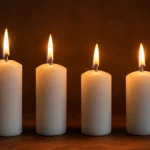
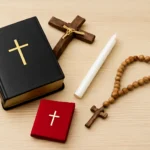
Welcome to Candles Christian, a comprehensive guide to the remarkable world of candles used in worship, devotion, and sacred decoration. This article explores the spiritual meaning of Christian candles, their historical development, the diverse types of church candles, how they are chosen for different liturgical moments, and practical advice for both church settings and personal devotional spaces. Whether you are clergy, a lay volunteer, or someone who wants to bring a sense of reverence and beauty into your home, this guide offers clear, respectful guidance on lighting, caring for, and interpreting the symbolism behind the flame. Throughout this piece we will refer to candles in a variety of terms—altar candles, sanctuary lamps, votive candles, Paschal candles, and more—so that readers encounter a broad semantic landscape while staying anchored in Christian meaning.
At its core, the practice of using candles for Christian worship is about inviting light into darkness as a sign of the presence of God. The flame serves as a visible reminder of Christ as the “Light of the World,” the spreading of grace, and the communal call to prayer. In many Christian traditions, the candles symbolise prayer rising to heaven, the church as a beacon for a hungry world, and the continuity of faith from generation to generation. In liturgical spaces, the steady glow of altar candles or a continually burning sanctuary lamp communicates that the sacred meet-and-greet of heaven and earth is ongoing. In the home, home worship candles or decorative church candles carry the same invitation: to pause, reflect, and remember the divine story that shapes daily life.
The history of Christian candles
Early Christianity and temple lighting
From the earliest days of the Christian faith, light has carried rich symbolic weight. While the use of candles is widely associated with ancient and medieval church practices, the underlying idea—representing God’s abiding presence—precedes the modern forms of candles for Christian worship. Early congregations used oil lamps and basic candles to mark assemblies, processions, and prayer times. The practice grew as Christian communities formed a deep reverence for light as a sign of divine revelation breaking into human life.
Development through medieval times to modern liturgy
During the medieval period, the church institutionalized many candle practices. Altar candles became a standard feature of altar rail and sanctuary spaces, while the long-standing sanctuary lamp or noble altar lamp signified the perpetual presence of Christ in the church. The Paschal candle — a large, richly decorated candle kept in the church and lit at the Easter Vigil — embodies the triumph of light over darkness and the welcome of new life in Christ. With the Reformation and subsequent liturgical reforms, many Protestant communities refined candle rituals but kept the central meaning: light as symbol of grace, guidance, and truth. In Catholic, Orthodox, and Anglican contexts, the liturgical use of candles grew into a nuanced vocabulary of colors, seasons, processions, and prayers that continues to evolve in contemporary worship and sacred decor.
Key types of Christian candles
There are many kinds of Catholic candles and candles used across Christian traditions. Below is a practical taxonomy that helps ministries, families, and worship teams identify the candle types most appropriate for a given moment or setting.
Altar candles — Tall, steady flame candles placed on or near the altar. They are essential in many worship spaces and are chosen for color, height, and burn quality. They contribute to a dignified sense of sacramental space and can be scented or unscented depending on tradition and policy.
Sanctuary lamp (also called a perpetual lamp) — A smaller, often continuous flame kept burning near the tabernacle or sanctuary as a sign of Christ’s real presence. In some churches this is oil-based rather than wax, but many are wax candles contended by custom and safety guidelines.
Paschal candle — The grand Easter candle, typically large and blessed at the Easter Vigil. It bears symbols such as the cross, the year, and the Greek letters Alpha and Omega. It is lit during Easter season and at baptisms and funerals in many communities.
Advent candles and Advent wreath candles — A wreath bearing four or five candles (three purple, one rose, and sometimes a white Christ candle) used to mark the weeks of Advent in preparation for Christmas. The progressive lighting invites contemplative preparation and hope.
Votive candles — Small, individually purchased or communal candles used for personal prayer or in a devotional shrine. They are common in both Catholic and Anglican churches, as well as in some Protestant and Orthodox contexts.
Prayer candles — Simple, often home-friendly candles used to accompany personal prayers, weekday devotion, or light offerings in a dedicated prayer space at home or in a church setting.
Baptism candles — Lit during baptism ceremonies or given as a keepsake after baptism. They emphasize the new identity and the light of Christ entering the person’s life through the sacrament.
Funeral candles — Used to honor the deceased and symbolize the continued life in Christ beyond death. They often accompany memorial vigils and graveside rites.
Decorative or decorative-ritual candles — For home altars, sanctuaries, or church decor, these candles emphasize beauty, reverence, and meaningful ambience rather than a liturgical function.
Across traditions, you will hear terms such as candles for Christian worship, church candles, and altar candles used in slightly different ways. The important thing is to align the candle type with the occasion, the space, and the theological and liturgical aims of the gathering.
Color symbolism and liturgical seasons
Colors play a central role in Christian candle work. Colors often align with the liturgical calendar or the devotional mood of a service. Here is a concise guide to how color choices can frame meaning in your candles and the spaces they illuminate.
Purple or violet — Used during Advent and Lent to signify repentance, preparation, and solemn prayer.
Rose — Used on Gaudete Sunday and Laetare Sunday in some traditions to signal joyful anticipation in the midst of penitential seasons.
Red — Symbolizes the Holy Spirit, martyrdom, and the blood of Christ in many contexts; often used during Holy Week or Pentecost.
White — Represents purity, resurrection, and the glory of Christ; lit during Easter, Christmas, baptisms, and weddings in many churches.
Green — Signifies growth, life in Christ, and the ongoing work of the church; commonly used in ordinary or non-seasonal times.
Gold or metallic accents — Emphasize majesty and celebration, often used at major feast days and special rites.
For home devotion candles, color choices can reflect personal devotion or seasonal emphasis. Some households use color symbolism consistently to reinforce the rhythm of prayer through the year, while others opt for neutral, unscented candles for quiet and focus. Either approach can support a meaningful environment for contemplation, worship, and family rituals.
Buying guide for Christian candles
Choosing the right candles for Christian worship or domestic devotion involves several factors, including material, burn quality, safety, and compatibility with space and budget. Here is a practical guide to help you make informed decisions.
Material — Candles are commonly made from beeswax, paraffin, soy, or blends. Beeswax candles are long-lasting and emit a subtle natural fragrance; they are often valued for their purity and traditional feel. Paraffin candles are typically cheaper and come in a wide range of colors and scents. Soy candles are clean-burning and renewable, often preferred for home environments. For liturgical uses where scent is discouraged, unscented options are preferred.
Wick type — Most religious candles use cotton wicks. Some specialty candles use wooden wicks, which produce a gentle crackling sound and a distinct aesthetic, but they require careful handling and a stable burn environment.
Burn time — Check the advertised burn time per inch and average burn time per candle. Longer burn times are practical for continuous use, while shorter candles may be better for particular services or personal devotion sessions.
Size and form — For church altars, tall altar-length candles are common, while smaller votive candles fit devotional chapels and side altars. For home use, pillar candles, taper candles, and jar candles offer versatility for daily prayer or seasonal decoration.
Color and symbolism — If you want candles that reflect liturgical color, ensure that the product line includes the colors used in your tradition (e.g., purple for Advent/Lent, white for major feasts, red for Pentecost and martyrs).
Fragrance — In worship spaces, unscented candles are often preferred to avoid overpowering the sensory experience or triggering sensitivities. For home devotion, scented candles can deepen mood if fragrance is appreciated, but choose clean, gentle scents to maintain reverence.
Safety certifications — Look for candles that meet safety standards, have a stable base, and are designed for the environment in which they will be used (church pews, altars, or home altars). Fire-resistant holders and proper ventilation are important considerations in any setting.
Ethical considerations — If you value sustainability, seek out beeswax or soy-based candles from reputable suppliers who publish sourcing information and support environmentally responsible practices. Some churches prefer suppliers that adhere to fair-trade or local production norms.
When purchasing candles, it can be helpful to gather a small kit of basics: a supply of altar candles in the appropriate heights, a few votive candles for devotional spaces, a Paschal candle for Easter celebrations, and a couple of advent wreath candles if your community uses an Advent wreath. Keep a ledger of what is in rotation, what needs replenishment, and any color-specific needs for seasons and feasts.
How to use candles in worship spaces
Lighting is a ritual act that can shape the mood and focus of a gathering. The way candles are placed, lit, and extinguished communicates reverence and intention. Here are practical guidelines for churches, chapels, and home worship spaces.
Setup and placement
The typical setup for a liturgical space includes:
Placement of altar candles near the altar, within reach of the celebrant, and arranged so flames are clear of fabrics or drapes.
Positioning of a sanctuary lamp in a visible but respectful location, often near the tabernacle or central sanctuary area.
Use of a Paschal candle in Easter celebrations, placed in a prominent stand that allows the flame to be seen by the assembly.
Placement of votive candles in a devotional or side chapel where individuals may light them as part of personal prayers.
In home settings, consider placing a small altar table or shelf where a few home altar candles can be lit during daily prayers or family devotions. Arrange the light in a way that is safe, accessible, and aesthetically conducive to contemplation.
Blessings and prayers
For many Christian communities, candles are blessed before use, especially significant candles like the Paschal candle or candles used in baptisms and weddings. If your tradition includes blessings, coordinate with your pastor, priest, or liturgical leader, who can offer the appropriate incantation, blessing, or prayer. In secular or simplified worship contexts, you can still invite a moment of blessing or intention before lighting a candle, framing the act as a gesture of gratitude, intercession, or hope.
Safety guidelines
Safety is essential in any setting where candles burn. Keep these practices in mind:
Place candles on heat-resistant surfaces or in sturdy holders.
Trim wicks to about 1/4 inch before lighting to minimize soot and uneven burning.
Keep candles away from drafts, curtains, and upholstery to prevent tipping or flare-ups.
Never leave a burning candle unattended, and keep children and pets at a safe distance.
Use appropriate holders for the candle shape and size; for altar candles, ensure a stable base and secure placement.
Have a means of extinguishing flames nearby, such as a snuffer or a metal cover, rather than blowing out hot wax toward prayer participants.
By integrating these practical guidelines, you honor the sacred symbolism of light while safeguarding the well-being of those gathered for worship, study, or prayer.
Candles for home worship and decor
In the domestic sphere, Christian candles become a powerful element of daily devotion, seasonal decoration, and personal expression of faith. Home environments can benefit from the same symbolism that informs public worship, adapted to a quieter, more intimate setting.
Many households create a small altar or sacred corner where a few home altar candles are arranged with a Bible, icon, crucifix, or a treasured photograph. Consider the following approaches:
Choose a dedicated shelf or table as the altar surface; use a stable, heat-resistant plate or tray for altar candles.
Group votive candles in a devotional layout to invite personal prayers for multiple intentions or loved ones.
Incorporate seasonal candles that reflect Advent, Christmas, Lent, or Easter themes to reinforce the liturgical rhythm at home.
Pair candles with natural elements such as fir boughs, pine cones, or dried flowers for a contemplative, tranquil atmosphere.
Decor and ambiance
Candles in a living space can serve dual roles—as objects of beauty and as quiet catalysts for reflection. Some practical design ideas include:
Use pillar candles of different heights on a tray or centerpiece, with simple holders or glass cylinders to catch any drips.
Arrange taper candles in a candelabrum for an elegant, traditional look that still feels homey and approachable.
Combine unscented altar candles with a few lightly scented options for personal prayer corners, ensuring scent doesn’t overwhelm the space if you or others are sensitive.
Invest in sturdy, heat-resistant holders with wind protection if you place candles near windows, fans, or open doors to reduce drafts that cause uneven burning.
DIY and personalization
Creative families often enjoy personalizing candles to mark milestones or to accompany special prayers. Some ideas include:
Labeling candles with dates, names, or intentions using removable, non-toxic labels or engraved rings.
Decorating candle holders with Bible verses, faith-based quotes, or symbols like crosses, dove motifs, or fish emblems.
Creating color-coordinated sets for prayer times—e.g., white candles for morning prayers, blue for evening prayers, gold for festive celebrations.
Care, safety, and maintenance of Christian candles
To maximize the beauty and longevity of church candles and home worship candles, proper care is essential. Here are essential practices for maintaining a safe, reverent flame experience.
General care tips
Keep candles away from direct sunlight to prevent excessive sweating or premature softening of wax, especially colored waxes used in liturgical candles.
Store candles in a cool, dry place to preserve fragrance (if scented) and to prevent wax from sweating or becoming brittle.
If a candle starts to lean, re-center it immediately or transfer to a stable holder. An uneven burn can cause tunneling or poor flame quality.
Clean up any melted wax drips with warm water and mild soap once the candle has cooled to avoid stains on surfaces.
Specific care for altar candles and paschal candles
Altar candles should be inspected regularly for wick movement, flame height, and any sooting. If soot appears, adjust wick trimming and ensure the flame is not too high.
Paschal candles often require special care due to their decorative wax layers and symbols. When not in use, store them in a stable position to prevent warping or breaking.
Extinguishing and extinguishing etiquette
Use a candle snuffer when available to avoid splattering hot wax. If a snuffer is not available, gently cover the flame with a metal cap or breath gently to extinguish it without blowing wax toward people.
Do not move a lit candle; wait until the wax is solid and the wick has cooled before repositioning.
Always ensure that a flame is fully extinguished and the wick is no longer glowing before leaving the room.
Ethical considerations and sustainability
Conscious consumers and congregations increasingly consider the environmental and social footprint of the candles they use. Here are key points to think about when selecting Christian candles for worship or home use.
Beeswax candles are often prized for purity, longer burn times, and a natural, subtle aroma; they also support beekeeping practices that contribute to pollination and biodiversity. If public spaces have fragrance restrictions, you may opt for unscented varieties.
Soy and other plant-based waxes can be a sustainable alternative to paraffin, especially when sourced from responsible producers who trace supply chains and ensure ethical labor practices.
Packaging and waste matter. Look for brands that minimize packaging, use recyclable materials, or offer refill programs for holders.
Local production and fair-trade considerations can reduce carbon footprints and support regional economies. For some communities, local church or parish purchasing programs help sustain small artisans who craft votive candles and altar candles with attention to tradition and quality.
Here are concise answers to some frequently asked questions, drawing on common practice across many Christian communities.
Are candles allowed in churches and worship spaces? Yes, in virtually all Christian traditions candles are a staple for worship, prayer, and liturgical ceremony, though specific policies may govern fragrance, flame color, and placement, particularly in sensitive spaces or historic buildings.
What is the difference between altar candles and votive candles? Altar candles are typically larger, kept near the altar for liturgical purposes, and burn for the duration of a service. Votive candles are smaller, often bought individually by worshippers for personal prayer intentions.
Should church candles be scented? Most worship spaces prefer unscented candles to avoid overpowering the scent environment and to accommodate individuals with sensitivities. In private prayer spaces and homes, scented options are common when fragrance is welcomed.
What candle colors are used for different seasons? Commonly purple for Advent and Lent, rose for specific Sundays, red for Pentecost and martyrs, white for major feasts, and green for ordinary time. Some communities also use gold for festive occasions, depending on the tradition.
How long do candles burn? Burn times vary by size and material. Always consult the manufacturer’s guidelines and monitor burn quality to prevent tunneling or uneven burning.
Glossary of terms related to Christian candle work
Understanding the vocabulary helps in planning and communicating effectively with clergy, lay leaders, and suppliers. Some key terms include:
Altar candles — Primary ritual candles used on or near the altar.
Sanctuary lamp — A small, sometimes perpetual flame signifying divine presence.
Paschal candle — The large Easter candle with symbols used in the Easter season and at baptisms.
Votive candle — A smaller candle lit by worshippers in a devotional context.
Advent wreath — A circular arrangement of candles used during Advent to symbolize preparation for Christmas.
Prayer candle — A candle lit to accompany personal prayers, often used in homes or prayer corners.
For church leaders, planners, and volunteers, the practical management of candles for Christian worship includes coordination of supply, safety, and liturgical alignment. Here are practical considerations that help ensure candles contribute positively to worship and decor.
Coordinate candling schedules with the church calendar, ensuring the right candles are available for each service, feast, or ceremony.
Maintain an inventory that accounts for seasonal needs, such as Advent wreaths and Easter candles, and keep extra spares on hand to avoid last-minute shortages.
Train volunteers in lighting and extinguishing procedures, basic wax spill cleanup, and safe handling of hot holders after services.
Work with a reliable supplier who can provide consistent quality, proper certification, and clear information about materials and safety.
Consider accessibility and inclusivity; ensure the lighting plan supports visibility for all participants, including those with visual impairments, while preserving reverence and quiet.
To preserve a meaningful liturgical heritage while adapting to contemporary needs, some churches implement documentation practices that guide the use of candles for Christian worship and the decoration of sacred spaces. Suggestions include:
Develop a standard operating procedure (SOP) for lighting, extinguishing, and cleaning candles after services.
Maintain a liturgical color chart and an altar candle placement diagram to ensure consistency across services and seasons.
Keep a photo or sketch record of altar arrangements and candle stands for future reference and refurbishments.
Invite feedback from parishioners about candle use, scent policy, and safety, using surveys or open forums to refine practices.
From the early days of the church to today, candles for Christian worship have carried a powerful and enduring symbolism. They help congregations speak in a language of light that transcends words—inviting contemplation, expressing faith, and shaping an environment where prayer and praise can occur with dignity and beauty. In homes and sanctuaries alike, the humble flame becomes a teacher: reminding believers that even in moments of darkness, light remains steadfast. Whether you are choosing altar candles for a grand liturgy, setting up a prayer corner at home, or simply seeking a soothing ambiance for reflection, the practical care, thoughtful symbolism, and reverent use of candles can enrich Christian devotion in meaningful ways. This guide hopes to equip you with the knowledge to select, light, and maintain candles for Christian worship and decor with confidence, reverence, and joy.