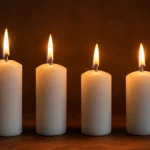
In churches around the world, candles have long held a sacred place, offering light, symbolism, and a tangible representation of prayer and presence. The pieces that hold these candles—often called church candle holders—are not merely functional objects. They are enduring elements of sacred architecture that contribute to the atmosphere, liturgy, and safety of worship spaces. From the stout altar candle stands that flank the sanctuary to the delicate votive candle holders that illuminate quiet prayer corners, the right selection blends durability with elegance, while respecting tradition and the practical realities of a busy house of worship. This article explores the wide world of church candle holders, offering guidance on materials, designs, safety considerations, installation, and care to help churches, pastors, and facility managers choose options that endure and inspire.
Candle holders in a church serve multiple roles beyond simply holding a flame. They are:
Symbolic devices that reinforce ritual meaning, such as representing the light of Christ, the presence of the Holy Spirit, or the unity of the congregation during processions.
Functional tools that keep candles upright, catch dripping wax, and prevent accidents in high-traffic spaces.
Architectural elements that complement sacred architecture, enhancing sightlines, acoustics, and the overall aesthetic of the nave, chancel, or chapel.
Durable investments that must withstand daily use, seasonal changes, and sometimes the demanding conditions of outdoor or semi-outdoor worship environments.
Because church candle holders are essential to both liturgy and ambience, choosing the right candlestick, sconce, or candelabrum requires a careful balance of form, function, and faithfulness to tradition. In addition to aesthetics, churches should consider maintenance, safety, and compatibility with their existing fixtures and spaces. The vocabulary used in this field includes a wide range of terms—altar candle stands, candlesticks, candelabras, nave wall sconces, processional torches, and votive cups—each referring to a specific style or purpose. Understanding these distinctions helps in selecting the right solution for a given sanctuary or chapel.
Durability and Materials: Choosing the Right Material for Sacred Spaces
The material composition of church candle holders plays a central role in longevity, maintenance needs, and visual impact. Durability is especially important in high-traffic areas, spaces with frequent processions, and locations that must be cleaned regularly. Below are common materials and what they offer.
Bronze and Brass: Classic, Timeless, and Tactile
Bronze and brass are among the most traditional choices for sanctuary lighting hardware. These metals age gracefully, developing a warm patina over time that many congregations value for its sense of history and reverence. Key advantages include:
Durability and resistance to wear in busy churches.
Excellent fire resistance and stability when paired with standard candle types.
Rich, warm tonal qualities that complement wood and stone architecture.
Designs range from solid, heavy altar candle stands to delicate candlestick sets for use in side chapels or decorative corners. Brass often receives a protective clear coat to prevent tarnish, while bronze may be left with a natural patina for a more rustic or antique look.
Stainless Steel and Aluminum: Modern Strength with Low Maintenance
For churches seeking a durable, low-maintenance option, stainless steel and aluminum provide robust performance with minimal upkeep. These metals resist corrosion, are easy to clean, and can be finished in a range of colors. Considerations include:
High resistance to oxidation and moisture exposure, suitable for humid environments or coastal regions.
Clean lines that suit contemporary sanctuaries or modern chapels.
Versatility in wall-mounted sconces and floor-standing configurations.
Wood and Stone: Natural Warmth and Sacred Texture
Wood and stone bring tactile warmth and a sense of tradition to worship spaces. Finishes vary from richly dark oaks and mahoganies to lighter, carved fruitwoods. Stone bases or pedestals can provide solid stability and a sense of permanence. Important notes:
Wood requires careful maintenance to prevent wax staining, heat damage, or finish wear. Sealed, varnished, or laminated wood is common for prayer candles and smaller votive holders.
Stone provides weight and stability, often used for permanent fixtures in the nave or near the altar.
Both materials can be carved with religious symbols or liturgical inscriptions, enhancing their aesthetic and ceremonial value.
Glass, Crystal, and Transparent Elements: Light Handling and Sparkle
Glass and crystal accents can heighten the glow of candles and create dramatic reflections that enrich the worship space. These materials are often used in decorative candlestick holders or votive cups where candlelight can be seen clearly from the pews. Considerations include:
Careful design to avoid heat transfer that might damage delicate components.
Shatter resistance and secure mounting for floor and wall installations.
Clear or tinted glass can contribute to liturgical symbolism through color when used with stained glass or natural light.
Design Varieties: From Altar Candle Holders to Wall Sconce Candle Holders
There is no single “best” form for church lighting. Design variety allows churches to tailor candle holders to the space, the liturgy, and the season. Here are common families of designs and their typical uses.
Altar Candle Stands and Altar Candlesticks
These are among the most essential altar candle holders, often flanking the altar or placed on the altar table itself. Key features include:
Stable bases with broad footprint to prevent tipping.
Protective rims or cups to catch wax and reduce mess.
Height and proportion designed to keep candles visible to the congregation while not obstructing the priest’s movements.
Candelabras for Processional and Pulpit Areas
For processions and chancel spaces, church candlesticks or candelabra arrangements provide elevated light and a ceremonial presence. Considerations include:
Integrated handles or grips for safe transport during processions.
Multiple candle arms to create a balanced silhouette and distribute light evenly.
Durable construction to stand up to frequent handling and repositioning.
Wall Sconces and Nave Lighting
Wall-mounted sconces help illuminate aisles and architectural features without occupying floor space. They are particularly effective in narrow naves or sanctuaries with limited room for freestanding fixtures. Features to evaluate include:
Concealed wiring and secure mounting to resist vibrational stress from organ pipes or crowd movement.
Shade designs that maximize soft, diffuse light rather than harsh glare.
Weatherproofing and corrosion resistance for exterior or semi-exterior use.
Table Candles and Votive Holders
Smaller votive candle holders and table-style options create intimate lighting in private chapels, chapels of devotion, or side chapels. Benefits include:
Flexible placement on side tables, prayer rails, or near statues and icons.
Greater accessibility for individuals who wish to light a candle as part of prayer.
Simple maintenance and replacement cycles, particularly for votive cups and glass containers.
Outdoor and Garden Church Candle Holders
For churches with courtyards, colonnades, or memorial gardens, durable outdoor candlestick stands or lantern-style fixtures extend the sacred ambience beyond the building envelope. Important considerations include:
Weather resistance to rain, snow, wind, and UV exposure.
Leak-proof reservoirs and secure mounting to withstand gusts or vandalism.
Lighting color and brightness that complements landscape design and does not cause glare at night.
Safety and Compliance: Keeping Worship Spaces Safe
Safety is paramount when choosing and installing any candle holder system. Churches must balance the beauty of illumination with risk management, especially where large crowds, children, and ceremonial activities are common. Key safety considerations include:
Fire safety compliance: Choose holders designed to minimize flame exposure to surroundings and reduce wax spills.
Appropriate fire-resistant materials and finishes around hot wax and flames.
UL or other relevant certifications for electrical components (where chandeliers or electrified votive lighting is involved).
Stable mounting and weight distribution to prevent tipping, with anchoring systems that meet local building codes.
Wax management strategies, including built-in wax catch basins and easy-to-clean surfaces.
Beyond products, churches should implement procedural safeguards, such as:
Clear placement of candlesticks to avoid aisle obstructions during processions.
Defined protocols for candle lighting during services, including supervision by staff or volunteers.
Regular inspection schedules for wear, wax buildup, and metal fatigue in fixtures that bear heavy candles.
In terms of codes and standards, look for fixtures that meet fire code compliance, possess appropriate finishes that resist corrosion and heat, and are designed to minimize heat transfer to adjacent surfaces. When selecting church candle holders, consult your local fire marshal or building official to ensure the chosen configurations align with the jurisdictional requirements.
Installation, Maintenance, and Lifespan
Proper installation and ongoing maintenance play crucial roles in the long-term performance and safety of church candle holders. The lifespan of the fixtures depends on material quality, the environment, and how well they are cared for. This section outlines practical steps for installation and upkeep.
Installation Considerations
Before installation, assess the space, the type of candles to be used, and the expected usage patterns. Key steps include:
Accurate measurements of height, width, and distance from walls or pews to ensure unobstructed sightlines and safe movement for ministers and congregants.
Determination of weight-bearing capacity and selection of mounting hardware appropriate to the surface (wood, masonry, metal, or glass panels).
Plan for cable routing and concealment if electrified components are present, ensuring safety and aesthetics.
Accessibility considerations for replacement of candles and wax removal, especially in areas such as side chapels or niche altars.
Care routines help preserve the beauty and safety of candle holders. Useful practices include:
Regular cleaning to remove wax drips, dust, and fingerprints. Use non-abrasive cleaners suitable for the fixture material.
Wax management: promptly remove cooled wax from the cups or basins to prevent staining and buildup. For stubborn residue, use warm water and a mild detergent, then dry thoroughly.
Inspection schedule: periodic checks for loose screws, bent arms, or cracks in glass or crystal components. Address issues before they escalate.
Polishing metals (where appropriate) to preserve luster. Use a polish appropriate to the metal type (bronze, brass, stainless steel) and follow manufacturer recommendations for coatings or protective finishes.
Sealants and finishes: for wooden components, reapply protective finishes as recommended to guard against wax exposure and humidity.
Expected Lifespan and Replacement Cycles
With proper care, church candle holders can last for decades. Frequent use, exposure to candle heat, and environmental factors influence replacement cycles. Consider these guidelines:
Metal fixtures may last 20–50 years or longer with proper maintenance and periodic re-plating or refinishing.
Wooden components may require refinishing or resealing every 5–15 years depending on environment and wax contact.
Glass and crystal elements are often the most vulnerable; replacement may be necessary after chips, cracks, or crazing occurs.
Virtual or virtual inventory: maintain a small reserve of spare parts (cups, stems, and small screws) to minimize downtime when replacements are needed.
Liturgical and Aesthetic Considerations: Symbolism and Tradition
Candle light in a church is deeply symbolic, often associated with Christ as the light of the world. The design and placement of church candle holders can reflect theological themes, liturgical seasons, and cultural heritage. This section explores how aesthetics and symbolism intersect in choosing candle hardware.
Seasonal Variations and Color Theology
Many churches adjust candle presentation to suit the liturgical calendar. For example, during Advent, some congregations favor warmer, more contemplative lighting, while during Easter, brighter and more radiant fixtures may be used in processions and the main sanctuary. Consider color accents on the holders, such as:
Seasonal hues (purple for Advent/Lent, white for Easter and Christmas, red for Pentecost).
Metal finishes that harmonize with liturgical textiles, banners, and vestments.
Symbolic engravings or etchings (crosses, alpha and omega, or simple floral motifs) to reinforce spiritual meaning.
Material choices can reinforce symbolism. For instance, a sturdy bronze altar candlestick project strength, endurance, and reverence; a slender glass votive holder communicates intimate prayer and personal devotion; a grand candelabrum can symbolize the multitude of the faithful joining in worship. The design language should align with the church’s architectural style—Gothic, Baroque, Modern, or Rustic—so that the presence of light feels coherent with the space.
Some churches opt to inscribe names, dates, or dedications onto their candle holders. This practice can convert ordinary liturgical hardware into a living memorial that tells a story of faith and community. When considering inscriptions, balance readability with aesthetics and ensure that the method used (engraving, etching, or enamel) remains durable over time.
Durability in Challenging Environments: Indoor, Outdoor, and Varied Climates
Church campuses sometimes span indoor sanctuaries, outdoor prayer gardens, and semi-enclosed colonnades. Each environment imposes different durability requirements. Here’s how to address varied climates and usage patterns.
Indoor Sanctuaries
In the sanctuary, candle holders must endure heat from candles and frequent handling. Consider:
Materials with high heat resistance and stable color retention under candlelight.
Secure mounting to prevent accidental movement during services and processions.
Ease of cleaning to keep wax residue from accumulating in pew-dense areas.
Semi-Outdoor and Courtyard Installations
Outdoor or semi-outdoor venues require weather-resistant fixtures and robust anchoring. Priorities include:
Corrosion resistance for salt-laden coastal air or humid climates.
Protection from wind gusts and falling debris with stable designs and protective cups.
Glare control and lighting quality under variable natural light conditions.
Maintenance Implications Across Environments
Maintenance protocols may differ by location. Outdoor fixtures may need more frequent checks for rust, sealant integrity, and weather seals, while indoor fixtures may focus more on wax residue buildup, heat-related wear, and cleaning schedules that fit church events.
Buying Guide: What to Look for in a High-Quality Church Candle Holder
Choosing the right candle holder involves evaluating function, durability, and compatibility with the church’s aesthetic and budget. Use this guide to navigate options and make informed decisions that serve worship and community needs.
Start by assessing where the candle holders will be used and what candles will be used. Questions to ask include:
Is the space a main sanctuary, a side chapel, or an outdoor area?
Will the holders be used for altar candles, votive candles, or processional candles?
What is the typical user volume, and how many staff or volunteers will service maintenance?
Step 2: Measure and Plan
Accurate measurements help prevent mismatches. Consider these metrics:
Ceiling height and sightline requirements to ensure the holders do not obstruct views.
Distance from pews and aisles to ensure safe passage during processions.
Proximity to water sources or humid environments that could affect materials.
Step 3: Choose Material and Finish
Match the material to the sanctuary’s architectural language and maintenance capabilities. Options include:
Bronze or brass for a traditional or historic sanctuary.
Stainless steel for a modern or institutional look and reduced maintenance.
Wood or stone for a warm, organic feel that complements natural surroundings.
Step 4: Consider Glassware and Candle Types
Compatibility with candle types determines the practical design. Consider:
Compatibility with taper, pillar, or votive candles, and whether the holder uses cups, cups, or enclosed jars.
Wax containment features to minimize spills and protect surfaces.
Ease of candle replacement and wax cleanup.
Step 5: Safety, Compliance, and Certifications
Look for fixtures with clear safety features and compliance with local codes. This includes:
Hefty bases and secure mounting systems.
Heat-resistant materials and flame containment methods.
Certifications or standards that attest to fire safety and electrical compatibility if used near power sources.
Step 6: Budget and Warranties
Cost considerations should reflect long-term value. Seek:
Quality craftsmanship, material integrity, and the potential need for refinishing or refurbishment over time.
Warranty terms that cover structural integrity, coating, and finish wear.
Availability of replacement parts or spare components to minimize downtime.
Case Studies: Real-World Examples of Durable and Elegant Church Candle Holders
Below are illustrative examples drawn from diverse settings. While these are representative, similar solutions can be tailored to many churches with respect for tradition and budget.
Case Study 1: A Historic Cathedral Embracing Bronze Altar Candlesticks
In a centuries-old cathedral with carved stone and wood banquettes, a team chose bronze altar candlesticks with wide bases and protective cups. The goals were to preserve historical ambiance, ensure stability during long services, and avoid wax staining on stone surfaces. The result was a fixture with a deep patina that evolved over time, matching the warm tones of the nave. Maintenance involved periodic polishing and re-sealing of wooden reveals in adjacent fixtures to minimize wax adherence. The cathedral reported decades of reliable use and a formal, ceremonial ambiance during major liturgical seasons.
Case Study 2: A Contemporary Chapel with Stainless Steel Wall Sconces
In a modern chapel with clean lines and high ceilings, nave wall sconces in brushed stainless steel were installed to provide indirect lighting and avoid floor crowding. The fixtures feature integrated shields to diffuse candle glow and prevent glare for congregants seated in the front rows. The design pairs well with glass panels and minimalist architecture, while offering excellent durability and ease of cleaning. The church appreciated the low maintenance needs and the ability to adjust light levels through compatible dimming systems, enhancing flexibility for different services.
Case Study 3: Outdoor Memorial Garden Lanterns
For an outdoor memorial garden, a church selected rugged, weather-resistant lantern-style fixtures with glass panes and corrosion-resistant metal. The lanterns are mounted on low pedestals to create approachable focal points for reflection and prayer. They use long-burning candles with wax containment features to minimize overflow during windy nights. The installation provides a serene ambiance after dusk, while the durable construction withstands seasonal weather variations and vandalism concerns.
Choosing the right church candle holders involves more than picking something that holds a candle. It is about selecting durable, elegant, and functional pieces that honor liturgical practice, complement sacred architecture, and endure the test of time. Whether the setting is a centuries-old cathedral or a modern worship center, the key is to strike a balance among material quality, design compatibility, safety, and practical upkeep. By considering materials such as bronze, brass, stainless steel, or natural wood, and by understanding the roles of altar candle stands, candelabras, sconces, and votive holders, churches can invest in lighting that enhances worship, fosters contemplation, and supports the community’s devotional life for generations to come. In the end, the right candle-holding solutions illuminate more than wax; they illuminate faith, memory, and shared blessings.