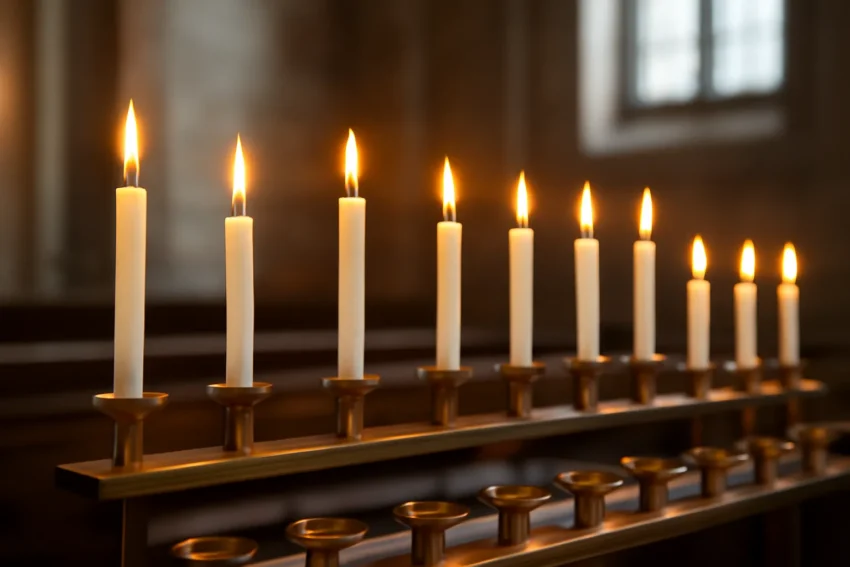
Church Candle Stands: Durable & Elegant Options for Altars
When planning sacred spaces, one often overlooked element quietly shapes the atmosphere of reverence and ritual: the humble yet indispensable church candle stand. These fixtures are more than mere vessels for light; they are functional anchors for ceremony, symbols of continuity, and statements of durability and elegance that honor centuries of liturgical tradition. In many congregations, the right candlestick or candlestick stand becomes a focal point on the altar, contributing to a solemn mood that complements hymns, prayers, and sermon. This article surveys the vast landscape of altar stands, candlestick stands, and related options, highlighting materials, design styles, practical features, and best practices for selection, maintenance, and use.
Overview of Church Candle Stands
A church candle stand is any fixture designed to securely hold one or more candles in a liturgical setting. These stands come in a range of forms, from small single-taper pedestals used on side altars to substantial, floor-standing altar candlesticks that command attention in the chancel. The purpose of these stands is twofold: ensure stability and safety, and provide a visually appropriate platform that elevates the ritual significance of the flame. In many traditions, the candle flame represents divine presence, light overcoming darkness, and the prayers of the faithful rising toward the heavens. A well-chosen candle stand reinforces those meanings through proportion, material beauty, and craftsmanship.
The terminology surrounding these pieces can vary. Some churches refer to them as candlesticks, candlestands, altar stands, or altar candelabras. Regardless of the label, the underlying purpose remains the same: to hold flame safely and to harmonize with the architectural language of the space. Whether your sanctuary leans toward traditional carved wood, Gothic metalwork, or contemporary minimalism, there are durable and elegant options available that align with liturgical needs and aesthetic preferences.
The durability and beauty of a church candle stand are largely a function of the materials used and the quality of construction. The best stands are designed to endure frequent use, resist oxidation or wear, and maintain their appearance across decades. Below is a guide to the most common materials, along with notes on pros, cons, and maintenance considerations.
Metal: Steel, Brass, and Aluminum
Metal stands offer exceptional durability and a broad range of finishes. Steel is favored for its strength and often features a powder-coated or brushed finish that resists corrosion and fingerprints. Brass or bronze stands bring a warm, timeless glow and a sense of tradition. These metals show a natural patina over time, which many churches celebrate as a sign of history and use. Aluminum provides a lighter option with corrosion resistance and a modern, clean look.
Pros: high stability, long service life, adaptable in design, resistance to tipping with proper base geometry.
Cons: brass and bronze require periodic polishing if a bright finish is desired; steel may require protection against moisture in humid environments.
When evaluating metal stands, consider the fuse between form and function. A metal stand can be crafted with intricate filigree or with a streamlined silhouette, but it should always prioritize safety features like a secure candle holder, a drip tray, and, if applicable, a neck or stem that minimizes flame contact with fabric or wood surfaces.
Wood: Solid Wood, Veneered, and Inlay
Wooden candle stands bring warmth and organic beauty to sacred spaces. Hardwood varieties such as oak, mahogany, and walnut are common for their durability and ability to hold detailed carving. Some wooden stands are crafted from sustainably harvested timber with a protective finish that resists heat and moisture. In certain churches, veneered stands offer an elegant look at a lower price point, while still retaining good durability when properly sealed.
Pros: natural beauty, tactile warmth, excellent for traditional interiors, can be carved with symbolic motifs.
Cons: wood can warp or crack if exposed to extreme humidity or rapid temperature changes; finish maintenance is required over time.
For wooden stands, the joints and the base are critical. A robust base prevents wobble on uneven floors, and a dampened or flush-fitting candle holder minimizes the risk of wax drips contacting wood. Sealing the wood with a heat-resistant varnish or oil finish prolongs the life of the stand in high-use environments.
Stone and Marble: Timeless and Formal
Stone and marble stands are commonly used in very formal or historic churches, where the material itself conveys gravitas. These are heavy, durable, and highly resistant to heat and wax damage, but they require careful placement to avoid floor damage and to ensure mobility is feasible if needed. In some designs, stone elements are combined with metal or wood to achieve a balanced, classical aesthetic.
Pros: extraordinary durability, timeless elegance, excellent for permanent installations.
Cons: heavy, difficult to relocate, higher cost, and may require professional installation.
Composite and Hybrid Materials
A growing trend in church interiors is the use of composite materials or hybrid constructions that blend metal frameworks with wooden or stone accents. These can yield light-weight, yet sturdy, options with modern finishes that still resonate with traditional spaces. Some hybrids employ cast aluminum bodies with wooden stems or marble bases to achieve both durability and visual depth. When selecting hybrids, verify that the contact points with candles are heat-resistant and that the stand’s finish protects against wax seepage and staining.
Design Styles and Aesthetic Considerations
The visual language of a church candle stand should harmonize with the architecture, furnishings, and liturgical color schemes of the space. The right design can subtly reinforce the sacred atmosphere without drawing undue attention away from the ceremony. Here are several design directions commonly encountered in sacred interiors.
Traditional and Historic Reproduction
In many older churches, traditional candle stands emulate classic European or ecclesiastical prototypes. Expect heavy bases, turned columns, and decorative motifs that echo centuries of liturgical metalwork or woodcarving. These pieces often feature ornate scrollwork, floral tracery, or Gothic-influenced profiles. They are valued for their ability to anchor a sanctuary in historical memory while serving present-day ceremonial needs.
Gothic and Baroque Influences
For architectural settings dominated by pointed arches, tracery, and dramatic verticality, Gothic-inspired stands with slender stems, tall proportions, and candelabras that reach upward can be particularly striking. Baroque-influenced stands may incorporate scrolls, acanthus leaf motifs, and sculptural elements that catch the light in a way that enhances the ambience of processions and formal liturgies.
Some churches adopt simpler, rustic lines that emphasize craftsmanship and natural material beauty. Colonial-era-inspired stands might use straightforward forms, plain finishes, and visible joinery to convey a sense of humility, warmth, and community—qualities highly valued in rural or mission churches.
Minimalist and Contemporary Expressions
In newer or renovated spaces, modern candle stands offer restrained lines, smooth surfaces, and functional silhouettes. Clean metal surfaces, unobtrusive bases, and understated forms can complement contemporary sanctuaries while preserving the candle’s central role in ritual.
Custom and Contextual Design
Some congregations opt for custom stands designed to reflect their particular theological emphases, patron saints, or local artistic traditions. Custom design might involve carved symbolism, pewter-inlaid details, or a color palette aligned with the church’s liturgical seasons. Whether commissioned from a local studio or a renowned ecclesiastical craftsman, installation considerations include access for maintenance, floor integrity, and non-slip bases.
Functional Features to Look For
Beyond aesthetics, a successful church candle stand must excel in function. The most reliable stands balance form and safety, ensuring that candles burn steadily, wax remains contained, and the flame is protected from drafts yet accessible to liturgical use.
Stability and Safety
A strong, low, and broad base minimizes tipping, particularly in spaces where processions or quick ceremonial movements occur. Look for a stand with a wide footprint, a non-slip base, and a design that distributes weight evenly. If your space has polished stone floors, consider a base with felt pads or a dedicates floor protection system to prevent scratching.
Candle Holders and Wax Management
The holder itself should grip the candle securely to prevent accidental tipping. Depending on use, you may need stands that accommodate tapers (thin, tall candles), pillar candles (wider, shorter), or thin- or medium-diameter church candles used in sacramental rites. A drip tray or properly angled cup helps contain wax, protecting the stand’s surface and the altar.
Height and Proportion
Consider the stand’s height in relation to the altar, lectern, and seating. The candle flame should be visible to the congregation without requiring attendees to crane their necks. A well-proportioned stand harmonizes with the altar’s vertical elements while remaining unobtrusive from pews. Adjustable heights can be advantageous in multi-use spaces or shared liturgical calendars.
Accessibility for Processions
In some churches, candle stands are moved during processions or altar refreshment. Mobile stands with integrated handles or lockable wheels can ease transitions. If mobility is essential, ensure wheels lock securely and do not damage floors.
Maintenance and Replaceability
Choose stands whose components can be disassembled for cleaning, wax removal, or replacement. A modular design—where the candle sockets, arms, and bases can be replaced individually—extends the fixture’s life and reduces replacement costs over time.
Placement and Use in Liturgical Settings
The placement of candle stands within a church is as important as the design itself. Thoughtful arrangement supports liturgy, improves sightlines, and enhances the acoustic experience. Here are common configurations and practical considerations.
On the main altar, stands may flank the central icon, tabernacle, or crucifix. They can serve as paired focal points or as a solitary accent against a backdrop of architectural ornamentation. When paired, ensure symmetrical spacing and symmetrical finishes to achieve balance on the raised platform.
Side Altars and Credence Tables
Smaller altars or credence tables beneath the sanctuary steps often house candle stands for votive or commemorative offerings. These locations require compact or mid-sized stands with stable bases and a finish that complements the woodwork or stone of the side spaces.
Processional and Pulpit Adjacent Stands
For services with processions or dramatic lighting moments, consider portable stands that can accompany the clergy or readiers without obstructing movement. Such stands should be light enough to be moved by one person but heavy enough to resist tipping in a crowded nave.
Lighting, Drafts, and Candle Safety
Candles are affected by room drafts. If you operate in spaces with doors opening to the outdoors or with HVAC systems, verify that the stand design mitigates flickering and wax splatter. Wind guards, hurricane globes, and shielded candle cups reduce wax loss and help maintain a steady flame.
Symbolism, Cultural Context, and Liturgical Significance
Candle stands are imbued with symbolism that resonates with theological meanings across Christian traditions. Light represents revelation, sanctity, and the presence of the divine. The candlestick, as a ritual instrument, helps focus devotion during critical moments of the service—processions, consecrations, and sacraments alike. The material choice can also convey theological messages: metals evoke durability and eternity; warm woods suggest humility and human craft; stone and marble signify permanence and antiquity.
In some denominations, the arrangement of candles may reflect liturgical color seasons: white for Easter and Christmas, purple for Lent, green for Ordinary Time, red for martyrs or Pentecost. A flexible stand program—where you can switch out holders or adjust heights—allows your altar to align with these seasonal expressions while maintaining consistency in ceremony.
Size, Scale, and Proportion Considerations
The scale of a candle stand should be evaluated in relation to the space, the altar, and the figures who participate in the liturgy. A stand that is too small may visually disappear in a large sanctuary, while one that is overly large can overwhelm delicate architectural features. Consider:
Proportions: Strive for harmony with the altar’s height and width, the overall sanctuary line, and seating alignment.
Clearance: Ensure there is comfortable space around the base for wax disposal and for clergy to move without snagging vestments or stoles.
Accessibility: Ensure the candle stands are accessible to volunteers who will light and extinguish candles during the service.
Custom, Commissioned, and Bespoke Pieces
For churches seeking a unique expression, commissioning a bespoke altar stand or a set of candlesticks can be a meaningful investment. Custom work allows you to:
Choose materials and finishes that match existing furniture and architectural elements.
Incorporate symbolic motifs or patron saint imagery in a respectful and integrated manner.
Define precise dimensions and adjustability to suit seasonal or ceremonial needs.
Collaboration with a skilled ecclesiastical craftsman or a workshop specializing in sacred metals or liturgical furniture ensures the final piece will be durable, fire-safe, and serviceable for decades. When planning a commission, discuss:
Lead times and production schedule;
Warranty and maintenance support;
Delivery, assembly, and on-site adjustment requirements;
Compatibility with candles you intend to use (tapers, pillars, or votives).
Care, Cleaning, and Preservation
Proper care extends the life and beauty of candlestands. A regular maintenance routine helps prevent wax buildup, corrosion, and surface damage. Here are practical guidelines:
Wax removal: Allow wax to cool and solidify, then gently scrape with a plastic scraper. Use warm soapy water or mineral spirits as appropriate for the finish, and avoid harsh chemicals that could damage protective coatings.
Metal finishes: Polish decorative metal elements with a cloth intended for the specific finish (brass, bronze, or stainless). Apply a thin protective wax or sealant as recommended by the manufacturer or the craftsman.
Wood finishes: Clean with a soft cloth and use heat-resistant finishes; avoid oiling or waxing that might attract dust or react with heat.
Stone or marble: Clean with a mild, pH-neutral cleaner; avoid acidic solutions that could etch the surface. Sealants may be applied periodically as recommended by the maker.
Accessibility, Fire Safety, and Operational Guidelines
Safety must be a guiding principle in selecting and using church candle stands. Adherence to fire codes and liturgical safety guidelines minimizes risk to congregants and infrastructure.
Fire safety: Choose stands with heat-resistant holders and ensure candles are fully supported to prevent tipping. Use hurricane globes or glass shields when warranted by draft or room conditions.
Spill prevention: Implement wax trays, spill guards, or cups that capture wax, especially where stands are used in high-traffic areas.
Stability: Confirm that the base is appropriate for the floor type (carpet, tile, or stone) and that the stand remains stable during light winds from doors opening or HVAC movements.
Electrical integration: In spaces with hybrid lighting, ensure that candle stands do not pose tripping hazards or accidental contact with wires or fixtures.
Buying Guide: How to Evaluate Vendors and Make a Wise Purchase
When selecting a church candle stand, consider not just price but also the long-term value, service, and compatibility with existing furnishings. Use the following criteria to evaluate potential purchases:
Durability—assess the construction quality, joinery, and finish coatings. Ask for the weight capacity and candle sizes supported by the stand.
Warranty and service—look for manufacturers or artisans offering warranties, maintenance guidance, and parts replacement options.
Finish compatibility—confirm that the finish aligns with the church’s aesthetic and will withstand candle heat, wax, and cleaning routines.
Delivery and installation—clarify shipping, handling, assembly requirements, and whether on-site installation support is included.
Maintenance support—inquire about availability of replacement parts, such as candle sockets or bases, and recommended cleaning protocols.
Budgeting and Value Considerations
The cost of a church candle stand can vary widely depending on material, size, complexity, and whether it is custom-made. Budget planning should account for:
Initial investment versus long-term durability and maintenance needs
Delivery, installation, and any required structural modifications
The possibility of phased acquisitions—starting with essential stands and expanding after the seasonal or programmatic needs evolve
Potential restoration or refurbishing costs for historic spaces
Maintenance Schedules for Longevity
A disciplined maintenance schedule keeps stands looking and functioning at their best. Consider the following routine:
Daily or weekly: visual inspection for wax buildup, wax drips on non-wax-safe surfaces, loose sockets, or wobbly bases; wipe down surfaces with appropriate cleaners for the material.
Seasonal: check for oxidation or tarnish; re-seal wood surfaces if needed; check for any creeping cracks in wooden components or movement in joints.
Annual: re-wax polished metal finishes where appropriate, and have a professional assess structural integrity for any metal fatigue or wood weakness.
Respectful Integration into Sacred Spaces
Integrating new altar stands or candlesticks into a historic church should be done with respect for the existing architecture and liturgical practices. Consultation with the church’s liturgical music director, planning committee, and clergy is valuable to ensure that new stands will contribute positively to worship without disrupting the sacred rhythm of services.
A practical step is to gather examples from nearby churches or from ecclesiastical suppliers who can provide samples or mock-ups for an approved space. When possible, request swatches of finishes, small-scale prototypes, or digital renderings to assess how a piece will look beneath arches, behind screens, or in front of a statuary centerpiece.
Careful Documentation and Policy Considerations
Large churches or diocesan properties may benefit from policy documents that describe acceptable materials, installation procedures, and maintenance responsibilities. A formal policy can cover:
Approval processes for new acquisitions
Storage and security for ceremonial items
Seasonal reconfiguration guidance for altars and side chapels
Disposal or retirement procedures for damaged or worn pieces
Case Studies: Practical Examples of Durable & Elegant Options
While every sanctuary is unique, several case studies illustrate how diverse candlestick stands can meet different needs while maintaining durability and elegant form.
A historic parish restored with bronze candlestands featuring Gothic-inspired scrollwork. The bases are heavy and stable, designed for a marble altar and polished floors, with hurricane globes for added safety in drafty transepts.
A modern church replaced bulky traditional stands with a pair of aluminum stands in a minimalist style. The new pieces maintain a ceremonial presence while reducing visual clutter and improving maintenance access.
A rural congregation commissioned oak stands with carved symbols representing their patron saint. The result blends with a rustic interior and honors local craftsmanship, while the stands accommodate standard taper candles used throughout parish life.
An urban cathedral integrated stone bases with slender metal stems to achieve a sense of permanence without overpowering the central architectural features. The combination delivers stability and a sense of timeless grandeur.
Glossary of Terms and Variations
To help navigate discussions with suppliers and clergy, here is a compact glossary of common terms and variations you may encounter:
Candlestick or candlestick stand — a device that holds one or more candles, usually with a base and stem.
Altar stand — a stand designed for installation on or near the altar table or retable.
Candelabra — a multi-armed stand, often more ornate, used in some traditional contexts.
Hurricane globe — a glass enclosure used to protect a candle flame from drafts.
Drip tray — a shallow dish or container that catches wax drips to keep surfaces clean.
Modular design — a construct where components can be replaced or reconfigured without replacing the entire unit.
Conclusion: Choosing the Right Church Candle Stands for Your Space
In the end, church candle stands are more than functional accessories—they are expressions of a church’s identity, theology, and sense of hospitality toward worshippers. The best options combine durability, elegance, and operational practicality, ensuring they serve generations of liturgical life. Whether your sanctuary favors the weight and dignity of classical stone and bronze pieces, the warmth and craft of wooden stands, or the contemporary clarity of aluminum forms, there are stands designed to fit your architectural language and your community’s ceremonial needs.
By considering materials, design aesthetics, safety features, maintenance, and budget together, you can select altar candlestands and related equipment that elevate the liturgy without overshadowing it. The right combination will illuminate the altar, respect the space’s history, and support the faithful as they gather to celebrate the sacred mysteries. Remember that durability paired with beauty is not a contradiction; it is a practical expression of reverence, ministry, and enduring craftsmanship.