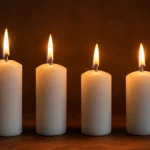
In many houses of worship, the church candle holder is more than a simple accessory. It is a functional element that supports liturgy, ritual, and memory, while also contributing to the overall atmosphere of reverence and beauty. From the gentle glow of a solitary candle at a bedside vigil to the grand display of multiple flames along a ceremonial procession, the right candle holder can transform space, light, and mood. This article explores durable and stylish options for chapels, sanctuaries, and other sacred spaces, with attention to materials, construction, design, and practical considerations that matter to clergy, custodians, and congregants alike. Whether you are outfitting a small chapel, renovating a sanctuary, or selecting a few pieces for seasonal rituals, this guide will help you choose pieces that honor tradition while offering lasting value.
The role of lighting in worship is deliberate. Candles symbolize presence, prayer, and remembrance, and the altar candle holder or sanctuary candlestick must endure repeated use across many years. Durability is about more than resisting dents or scratches; it is about safety, maintenance, and long-term cost efficiency.
Safety and reliability: In busy chapels, candles are lit and extinguished during services, vigils, and ceremonies. A well-built holder minimizes wax drips, reduces tipping, and prevents hot wax from splashing onto floors or altars.
Consistent performance: Durable designs maintain their form and finish despite frequent handling, cleaning, and repositioning for various processions or liturgical settings.
Long-term value: A sturdily crafted candle stand or wall sconce typically outlasts cheaper alternatives, reducing replacement cycles and maintenance costs over decades.
Safety standards: High-quality materials with stable bases and non-slip feet lower the risk of accidents, especially in spaces that host elderly congregants or children during events.
Architectural cohesion: Durable pieces that resist wear while mirroring the church’s architectural language reinforce a sense of integrity and continuity in worship spaces.
Materials and Craftsmanship
The materials chosen for church candle holders influence not only resilience but also aesthetics, maintenance, and compatibility with liturgical colors and finishes. Across styles—from traditional to contemporary—the best pieces balance function with beauty.
Metalwork: Brass, Bronze, Iron, and Stainless Steel
Metals are a cornerstone of durable candle holders. Hand-forged brass or oil-rubbed bronze deliver warmth and classic elegance that echo historic sanctuaries. Polished bronze, brass, or nickel finishes can be highly reflective or softly aged to emphasize solemnity. Stainless steel offers modern resilience and low maintenance, especially in humid climates or spaces with variable temperatures.
Advantages of metal-based holders include excellent heat resistance, rigidity, and a weight that anchors the piece to its location.
Consider options with lead-free alloys and certified finishes to prevent unwanted chemical exposure near worshippers.
Openwork or filigree metal designs can add architectural texture while remaining sturdy.
Glass, Crystal, and Transparent Choices
Glass or crystal components create a luminous glow that enhances candlelight. When paired with metal frames, they can appear both delicate and durable, provided the joints are reinforced and the glass is tempered or laminated where appropriate.
Use tempered glass or shatter-resistant crystal to reduce the risk of breakage during transport or cleaning.
Consider beaded or etched glass accents for ceremonial occasions, ensuring these embellishments do not compromise stability.
Transparent elements work well in larger chapels, helping light to travel without visual clutter.
Natural materials like oak, mahogany, or walnut connect with traditional ecclesiastical interiors. Stone bases or composite materials can add weight and permanence. When using wood, select finishes that are sealed and waxed to resist wax seepage and moisture damage.
Styles and Aesthetic Considerations
A successful church candle holder harmonizes with the chapel’s architectural language. The design should reflect liturgical purpose while offering versatility across seasons and ceremonies.
Traditional and Gothic Influences
For spaces rooted in history, look for ornate shapes, acanthus leaf motifs, and cross-bearing finials. Traditional altar stands and wall sconces often feature generous proportions, gentle curves, and a time-honored patina that deepens with age.
Filigree, scrollwork, and carved bases in medieval-inspired designs evoke the dignity of past eras.
Large, freestanding candlesticks can serve as dramatic focal points on the chancel or at the foot of the altar.
Modern and Minimalist Approaches
Contemporary chapels may favor clean lines, geometric forms, and restrained color palettes. A modern church candle holder can emphasize function, with modular components, subtle textures, and seamless integration with existing lighting systems.
Monolithic, single-piece silhouettes in matte metals offer understated elegance.
Wall-mounted sconces with concealed wiring create a sleek, uncluttered ambience while maintaining safety.
Ecumenical and Interfaith Design Considerations
In multi-faith facilities or interfaith spaces, design choices may focus on inclusivity, universal symbolism, and neutral aesthetics. Materials should resist staining, be easy to clean, and be versatile enough to support various liturgies without signaling a single tradition too strongly.
Types of Candle Holders for Chapels
There are several categories of candle holders suitable for different parts of a chapel. Each type has unique strengths, installation requirements, and maintenance considerations. Here, we highlight common forms and their best-use scenarios.
Altar candlesticks: The classic centerpiece for altar spaces. These freestanding units typically come in pairs or groups and are designed for stable, ceremonial use. They may feature tall stems, wide bases, and decorative capitals that draw the eye toward the lit flame.
Wall-mounted candle Sconces: Ideal for sanctuaries with limited floor space or for directing light along aisles and niches. Sconces can be grouped in rows or placed singly at strategic sightlines.
Processional candlesticks: Lightweight, portable holders designed to accompany processions. They balance ease of carrying with secure flame containment and wax management.
Candle pillars and pillar holders: Freestanding, multi-candle displays that provide a strong visual statement. They are often used in larger chapels to create a radiant backdrop for ceremonies.
Votive candle holders: Smaller, accessible for personal devotion near pews or prayer corners. These are frequently used in memory vignettes or devotional alcoves.
Tabletop or freestanding lamps with candle inserts: Hybrid solutions that blend candlelight with modern lighting technology when necessary for readings or quiet hours.
Lancet and niche mountings: Integrated into architectural niches or altars for a seamless look that respects space constraints while delivering reliable illumination.
Safety is a foundational concern when selecting and installing candlestick and altar candle holder equipment in any religious space. Proper design, installation, and routine maintenance reduce risks and extend the life of the pieces.
Installation and Mounting
A well-mounted holder minimizes wobble, reduces wax spillage, and prevents accidental tipping. Choose mounting hardware that matches the material of the wall or altar and that is rated for heat exposure and weight.
Use appropriate anchors and fasteners for the wall material (brick, plaster, drywall, wood).
Ensure that wall sconces and brackets are level and secure before lighting candles.
Consider using protective shields or wax guards to capture drips and protect finishes.
Strategic placement enhances illumination, visibility, and ceremonial impact. Consider line-of-sight, audience seating, and the flow of processions when locating each holder.
Sightlines: Position altar candle holders so flames are visible to the congregation without creating glare or distraction for readers and singers.
Proximity: Place candles where they illuminate key symbols (cross, lectern, choir) but avoid direct exposure to aggressive heat or drafts that could extinguish flames or blow wax.
Access: Ensure caregivers and clergy can safely reach the candles for lighting and extinguishing, with consideration for step stools or built-in ladders if needed.
Fire safety zones: Respect fire codes by maintaining clear space around each holder and providing appropriate extinguishing equipment nearby.
Durable Features: A Buying Guide
When evaluating potential altar candle holders, prioritize features that contribute to durability, safety, and compatibility with liturgical needs. Here are critical considerations to guide decision-making.
Weight and base stability: A wide, weighted base reduces tipping risk and supports taller stems in draft-prone interiors.
Heat resistance: Materials should withstand repeated exposure to heat and wax without warping or discoloration.
Finish longevity: Coatings should resist tarnish, fingerprints, and wax residue. Look for seals that maintain color stability over time.
Modularity: Some designs allow you to interchange inserts or convert a candle holder to accommodate different candle diameters or sizes.
Accessibility: Designs should be forgiving for cleaners and clergy to operate, with smooth surfaces and minimal tight joints where wax can accumulate.
The investment in a church candle holder can range widely, depending on materials, craftsmanship, and whether the piece is custom-made. Consider not only the upfront price but the long-term value, including maintenance, safety, and the piece’s ability to adapt to changing liturgical needs.
Budgeting: Determine a price range that aligns with the chapel’s overall renovation plan and annual maintenance budgets. Moderate-cost options in durable metals can yield substantial long-term savings.
Customization: Commissioned pieces tailored to the chapel’s dimensions, color scheme, or symbolic themes can enhance cohesion. Custom inlays, engravings, and finishes can add personal significance without sacrificing durability.
Warranty and service: A solid warranty and accessible service support can significantly affect the lifecycle cost of these pieces, especially in high-use environments.
Sustainability and Ethics
Ethical sourcing and environmental responsibility matter to many congregations today. When selecting candlestick lighting fixtures, consider the environmental footprint of the materials, as well as labor practices involved in production.
Locally sourced materials: When possible, choose pieces manufactured nearby to reduce transportation emissions and support local artisans.
Recycled metals: Some manufacturers offer recycled or reclaimed metal options that deliver the same durability with a smaller environmental impact.
Non-toxic finishes: Look for finishes and coatings that are free from harmful chemicals and safe for indoor environments where people spend extended time.
Proper care protects investment and preserves the beauty of your lighting elements. A practical care routine extends service life and ensures consistent performance for ceremonial use.
Regular dusting: Use a soft cloth to remove dust and wax fragments after services. Regular cleaning prevents buildup that can dull finishes.
Wax removal: For stubborn wax, soften with warm (not hot) water and gently scrape with a non-metallic tool. Avoid aggressive scrubbing that could mar finishes.
Polishing: Use appropriate polishes for the specific metal or finish. Avoid abrasive materials that could scratch or strip protective coatings.
Inspection: Periodically check for loose joints, cracks, or changes in alignment. Tighten screws and secure mounts as needed.
Storage: When not in use, store pieces in a dry, clean environment. If storing for long periods, consider wrapping with soft cloth to prevent scratches.
Case Studies: From Small Chapels to Grand Sanctuaries
Real-world applications illustrate how different church candle holders can elevate worship spaces. Below are representative scenarios that highlight design choices, installation strategies, and outcomes.
Small rural chapel: A pair of compact altar candlesticks in brushed brass flank a modest altar. The base is weighted for stability, and the simple silhouette complements traditional woodwork without overpowering the space. The result is a quiet, dignified cadence of light during prayers.
Medium urban sanctuary: Wall-mounted sconces with a contemporary satin nickel finish illuminate a high pulpit area. The sconces are modular, allowing reassignment as liturgical needs shift. The combination of steel and glass creates a luminous backdrop for readings and choirs.
Grand cathedral: A central chandelier and multiple candlestick stands with ornate capitals create a dramatic, ceremonial ambience. The design integrates with stone arches and stained glass, contributing to a sense of timeless grandeur while delivering reliable glow for long services.
Frequently Asked Questions
Here are answers to common questions about investing in and maintaining church candle holders.
What materials are the most durable for church candle holders?
Metal-based designs—especially bronze, brass, and stainless steel—are among the most durable, with glass or tempered components for visual light diffusion. Look for solid bases and reinforced joints.
How many candles should a typical altar hold?
That depends on space and ritual requirements. A traditional setup might feature two or four main candlesticks flanking the altar, with additional votives placed in devotional niches. Always balance aesthetic impact with fire safety and sightlines.
Is custom fabrication worth the extra cost?
For chapels with distinctive architectural details or symbolic motifs, custom pieces can reinforce identity and ensure perfect fit. They also allow for precise finishes and finishes that match other liturgical objects.
What maintenance routines are essential?
Regular dusting, wax residue removal, and periodic inspection of mounting hardware are essential. Keep wax away from fabrics, wood, and paintwork to preserve surfaces over time.
The choice of church candle holders—whether traditional altar candlesticks, modern wall sconces, or flexible candles stands—is about more than aesthetics. It is an investment in safety, ceremony, and communal memory. Durable materials, thoughtful design, and careful installation ensure that candlelight continues to illuminate sacred spaces with dignity for generations to come. By considering materials, craftsmanship, styles, safety, and maintenance, churches can select pieces that honor tradition while embracing enduring practicality. In the end, the right candle holder is one that elevates worship through light—quietly, consistently, and beautifully.