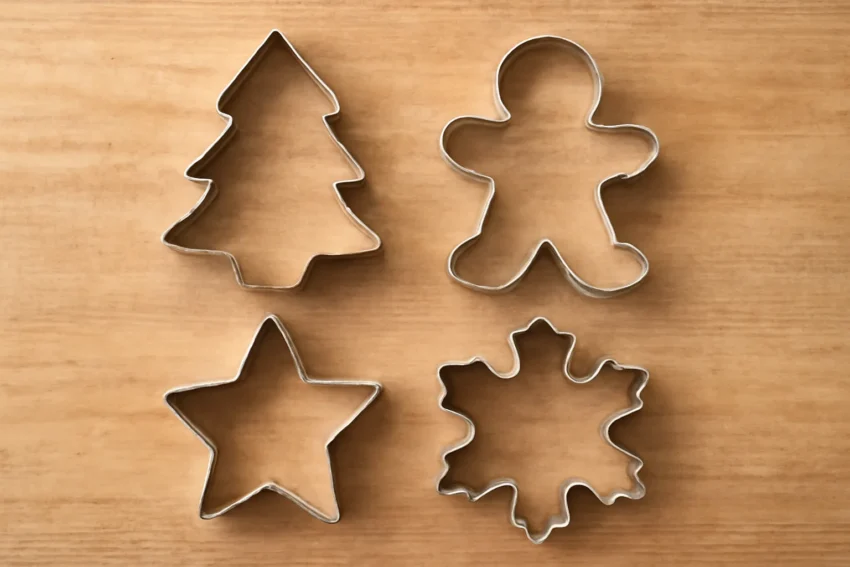
Christmas Pastry Cutters: The Ultimate Guide to Festive Baking Tools
Whether you’re an occasional holiday baker or a seasoned pastry pro, the right pastry cutters can transform everyday dough into scenes of winter wonder. Christmas pastry cutters, also known as holiday cookie cutters or seasonal cookie cutters, are the small but mighty tools that bring shapes, stories, and texture to your baking. From classic stars and trees to ornate victorian bells and whimsical snowmen, these cutters help you craft edible decorations that brighten dessert plates, gift tins, and party trays. In this comprehensive guide, you’ll discover how these tools work, what options exist, how to choose them, and how to use them to their fullest potential. We’ll cover materials, shapes, techniques, care, and creative applications so you can assemble a versatile set of cutters that serves every festive occasion.
What are Christmas pastry cutters?
Christmas pastry cutters are handheld tools designed to cut and shape dough, fondant, gum paste, and other pliable edible mediums into predefined forms. They may be built solely for cookie dough, or they may double as embossers and stampers for decorative effects on pies, cakes, and pastries. The core idea behind these cutters is simple: a rigid, sharpened edge on a handle or frame that presses through dough cleanly while leaving a precise, repeatable silhouette. In addition to cookie dough, you’ll often see cutters used for:
Fondant and gum paste shaping
Shortcrust pastry edges for decorative borders
Pie crust stamps that imprint patterns
Marzipan and chocolate shaping for edible toppers
Historically, metal cutters emerged as the standard for professional bakers, while plastic cutters gained popularity for home use due to lighter weight and colorful aesthetics. Today, you’ll find an impressive diversity of designs, materials, and price points, all aimed at making festive baking more efficient and more delightful. When you choose a set of Christmas pastry cutters, you’re selecting not only shapes but also the ease with which you can repeat complex motifs, the durability of the tool, and the overall experience of creating holiday treats.
Types of Christmas pastry cutters
Cookie cutters
The most common category, these cutters are designed specifically for rolled dough. You roll your dough to a uniform thickness, press the cutter down, and lift away the excess dough to reveal the shape. Classic cookie cutters are often made of tin or stainless steel, with some plastic versions for beginners and kids. High-quality metal cutters tend to produce crisper edges and cleaner transfer, especially when the dough is well-chilled.
Classic shapes such as stars, trees, bells, candy canes, snowflakes, and gingerbread men.
Complex and seasonal designs including reindeer, snowflakes with intricate cutouts, and wreaths.
Size variety ranges from mini (for bite-sized cookies) to large (for cut-out centerpieces or cookie platters).
Fondant and gum paste cutters
These cutters excel at cutting pliable icing mediums into precise, often more delicate shapes. Fondant cutters are typically used with rolled fondant to decorate cakes, cupcakes, and occasion desserts. They can be combined with embossers to create subtle textures or to generate negative space silhouettes that reveal contrasting icing beneath.
Soft-edge edges reduce tearing while cutting fondant.
Jewelry-like shapes and interlocking motifs are popular for elegant holiday cakes.
Stackable designs allow for multi-layered decorations with consistent sizing.
Pie and pastry stampers
Some cutters double as edge stamps or stamps for decorative impressions on shortcrust pastry or puff pastry. These tools let you press a pattern into the top edge or surface of a pie before baking, adding a decorative element that bakes into the crust. Edges and borders can be stamped repeatedly around a circular pie, or a single focal motif can be placed in the center for a holiday tart.
Embossing impressions add texture without needing to cut out multiple shapes.
Edge patterns help with sealing and crimping pastry for a professional finish.
Specialty and novelty cutters
In addition to the traditional shapes, you’ll find cutters designed for specific themes and occasions. These include:
Nativity and manger scenes
Winter wildlife such as owls, penguins, and polar bears
Holiday symbols like stockings, holly, candles, and ornaments
Novelty cutters are great for kids’ activities, party favors, and themed cookie plates. If you regularly host a Christmas brunch or cookie exchange, a small collection of specialty shapes can yield a wide range of display options with minimal effort.
Materials and construction
Stainless steel
Stainless steel cutters are favored for durability, edge sharpness, and long life. They resist rust, hold a clean edge, and perform well with a broad range of doughs, from sugar cookies to shortbread. High-quality stainless steel cutters often feature rolled edges on the mouth opening to protect fingers and provide a smoother cutting experience. They’re typically dishwasher-safe, though hand washing can extend their life and prevent dulling of any coatings.
Pros: Durability, clean cuts, ease of cleaning, professional feel.
Cons: Heavier than plastic; more expensive in some cases; can bend with rough handling.
Plastic and silicone
Plastic cutters are lightweight, inexpensive, and kid-friendly. They’re ideal for beginners, craft projects, or travel. Some silicone or flexible plastic cutters double as stamps for embossing surfaces. The downside is that they may not hold as sharp a cut as metal cutters and can wear over time with frequent use on stiff doughs. Temperature limits also apply; extremely hot or cold doughs can warp or crack plastic cutters if not rated for such use.
Pros: Lightweight, colorful, inexpensive, great for kids.
Cons: Less durable, potential warping, edges may be less precise.
Copper
Copper cutters have a long association with classic baking. They’re often praised for their sharpness and the way they cut through dough with less drag. Copper cutters require more maintenance; they should be regularly cleaned and dried to prevent tarnish, and some bakers prefer to lacquer or seal copper to protect the finish. Copper cutters can add a particular sparkle to your tool collection and can be a stylish aesthetic choice for an artisanal kitchen.
Pros: Sharp cutting edge, traditional look, smooth dough transfer.
Cons: Prone to patina unless treated; more maintenance; usually more expensive.
Materials and care tips
Regardless of material, the following care practices help extend the life of your Christmas pastry cutters:
Wash promptly after use to prevent dough from drying and sticking to edges.
Dry thoroughly to avoid rust on metal cutters; for copper, consider using a light protective coating or polishing to maintain shine.
Avoid harsh abrasives that can dull or scratch edges; use a soft brush or sponge.
Store cutters with protective sleeves or in a dedicated organizer to prevent bending and edge damage.
Shapes and design trends for festive baking
The shapes you choose set the mood for your Christmas dessert table. Here are some trends and classic motifs you’ll frequently encounter in modern sets:
Classic holiday shapes (stars, trees, bells, candy canes) that read instantly as Christmas signals on a plate.
Winter wonderland motifs like snowflakes, mittens, snowmen, and pine cones that evoke the season’s textures.
Nativity and traditional scenes for religious observances and cards-inspired presentations.
Ornamental and geometric designs for elegant and contemporary displays, including intricate filigree and lattice patterns.
Animal and nature motifs such as reindeer, birds, owls, and holly leaves that add whimsy and warmth.
When selecting shapes, consider how they will combine on a platter or around a cookie wreath. Mixing large statement shapes with smaller accents creates dynamic arrangements. If you bake with family members, a set of kid-friendly shapes can encourage participation and foster a sense of shared tradition during the holiday season.
How to choose the right set for your kitchen
Assess your dough and baking routine
Different doughs respond differently to various cutters. A few practical guidelines:
Sugar cookies press cleanly with well-made metal cutters that have sharp, rolled edges. Chill the dough well to minimize spreading and ensure crisp edges.
Gingerbread dough is sturdy but can stick if the dough is too soft or sticky. High-quality metal cutters with smooth edges help maintain detail without tearing.
Fondant and gum paste require cutters designed for softer mediums; plastic or flexible cutters can be advantageous when working with delicate icing.
Size, variety, and storage considerations
Think about how you’ll store and access your cutters during the holiday rush. A well-organized cabinet or a rolling cart with labeled compartments makes it easier to grab the shapes you want. Consider a combination of:
Core set of 6–10 versatile shapes (stars, trees, bells, snowflakes, reindeers, stockings).
Seasonal add-ons for occasional flavors or themes (ornaments, sleds, candy canes, winter fruits).
Mini cutters for bite-sized treats or cookie presses.
Durability and maintenance expectations
If you bake frequently or for large gatherings, invest in a few durable metal cutters rather than an entire plastic collection. The extra cost pays off in resilience, sharper cuts, and longer service life. For casual bakers, a plastic starter set can be a fun and approachable option, with the understanding that it may wear more quickly under frequent use or with stiffer doughs.
Using Christmas pastry cutters effectively: a practical guide
Prep and chilling strategy
Successful cutting begins with dough that’s properly prepared. Here are practical steps to maximize cutter performance:
Chill the dough before rolling. A cold dough holds its shape and releases more cleanly from the cutter.
Flour or parchment the surface lightly to prevent sticking, especially for highly detailed shapes.
Roll to a uniform thickness. A consistent thickness ensures every cut is even and the edges are crisp.
Dip the cutter’s edge in flour before each press to reduce sticking for intricate designs.
Press firmly and lift straight up to maintain design details and reduce distortion.
Cutting technique for sharp edges
For crisp edges that hold well during baking, consider these tips:
Apply a quick, confident downward press and rotate the dough as needed to prevent dragging.
For very delicate shapes (like snowflakes), use a light pressing action and support the dough from underneath with a spatula to maintain shape.
After cutting, gently transfer shapes to a baking sheet using a thin spatula or by sliding the dough on its cut-out outline. This minimizes distortion.
Re-rolling scraps and maximizing yield
Don’t discard scraps of dough. Re-roll them carefully, maintaining a consistent thickness. With cookies, often you can re-roll dough two to three times, depending on the dough’s elasticity. To avoid tough results, chill the dough between re-rolls if it becomes warm during handling.
Decorating and finishing touches
Once your shapes are cut and baked and cooled, you can go beyond basic icing. Consider:
Royal icing for crisp details; outline shapes first, then flood the interior for a smooth surface.
Fondant accents for a smooth, polished finish on star-topped cookies and cake toppers.
Pearl dust or edible glitter for subtle shimmer on snowflakes and trees.
Pause and segment color palettes by theme (classic red-green, icy blue-silver, or warm spice tones) to create cohesive trays.
Creative uses beyond cookies
Decorative crusts and pies
Some cutters are well suited to decorating pastry crusts for pies and tarts. You can use butter or shortcrust dough to stamp or cut patterns around the edge or to create elaborate lattice motifs. This adds a wintery aesthetic to dessert displays and can become a signature element of your holiday baking set.
Fondant-centered cake decorations
Editors and home bakers alike use Christmas pastry cutters to cut fondant shapes for cake toppers, borders, and accents. When working with fondant, a light dusting of cornstarch or powdered sugar keeps the cutter from sticking and preserves intricate edges. These shapes can be layered or combined with edible adhesives to create multi-dimensional cake décor.
Gum paste and sugarcraft embellishments
For more elaborate cake decorations, gum paste works best with cutters designed for delicate work. After cutting, you’ll want to dry shapes on foam mannequins or skewers to maintain three-dimensional form. These elements can serve as toppers for anniversary or Christmas cakes and can be dusted with luster powder for a special event shine.
Edible stamps and embossing
Cutters that double as stamps can be used to emboss patterns onto fondant surfaces or baked dough. An embossed pattern adds texture and a tactile quality to cookies and pastries, which elevates simple shapes into museum-caliber treats for festive gatherings.
Care, storage, and long-term maintenance
Cleaning routines
After each use, rinse cutters under warm water to remove dough and icing residue. For metal cutters, a light wash with mild dish soap is usually sufficient. Dry thoroughly to prevent rust, especially on steel and copper. For intricate shapes, a soft brush can help dislodge trapped dough without bending the edges.
Rust prevention and metal care
To minimize rust on metal cutters, avoid soaking for long periods. Dry immediately and store in a dry place. If you notice minor rust spots, you can gently rub with a paste of baking soda and water, then rinse and dry. For copper cutters, a gentle polish with a copper cleaner or a mixture of lemon juice and salt can restore shine and create a protective barrier. If you prefer low maintenance, consider sealed copper options or opting for stainless steel with no patina concerns.
Organization tips
Storing cutters in a dedicated container or drawer tray helps maintain their shape and accessibility. Consider:
Clear divisions for different shapes or themes so you can quickly locate what you need.
A transparent zip-top organizer for protection against dust and moisture in a pantry or holiday workshop.
Labeling shapes by size and motif, which is especially helpful when you’re working with a large family or planning a cookie exchange schedule.
Budgeting, buying guides, and where to shop
Setting a budget
Prices for Christmas pastry cutters span a wide range. A basic plastic starter set can be affordable and perfect for beginners or kids, while a premium stainless steel or copper collection can be a long-term investment for serious bakers. When budgeting, consider:
The number of shapes you’ll realistically use in a season
Storage space and organization needs
Maintenance expectations and cleaning frequency
What to look for when shopping
When evaluating a potential purchase, pay attention to:
Edge quality: clean, sharp edges without burrs, especially for intricate shapes.
Material: choose based on your baking style and willingness to care for maintenance.
Fit with dough: ensure the cutter doesn’t require excessive flouring or causes tearing.
Dishwasher compatibility if you expect to wash mechanically; note that some folks prefer hand-washing for longevity.
Stability and grip: handles or rims that feel comfortable in the hand, especially for children or people with limited dexterity.
Where to buy
You’ll find Christmas pastry cutters at kitchenware stores, department stores during the holiday season, and online marketplaces. Look for:
Sets that include a range of sizes and shapes for flexibility
Seasonal collections that align with holiday themes and gift-giving occasions
Limited-edition designs that offer distinctive shapes for display and novelty
Ethics, sustainability, and thoughtful shopping
As with many kitchen tools, the environmental footprint of pastry cutters varies by material and production process. Consider these points when shopping:
Choose durable, long-lasting cutters to reduce waste from frequent replacements.
Prefer materials that are recyclable or sourced from responsible suppliers when available.
Look for non-toxic finishes and coatings, especially for children’s sets.
Support brands that provide repair or replacement services for damaged tools, encouraging longevity over disposability.
DIY options: making your own cutters and customizing existing sets
3D printing your own designs
With access to a 3D printer, you can create custom holiday cutters tailored to your family traditions. 3D-printed cutters are typically used with cookie doughs and can reproduce very fine details. Consider printing with food-safe filaments and finishing edges to avoid rough edges. You can design shapes that reflect your unique holiday stories, such as family initials encircled by holly, personalized ornaments, or a custom nativity scene plan for a baking project.
Handcrafting and modifying metal cutters
Some bakers enjoy modifying existing cutters to suit a specific theme. This might include:
Polishing edges to ensure crisp cuts on delicate doughs
Affixing additional handles or grip enhancements for easier use
Combining shapes to create composite motifs, such as layering a tree above a star
When engaging in modifications, take care not to alter the edge integrity or the cutter’s structural stability. If you’re not confident, seek assistance from a local maker space or a professional who offers cutter customization.
Safety considerations for festive baking with cutters
As with any kitchen tool, safe usage is essential, especially when children are involved. Here are practical safety reminders:
Supervise kids closely when using cookie cutters; use kid-friendly shapes and softer doughs for practice.
Avoid sharp edges that could pinch fingers; prefer cutters with rounded, protected edges for younger bakers.
Keep cutters dry to prevent rust and to maintain cutting performance.
Inspect for burrs regularly and replace if edges feel rough or unsafe.
Holiday baking traditions and the role of cutters
In many households, Christmas pastries are a shared tradition that signals the arrival of the festive season. Christmas pastry cutters contribute to these rituals by:
Creating family craft moments as everyone participates in rolling dough, cutting shapes, and embellishing decorations.
Providing visual storytelling on a cookie tray—different shapes can reflect favorite holiday memories or seasonal motifs.
Serving as keepsakes when stored in heirloom tins; well-made cutters often last for generations, becoming part of the family’s annual repertoire.
Seasonal display ideas and serving suggestions
How you present your baked treats can elevate the entire experience. Here are some ideas for using Christmas pastry cutters to craft a memorable dessert spread:
Cookie wreath: Arrange star-shaped cookies in a circular pattern on a platter, alternating sizes to mimic a wreath. Dust with icing sugar and place a small red ribbon as a focal point.
Tree centerpiece: Bake tree-shaped cookies in varying sizes, stack them with small gaps to suggest a forest, and decorate with edible glitter or colored icing.
Advent selections: Create a countdown tray with different small shapes—stars for Sundays of Advent, bells for weekdays—paired with a small note explaining the symbolism.
Gift-ready boxes: Bake and decorate cookies, then package them in decorative tins with a simple paper liner, showcasing a selection of shapes that tell a holiday story.
Conclusion: building your festive toolkit
Christmas pastry cutters are more than just tools; they are enablers of tradition, creativity, and social joy. By selecting shapes that match your menu, choosing materials that balance durability with maintenance, and employing thoughtful techniques for cutting, decorating, and presenting, you can elevate your festive baking to a memorable experience. Whether you lean toward timeless silhouettes or prefer a curated collection of modern and whimsical designs, the right assortment of holiday cookie cutters can become a cornerstone of your annual celebrations. With the guidance in this guide, you can build a versatile, enduring, and aesthetically pleasing set of Christmas pastry cutters—ready to bring joy to your kitchen, your guests, and your holiday memories for years to come.