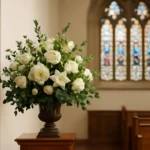
Wedding flowers in a church setting carry a special weight. They illuminate a sacred space, honor centuries-old rituals, and frame one of the most photographed moments in a couple’s life. When you plan church wedding decor, you’re not just choosing blooms; you’re shaping an atmosphere that reflects reverence, beauty, and personal meaning. This guide explores church wedding flowers from many angles—from practical considerations and design styles to seasonal palettes, sustainability, and day-of logistics. Whether your ceremony is in a centuries-old cathedral, a quiet parish, or a modern chapel, thoughtful floral design can elevate the ceremony without overwhelming the architecture or the liturgy.
Choosing the right church wedding flowers begins with understanding the space, the rules of the church, and the tone you want for the ceremony. Churches often have tall ceilings, long aisles, and prominent altars that demand arrangements with scale, proportion, and durability. The best floral plan respects the architecture while adding warmth and color. Here are key considerations to guide your decision.
Space, Scale, and Architectural Voice
Before committing to any design, take a walk through the sanctuary with your florist or planner. Note the altar, organ pipes, stained glass, baldachin, pulpit, and any memorial plaques. Ask yourself:
Which features should be highlighted, and which should remain unadorned?
Will the arrangement size scale with the nave width and the altar’s footprint?
How will the altar decor contrast with the church’s color palette and lighting?
In many churches, restraint is a virtue. A grand bouquet at the altar can be stunning, but so can a series of smaller arrangements on the side chapels or a light aisle treatment that draws the eye forward without blocking sightlines.
Season, Availability, and Longevity of Blooms
Seasonality shapes both beauty and budget. Seasonal church wedding flowers are typically more abundant, fresher, and more economical. If you’re tied to a specific bloom—say, peonies in late spring—your florist can suggest graceful substitutes or a timeline that ensures you still achieve the look you want. Consider:
Which blooms are at their peak during your ceremony window?
Which varieties hold up well in church lighting and cooler-temperature rooms?
Would you prefer fragrance-free or lightly scented arrangements to respect parishioners with sensitivities?
Color, Symbolism, and Personal Meaning
Colors in church weddings often carry symbolic weight. Whites and creams convey purity and reverence; blush tones can soften the space; deeper hues can add drama or tradition. If your faith tradition has color associations for certain seasons (e.g., violet for Lent or white for Easter), you may want to align with those conventions. That said, modern ceremonies often mix personal symbolism with liturgical color logic to create a design that feels both sacred and contemporary.
Floral Styles for Sacred Spaces
The style you choose for church wedding flowers should harmonize with the ceremony’s tone and the building’s architecture. Here are several approaches that work well in sacred spaces, along with practical tips for execution.
Classic altar decor emphasizes symmetry and formality. Think tall pedestals with cascading blooms, a central arrangement that rises above a lace or linen-draped altar cloth, and cropped greenery to soften edges. Traditional arrangements can incorporate:
Roses, hydrangeas, lilies, and peonies as anchor blooms
Greenery such as ruscus, olive, eucalyptus, or fern for texture
Metallic accents or candles in holders that coordinate with church aesthetics
Garden-Inspired and Romantic Arrangements
Ceremonies that want a softer, more romantic atmosphere often favor garden-inspired looks. Loose, natural shapes with plenty of texture create a welcoming, intimate mood. Elements to consider include:
Soft petals, asymmetrical clusters, and cascading greens
Fruit, berries, or delicate branches for a touch of whimsy
Low profile arrangements that allow sightlines and worship practices to remain unobstructed
Minimalist and Modern Sacred Decor
For churches with clean lines and modern architecture, minimalist designs can be striking. Use a restrained palette, negative space, and architectural blooms that echo the structure’s geometry. Consider:
Three to five monolithic arrangements along the altar or in front of the lectern
Single-stem statements or linear runners that create a calm rhythm
Where allowed, delicate draping or linear greens to emphasize vertical lines
If the church welcomes a more rustic vibe—think farm-to-church or countryside chapels—then rustic arrangements with wildflower textures can feel appropriate. Elements to explore:
Wildflowers, seed pods, and airy fillers
Wooden vessels, mason jars, or earthenware containers
Loose, unstructured forms that look freshly picked
Altar and Aisle Decor
Altar and aisle decorations frame the couple’s vows and provide the most photographed moments of the ceremony. Thoughtful planning ensures these elements enhance the ritual rather than compete with it.
Altar Decor: Focus with Respect
Altar arrangements should be visible from the pews but not overwhelm the sacred space. Practical tips:
Use stable containers and weighty stems to withstand church air currents and lighting
Consider low-lying arrangements that won’t obstruct the officiant or the couple
Coordinate with the liturgical colors for the season
Aisle and Pew Decor
Aisle markers and pew decorations create a path of beauty toward the altar. Popular options include:
Floral garlands or swags attached to pews with ribbons or twine
Petal strobes or scattered sprigs along the aisle edges for a subtle effect
Lanterns or candles (where permitted) to add a warm glow during a twilight or evening ceremony
Bouquet Toss, Boutonnieres, and Corsages
Small floral accents for the wedding party are a classic touch. Practical notes:
Bouquets that are easy to hold, with secure stems to prevent snagging fabrics
Boutonnieres that coordinate with the color story but avoid overpowering the groom’s attire
Corsages for family members or honored guests, chosen to be comfortable and lasting
Bouquets, Corsages, and Boutonnieres
The wedding party’s flowers are extensions of the couple’s story. Here are approaches to ensure harmony and longevity throughout the ceremony and photos.
Wedding Party Bouquets
Bouquets should be manageable and balanced with the dress silhouette. Consider:
Proportion to the bride’s bouquet size and dress style
Blooms with sturdier stems if the bouquet will be handled for a long period
Color coordination to the bridesmaids’ gowns and the ceremony’s palette
Florals for the Groom and Groomsmen
Boutonnieres can echo the bridal bouquet while remaining compact. Consider:
Single blooms with a touch of greenery for a clean, classic look
Simple ribbons or pins that stay secure on suit lapels
Corsages for Mothers and Guests
Corsages should be tasteful and comfortable. Use:
Two-to-three small blooms or a compact arrangement
Non-scratch surfaces and easily adjustable pins
Seasonal Selections and Palette
The season heavily influences the availability and cost of blooms. A well-curated seasonal palette can deliver maximum beauty with sensible budgets. Here’s how to approach color and flower choices across the year.
Spring Delights
Spring is about fresh growth and soft pastel tones. Consider:
Blush roses, peonies, ranunculus, anemones
Bright greens like Italian ruscus and lemon leaf
Light lily accents for fragrance without overpowering the space
Summer Brilliance
Summer offers bold color and lush textures. Options include:
Hydrangea, garden roses, dahlias, lilies
Sunflowers or bright zinnias for a joyful statement (where appropriate)
Greens like eucalyptus and ruscus to maintain weight without crowding
Autumn Eloquence
Autumn palettes bring warmth and depth. Think:
Maroons, burnt oranges, deep purples, and forest greens
Textured elements such as berries, seed pods, and grasses
Rustic containers and natural materials to echo the season
Winter Grace
Winter bouquets can be striking with minimal color and maximal elegance. Options:
White ranunculus, anemone, spray roses, and pine accents
Evergreen greenery to convey lasting life and continuity
Crystals, white ribbons, or metallic accents for a festive glow
Scent, Allergies, and Accessibility
Floral choices can impact the comfort of guests and participants. Some people are sensitive or allergic to strong fragrances, while others may have respiratory concerns. Here are guidelines to create a respectful environment.
Scent Considerations
If you want fragrance, choose flowers with moderate scent that won’t overwhelm the space. If you want to minimize risk, select scent-free or lightly scented varieties. Floral notes to consider and avoid in sensitive spaces:
Fragrance-heavy options: lilies (especially Easter lilies), certain orchids, tuberose
Allergies and Accessibility
Keep aisle width and sightlines clear for a comfortable experience for all attendees. Tips include:
Avoid heavy decoration directly around the officiant or in front of the lectern if space is limited
Use lightweight containers and manageable weights for family members who may be helping
Offer a fragrance-free option and clearly communicate with the church leadership
Budgeting and Planning
Budgeting is a crucial part of planning church wedding flowers. The plan should reflect your priorities, both in terms of aesthetics and practicality. Here are practical steps for an effective floral budget and schedule.
Setting a Realistic Floral Budget
Begin with a clear number and allocate it across categories. Consider:
Altar and chancel decor (primary impact on photos)
Aisle, pew, and doorway arrangements
Bridal bouquet, bridesmaid bouquets, and guest adornments
Corsages, boutonnieres, and small floral accents for family members
Contingency for last-minute changes, substitutions, or weather-related shifts
4–6 weeks out: confirm delivery times, create a floor plan layout of the church space
2 weeks out: confirm final guest count for floral accents that are time-sensitive
Sustainable and Ethical Choices
Many couples now prioritize sustainability in their church wedding flowers. The sacred nature of the space pairs well with responsible sourcing and eco-friendly practices. Here are strategies to consider.
Local and Seasonal Sourcing
Supporting local growers reduces transportation emissions and supports nearby farms. Ways to implement:
Choose local varieties that are in season in your region
Ask the florist about partnerships with local growers or flower banks
Opt for in-season greenery that is abundant naturally in your area
Reusable Containers and Low-Waste Options
Minimize waste by selecting reusable or recyclable containers, and avoid single-use ribbons or decorations when possible. Ideas include:
Glass or ceramic vases that can be repurposed after the ceremony
Fabric ribbons that can be used as keepsakes or repurposed as wedding mementos
Floral foam alternatives that reduce waste and simplify cleanup
Preservation and Aftercare
Think ahead about what happens to church wedding flowers after the ceremony. Options include:
Donating stems to local hospitals, senior centers, or community groups
Preserving special blooms through drying or refrigeration for keepsakes
Incorporating petals into guest programs or wedding favors with a tasteful message
Care, Maintenance, and Preservation
On the day of the wedding, careful handling ensures the best possible appearance of your church wedding flowers. Maintenance schedules, transport, and setup considerations help your florals look fresh during the ceremony and photos.
Day-Of Coordination and Handling
Assign reliable volunteers or hire a staff member to manage the florals on the wedding day. Key tasks include:
Ensuring arrangements are placed securely in the designated spots
Checking for any temperature-sensitive placements that could cause wilt
Having a backup plan for quick touch-ups (extra ribbon, tape, or small stem clips)
Preserving Freshness in a Church Environment
Church interiors can be cool, mid-range, or warm depending on seasons and HVAC systems. Consider:
Scheduling delivery as close to the ceremony as possible to maximize freshness
Water sources and vases with stable water levels for arrangements that will be unused for certain intervals
Choosing hardy varieties for spaces with fluctuating humidity or temperature
Keeping Bouquets and Boutonnieres in Top Shape
Bridal party blooms must stay vibrant for photos. Practical tips:
Seal stems and hydrate properly before the ceremony
Provide a portable water source or small water bottles for bouquets
Have a small emergency kit with clippers, tape, and rubber bands for on-site adjustments
Working with Your Florist: Tips for Clear Communication
Clear communication with your floral professional is essential to achieve the look you want in a church environment. Here are actionable strategies to keep everyone aligned.
Visual References and Language
Prepare mood boards, color swatches, and sketches. Use language that helps the florist interpret your vision:
Describe the ache of the space (elegant, intimate, grand) rather than just naming flowers
Translate mood into keywords (soft, airy, architectural, lush, rustic, minimal)
Provide examples of arrangements you love with notes about why they appeal to you
Practical Constraints and Church Rules
Every church has its own guidelines that must be respected. Bring these to the planning conversation:
Height restrictions on tall arrangements near the altar
Restrictions on candles, flame, or open flames in certain areas
Rules about placement on pews, lecterns, and around liturgical objects
Contingency and Flexibility
Budget and order changes can occur. Build flexibility into your plan:
Ask about substitutions if a particular bloom is unavailable
Have alternative color options ready in case of supply issues
Confirm delivery windows and access times with the church staff
DIY vs Professional Floristry for Church Weddings
Deciding whether to DIY or hire a pro depends on your skill, time, and the complexity of the church space. Each path has its benefits and challenges.
A professional florist brings design know-how, logistics, and experience with church spaces. Benefits include:
Proportional, church-appropriate scale that complements architecture
Reliable delivery, setup, and maintenance for the ceremony
Ability to source seasonal or hard-to-find blooms with careful budget management
Legal and Church Rules
Respecting the rules of the sacred space is essential. Some churches have explicit guidelines about decorations, materials, and placement. Here are considerations to keep in mind to avoid conflicts or last-minute changes.
Common Restrictions
While the specifics vary by church, common constraints include:
Restrictions on open flames or candles in certain areas or during specific liturgical seasons
Guidelines about obstructing sightlines or touching sacred objects
Limitations on the size and number of tall arrangements near the altar
Coordination with Church Staff
Establish a point of contact among church staff and the florist early in the planning process. Questions to ask include:
What is the permitted placement for floral stands or pedestals?
Are there any restrictions on materials (glue, wires, or tapes) used for securing arrangements?
What time can florists access the church for setup on the wedding day?
Ideas Gallery: Thematic Concepts for Sacred Ceremony Decor
To help you imagine how church wedding flowers can translate into your own ceremony, here are several thematic concepts that balance reverence with personal style. Each concept includes suggested bloom families and layout ideas that suit many church environments.
Concept 1: Timeless White and Ivory
A monochrome palette focuses on texture and form, ensuring the space remains serene and luminous. Consider:
White roses, ranunculus, peonies, and lisianthus
Ivory hydrangea, gardenias, and spray flowers
Minimal greenery for contrast and movement
Concept 2: Soft Pastel Reverence
Soft pinks, pale blues, and gentle corals create a romantic atmosphere. Suggested elements:
Garden roses, anemones, and hydrangeas in pastel tones
Delicate greenery like new foliage and eucalyptus for a light frame
Ribbon accents in pale tones that coordinate with gowns and décor
Concept 3: Rustic Cathedral Charm
Warm textures, natural materials, and a touch of outdoors in a sacred space. Think:
Wildflowers and seasonal blooms with seed pods
Wooden vessels, burlap or twine accents, and lanterns
Loose, garden-inspired shapes that pair with the church’s timber elements
Concept 4: Modern Architectural Greenery
Greenery-forward palettes emphasize shape, lines, and contemporary form. Options include:
Structural greens like monstera, large-leaf philodendron, or olive branches
Minimal blooms used as accents on a bed of greenery
Linear runners of greens along the aisle or at the altar
Concept 5: Seasonal Accent Stories
Let the season tell the story with blooms that naturally occur in your area. For example:
Spring: tulips, daffodils, hyacinth
Summer: sunflowers, garden roses, lisianthus
Autumn: dahlias, mums, berries, dried grasses
Winter: white amaryllis, protea, evergreen accents
Care and Safety: Protecting the Sacred Mood
Creating a ceremony that honors the sacredness of the space also means protecting guests’ safety and worship experience. Here are practical steps to ensure that your floral decor enhances rather than detracts from the ceremony.
Placement and Visibility
Ensure all floral elements support sightlines. The couple, officiant, and pianist or organist must be visible and audible. Consider:
Aisle arrangements that don’t encroach on walking paths
Clear, unobstructed views of readings and prayers
Proportionate altar pieces that complement rather than compete with liturgical objects
Storage and Handling
Prepare for an efficient setup and a smooth transition between ceremony and photography. Tips:
Sturdy containers and secure placements to prevent tipping
Protective covers for delicate blooms during transit
A dedicated team member to manage flowers on arrival and during the service
Weather and HVAC Considerations
Church environments are often climate-controlled, but temperature fluctuations can occur. Plan for:
Hydration strategies for bouquets and centerpieces
Non-perishable materials or weather-friendly blooms
Water sources and quick-refresh options if a winter ceremony runs longer than expected
Concluding Thoughts: Making the Sacred Space Beautiful
Flowers in a church setting have the power to elevate a ceremony beyond decoration, becoming an extension of the couple’s vows and the community’s shared reverence. The goal of church wedding flowers is to weave beauty, meaning, and mindfulness into the ceremony so that every guest feels welcomed, inspired, and connected to the sacred moment. By balancing architectural awareness, seasonal availability, personal symbolism, and thoughtful planning, you can create a floral plan that honors tradition while reflecting contemporary love.
Ultimately, the most enduring memories come from the feeling the space conveys—the calm of a steady rhythm, the glow of candlelight, the soft rustle of petals as vows are spoken, and the sense that the flowers are not just decorations but participants in the ceremony. With careful consideration of space, style,季节, and care, your church wedding flowers will be a timeless testament to the union you celebrate.