Introduction: Why a Thoughtful Approach to Nativity Costumes Matters
A nativity scene or Christmas pageant often centers on the figure of Jesus, and the costume chosen for this character can influence both the authenticity of the portrayal and the dignity of the performers. Costume for Jesus is not simply about selecting fabric and color; it is about conveying a sense of humility, historical context, and reverence. This guide, titled “Costume for Jesus: The Ultimate Guide to Respectful Nativity Costumes”, is designed to help educators, volunteers, parents, and students approach wardrobe decisions with care, creativity, and practical wisdom.
In many communities, nativity plays involve participants of all ages and backgrounds. The goal is to create a meaningful experience that honors the narrative, accommodates diverse abilities, and respects the beliefs of all participants and audience members. This article offers a comprehensive overview of how to design, assemble, and maintain a respectful nativity costume for Jesus that is historically informed, comfortable to wear, and adaptable to different settings—from school performances to church services, living-room productions, or community events.
Understanding the Purpose of Nativity Costumes
Costumes in a nativity tableau perform several roles. They help identify the characters, establish the mood and setting, and invite the audience into the story. For the character of Jesus, the costume should reflect the historical milieu while also allowing for expressive performance. The following considerations help frame the purpose:
Historical resonance: The attire should echo plausible garments worn in the narrow historical window commonly associated with the Nativity narrative—often described in broad terms as a simple tunic and mantle, with sandals and basic head coverings.
Character interpretation: While historical plausibility matters, the garment should also offer ease of movement for acting, speaking lines, and interacting with other characters on stage.
Respect and dignity: The costume should avoid sensationalism or stereotypes, aiming for sincerity, modesty, and sensitivity to religious significance.
Safety and accessibility: Costumes must be safe to wear, comfortable for long periods, and accessible to performers with physical or sensory needs.
Cost and practicality: Communities vary in budget; a thoughtful approach helps balance authenticity with affordability and durability.
Historical Context and Accuracy
To design a credible Jesus costume, it helps to ground choices in the historical and cultural setting of the period commonly depicted in nativity narratives. While there is no single definitive dress code for people in ancient Judea or the broader region, scholars generally agree on certain features that are credible and practical for a stage costume.
Historical Realism: What We Know and What We Don’t
Historical sources describe clothing as functional and modest for peasant life. Common elements likely included:
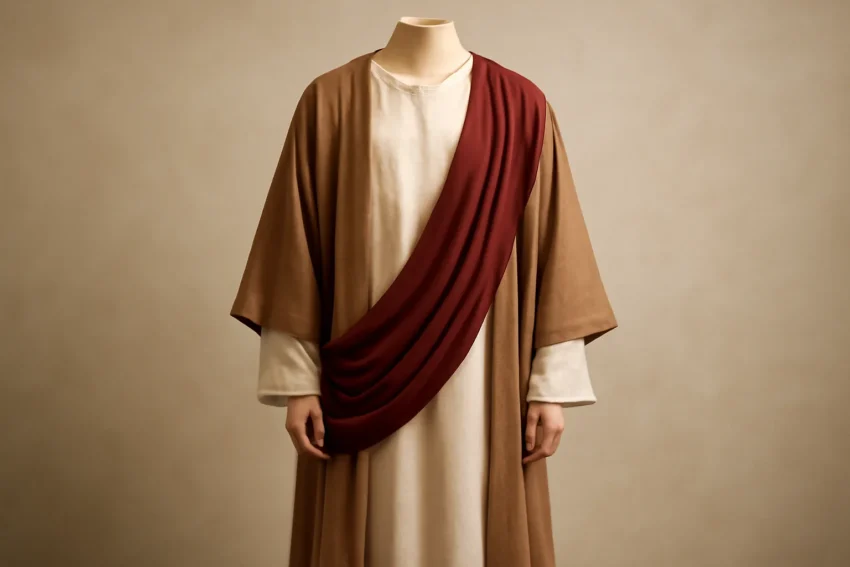
Tunic (often a knee- to ankle-length garment) worn by both men and women; for a Jesus costume, a simple tunic serves as the base layer.
Mantel or cloak worn over the tunic for warmth and protection from the elements; it can be draped in different ways to convey mood and presence on stage.
Belt or girdle to secure the tunic; a belt helps maintain modesty and keeps the costume in place during movement.
Sandals or simple footwear appropriate to the era; practical footwear is essential for performance safety and comfort.
Head coverings such as cloth wraps or simple caps, which align with customary dress codes of the period and help with modesty and realism.
It is important to acknowledge that our modern theatrical representations blend historical plausibility with contemporary practicality. The goal is not to claim a perfect reconstruction but to evoke the feel of the era while ensuring the performer can move, speak, and engage with the audience naturally.
A well-constructed Jesus costume has a few essential components that work together to create a respectful, believable look. Below is a practical checklist of elements to consider.
Base Garment: Tunic
The tunic is the core of the costume. Choose a simple, solid-color fabric in a natural fiber for realism and comfort.
Color: Natural, earthy hues like off-white, sandstone, light tan, or pale gray are common choices. Deeply saturated colors may feel anachronistic for a peasant portrayal, so restraint is often preferable.
Length: A tunic reaching roughly to mid-cemter or ankle length, depending on the performer’s height and comfort.
Fabric: Lightweight linen, cotton, or blends that breathe well and are easy to sew or modify.
Outer Garment: Mantle or Cloak
A mantle adds depth to the silhouette and offers practical fabric for movement and staging.
Drape: Drape the mantle over one shoulder or wrap it around the body depending on the choreography and space on stage.
Weight: Choose mid-weight fabric so the garment hangs nicely but isn’t burdensome (avoid very heavy rugs or thick materials).
Color: Complementary to the tunic; often a slightly darker shade to create contrast while staying within natural hues.
Accessories: Belt, Sandals, and Head Covering
Accessories complete the look and add function to the costume.
Belt or girdle: A simple fabric belt or a cord can secure the tunic and create a natural waistline for the performer.
Sandals: Open-toe or closed-toe leather sandals are historically plausible for a desert climate. Ensure straps are comfortable and do not pose a tripping hazard.
Head covering: A light cloth or head wrap can protect the performer’s eyes from stage lighting and reinforce modesty.
Colors, Fabrics, and Symbolism
Color psychology and material choices play a role in how the audience perceives the character. While the Nativity story is a religious narrative, the audience’s interpretation is influenced by visual cues that convey humility, trust, and humanity.
Color palette: Favor subdued earth tones and natural-dyed fabrics. Bright or metallic fabrics can distract from the message and may feel inappropriate for a peasant context.
Texture: Subtle textures (like a finely woven linen or cotton) add depth without drawing attention away from the performance.
Maintenance: Natural fibers often soften with washing and wear, which can enhance comfort and fit over time.
Materials and Crafting Ideas
When planning a DIY or semi-custom Jesus costume, the choice of materials and how you assemble them matter for comfort, durability, and cost efficiency.
Fabrics and Supplies
Consider the following materials for a durable, affordable, and authentic look:
Fabrics: Linen, cotton, flax, and blends named for natural fibers. For school budgets, cotton blends or lightweight linen-look fabrics can be practical options.
Thread: Polyester or cotton thread in colors matching the garment; use strong stitching for hems and edges.
Fasteners: Simple ties, Velcro, or buttons to secure the tunic and mantle; avoid heavy buckles that snag or create trip hazards.
Trim: Minimal, such as a narrow hem or a single decorative stitch, to maintain authenticity without excess ornamentation.
Patterning and Sewing Tips
Even beginners can assemble a respectful costume with a few well-planned steps.
Simplified patterns: Use a basic tunic pattern with an oval neckline and straight side seams; the mantle can be a rectangle or an asymmetrical drape pattern.
Seam finishes: Use French seams or bias binding for a clean finish that’s comfortable against the skin, especially for sensitive performers.
Measurement considerations: Measure chest, waist, hip, and arm length. For growing children, consider adjustable hems or elastic waistbands for longevity across multiple performances.
Design Variations: Variations of Costume for Jesus
Not every production uses exactly the same look. Variations can reflect different narrative emphases, production budgets, or regional inspirations while maintaining respect and authenticity.
Traditional Tunic and Mantle: A Minimalist Approach
The most widely accepted approach is a clean, understated tunic with a mantle. It communicates the humble nature of the character and keeps the focus on performance.
Base tunic in a natural tone.
One mantle in a coordinating but slightly darker shade.
For some productions, lightweight layering helps with stage lighting and movement. The additional layer should be easy to remove if the actor becomes uncomfortable.
Light mantle draped across the shoulders, easily detachable.
Adjustable belt to define silhouette without restricting movement.
Color-Driven Variations Without Losing Authenticity
If the production calls for symbolic color choices, use a restrained palette to avoid misinterpretation. For example, a pale tunic with a slightly darker mantle can convey nuance while remaining respectful.
Choose two complementary earth tones.
Avoid overly bright or synthetic-looking fabrics.
DIY Tutorial: Step-by-Step Guide to a Respectful Jesus Costume
If you’re new to costume construction, a straightforward, respectful DIY approach can yield a durable, store-friendly outfit. The following steps provide a practical path from planning to finishing touches.
Step 1: Plan and Measure
Consult the script or director for length preferences and stage requirements.
Take measurements of the performer: chest, waist, hip, height, arm length, and desired sleeve length.
Determine whether the costume will be worn by adults or children and plan allowances for growth if necessary.
Step 2: Choose Your Materials
Select a natural fiber fabric for the tunic (linen or cotton is ideal).
Choose a slightly heavier fabric for the mantle to create a natural drape (light wool blends or heavy cotton can work well in cooler settings).
Pick a comfortable thread color, matching the fabric to prevent visible seams.
Step 3: Draft a Simple Pattern
Draft a basic tunic pattern with an oval neckline and straight sides. Add a hem at roughly the desired tunic length.
Cut the mantle as a rectangle or slightly trapezoidal shape to create a natural drape when worn.
Include a simple belt channel or tie feature at the waist if desired.
Step 4: Sew and Assemble
Sew tunic seams with a clean finish; consider French seams for comfort against skin.
Finish tunic edges with a narrow hem to reduce fraying.
Hem the mantle edges and add a belt channel if planned.
Step 5: Fit and Adjust
Try the costume on the performer and adjust sleeve length, hem height, and mantle drape as needed.
Add any final accessories, such as a head covering or a simple cord belt, ensuring comfortable movement.
Buying Guide: Ready-Made, DIY, or Hybrid Solutions
There is value in both ready-made and handmade costumes. The right choice depends on budget, time, and the specific needs of your production.
Ready-made costumes can be convenient and cost-effective for groups with limited sewing capacity. Look for neutral, modest designs that can be easily altered to fit your actor.
DIY costumes offer customization, learning opportunities, and long-term value. They require time and hobby-sewing skills but can be scaled for multiple performances and performers.
Hybrid approaches combine pre-made tunics or mantles with handmade belts, head coverings, or accessories for a unique look that remains respectful and cost-efficient.
Safety, Comfort, and Accessibility
The practical realities of performance demand thoughtful considerations for safety and accessibility. The costume should enable performers to move freely, see clearly, and stay comfortable throughout the performance.
Movement: Ensure sleeves are not too long to prevent tripping; hems should be secure and free of loose threads that could snag.
Vision: Head coverings or mantles should not obstruct vision; avoid excessive fabric around the face.
Temperature: Choose breathable fabrics for warm environments and provide layering options for cooler spaces.
Accessibility: Consider performers with sensory sensitivities; avoid heavy perfumes or scratchy fabrics that might cause discomfort.
Costuming for Jesus carries theological and cultural significance for many people. Responsible practices help ensure that the portrayal honors the diverse beliefs of community members.
Avoid stereotypes: Keep the costume believable and free from exaggerated or caricatured features.
Consult stakeholders: When possible, involve church leadership, educators, or community members in selecting colors and styles.
Credit sources: If you adapt patterns or ideas, acknowledge any sources or guidance you used in your planning.
Gender considerations: Allow flexibility in costume design to accommodate diverse performers who may identify differently while preserving the character’s integrity.
Being aware of common missteps can save time, money, and potential discomfort for performers.
Overly ornate detailing may distract from the narrative and arise from visual excess rather than authenticity.
Uncomfortable fabrics causing itching or overheating should be avoided; test fabrics with a gentle wear test before a performance.
Poor fit can hinder performance; make use of adjustable elements like ties, belts, or removable layers.
Care, Storage, and Longevity
A well-cared-for costume lasts across multiple productions, saving time and resources in the long term.
Cleaning: Follow fabric care instructions; linen and cotton often benefit from air-drying and gentle washing to preserve fiber integrity.
Storage: Store costumes in a cool, dry place away from direct sunlight to prevent fading and fiber damage.
Repairs: Reinforce seams and replace weak belt ties before the next performance to avoid last-minute malfunctions.
Costume Maintenance and Alterations for Longevity
Maintaining a durable Jesus costume involves routine checks and simple upgrades.
Reinforce critical seams at waistlines, sleeve cuffs, and mantle edges to prevent tearing during vigorous movements.
Adjustable elements like elastic waistbands or velcro fasteners can extend the fit across different performers and seasons.
Accessory care: Leather sandals may need conditioning; head coverings should be laundered or cleaned according to fabric type.
The Role of Cultural Sensitivity and Community Guidelines
In diverse communities, the portrayal of sacred figures should be approached with culturally aware guidelines. This means being mindful of how costumes may be perceived by congregants and audiences beyond the immediate participants.
Community standards: Check if your church or school has a policy on nativity costume design and monitoring for respectful portrayals.
Inclusivity: Encourage participation by individuals with varying abilities and backgrounds, offering adaptable costume options and roles beyond the central figure if needed.
Educational framing: Provide context for students about how costumes reflect historical ideas and tell a story, rather than sensationalizing religious themes.
Variations for Different Settings and Audiences
Depending on whether the production is a school play, a church service, a live outdoor reenactment, or a video presentation, your Jesus costume decisions may shift. The essential aim remains: authenticity, dignity, and performance practicality.
School settings: Emphasize ease of fit, safety, and clean lines that hold up to multiple performances; use budget-friendly fabrics that wash well.
Church services: Prioritize modesty, simplicity, and reverence; ensure lighting and acoustics complement the actor’s performance without glare or overheating.
Outdoor events: Choose durable fabrics that tolerate weather conditions; have a lightweight mantle that can be secured against wind.
Video productions: Consider color and lighting impacts; choose fabrics that look good on camera and avoid fabrics with heavy glare or reflective surfaces.
Frequently Asked Questions
Below are common questions people ask when planning a Jesus costume for nativity performances. Answers aim to be practical and respectful.
What is the most historically accurate color for Jesus’ tunic? There is no single definitive color, but natural, earthy tones are common in scholarly reconstructions. The focus should be on plausibility and modesty rather than exact replication.
Can we use modern fabrics? Yes, but prefer natural fibers or blends that mimic the appearance of ancient garments and keep performers comfortable.
Is it okay to deviate from traditional looks for younger performers? Yes, provided the essence of the character remains respectful and the costume remains comfortable and safe.
How can we involve children in the design process? Offer simple choices—two tunic colors, or a couple of mantle options—so children feel involved without overwhelming decisions.
Conclusion: Embracing a Respectful and Practical Approach
Designing and assembling a costume for Jesus in nativity contexts is a meaningful task that blends history, theology, artistry, and care for performers. By grounding design choices in historical plausibility, while prioritizing comfort, safety, and inclusivity, communities can create a powerful, respectful experience for participants and audiences alike. The ultimate goal is not to recreate ancient attire with perfect precision, but to evoke the spirit of humility, compassion, and community that the Nativity narrative embodies.
Whether you opt for a simple, minimalist look or a carefully tailored ensemble, remember that the success of a nativity performance rests as much on the performers’ voices, expressions, and teamwork as it does on the visual details of the costumes. With thoughtful planning, practical fabrics, and a dedication to respect, you can bring a compelling, dignified portrayal to life—one that invites viewers to reflect on the timeless themes of hope, love, and renewal.