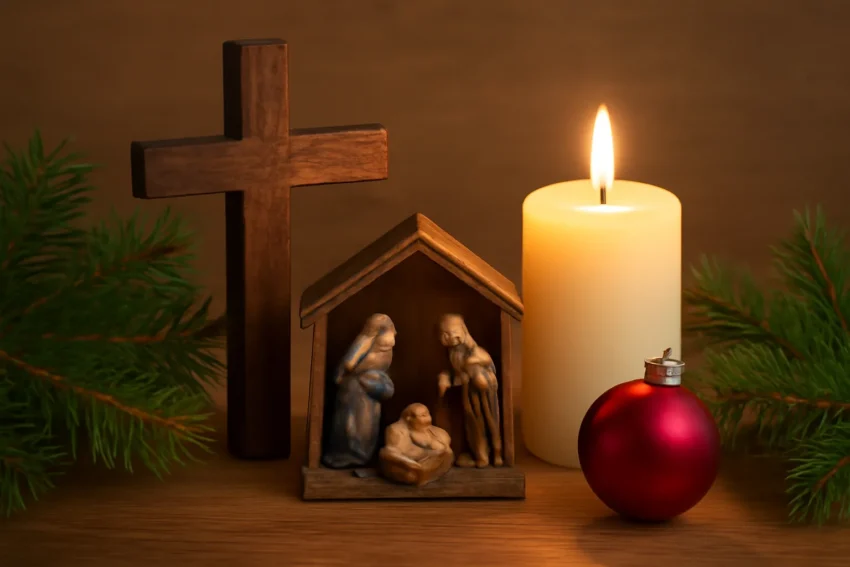
Introduction: Christian Decor for Christmas at Home
Christmas in the Christian home is a sacred time to celebrate the birth of Jesus Christ and to invite
the story of the Nativity into daily life. The way a household decorates during this season can become
an ongoing reminder of faith, hope, peace, and joy. This article offers a practical, thoughtful guide to Christian decor for Christmas that is both meaningful and beautiful. You will find ideas
for traditional symbols, color schemes with intentional symbolism, Advent-inspired accents, and
accessible DIY projects—everything designed to help you create a home atmosphere that honors the season
without feeling overwhelmed.
A well-planned approach to faith-centered home decor blends reverence with warmth. It invites
family members to reflect on the sacred narrative while also making room for hospitality, music, prayer,
and everyday moments of wonder. Whether you are decorating a small apartment or a spacious house, the
core principle remains the same: let your decorations tell a story of the Christmas mystery in a way that
is personal, generous, and rooted in Scripture.
Understanding the Symbols: Why Certain Decor Feels Timeless
The language of Christian decor for Christmas is rich with biblical symbolism. When you choose decorative
elements with intention, you create a narrative that points guests toward the heart of the season. Here are
some enduring symbols and how they can be woven into the home environment.
Nativity scenes (creches) illuminate the core story of Jesus’ birth. A nativity display
in the living room or entryway can anchor your decor in the Advent and Christmas narrative, reminding
families that God chose to become human and dwell among us.
Stars symbolize the Star of Bethlehem, guiding the Magi to the Christ child. A star
placed above a doorway or on a wall can serve as a quiet beacon of guidance and hope during the season.
Angels represent annunciation, worship, and praise. Angel motifs can appear in
ornaments, wall hangings, or a delicate mobile near the mantel.
Lambs and shepherd imagery emphasize Jesus as the Good Shepherd and the
incarnate Word. Subtle sheep motifs in textiles or tabletop decor can introduce gospel themes without
feeling contrived.
Evergreen greens—pine, fir, and holly—signal eternal life. They form the backbone of many
Christmas arrangements and invite nature indoors in a way that is both fragrant and symbolic.
Poinsettias and red/green color palettes reflect festive warmth and the
continuity of life. When used thoughtfully, these colors deepen the sense of celebration rather than
creating a mere seasonal display.
Chrysmon ornaments (also called Chrismon ornaments) feature white and gold symbols that
tell biblical stories. They offer a sober, elegant approach to storytelling through decoration.
By deliberately selecting elements that carry meaning, you create an atmosphere that remains engaging
throughout December. Your home becomes a living catechism—a visual catechesis that invites conversation,
reflection, and worship.
Seasonal Color Palettes and Textures: Conveying Meaning through Light
Color and texture can strongly influence how a space feels during the Christmas season. A church-inspired
Christmas decor approach uses color as a narrative device: purple for Advent, white for purity and
light, gold for glory, and red for the love of God poured out in Christ. The use of texture—natural
materials, woven fabrics, and soft lighting—adds warmth and resonance.
Advent color scheme: Deep purples and blues with accents of dusty rose or muted gold can set a
contemplative mood while signaling the season of waiting and preparation.
Christmas celebration palette: After the fourth Sunday of Advent, you can introduce brighter
accents (crimson, emerald, or bright gold) to mark the joyful transition to Christmas Day.
Symbolic elements: Gold ribbons for Kingly glory, white linens or fabrics for purity, and
candlelight to symbolize the Light of the World.
Natural textures: Woven baskets, linen table runners, pinecones, and cedar branches deepen the
sensory experience and connect the sacred story to God’s creation.
Lighting is central to a sacred atmosphere. Consider layering light—from candles (or safe LED options)
to soft string lights. The warmth of light can evoke the sense of a holy night and create spaces that feel
intimate for conversations, family devotions, or quiet reflection.
Advent and Christmas Decor: Preparing the Heart for the Season
The season embraces two distinct but related times: Advent—the period of preparation and anticipation—and
Christmas—the celebration of the birth of Christ. Decorating with this dual focus helps families stay
grounded in meaning while enjoying festive beauty.
Advent-inspired decor ideas
Advent wreath with four candles (three violet and one rose, or a modern color scheme) to mark each
Sunday leading up to Christmas. Add a small wooden or metal plaque with a daily reflection or verse.
Advent calendar that offers a small devotional prompt or a good deed to perform each day.
Scripture-focused banners or wall art that features verses about waiting, hope, and the coming King.
Christmas décor strategies
Nativity displays become central focal points in living rooms or entryways.
Star motifs can crown mantels, shelves, or tabletop arrangements.
Tabletop arrangements with winter greens and small figurines help keep the narrative visible
during gatherings and meals.
Nativity Displays and Creches: Central Elements of a Faithful Home
A nativity scene is often the heart of biblical decor for Christmas in Christian homes. Its
arrangement can be simple or elaborate, but its message should remain clear: God became human in the
person of Jesus, and this extraordinary event invites reverence and awe.
Choosing and placing a nativity set
Choose a nativity scene that fits your space and family tradition. It could be a classic clay
figurine set, a modern minimalist display, or a handmade piece with natural materials.
Place the nativity in a prominent area, such as a mantle, a dedicated shelf, or a coffee table that hosts
family activities. Avoid placing it behind doors or in a space that makes it easy to overlook.
Consider a dynamic arrangement: in some homes, the Magi arrive on the scene on Epiphany (January 6),
allowing the display to tell the full Christmastide story beyond December 25.
Variations in nativity displays
Living nativity—a small act of theatre for family gatherings or community events, featuring
neighbors or church members acting out the scene with simple costumes.
Nativity silhouettes on a wall or floor space using wooden cutouts or projected images.
Nativity with animals—adding shepherds, camels, and livestock strengthens the pastoral
imagery and the sense of humble stewardship associated with the story.
Chrismon and Meaningful Ornament Options
For families interested in a visually rich but theologically focused approach to decoration, Chrismon
ornaments offer a special path. These white-and-gold symbols gracefully encode biblical narratives into
small, elegant forms that can be used on a Christmas tree or as wall ornaments.
Chrismon tree or a section of a traditional tree dedicated to symbols that tell the story of
Christ’s life, birth, death, and resurrection.
Decorative cards or tags with scripture verses attached to ornaments to encourage daily reading and
reflection.
Miniatures representing charity, healing, and forgiveness, which align with the gospel
message and can spark family discussions about lived faith.
Table Decor, Centerpieces, and Worshipful Gatherings
The dining table is a natural place to center the Christmas narrative. A thoughtfully arranged centerpiece can
foster conversation, reflect gratitude, and invite conversation about the meaning of the season.
Centerpiece ideas
A nativity-inspired centerpiece featuring a stable scene at the center, surrounded by evergreen
boughs, pinecones, and a quote from Scripture placed on a small easel or cardholder.
A candle cluster with a mix of tall, tapered candles and floating tealights in glass holders,
paired with a linen runner and a sprig of holly for color.
A verse tray with a chosen Bible verse for the Christmas season printed on parchment or
card stock, laid on a wooden tray with a few natural elements like acorns or dried orange slices.
Use table linens in Advent colors (purple or blue) during the Sundays of Advent, transitioning
to gold or white linens for Christmas Day meals.
Incorporate place cards that include a brief blessing or a short verse about light and
hope.
Offer a simple prayer card or candlelight moment at the start of the meal, inviting family
members to share a gratitude or a prayer request.
Mantels, Shelves, and Entryways: Welcoming the Season
The first impression of Christmas décor often comes from the entryway and mantel. A welcoming space that
communicates the season’s themes can set the tone for the rest of the home.
Mantel displays can combine a garland of greens with lights, a small nativity, and a framed verse
about the Word becoming flesh. Layer textures with burlap ribbons, velvet accents, and wooden elements for
a timeless feel.
Entryway greetings may include a decorative sign with a Christmas blessing, a wreath that uses
pine cones and berries, and a small bowl of wrapped prayer scrolls for guests to take and read.
Consider a dedicated scripture wall art near the door carrying a message of hope, peace, and
joy—core themes of the season—so that guests encounter faith as they enter the home.
Outdoor Christian Decor: Bringing the Light to Your Neighborhood
Exterior decorations are a way to share the season’s message with neighbors and passersby, while keeping the
focus on the Christian meaning of Christmas. Thoughtful outdoor decor balances aesthetics with
discernment and safety.
Lighted symbols such as a star or a crescent moon with a cross, or a simple silhouette of a
manger, can be elegant and meaningful.
Use energy-efficient lights and sturdy, weather-resistant decorations to ensure safety and longevity.
Place seasonal verses on outdoor signs, offering a welcome to visitors and a reminder to reflect on the story.
DIY Christian Decorations: Crafting Meaningful Pieces with Your Family
DIY offerings give you a chance to engage children and adults in a collaborative project that reinforces the
message of the season. Handmade decorations can be inexpensive, sustainable, and deeply personal.
Simple craft ideas
Paper angel garlands made from folded paper or cardstock can hang across windows or a
mantel. Add verses or symbol stickers to each angel.
Wooden nativity silhouettes cut from small boards or reclaimed wood for a rustic display on a
shelf or windowsill.
Verse ornaments by writing favorite Bible verses on wooden slices or ceramic ornaments to
hang on the tree or around the house.
When choosing DIY projects, consider materials that are durable and safe. Use non-toxic paints and sealants, and
ensure that small parts are not placed within reach of young children.
Digital and Visual Decor: Merging Tradition with Modern Tech
Technology can complement traditional decor by providing space for reflection, study, and worship. Digital
displays, apps, and screensavers can reinforce the biblical themes of the season without replacing the real
presence of your home’s physical adornments.
Digital Advent calendars with daily Bible verses, questions, or short devotionals can be shared
on a family tablet or computer.
Display screen backgrounds or a rotating slideshow featuring biblical scenes, art, or nature
imagery that evokes the Christmas story.
Project serene lights or a gentle snowfall on a blank wall as a dynamic backdrop for quiet prayer or family
Bible study.
Incorporating Scripture and Worship into Decor
The ultimate aim of Christian decor for Christmas is not decoration for its own sake but a
lived expression of faith. Scripture can be woven into a variety of decor elements to remind families of
God’s promises and the gift of Christ.
Verse cards tucked into a garland or placed on a mantle invite daily readings and reflections.
Bible verse banners in living rooms or dining areas that change with the season to reflect
themes such as hope, peace, joy, and love.
Scripture-based devotion corners with a chair, a small table, a lamp, and a few books or
devotionals for quiet time amid the decorations.
Consider pairing Scripture with prayers or questions for family discussion. This fosters a sense of shared
spiritual practice and helps children connect the symbols with the beliefs they represent.
Safety, Sustainability, and Practical Considerations
Decorating for Christmas should be joyful and safe. It’s important to balance beauty with practical concerns,
especially if you have children, pets, or elderly family members in the home.
Fire safety: If you use candles, keep them away from flammable materials, never leave burning
candles unattended, and consider LED alternatives for frequent use or for homes with little ones.
Electrical safety: Use certified lights and avoid overloading outlets. Use outdoor-rated lights for
exterior decor and ensure cords are tucked away to prevent tripping.
Allergen awareness: Choose natural materials where possible, but be mindful of pine pollen, mold,
or dust. Keep greenery well-ventilated and consider artificial greens for sensitive individuals.
Maintenance and storage: Develop a simple system for taking down decorations after the season,
and store them in labeled containers to preserve the integrity of fragile pieces such as nativity figures or
Chrismon ornaments.
Sustainability: Use reclaimed wood, recyclable materials, or natural elements from responsible sources.
Reuse decorations from year to year to minimize waste and honor the idea of continuity in faith-friendly decor.
Budget-Friendly and Accessible Options
A cost-effective approach to Christian Christmas decor does not sacrifice meaning. It is possible
to build an intentional space with thoughtful choices that stretch your dollar while deepening the season’s
message.
Repurpose old items: Use family heirlooms, seasonal textiles, and salvaged pieces to create a
sense of history and continuity.
DIY projects that utilize inexpensive materials—paper, cardboard, pinecones, and natural
fibers—can yield striking results with a little creativity.
Multi-functional decor: Choose pieces that can serve more than one purpose, such as a
centerpiece that doubles as a prayer focus or a wreath that can be moved to festive walls and doors.
Community resources: Borrow or exchange decorative items with friends, neighbors, or church
groups to explore new ideas without a heavy financial commitment.
Family Involvement: Making Decor a Shared Spiritual Practice
Decorating for Christmas offers a chance to involve the whole family in a meaningful practice. It can be a
time of learning, conversation, and mutual support as you prepare your home for the Advent season and sum up
the Christmas celebration.
Weekly family devotion around the Advent wreath or Christmas tree to discuss a Scripture verse and
reflect on its meaning in daily life.
Volunteer and charity focus: Incorporate donation boxes or signs that encourage acts of kindness
and generosity as part of the home’s Christmas narrative.
Song and liturgy evenings: Gather to sing carols, read Bible passages, or recite prayers that
recount the nativity story and the incarnation.
Seasonal Hospitality: Inviting Guests into a Faithful Home
A Christmas home that centers on hospitality can become a space for guests to experience the warmth and
grace of the season. Thoughtful decor can invite conversation, reflection, and shared worship without
feeling forced or ceremonial.
Welcome signs with a blessing or a concise invitation to pause and reflect on the season.
Guest devotional stations with a short devotion, a verse, and a quiet space for prayer or
contemplation.
Warm, inviting spaces: make sure seating areas are comfortable and accessible for longer
conversations, storytelling, and shared meals.
Conclusion: A Timeless, Doable Path to Faith-Filled Christmas Decor
Christian decor for Christmas is more than aesthetics; it is a medium for the gospel in daily life. By
selecting meaningful symbols, honoring Advent and Christmas with intentional color and lighting, and inviting
family participation, you can create a home that is both festive and faithful. Whether you lean toward a
classic, church-inspired look or a modern, minimalist expression of faith, the essential goal remains the same:
to honor the story of Christ’s birth and welcome the Light into your home.
Remember that timeless decor for Christmas in a Christian home is adaptable, sustainable, and personal. It grows
with your family’s journey of faith and becomes part of your annual spiritual rhythm. With care and creativity,
your home can become a warm, inviting sanctuary that spaces like halls, mantels, tables, and doorways all tell
the same beautiful narrative: that God loved the world so much that He became human in Jesus Christ.