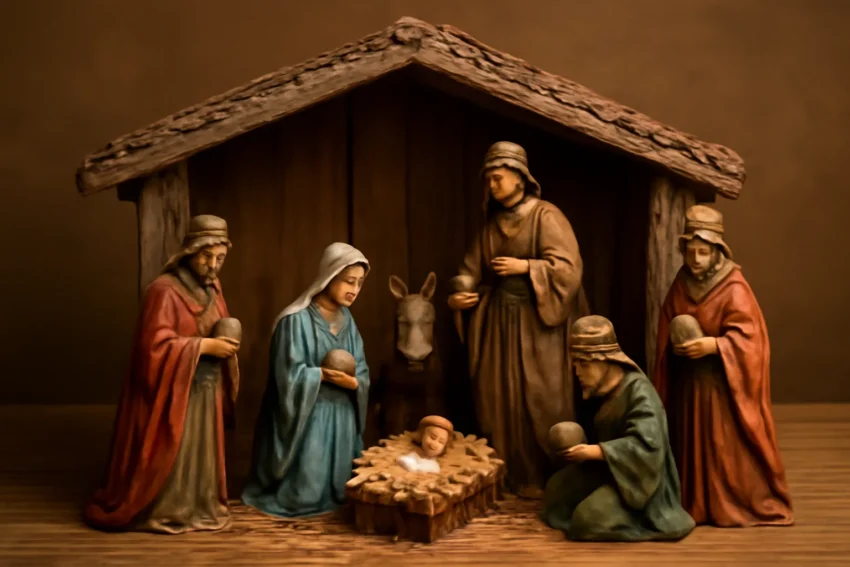
Christmas Nativity Manger Sets: Timeless Handcrafted Displays for Your Home invite you into a tradition that blends storytelling, artistry, and seasonal warmth. Across centuries and cultures, these miniature scenes have transformed living spaces into quiet sanctuaries of wonder. Whether you prefer a rustic wooden manger carved by a local artisan or a sleek modern interpretation crafted from glass and metal, a nativity set can become a cherished centerpiece that evolves with your family and your home.
Introduction to the timeless appeal of nativity manger sets
At the heart of every nativity display is a narrative: the birth of a child in humble circumstances, celebrated by shepherds, guided by a bright star, and reimagined in countless artistic voices. The idea of a manger scene is both simple and profound, allowing people to connect with a story that transcends language and culture. Handcrafted nativity manger sets elevate this experience by adding texture, character, and a sense of history. The textures of wood grain, the glaze on porcelain, the patina on bronze, or the softness of fabric can all contribute to a tactile and emotional response that mass-produced figures sometimes lack. When you choose a set designed for display in a home, you are selecting more than decoration; you are selecting a storytelling instrument that can be passed down through generations.
During the Christmas season, many households rotate displays to reflect the evolving story—from the quiet anticipation of Advent to the celebration of the Nativity. A nativity scene is not merely a collectible; it is a living tradition that invites children to ask questions, parents to share meaning, and guests to pause and reflect. In this guide, you will discover how these timeless handcrafted displays come in multiple forms, how to choose one that suits your space and values, and how to care for it so that it retains its beauty for years to come.
Historical roots and cultural variations
To understand why Christmas manger sets endure, it helps to explore their origins and how different communities have interpreted them. The tradition has both religious significance and artistic appeal, with regional influences shaping materials, formats, and iconography.
Origins of nativity displays
The practice of enacting the nativity story with figures dates back many centuries. Early Christians in Europe and the Mediterranean used pictorial representations and three-dimensional figures to teach the Christmas narrative to congregants who could not read. Over time, handcrafted manger sets emerged as portable devotionals that could be displayed in homes as well as churches. The idea of a stable—often called a manger—became a focal point for the scene, providing a sheltered, intimate space for the holy family and their companions.
Regional styles and interpretations
Across cultures, nativity scenes have taken on unique flavors. In some regions, woodcarvers create rugged, rustic sets that emphasize texture and weight. In others, artisans use delicate porcelain or hand-painted ceramics to capture softness and tenderness. In warmer climates, fabric and textiles become prominent, with colorful robes and drapery that evoke local dress. In contemporary settings, designers explore abstract forms, geometric shapes, and minimalist silhouettes that hint at the sacred narrative without literal repetition. This diversity means that when you search for a christmas nativity manger set, you are entering a global conversation about faith, art, and home life.
Icons and figures you might encounter
Mary and Joseph as the central couple
Baby Jesus usually placed in a manger or cradle
Shepherds with sheep, often accompanied by a staff or flocks
The Magi bearing gifts, sometimes with camels
Animals such as donkeys and oxen that evoke the stable setting
Angels or celestial beings that herald the good news
Stars or celestial symbols overhead on some variants
Each of these figures can be rendered in a way that respects tradition or experiments with modern aesthetics. The result is a spectrum of options—from classic hand-carved wooden sets to contemporary sculptural works—all united by their role in preserving a moment of shared memory within the home.
Materials and craftsmanship
The soul of any nativity display lies in its materials and the skill of the maker. Timeless handcrafted displays emphasize the human touch—the chisel marks on wood, the careful firing of ceramic, the glaze that catches the light. The material choice not only affects appearance but durability, weight, and how the pieces interact with other home elements such as lighting and furniture.
Wood—From pine to olive to hardwoods, carved wooden sets radiate warmth and a rustic authenticity.
Clay and ceramic—Glazed surfaces offer vibrant color and fine detail, with glazes that range from matte to glossy.
Porcelain and fine china—Delicate and refined, often with painterly scenes or metallic accents.
Resin and composite materials—Versatile and durable, capable of intricate detailing and mixed finishes.
Metal—Bronze, brass, or pewter bring a sense of durability and modern sheen, sometimes with repoussé or etched motifs.
Textiles and fabric—Soft sculptures that emphasize drapery and tactile warmth, frequently used in artisan wall hangings or soft figures.
Craftsmanship traditions to look for
Hand-painting or hand-glazing, which adds depth and nuance to facial expressions and clothing folds.
Carving techniques that reveal tool marks as intentional design features.
Attention to proportion and scale—A well-balanced set maintains harmony even when placed among other decor.
Finish and patina—Natural aging can enrich a piece, especially wood and metal, while protective coatings preserve color and texture.
Signature touches—Often, artisans leave a subtle mark or a unique detail that identifies the maker’s tradition.
When shopping for a nativity set, consider not only aesthetics but also practicalities such as weight, stability, and ease of placement. A handcrafted display that feels secure on a shelf or mantel is more enjoyable to handle during the holiday season and beyond.
Design varieties: traditional, minimalist, and modern interpretations
Designers and craftspeople have produced a broad spectrum of nativity scenes, each offering a distinct mood and atmosphere. Whether you want a traditional hand-carved manger or a minimalist contemporary arrangement, there is a set that can fit your room’s architecture and your personal sense of sacred storytelling.
Traditional and rustic sets
These typically emphasize natural materials, warm tones, and a tactile sense of handwork. Expect:
Exposed grain in wood figures
Subtle paint or stain that emphasizes aged or antique appearance
Textured fabrics and burlap or linen drapery
A small, cozy stable scene that invites close viewing
Porcelain, ceramic, and fine-glaze sets
In these sets, the emphasis is on polish and delicate detail. They can be brighter, with luminous glazes or painterly scenes, and they often suit formal mantels or glass-front cabinets. Features may include:
High-sheen glaze and precise brushwork
Fine brushwork illustrating garments and faces
Compact, elegant proportions suitable for display in tight spaces
For modern interiors, designers create sculptural forms that hint at the familiar figures without literal replication. Characteristics may include:
Geometric shapes, simplified silhouettes, or silhouette-style figures
Monochrome or restrained color palettes
Metallic accents or mixed media that play with light
Whimsical and narrative-driven pieces
Some sets tell stories beyond the manger, incorporating animals in playful poses, companion figures such as shepherds with musical instruments, or scenes that capture moments from the nativity story in a narrator’s voice. These can add a storytelling layer to family displays and engage children in dialogue about the season.
Size, scale, and layout considerations
Choosing the right size and arrangement is essential for a nativity display to feel natural within your home. Consider scale, placement, and year-round usability when planning a purchase.
Understanding scale and proportion
Some sets feature life-like proportions with many individual figures, while others compress the action into a compact footprint. A few guiding principles:
Establish a visual anchor—usually the manger or the baby Jesus figure—and arrange other figures around it.
Keep the main figures visually dominant; secondary animals and supporting characters should complement rather than overwhelm.
Match the set’s scale to the display surface: a large, cathedral-sized set will require substantial wall or shelf space, while a tabletop or mantle-friendly set benefits from compact proportions.
Common display formats
Tabletop or mantel displays—Versatile and accessible, suitable for living rooms or entryways.
Shelf or cabinet displays—Protective and curated, often used with lighting to highlight details.
Wall-mounted or suspended sets—Ideal for compact spaces, creating a gallery-like presentation.
Outdoor or porch displays—Weather-resistant sets that extend the seasonal ambiance to exterior spaces.
When planning placement, consider lighting (natural and artificial), nearby decor colors, and the ease with which family members, especially children, can view and interact with the figures safely. A thoughtful layout can turn a Christmas nativity manger scene into a focal point that anchors conversation and memory.
Display ideas and home integration
Incorporating a nativity set into your home is less about decoration and more about creating a shared ritual. Here are ideas to maximize meaning and enjoyment across spaces and occasions.
Mantels, tables, and built-ins
Place the set at eye level to encourage conversation and close viewing.
Combine with complementary seasonal decor—candles, greenery, and soft lighting—to create a warm, contemplative scene.
Use a simple backdrop or a natural-finish wooden board to frame the display without competing with the figures.
Enhance with soft灯 (LED warm white lights) to mimic candlelight without risk.
Consider a subtle shimmer by placing a glass or mirror underpinning to reflect light.
Incorporate a star or celestial element above the scene to anchor the narrative symbolically.
Storytelling and family rituals
Share a short family reflection about the meaning of the nativity on each evening of Advent.
Include a child-friendly story card with each figure’s name and a one-sentence description to invite learning and conversation.
Rotate or add to the set each year to reflect growth, understanding, and family milestones.
Seasonal and year-round display strategies
While many households reserve nativity sets for December and Christmas, some prefer to keep a simplified version visible year-round. If you choose to display year-round, consider:
A reduced palette or smaller scale for non-holiday months.
Storage solutions that allow easy seasonal changes without moving heavy pieces.
Protective display cases to prevent dust exposure and accidental damage.
Care, preservation, and safety
To ensure your handcrafted manger set retains its beauty for decades, implement a routine of gentle care and mindful storage. The specific approach will depend on materials, but several universal practices apply.
General care tips
Dust gently with a soft brush or microfiber cloth to avoid scratching delicate surfaces.
Avoid harsh cleaners or submerging pieces in water, especially porous materials like wood or unglazed ceramic.
For wooden sets, consider periodic conditioning with a breathable oil or wax recommended by the maker to preserve finish and prevent cracking.
Keep metal components and glaze finishes dry to prevent corrosion or discoloration.
Storage and seasonal turnover
Store in a cool, dry place away from direct sunlight to prevent fading and warping.
Wrap each figure individually in acid-free tissue or soft cloth to avoid chafing and to minimize movement during storage.
Use original packaging when possible, or invest in sturdy, labeled containers for easy reassembly in subsequent seasons.
Safe handling and display considerations
Secure heavy or top-heavy pieces to prevent tipping, especially on shelves or mantels used by children or pets.
Choose flame-free lighting to minimize heat exposure on delicate surfaces.
If you have glass shelves or tabletops, consider non-slip mats or felt to dampen movement and protect surfaces.
Ethics, sustainability, and supporting artisans
As you explore handcrafted nativity sets, you may wish to align your purchase with values such as fair labor practices, sustainable materials, and support for small-scale artisans. Here are considerations to guide ethical shopping and responsible collecting.
Choosing materials with low environmental impact
Look for sets that use responsibly sourced wood, locally produced ceramics, or recycled content in metals and resins. Some makers emphasize natural finishes, non-toxic paints, and water-based sealants.
Supporting artisans and fair practices
Purchase directly from artisans or organizations that provide fair wages and safe working conditions.
Favor small businesses or cooperatives that preserve traditional techniques and invest in their communities.
Consider customizing through artisan studios to support craftsmanship and preserve regional styles.
Ethical considerations for replicas and mass-market pieces
Mass-produced sets may be affordable and convenient, but they can undercut traditional artisans. If your goal is to celebrate authentic handcraft, prioritize pieces with maker provenance, certificates of origin, or documented craftsmanship methods. You can still enjoy a contemporary or minimalist aesthetic while honoring ethical production practices.
Buying guide: how to choose the right nativity manger set for your home
Finding the perfect Christmas nativity manger set involves balancing taste, space, purpose, and budget. Here is a practical guide to streamline your decision-making process.
Key factors to consider
Space and layout—Measure the intended display area and consider how the set will look from multiple viewing angles.
Scale—Decide whether you want a compact tabletop scene or a larger, more immersive installation.
Material and finish—Choose based on durability, maintenance needs, and how the set complements existing decor.
Figure count and completeness—Some models include only the core figures; others are expansive with animals and background elements.
Style alignment—Match the set’s aesthetic to your home: rustic, traditional, contemporary, or whimsical.
Maintenance requirements—Consider whether you’re comfortable with delicate finishes or prefer robust, low-maintenance pieces.
Budget and value—High-quality handcrafted sets often command higher prices but can become treasured heirlooms.
What to look for in craftsmanship
When evaluating options, inspect the following:
Joinery and stability of figures; wobbly poses can indicate quality concerns.
Quality of paint or glaze, with even color and minimal drips or flaws.
Details in clothing, facial expressions, and textures that reflect careful workmanship.
Sealing or protective finishes that guard against dust, moisture, and handling wear.
Regardless of budget, a well-chosen set can be a centerpiece of seasonal display that sparks conversation and fosters family traditions. If possible, seek out retailers or studios that provide care instructions, warranties, or replacement parts for missing or damaged pieces.
Maintaining a nativity collection: preservation and expansion
Many families collect Christmas nativity manger sets over time, expanding their display with new figures, backdrops, or narrative elements. A thoughtful approach to growth can keep the collection cohesive and meaningful.
Establish a color or material theme to maintain visual harmony as you add pieces.
Complement the set with a backdrop or scenery board that can be swapped out to reflect different Advent and Christmas stories.
Document provenance and care instructions for each new addition to help future caretakers maintain the set’s integrity.
Documenting memories and family involvement
Turn the nativity display into an ongoing family project. Ideas include:
Writing a yearly reflection card describing what the season meant to your family and placing it with the display.
Inviting siblings or grandchildren to contribute a handmade figure or a simple accessory that resonates with their memory of Christmas.
Hosting a small “opening night” ritual where the new piece is introduced, and its significance is discussed.
Conservation and professional restoration
Over time, some materials may show signs of wear. When necessary, consult a professional restorer who specializes in the type of material you own—whether wood, porcelain, ceramic, or metal. Avoid DIY methods that could damage delicate surfaces, particularly painted or glazed finishes.
Family, faith, and education: the cultural value of nativity sets
Beyond aesthetics and craftsmanship, Christmas manger sets function as educational tools and spiritual reminders. They:
Offer a tangible entry point for children to learn about the nativity story and its characters.
Encourage intergenerational storytelling, with grandparents sharing memories of previous sets or traditions.
Provide a quiet space for reflection during a busy season, helping households cultivate presence and gratitude.
Inclusive and diverse interpretations
As contemporary artists reimagine the classic scene, religious and cultural inclusivity can be expressed through sets that emphasize universal themes of peace, generosity, and hope. Some artists incorporate a broader range of figures or contexts to reflect the diverse experiences of their communities while staying anchored in the central narrative.
Frequently asked questions
What defines a nativity manger set? A nativity manger set is a collection of figures representing the birth of Jesus, typically including Mary, Joseph, Baby Jesus, shepherds, the Magi, animals, angels, and a manger or stable setting. These elements can be rendered in various materials and styles, from traditional to contemporary.
How do I choose the right size for my space? Measure your display area, consider how many figures you want, and think about viewing angles. A good rule is to start with a central focal piece and build around it with complementary figures that fit the scale of the room.
Are handcrafted sets more expensive? Often, yes—handcrafted sets require more time and skill, which can command higher prices. However, they are frequently considered heirloom quality and may appreciate in sentimental value.
How should I care for fragile materials? Use gentle dusting tools, avoid strong cleaners, and store with protective wrapping. For delicate finishes, consult care guidelines from the maker or retailer.
Can I use a nativity set year-round? Many people display a simplified version year-round and reserve a larger, more ceremonial setup for the Christmas season. It depends on your home style and personal preference.
Conclusion: embracing a tradition of craftsmanship and memory
In a world where many things are mass-produced, Christmas Nativity Manger Sets offer something deeply personal: a piece of art that holds memory, faith, and shared experience. Whether you are drawn to a handcrafted wooden manger whose grain tells a story, a delicately painted porcelain set that glows in the lamplight, or a minimalist sculptural interpretation that harmonizes with contemporary interiors, there is a path to meaningful display that suits every home. By selecting a nativity display with care—considering materials, craftsmanship, ethical sourcing, and the emotional resonance it brings—you invite a tradition that can be revisited, reinterpreted, and treasured for generations.
As you begin or continue your collection, remember that the value of these sets extends beyond their physical beauty. They are tools for teaching, storytelling, and connection—an invitation to pause, reflect, and celebrate the season with intention. Whether you place a single figure on a shelf or curate an expansive scene across a mantel, may your Christmas nativity manger set be a source of light, learning, and lasting memory in your home.