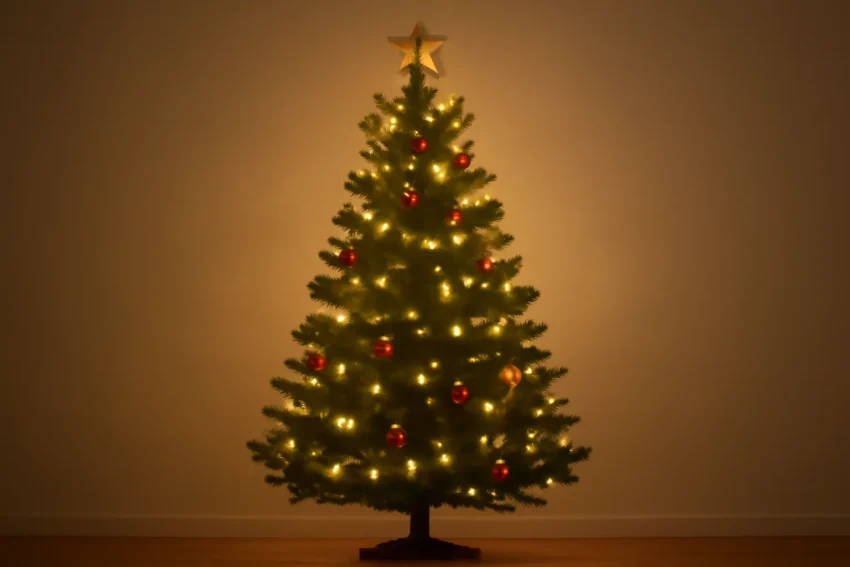
Introduction to the world of battery operated lights Christmas tree options
When it comes to decorating a Christmas tree, one of the most practical and elegant choices
is battery operated lights Christmas tree elements. These are lighting strings
powered by batteries instead of a constant wall outlet, allowing you to place a tree in
rooms, alcoves, bedrooms, or outdoor porches without worrying about extension cords or access to an
electrical outlet. This battery powered Christmas tree lights approach offers
flexibility, safety, and a clean aesthetic that many people find appealing for seasonal displays.
The term cordless Christmas tree lights is often used interchangeably with battery-operated lights, and both describe strings that come with a compact
battery pack. This design is especially valuable for living rooms with limited electrical outlets,
for children’s rooms where cords may pose a tripping hazard, or for outdoor trees where outlet access is
not convenient. In this guide, we’ll explore the best options, explain how to choose
the right system for your tree size and décor style, and offer practical advice for setup,
maintenance, and safety.
What differentiates battery operated Christmas tree lights from traditional wired strings
The foundational difference lies in the source of power. Traditional incandescent or LED strings rely
on a mains power supply, which provides a predictable, continuous stream of energy but requires you to
align the tree with an outlet and manage a power cord. In contrast, battery operated lights
rely on internal energy storage. You’ll typically insert AA or AAA alkaline or rechargeable cells into a
small pack that powers the entire string. This yields several practical advantages:
Placement freedom: You can place a tree anywhere without cords trailing across the room.
Safety: There’s no live mains wiring near kids or pets, reducing electrical hazards.
Energy efficiency: Modern light strings use LEDs, which draw very little power and extend battery life over time.
Seasonal versatility: Indoor and supervised outdoor use becomes feasible with the right IP rating and battery pack protection.
However, there are trade-offs to consider. Battery life is finite and depends on the battery type and the
brightness settings. Some models offer a timer feature, which can dramatically reduce daily consumption by
turning the lights off automatically after a set period. In the sections that follow, we’ll provide practical
guidance to help you balance convenience, cost, and aesthetics when selecting the best options for your needs.
Key technologies behind the best battery powered Christmas tree lights
For most shoppers, the best option is a string built with LED bulbs rather than incandescent bulbs. LEDs have multiple advantages:
Low power consumption translates into longer runtime on a given battery size.
Lower heat output reduces the risk of damage to synthetic branches or ornaments.
Longer lifespan means fewer replacements and less waste over multiple seasons.
Better color consistency and broader options for warm white, cool white, or color-changing sequences.
Some premium strings incorporate intelligent features such as multi-function controllers, remote
controls, and integrated timers, which tailor the experience to your schedule and mood.
In addition to the bulbs themselves, the battery pack design matters: compact packs with secure clips, or packs that are designed to
be hidden within the tree, preserve the visual appeal while remaining accessible for battery changes.
Best options by use case: identifying the right approach for your tree
When people search for the ideal battery operated lights Christmas tree setup, they are often looking for
guidance tailored to their specific situation. Below are several well-suited options, organized by typical use
cases and tree types. Each option includes the core strengths and the scenarios where it shines.
Best overall for most homes: versatile, long-lasting, easy to use
The overall best battery-powered Christmas tree lights are usually LED strings with a generous
bulb count, a compact rechargeable or AA/AAA battery pack, and a simple controller with steady, twinkle, and fade modes.
These strings tend to strike a balance between brightness, runtime, and ease of replacement. They work well for
medium to large trees, and they’re equally suitable for indoor and sheltered outdoor use.
Pros: reliable operation, long battery life when using energy-saving modes, broad compatibility with tree sizes, easy installation.
Cons: may be more expensive than basic models, requires occasional battery changes or recharge.
Ideal for: living rooms, foyers, small to mid-sized Christmas trees, and decorative mantels.
Best budget option: affordable brightness and simplicity
If you’re decorating a smaller tree or you simply want to refresh a few rooms without a big investment, a budget-friendly battery operated lights Christmas tree bundle can be compelling. Even with a modest number of bulbs, you can achieve a charming glow. Look for strings that use standard AA or AAA batteries, offer a couple of modes, and have a compact battery pack.
For outdoor Christmas trees, you want weather-resistant battery lights designed for damp or wet conditions. Many outdoor-ready strings offer IP-rated housing for the battery pack and corrosion-resistant bulbs. The best outdoor options also feature sealed connectors and a robust power source that tolerates cold temperatures.
Pros: outdoor viability, resistance to moisture, wide temperature tolerance, strong color or warm-white options.
Cons: more expensive than indoor-only strings, heavier battery pack, sometimes bulkier wiring to accommodate outdoor mounting.
Ideal for: garden trees, covered patios, balcony trees, or any exterior holiday display.
Best for color-changing effects: dynamic moods and programmable scenes
If you want versatility, look for strings offering color-changing LEDs with a remote or app-based control. These allow you to switch from warm white to multicolor, adjust saturation, and program playlists or scenes (fade to red, green, blue sequences for Christmas, then switch to soft white for cozy evenings).
Pros: dramatic impact, flexible styling, can synchronize with music or a smart-home routine.
Cons: typically higher price, higher power draw, more complex battery management.
Ideal for: entertainment rooms, holiday parties, and modern interiors that embrace color storytelling.
Best for small trees or decorative garlands: compact, unobtrusive, easy to hide
For tabletop trees, desk displays, or garlands, choose compact battery packs and lightweight strings with a modest bulb count. Shorter cords or fruiting light paths help maintain a clean aesthetic.
Pros: minimal visual clutter, easier concealment behind branches or ornaments, quick replacement of batteries in tight spaces.
Cons: shorter runtime on brighter settings, may require more frequent battery changes for lengthy displays.
Choosing the right battery type and power approach
The power source defines what you can realistically achieve with battery operated lights Christmas tree setups. Most consumer strings use one of three main approaches:
Disposable alkaline batteries (AA or AAA): simple, widely available, and affordable upfront. They’re great for occasional use or short-term decorating when you don’t want to recharge. Runtime varies with brightness, but LED strings with high efficiency can last many hours on a single set.
Rechargeable batteries (NiMH or Li-ion): excellent for frequent use or long displays. Rechargeables reduce ongoing costs and are friendlier to the environment. They often come with a charging dock or USB charging capability, making it convenient to keep your lights ready to go.
Integrated rechargeable packs or USB-powered strings: some premium models wirelessly recharge or connect to USB power via a hidden hub. These can offer seamless operation and extended life if you have regular access to a USB outlet or solar-charged portable power bank for outdoor use.
Consider the following factors when selecting your power method:
Runtime needs: If you want lights on for extended periods (e.g., all evening from late afternoon into late night), rechargeable or integrated systems tend to be the most convenient.
Cost over time: While disposable batteries are cheap upfront, the recurring cost can add up. Rechargeables may have a higher initial price but lower long-term cost.
Environmental impact: Rechargeable and rechargeable-friendly options reduce waste.
Convenience: USB-rechargeable strings let you top up energy without removing the battery pack from the tree.
What to know about run time and brightness
A major consideration for any battery operated Christmas tree lights is how many hours you can expect from a set of batteries and how bright the string will appear. LED-based strings are the standard for best runtime. A typical setup might offer:
10–20 hours of continuous run time on a single set of alkaline AAA batteries at a modest brightness level.
40–100+ hours if the string has an efficient LED count and you enable a twilight or timer mode that switches off after a few hours each day.
Variable modes (twinkle, slow fade, steady on) can dramatically affect run time. Choosing a lower brightness or a single-mode setting can dramatically extend battery life.
When comparing products, look for stated runtimes on alkaline versus rechargeable batteries. Manufacturers often publish
runtime estimates under different brightness levels or modes. If you plan to use the lights as a constant, day-long display, prioritize
battery type that supports long runtime or offers an automatic off-timer to preserve power.
How to install and conceal battery packs on a Christmas tree
The installation process for battery powered lights Christmas tree strings is straightforward, but it benefits from a small set of best practices to ensure the result is both aesthetically pleasing and secure.
Plan the layout: Before adding lights, decide where the battery pack will live. Hidden pockets inside the tree, at the back, or tucked into a decorative basket near the base can work well.
Distribute evenly: Start at the base and work upward, keeping the cord or wire close to the trunk to minimize visibility. Make sure the lights are evenly spaced for a balanced glow.
Use branching tips: Wrap lights around main branches first, then fill in gaps with smaller twigs. This creates depth and avoids hotspots where light concentrates.
Hide the battery pack: Use decorative clips, velcro straps, or a small fabric sleeve to conceal the pack inside the tree or behind ornaments. Ensure it’s easily accessible for battery changes if needed.
Secure loose strands: If there are long sections, secure them with soft ties or tree-safe clips to prevent shifting or sagging.
Test before decorating: Power on the lights after the initial setup to confirm there are no dead bulbs or uneven sections. It’s easier to adjust early than after you’ve added ornaments.
Creative decorating ideas with battery powered lights
Battery operated lights offer a wealth of creative possibilities beyond simply lighting the tree. Here are some practical ideas to maximize impact:
Layered lighting: Use a combination of warm white and color-changing strings to create a layered effect. Warm white can anchor the tree, while color-changing strands provide festive accents for holiday evenings.
Twinkling effect: A string with a dedicated twinkle or slow fade mode can simulate starlight among the branches. Use this sparingly to avoid visual overwhelm.
Color zones: If you have a multicolor string, designate sections of the tree to specific color zones for a modern, graphic look that still feels Christmassy.
Seasonal themes: Red and green LEDs for Christmas, blue-and-silver for a winter wonderland, or a warm amber for a cozy sense of ambiance.
At-rest night lighting: Set a low-brightness mode to illuminate the tree at night without being overpowering, allowing the room to feel serene while still showcasing the tree’s form.
Maintenance tips to extend life and preserve safety
Proper maintenance is essential to ensure that your battery operated lights Christmas tree remain safe and vibrant for years to come. Consider the following guidelines:
Battery care: If you’re using rechargeable packs, follow the manufacturer’s guidance on charging cycles. Do not mix old and new batteries in the same pack, and avoid placing batteries in extreme temperatures.
Replace dead bulbs: A single dead bulb in a string can sometimes affect the entire strand, especially in older designs. If you notice uneven brightness, inspect for damaged bulbs or faulty connections.
Check for moisture: For outdoor or sheltered outdoor trees, ensure the battery pack remains dry. Use weatherproof housings or a protective enclosure in damp conditions.
Inspect for wear: Examine cords and clips for fraying or corrosion. Replace any damaged components promptly to maintain safety and performance.
Store properly: When packing away, coil cords loosely and store bulbs in a dry, cool place. Avoid bending or kinking the strands, which can stress the wiring over time.
Understanding safety standards and warranties
For any battery operated lights Christmas tree, it’s wise to consider safety certifications and the warranty period. Reputable products often carry certifications for electrical safety and fire resistance, particularly for items marketed as outdoor or weather-resistant. A solid warranty provides peace of mind against manufacturing defects and premature component failures. Always follow the manufacturer’s installation instructions and keep small children and pets away from damaged strands.
What to look for in a high-quality battery powered lighting set
When evaluating options for a battery powered Christmas tree lights purchase, pay attention to several critical attributes:
Bulb technology: LEDs are preferred for efficiency, longevity, and color control. Some premium strings offer dimmable LEDs or bi-color LEDs, allowing you to switch between warm and cool tones.
Bulb density: The number of bulbs per foot determines brightness and the tree’s overall glow. For a full, lush look, aim for a higher bulb count without overwhelming the space.
Battery pack design: A compact, ergonomic pack that fits into the tree and is easy to access for battery changes is essential. A rechargeable pack with USB charging adds convenience.
Mode options: At minimum, look for steady-on, blinking, and fading modes. More advanced controllers may offer timers, music-synced modes, or remote control.
Weather resistance: If you plan to use the lights outdoors or in damp spaces, ensure the entire system, including the pack, is rated for outdoor use or properly shielded.
Color options: Warm white is timeless and traditional, while cool white can create a modern look. Multicolor strings offer festive variety but may require careful décor coordination.
Energy efficiency: The lower the current draw for a given brightness level, the longer the battery life. Look for energy-efficient LED strings with optimized circuitry.
Practical considerations for tree size, layout, and power management
The size of your tree and the layout of the room profoundly affect which battery operated lights Christmas tree solution will work best. Here are practical guidelines to help you tailor your choice:
Tree size: For small trees (up to about 4 feet), compact strings with 50–100 bulbs provide a balanced glow. For large trees (over 7 feet), you’ll want longer strings with 150–300 bulbs or multiple strands that can be layered.
Branch density: Sparse trees may require bulbs with more brightness per foot to avoid a dim appearance; denser trees can leverage more subtle lighting.
Ornament density: If you’re heavily ornamented, lighter strings may prevent overwhelming the decorations. Conversely, minimalist trees benefit from brighter strings to create a focal point.
Room lighting: In a bright room, brighter modes or color-changing options can help the tree stand out. In a dark room, even softer, warm white lighting creates a cozy atmosphere.
Timer scheduling: If you want the tree to illuminate automatically after sunset and turn off before bedtime, consider strings with built-in timers or smart-home compatibility.
Comparing popular form factors: traditional corded vs battery only
Some shoppers think in terms of “cordless” versus “corded” Christmas lights whenever decorating a tree. With battery-operated options, you gain maximum flexibility, but there are trade-offs:
Cordless/battery-based strings: Maximum placement freedom; best for rooms without outlets or for outdoor trees under a sheltered area.
Corded strings: Reliable, predictable power with no need to replace batteries; often brighter at a given setting, but require a nearby outlet and can introduce visible cords.
Hybrid approaches: Some setups use a small battery pack for untethered sections and a short extension cord for others. This can be useful for very large trees or for outdoor installations that require longer run times than a single battery set can provide.
Maintenance and storage best practices for year-to-year use
To maximize the longevity and reliability of your battery operated lights Christmas tree, adopt a thoughtful maintenance and storage routine:
Seasonal checks: At the end of each season, inspect the string for loose connections, damaged bulbs, or frayed wires. Address issues before stowing the lights away.
Battery care during storage: If your lights use rechargeable packs, ensure they are fully charged before storage and store them in a cool, dry place to preserve battery health.
Safe stacking: When storing multiple strings, avoid sharp bends at the battery pack and at plug connections to prevent micro-fractures or wire fatigue.
Labeling: If you have multiple strings for different trees or zones, label each battery pack with a simple name or number for quick identification next year.
How to refresh an existing display with new battery powered lights
If you already own a battery operated lights Christmas tree setup but want to refresh the look, several approaches can help:
Layer new colors: Add a color-changing string to a monochrome tree to introduce dynamic accents that can be changed with a remote control.
Increase density: For a fuller appearance, add one more strand of lights behind the first, ensuring even distribution to avoid dark spots.
Enhance with warm accents: Pair a warm white string with delicate metallic ornaments to create a classic, elegant effect that pairs well with both traditional and contemporary décors.
Incorporate novelty shapes: Small star or snowflake shapes that clip onto branches can inject whimsy without overpowering the existing lighting design.
Frequently asked questions about battery operated lights Christmas tree
Here are concise answers to common questions that shoppers often have when deciding on the best options:
How long do battery-powered Christmas tree lights last? Runtime depends on battery type, bulb count, and brightness. LED strings on alkaline AA or AAA batteries typically provide many hours of light in mid-range brightness, and rechargeable packs can extend usable time across multiple nights.
Are there safety concerns with battery-powered lights? Modern LED strings are generally safe, with low heat output. Always follow manufacturer guidelines, check for moisture protection if used outdoors, and replace damaged components promptly.
Can I use battery-powered lights outdoors? Yes, if the product is rated for outdoor use. Ensure the battery pack is weatherproof or protected from moisture, and use a sheltered location to minimize exposure to rain and snow.
Do battery packs affect tree health? Battery packs are typically external to the tree itself and do not impact the tree’s health. However, keep packs away from moisture and avoid placing heavy or tight hardware on branches that could damage them.
Is there a difference between warm white and cool white for battery lights? Warm white offers a classic, cozy glow ideal for traditional décor. Cool white provides a modern, crisp look that can feel more contemporary.
What should I consider when buying for a large tree? Look for longer strings with higher bulb density, multiple strings you can layer, and possibly a higher-capacity battery pack or several packs that can be distributed around the tree for even illumination.
Cleaning up myths and misunderstandings about battery operated lights
While searching for the best battery operated lights Christmas tree, you may encounter myths such as “battery strings are only for small trees” or “all battery packs heat up excessively.” In reality:
Battery-powered strings come in sizes suitable for trees of nearly any scale, from tabletop to towering specimens.
LED-based battery strings generate minimal heat, making them safe to touch and safe for delicate ornaments.
With the right mix of modes and brightness, you can optimize runtime for extended evening use.
Outdoor-grade options exist for covered porches or entryway trees, expanding your decorating opportunities beyond indoor spaces.
Wrapping up: crafting your best possible battery powered Christmas tree experience
The decision to decorate with a battery powered lights Christmas tree setup is rooted in practicality, safety, and creative freedom. Whether you want a subtle, elegant glow or a playful, multicolor display, the best options are those that align with your tree size, room layout, and energy expectations. By focusing on LED technology, battery management, and thoughtful installation, you can create a magical, hassle-free holiday centerpiece that remains a joy year after year.
Sample decision guide: quick steps to pick your ideal option
Use this concise checklist to identify the best match for your space:
Assess tree size and room layout. Is it a small tabletop tree or a large living-room centerpiece?
Decide on the desired ambience: warm traditional lighting, modern cool whites, or dynamic multicolor effects.
Choose a power approach: disposable batteries for occasional use, rechargeable packs for frequent use, or integrated USB-rechargeable options for maximum convenience.
Determine the weather exposure: indoor-only, or sheltered outdoor with weather protection?
Set a budget range and look for strings that fit within it while offering the desired modes and length.
Plan installation: where will the battery pack live, and how will you conceal it without impairing access for battery changes?
Conclusion: embracing the best options for a beautiful, practical Christmas display
A well-chosen battery operated lights Christmas tree setup can transform holiday décor with minimal fuss and maximum impact. By understanding the differences between LED and incandescent options, recognizing the importance of battery type and runtime, and applying smart installation and maintenance practices, you can achieve a stunning, safe, and energy-efficient display. Whether you prefer a classic, warm glow or a vivid, color-changing spectacle, the right cordless lighting approach offers flexibility, ease, and a level of portability that traditional wired strings simply cannot match.