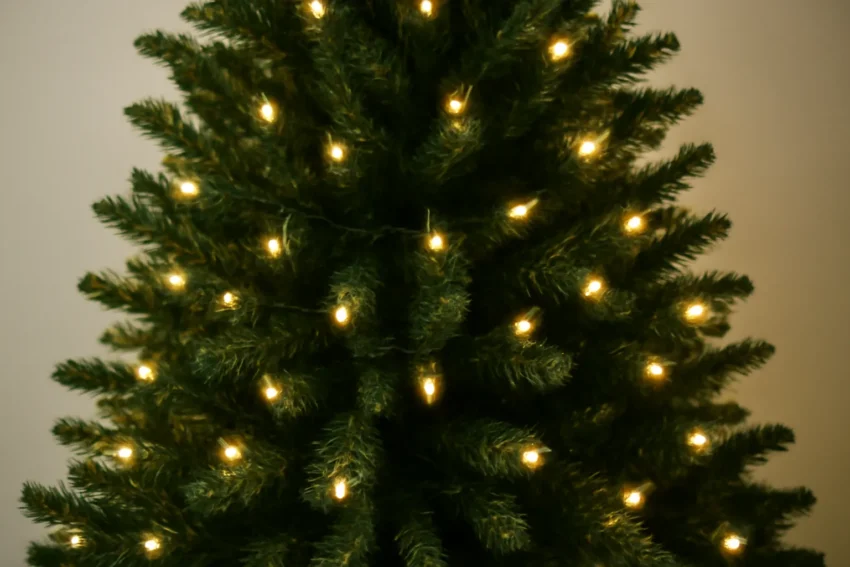
Christmas Tree Lights White LED are a staple of modern holiday decorating. White LED Christmas lights offer a blend of elegance, efficiency, and versatility that makes them a favorite for homes, offices, and festive displays. In this guide, you will discover why white LED Christmas lights are a top choice for holiday decor, how to choose the best options for your space, and practical tips for installation, safety, and long-term enjoyment. Whether you are aiming for a classic, warm glow or a crisp, contemporary radiance, white LED illumination can elevate your Christmas tree and surrounding décor with reliability and style.
Why White LED Christmas Lights Are So Popular for Holiday Decor
Lighting a Christmas tree is about setting mood, emphasizing texture, and creating a welcoming atmosphere. White LED string lights excel at delivering a clean, timeless aesthetic that complements a wide range of ornament colors and tree species. Here are several reasons why these lights are a top pick:
Energy efficiency: LEDs consume significantly less electricity than traditional incandescent bulbs, which translates to lower utility bills during a season when lights are often on for many hours every day.
Long lifespan: With tens of thousands of hours of operation, white LED lights outlast many festive décor items, reducing replacement frequency and waste.
Durability: LEDs are solid-state devices that are more resistant to shocks and temperature changes, making them suitable for both indoor trees and outdoor displays.
Color temperature variety: White LEDs come in multiple color temperatures—from warm, candlelit hues to bright, cool daylight tones—allowing you to curate the exact ambiance you want.
Safety and low heat: LEDs emit very little heat, reducing the risk of heat-related damage to branches, decorations, or moisture on the tree.
Smart and controllable: Many white LED options can be dimmed, grouped, or integrated into smart home ecosystems for scheduling and remote control.
Understanding the Landscape: White LED Christmas Lights vs. Other Options
Before diving into a shopping list, it helps to understand the landscape of white lighting choices. While there are many kinds of holiday lights, the market consistently splits into two broad categories: white LED lights and other LED colors or incandescent variants. Within the white LED category, you’ll encounter variations in:
Color temperature: Warm white, soft white, neutral white, cool white, daylight white, and pure white.
Bulb shape and size: Mini bulbs, C-series bulbs, larger bulbs, and integrated-diffuser strings.
Light effects and controls: Steady on, twinkling, chasing, fading, and smart effects, many of which can be paired with apps or voice assistants.
Usage context: Indoor trees, outdoor evergreens, garlands, and festive archways often require different levels of brightness and weatherproofing.
When you combine color temperature, brightness, and durability, you can craft a holiday display that is cohesive with furniture, ribbons, and ornaments, or that makes a bold, modern statement with crisp white light.
Types and Variations of White LED Christmas Lights
White LED Christmas lights are available in several families, each with their own strengths. Understanding these types helps you match the lighting to your tree size, living space, and decorative goals.
Warm White vs Cool White vs Neutral White
Color temperature is one of the most important choices when you select white LED string lights. Here are common categories and what they feel like in real spaces:
Warm white (roughly 2700K–3000K): A soft, amber-inflected glow that resembles traditional incandescent holiday lights. This tone enhances red and gold ornaments and creates a cozy, classic Christmas ambiance.
Neutral white (roughly 3500K–4100K): A balanced, natural white that is closer to daylight and often reads as elegant and modern. It works well with a wide range of colors and textures without pulling too warm or too cool.
Cool white (roughly 4500K–5500K): A crisp, bright white with a hint of blue, often described as «clean» or «scandinavian.» It can give trees a contemporary, minimalist look and pairs nicely with silver, glass, or icy decor.
Daylight white (roughly 5500K–6500K): The most intense white, close to natural daylight. This temperature is great for high-contrast displays and for outdoor use where the goal is to stand out against winter darkness.
When choosing a color temperature, consider whether your tree lighting should be a background glow or a focal point. Warm white often feels more intimate, while cool or daylight white can feel more modern and crisp. For many trees, a single temperature is a cohesive choice; for others, designers layer multiple temperatures for depth, using warm white inner layers and cool white outer layers for a dynamic effect.
Bulb Shapes and Strings
The physical form of the lights affects how evenly they cover branches and how visible the bulbs are from a distance. Common options include:
Mini bulbs (often in a tiny 2.5–3.5 mm diameter): These are lightweight, space-efficient, and create a delicate, twinkling effect on fine branches.
Standard «mini» or micro bulbs on a continuous wire: Ideal for dense trees, providing abundant sparkle without bulky bulbs.
C-series bulbs (classic Christmas bulb shape): Slightly larger than mini bulbs, giving a traditional look with more visible bulbs.
ICICLE or pendant-style strands: Long, tapered pieces that can hang from a branch tip for an elegant downward glow; often used for outdoor trees or high-centerpieces.
Integrated-diffuser strings: Bulbs with diffusers that soften the light for a smooth silhouette along branches.
For a white-only aesthetic, consider uniform bulb shapes across strings to maintain a clean, cohesive appearance. If you prefer a textured look, mix different bulb sizes in a controlled pattern, ensuring the white temperature remains consistent across the display.
Smart, Dimmable, and Connectable Options
Technology has changed how we interact with white LED Christmas lights. Several features are widely available:
Dimmable strings let you adjust brightness for different moments (t dinner, after-hours glow, or full-on sparkle).
Smart lighting capabilities include integration with smartphone apps and voice assistants, enabling scenes, schedules, and remote control.
Connectable strings allow you to link multiple runs of lights for larger displays, often up to a practical limit specified by the manufacturer.
Memory and preset modes that save your preferred configuration—steady, twinkle, or chasing effects—so you can switch vibes quickly.
When evaluating smart or dimmable options, confirm compatibility with your existing ecosystem (e.g., Google Assistant, Alexa, or Apple HomeKit) and check that the system supports basic safety standards and weather resistance if you plan outdoor use.
Outdoor vs Indoor Use: Weatherproofing and Safety
One of the most practical considerations for white LED Christmas lights is where you intend to use them. Indoor trees may tolerate lighter weather protection, while outdoor installations demand robust sealing and weatherproofing. Here are key distinctions:
Indoor lights are usually rated for dry or damp environments. They can be used on both artificial and real trees but may not hold up under rain, snow, or freezing temperatures without the right IP rating.
Outdoor lights require weatherproofing, typically IP65 or higher, and a design that resists moisture ingress and temperature cycling.
GFCI protection for outdoor outlets helps prevent shock hazards in damp environments.
Outdoor cords and connectors should be rated for exterior use, with secure plugs and waterproof seals where possible.
Always read the product labeling to confirm whether the lights are suitable for indoor use, outdoor use, or both. If you decorate a farmhouse, balcony, or porch, consider heavy weather protection and a design that minimizes the risk of water exposure to electrical connections.
Color Temperature and Decor Harmony: Practical Tips
The choice of white temperature shapes how your tree blends with other decor, lighting, and even the color of the room. Here are practical guidelines to help you harmonize white LED tree lights with your holiday theme:
Complementary palettes: Warm white works beautifully with gold, red, and natural wood tones; cool white pairs well with chrome, glass, silver accents, and icy blue ornaments.
Layering for depth: Use a warm white inner layer to wrap the trunk and dense branches, then layer a cool or neutral white over outer branches to add depth and modern contrast.
White balance: For a minimalist aesthetic, a single temperature across the entire tree tends to read as refined and cohesive. For a festive, eclectic look, mixing temperatures can be done intentionally and thoughtfully, but be mindful of eye comfort.
Budget considerations: Higher color temperature options can sometimes require more careful placement to avoid glaring spots, while lower-temperature warm whites may hide guide wires more effectively in dense trees.
How to Choose the Best White LED Christmas Lights for Your Tree
Choosing the right white LED Christmas lights can shape the entire holiday experience. Here are practical steps to help you decide:
Assess your tree size and shape: A tall, full tree may benefit from longer strings and higher bulb density, while a slim or tabletop tree can be elegantly lit with shorter strings and tighter spacing.
Decide on color temperature: Think about the room’s color palette and the mood you want to create. If you want a timeless, traditional feel, warm white is a safe, versatile choice. For a modern, crisp look, neutral or cool whites are appealing.
Set a brightness target: Consider lumens per foot or per string and how bright you want the tree to appear from a typical viewing distance. Dimmer strings create a cozy glow, while brighter options highlight ornaments and textures.
Check connectability and control: If you crave automation, select dimmable and smart-capable options. Confirm the maximum number of strings you can connect and whether you want remote or app-based control.
Consider weather and placement: Outdoor trees demand weatherproof strings and secure mounting methods. Indoor trees allow more flexibility but still benefit from strain relief and organized wiring.
Review safety certifications: Look for UL listing or equivalent certifications, weatherproof ratings for outdoor use, and manufacturer guidance on safe operation.
In short, the best white LED Christmas lights for your tree are those that match your space, temperature preference, and desired level of control, while delivering reliable performance across the length of the season.
Installation Tips for a Stunning White LED Tree Display
Installing white LED lights on a Christmas tree is both an art and a practical task. A well-lit tree reveals the dimensions of branches and ornaments and creates a warm focal point in your living space. Use these steps to achieve a balanced, professional look:
Test first: Before you decorate, plug in and test each string to ensure all bulbs are functioning. This saves time and avoids surprises after you’ve wrapped the tree.
Plan your color temperature strategy: Decide whether to keep a single temperature or layer multiple temperatures. If layering, place the warmer light toward the inner branches and the cooler light toward the outer, for depth and glow variance.
Start at the trunk and work outward: Beginning near the trunk helps you secure a solid base, then you can gently spiral or weave the string outward along branches for even coverage.
Use proper fasteners and clips: Tree clips and lightweight hooks keep wires in place and protect delicate branches from damage. Hide cords along the trunk where possible.
Distribute evenly: Avoid hotspots by periodically stepping back to view your progress. If needed, add or remove strings to achieve uniform density across the tree.
Finish with a top-and-bottom balance: After adding garlands or ornaments, ensure the top portion of the tree has a similar lighting density as the lower sections to maintain visual harmony.
Storage and reuse: Dry the lights completely before removing them. Coil strings neatly and store in labeled containers to protect from tangling and moisture for next season.
For outdoor use, extra caution is warranted. Use weatherproof extension cords rated for exterior use, ensure plugs are off the ground to prevent water ingress, and consider a ground fault circuit interrupter (GFCI) for safety.
Maintenance, Safety, and Longevity of White LED Lights
With proper care, white LED light strings can last many seasons. Here are practices to extend their life and keep them safe:
Avoid overloading outlets: Follow the manufacturer’s guidance on the number of strings that can be connected together and use power strips with surge protection if needed.
Keep connections dry for outdoor installations; use waterproof connectors when possible and avoid running cables across wet surfaces.
Inspect regularly for frayed wires or loose connections, especially after handling and storage.
Store properly in a cool, dry place to prevent insulation damage and tangling.
Replace damaged strings promptly to avoid electrical hazards and ensure consistent color temperature across the display.
By adhering to safety norms, you can enjoy reliable lighting year after year, preserving the integrity of your tree and the safety of your home.
Popular Brands and Where to Find Quality White LED Christmas Lights
The market offers a broad range of options from well-known brands as well as specialty manufacturers. When shopping for white LED Christmas lights, consider the following sources and brand families:
Major retailers often carry a wide selection of white LED strings, including indoor and outdoor varieties, with clear labeling for temperature, IP rating, and connectability.
Specialty lighting brands focus on high-Quality LED products, robust weatherproofing for outdoor use, and advanced control options like dimming and smart features.
Smart home ecosystems offer branded lines that integrate with apps and voice assistants, enabling scenes and automation that align with your holiday routines.
Online marketplaces provide access to a range of lengths, temperatures, and bulb shapes, including user reviews to guide your decision.
When evaluating a brand, consider the following criteria: durability, warranty, customer reviews, ease of installation, and clear labeling of color temperature and outdoor suitability. A good set of white LED lights should deliver consistent color, reliable performance, and straightforward maintenance across seasons.
Common Mistakes to Avoid When Using White LED Christmas Lights
Even experienced decorators can stumble into a few pitfalls. Awareness can help you prevent them and achieve a polished result:
Mismatch in color temperature across strings; this can create a jarring look. Try to pick one temperature per tree or plan a deliberate, layered design.
Overwhelming brightness with too many strings in a small space. More is not always better; balanced distribution and thoughtful placement matter more than sheer quantity.
Ignoring outdoor ratings for outdoor installations. Use weatherproof lights and protective connectors to avoid moisture-related issues.
Underestimating heat and branch safety: LEDs stay cool, but the wiring can still be stressed if cables are wrapped too tightly or pressed against sharp edges.
Skimping on storage and tangling at the start of the season, which leads to extra work and potential damage next year.
Creative Decorating Ideas with White LED Lights
White LED lights offer a broad canvas for creative expression. Here are ideas to maximize impact while staying stylish and timeless:
Layered texture by combining a warm inner layer with a cool outer layer for depth and dimension.
Tree silhouette accent by outlining the outer edges of a tree with a pure white or cool white line to create a crisp silhouette against a dark room wall.
Garland and wreath enhancements using white LEDs to highlight greenery or metallic accents inside garlands or around door frames.
Seasonal scenes by integrating white LED light strings with artificial snow, ornaments with reflective surfaces, or translucent elements to amplify the glow.
Outdoor landscapes that emphasize architecture and natural features with steady white illumination that remains legible at night.
Remember that consistency in color temperature and light density is key to a cohesive display. While experimentation is encouraged, a well-planned approach tends to yield the most elegant results.
Comprehensive Buying Guide: What to Look for in White LED Christmas Lights
To help you shop confidently, here is a concise checklist of essential features and specs to consider when buying white LED Christmas lights for your tree and décor.
Color temperature (2700K–6500K): Decide your preferred warmth and tone; most buyers choose one temperature for uniformity, while some opt for layered effects.
Bulb type (mini, C-series, integrated): Choose based on desired brightness, spacing, and the tree’s density.
Brightness and light density: Look for lumens data per string and the number of bulbs per string to estimate coverage.
Length and strings per package: Ensure you have enough strings for your tree size, with some extra for future reconfigurations.
Connectability and timing: If you plan to connect multiple strings, verify the maximum connection count and whether you need remote control or app-based automation.
Weatherproof rating for outdoor use: IP rating (e.g., IP44 for indoor, IP65 for outdoor) indicates moisture resistance.
Durability features: Look for sturdy wire, secure plugs, and reliable seals, particularly around connectors and end caps.
Safety certifications: UL or CE listings indicate compliance with safety standards.
Warranty and return policy: A robust warranty reflects confidence in durability and long-term performance.
With this checklist in mind, you can compare options side by side and select a set that matches your needs, budget, and design goals for the season.
Conclusion: Creating a Cozy, Elegant Glow with White LED Lights
Choosing the best white LED Christmas lights for your holiday decor requires balancing temperature, brightness, durability, and smart features. Whether you are aiming for a traditional, timeless glow or a sleek, contemporary radiance, the right white LEDs can elevate your tree and surrounding décor while offering energy efficiency, longevity, and reliable performance year after year.
By understanding the differences between warm, neutral, and cool whites, selecting the right bulb shapes and strings, and applying thoughtful installation and maintenance practices, you can craft a display that feels both magical and lasting. The humble string of white LED lights is not just a functional choice; it is an invitation to celebrate the season with warmth, clarity, and enduring charm.
As you begin your search, remember to consider where the tree will live, how much power you want to devote to lighting, and whether you want smart or traditional control. With careful planning and a touch of creativity, your Christmas tree will glow with a white LED brightness that is both inviting and enduring—a bright centerpiece for family gatherings, holiday parties, and quiet winter evenings.