Christmas Nativity Sets: Traditional Cribs and Figurines
The nativity set, also known as a creche or a crib, is one of the most enduring
symbols of Christmas across many cultures. From rustic farmyard scenes carved from cedar to delicate porcelain miniatures,
these nativity scenes bring to life the story of the birth of Jesus through a tangible, three-dimensional
representation. In homes, churches, schools, and museums, the Christmas nativity has evolved into a
family heirloom, a collectible hobby, a liturgical instrument, and a festive display that invites reflection and joy.
This comprehensive guide explores the world of traditional cribs and nativity figurines, highlighting
their history, varieties, craftsmanship, display considerations, and practical tips for buyers and builders. Whether you
are drawn to a classic wood carving, a hand-painted ceramic, or a contemporary mixed-media arrangement, the enduring
appeal of the nativity set lies in its ability to tell a timeless story with beauty, authenticity, and warmth.
Historical Origins and Evolution
The origin of the nativity scene is rooted in religious storytelling, but the way people celebrate and present it
has traveled across centuries and continents. The early Christian communities did not always display a formal scene. The
emphasis on a scalable nativity display emerged as a helpful mnemonic for teaching the narrative and
as a devotional focus during Advent and Christmas.
Key milestones in the evolution of the traditional crèche include:
Medieval and Renaissance Europe: Workshop workshops and guilds began to produce portable
representations that could be set up in homes, chapels, and guild halls. These early navidad-like
displays often included not only the Holy Family but also shepherds, villagers, livestock, and symbolic figures.
Italy and the presepe tradition: The Italian presepe became a cultural cornerstone,
especially in Naples, where craftsmen introduced highly expressive figures and elaborate landscapes. The Naples
presepe tradition inspired countless imitators and set the standard for many regional nativity scenes.
Spain and Portugal: Nativity tableaux expanded to include angel choirs, shepherds, and a rich array
of regional costumes, often crafted in wood, clay, or tin. The emphasis on narrative detail and color remained
central.
Northern and Central Europe: In places like Germany, Austria, and the Low Countries, wooden carvings,
folky characters, and movable parts became common, laying the groundwork for the artisanal wood-carved nativity sets
that are still cherished today.
Colonial and global exchange: As trade routes expanded, nativity figures traveled with merchants and
missionaries, taking on local materials and styles—from painted clay to papier-mâché, and eventually to porcelain
and resin figures in the modern era.
Today, the nativity scene exists in countless idioms. Some are quiet and intimate, designed for a
small shelf or tabletop. Others are grand, multi-figures compositions that fill an entire room with landscape, caves,
and architectural backdrops. The point of this evolution remains the same: to present a human-scaled, narrative
panorama of the birth of Christ that invites contemplation, storytelling, and seasonal delight.
Common Components and Configurations
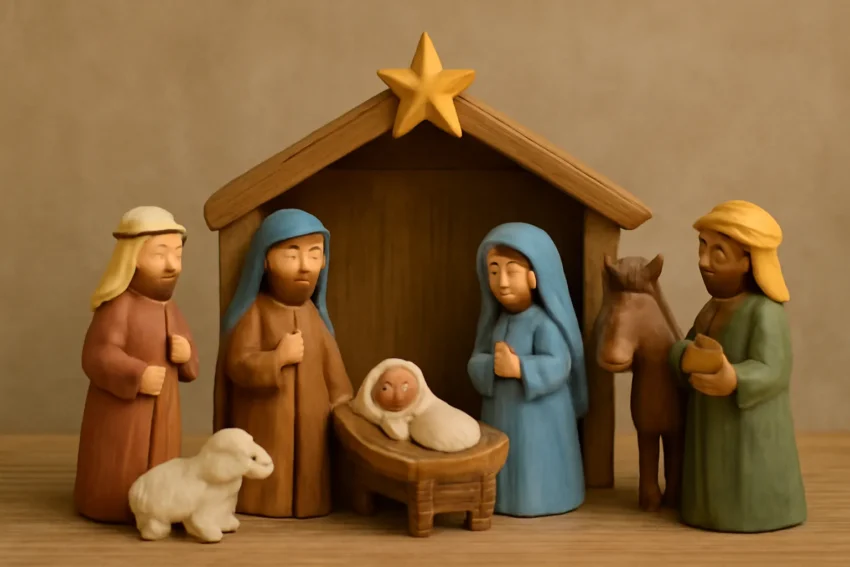
A Christmas nativity set typically centers on the Holy Family—Mary, Joseph, and the Baby Jesus—surrounded
by a chorus of figures and animals. Yet the precise lineup and the arrangement can vary dramatically depending on
tradition, region, and the maker’s intent.
Typical configurations include:
Core trio: Mary, Joseph, and the infant Jesus. In many designs, Baby Jesus is placed in a manger or
cradle, and he may be moved or added to the scene only after Christmas Eve or Christmas morning to symbolize the
Incarnation.
Ancillary participants: The set often includes shepherds with sheep, angels, and the Wise Men (or Magi)
with gifts of gold, frankincense, and myrrh. Some traditions depict the Magi visiting after the birth, while others
place them as part of a separate Epiphany display.
Domestic or landscape elements: Caves, fields, a Bethlehem stable, rock formations, palm trees, and
shepherds’ huts provide context and texture. Some modern sets incorporate streetlamps, staircases, or architectural
facades to create a more theatrical panorama.
Animals and landscape details: Donkeys, oxen, sheep, camels, birds, and livestock figures enhance the
realism and charm of the scene. Animals contribute to the narrative by illustrating daily life in the world of the
nativity.
Angelic chorus and celestial elements: Angels hovering above or among the figures reinforce the sacred
dimension of the scene, often holding stars or banners with scriptural verses.
While the classic arrangement emphasizes the holy family, modern sets may expand to include
additional figures like townspeople, wise travelers, or nativity musicians. Some collectors pursue
specialized sub-assemblies to depict particular narratives—such as shepherds with a flocks or a detail-rich
cattle pen—adding richness and variety to the display.
When evaluating a nativity ensemble, consider the balance between figures and space. A compact set
might be ideal for a mantelpiece, while a larger, multi-figurine tableau can serve as a focal point in a living room
or chapel display. The arrangement can be arranged in a linear row, a semicircle, or a layered, three-dimensional
scene depending on the selected pieces and display space.
The material choice for a nativity scene profoundly affects its appearance, durability, and maintenance.
Here is a survey of common materials and the techniques often used to shape and decorate these cherished figures.
Wood
Wooden crèches are among the most traditional and enduring. Carved from solid timber or assembled from
multiple pieces, wooden nativity figures can range from rough-hewn, rustic styles to highly refined, hand-polished
sculptures. Common species include walnut, cedar, olive wood, and basswood. Wood lends a tactile warmth that
resonates with natural lighting and seasonal textures.
Hand-carved wooden figures often feature expressive faces and intricate robes carved with tools that leave visible
striations, emphasizing craft heritage.
Finished woods may be stained, oiled, or varnished to protect the surface and bring out the grain.
Some wooden sets incorporate removable components or articulated joints for poseable figures.
Ceramic and Porcelain
Ceramic and porcelain nativity sets embody a refined elegance. Porcelain figures typically have delicate features and
smooth glazes, offering a doll-like or lace-like finish. Ceramic sets can be matte or glazed and may feature hand-painted
details. This category often includes splendidly painted costumes and vivid color palettes.
Glazing can enhance color depth and create subtle tonal shifts across the robe surfaces.
Porcelain is more fragile, making these sets ideal for display cases rather than outdoor use.
Collectible porcelain nativity sets may require careful storage to prevent chipping and cracking.
Resin, Fiber, and Polyresin
Modern manufacturing frequently uses resin or polyresin blends. These materials are versatile, durable,
and affordable, making them popular for mass-produced nativity figures. Fine painting and detailed molding can
replicate the look of older carvings with a contemporary sensibility.
Resin sets resist moisture and are suitable for indoor use; some outdoor-friendly polyresin options exist.
Lightweight compared with solid wood or stone, these figures are easier to display at higher elevations or as
hanging elements.
Metal, Tin, and Wire
Metal and tin elements can lend a vintage or industrial vibe to a nativity display. Hand-cut tin silhouettes, wire halos,
and metal-plated accents can create a luminous, reflective surface that catches candlelight or LEDs.
Glass and Crystal Accents
Some high-end or ceremonial sets use glass or crystal details to accent certain figures, stars, or halos. These elements
catch light in distinctive ways and can add a sense of wonder, particularly in dimly lit rooms.
Regional Variations and Styles
Across cultures, nativity sets take on local motifs, materials, and narratives. This regional diversity reflects rich
devotional practices and artisanal traditions. Below are several notable strands of the broader tradition.
Italian Cribs and the Presepe Tradition
The Italian presepe is famous for its narrative depth and scenic complexity. In this tradition,
craftsmen build elaborate landscapes with caves, hills, miniature houses, and a cast of characters that exceed the
basic holy family lineup. Neapolitan artisans, in particular, developed a distinctive style with expressive faces,
animated poses, and a sense of theatrical storytelling.
Presepi often include unexpected figures such as bakers, woodcutters, fishermen, and animals to create a living village.
Hand-carved or molded figures may be complemented by clay architecture and terracotta backdrops.
Lighting and layered display are used to evoke night skies, starlight, and the glow of Bethlehem.
Spanish and Portuguese Traditions
In Iberian traditions, nativity scenes frequently feature ornate costumes and a strong emphasis on ritual
storytelling. Colorful fabrics and intricate headwear reflect regional dress, and the crib may be
integrated into larger tableaux that resemble town squares or festive markets.
Mexican and Latin American Nacimientos
The Latin American nativity scene, often called a nacimiento, is celebrated with vibrant color and
a sense of community. In Mexico and much of Central America, nativity figures are crafted from clay (barro) and
often painted with bold palettes. The handmade nature of many nacimientos reflects regional
pride and a spirit of hospitality.
Pastorales and campesino figures depict rural life and shepherds, reflecting the farm-to-stable continuity of the scene.
Barro figures are common in workshops that pass skills from generation to generation, keeping traditional
techniques alive.
Cribs may be compact or large and can be displayed on tables, mantels, or floor spaces for communal viewing.
Nordic and Central European Ideas
In northern climates, nativity sets may be accompanied by winter landscapes, evergreen boughs, and seasonal
lighting that enhances the sense of a serene, candlelit night. Wooden carved figures often emphasize sturdy, rustic
lines that pair well with natural textures.
Modern and Contemporary Interpretations
Designers from many countries have created contemporary nativity sets that mix materials such as resin,
metal, glass, and fabric. These pieces might emphasize minimalism, abstraction, or whimsical elements that
reinterpret the birth narrative for present-day living rooms or gallery spaces.
Nativity sets come in a wide range of sizes, from tiny tabletop nativity sets to impressive life-size creches used in churches or public installations. When choosing a size, consider the display
space, lighting, and the emotional impact you want to create.
Small and Collectible
Collectors often seek miniature nativity houses or compact sets that fit shelves, corners, or
glass display cases. Miniatures are ideal for children and beginners, as they are typically affordable and easy to
arrange.
Small sets are perfect for apartment living, dorm rooms, or classrooms where space is limited.
They make thoughtful gifts for families building a seasonal tradition over the years.
Tabletop and Mantel Displays
Mid-sized tabletop nativity scenes work well on mantels, coffee tables, or dedicated shelves. They
can be positioned in a linear arrangement or in a shallow arc to invite a viewer to follow the narrative.
Large and Floor-Standing Creches
For a dramatic effect, a sizable floor-standing nativity can become a centerpiece of a living
room or church vestibule. These installations may include multi-level landscapes, caves, bridges, and
architectural frames to create visual depth.
Outdoor-Friendly Options
Some nativity sets are designed for outdoor use, crafted from weather-resistant materials such as resin or treated wood.
Outdoor displays are popular in community centers and homes that celebrate the season with illuminated night scenes.
Display Tips and Lighting
Lighting: Soft, warm lighting enhances the sense of reverence. Candles, string lights, or LED
spotlights can be used strategically to highlight key figures and create gentle shadows.
Backgrounds: A backdrop of night sky, star motifs, or rustic stable walls can frame
the scene and improve depth perception.
Arrangement: Consider a tiered layout or a staged landscape to add dimension. A low front row with a
higher back row helps ensure visibility of all figures, especially in crowded sets.
Stability: Use non-slip pads, display stands, or supportive shelves to prevent tipping, especially
for outdoor or child-accessible placements.
Care, Preservation, and Cleaning
Nativity figurines require different care depending on their material:
Wood: Dust with a soft brush or microfiber cloth. Avoid excess moisture. Apply light oil treatment occasionally
if the wood is unfinished, following the manufacturer’s guidance.
Ceramic/Porcelain: Use a soft cloth or brush for dust. Handle with care to prevent chips. In case of minor cracks,
consult a professional restorer if the piece is valuable.
Resin/Plastic: Wipe with a damp cloth. Avoid strong solvents that could degrade painted surfaces.
Metal: Dust and polish with appropriate metal cleaners if needed, taking care not to damage painted details.
Preservation in Collections
When curating a nativity collection, maintain a catalog with purchase dates, materials, and care
notes. Store off-season pieces in sturdy boxes with acid-free tissue to prevent abrasion and pigment wear. Temperature
and humidity control help preserve delicate paints and glazes, especially for porcelain and handmade ceramics.
Religious Significance, Liturgical Use, and Cultural Context
The nativity set is more than decoration; it is a devotional practice that fosters reflection on
the Christmas mystery—the Incarnation—the moment when the divine became human. For many families, the display
accompanies prayers, scripture readings, and song. For churches, a nativity tableau can serve as a focal point for
Advent services, Christmas pageants, and catechetical activities.
Theological Themes
Incarnation—the belief that God became flesh in the birth of Jesus is the central message the
scene communicates.
Humility and accessibility—the humble setting of a manger emphasizes simplicity and closeness to
daily life.
Hope and joy—the arrival of the Christ-child brings a sense of hope to communities and households.
Domestic and Public Festivities
In home settings, the nativity display often accompanies family rituals, such as Christmas Eve
prayers or morning gift exchanges. In public spaces, large nativities may participate in light displays, petting zoos,
or educational programs that explain biblical narratives to visitors, children, and diverse audiences.
Intercultural Exchange
Across the globe, the nativity concept has been adapted to reflect local histories and
cultures. While the core message remains constant for many faithful observers, the aesthetics, materials, and
accompanying figures reveal the unique creative spirit of a region. This exchange enriches the tradition and fosters
mutual understanding among communities with different backgrounds.
Buying Guide and Collecting Tips
Whether you are starting a new nativity collection or expanding an existing one, thoughtful
selection and careful display can enhance the experience. Here are practical guidelines to help you choose with confidence.
Defining Your Goals
Size and space: Measure the display area and decide whether you want a compact shelf piece or a
grand installation.
Style: Do you prefer traditional rustic wood, classic porcelain, or contemporary mixed media?
Purpose: Is the set for daily devotion, holiday décor, or museum-quality display? This will influence
material, durability, and price.
Budget and Value
Nativity sets range from affordable mass-produced lines to significant collectible works. Consider:
Price per figure and total set cost
Artist or maker reputation and provenance
Material durability and replacement parts availability
Joint stability and pose integrity (for articulated or assembled pieces)
Consistency with other figures in terms of scale and style
Online buyers should request multiple angles, close-ups of faces and robes, and details about materials and care
recommendations. Check return policies and packaging methods to ensure safe transit for fragile pieces.
Authenticity and Ethical Considerations
When acquiring handmade or antique pieces, verify authenticity and origin. Look for maker marks, regional signatures,
and documentation that confirms the piece’s provenance. Support fair trade and ethical sourcing when possible, especially
for hand-crafted or community-based works.
Care Plan for a Lifelong Collection
Create a display plan that rotates or refreshes components to maintain visual interest over the years.
Develop a routine for cleaning, dusting, and seasonal reassembly to prevent paint wear and loss of small parts.
Store off-season pieces in labeled containers with padding to minimize movement and impact.
DIY and Personalization: Crafting Your Own Nativity
For many families and communities, making a DIY nativity or customizing an existing set is a meaningful
way to engage with the season, teach children about the story, and express personal or cultural identity.
Starting a Handmade Nativity
If you are new to crafting, consider a simple approach:
Begin with a basic stable or cave silhouette and add figures one by one as a family project.
Use natural materials such as wood slices, burlap robes, and felt accessories for texture and warmth.
Keep scale consistent by choosing a single size standard for all figures to create a cohesive look.
Hand-Painted Figures
Painting your own figures allows for customization and family participation. Water-based acrylics work well on wood and
clay; sealers protect the paint and extend the life of the figures. Painting tips:
Sketch outlines lightly with pencil before painting.
Work from light to dark colors to build depth and reduce smudging.
Use a fine brush for facial features to preserve expression and character.
Upcycling and Reimagining
An appealing project is to reimagine classic nativity figures using recycled materials. Old wood scraps,
clay pots, fabric scraps, and found objects can yield a unique, eco-conscious display. The emphasis should be on
storytelling and respectful portrayal, while allowing space for innovation and personal style.
Community Projects
Collaborative nativity builds, whether in schools, churches, or community centers, foster teamwork and shared
meaning. Group projects can involve painting sessions, assembling simple modular figures, or contributing regional
costumes to reflect local heritage.
Incorporating Nativity into Modern Decor
While rooted in tradition, modern Christmas nativity sets can blend with contemporary interiors. The key
is to find a balance between reverent storytelling and decorative harmony within your space.
Stylish Minimalism
For minimalist spaces, choose a small, monochrome or softly colored nativity scene with clean lines and
simple shapes. A restrained palette can evoke the season without overpowering the room.
Rustic and Cozy
In homes with rustic aesthetics, a carved wooden set or a hand-woven textile backdrop can feel right at home,
especially when paired with natural textures like linen, wool, or jute.
Glamour and Vintage Luxe
For a touch of elegance, consider porcelain or hand-painted resin figures with subtle gold or silver accents. The glow
of candles or warm LEDs can enhance the luxurious quality of the display while preserving a sense of sacredness.
Family-friendly displays can be designed to tell passages from scriptures or to illustrate biblical scenes. This
approach is especially effective in classrooms or family rooms where children can ask questions and participate in
setting up the scene.
Seasonal Arrangements
In many households, the nativity is a seasonal centerpiece that transitions with time. You might place the crib
in a living room window during December, then move it to a table or shelf for a more intimate, reflective space as
Christmas Day approaches.
The enduring charm of the Christmas nativity sets lies in their ability to connect people with a shared
story while inviting personal interpretation. Whether you encounter a traditional crib carved from
olive wood, a delicate porcelain ensemble, a handcrafted ceramic nacimiento, or a modern, modular display,
these figures offer a tactile doorway into the Christmas narrative.
From the history of the presepe to the ongoing practice of collecting and caring, from
regional variations that celebrate local culture to DIY projects that engage families in hands-on creativity, a
nativity scene is much more than a decorative object. It is a living tradition—one that invites contemplation, joy,
and shared memory. So, whether your goal is to cultivate a reverent sacred space, spark curiosity in younger viewers,
or simply add a beautiful, meaningful object to your holiday décor, a thoughtfully chosen nativity set can
become a treasured centerpiece for years to come.