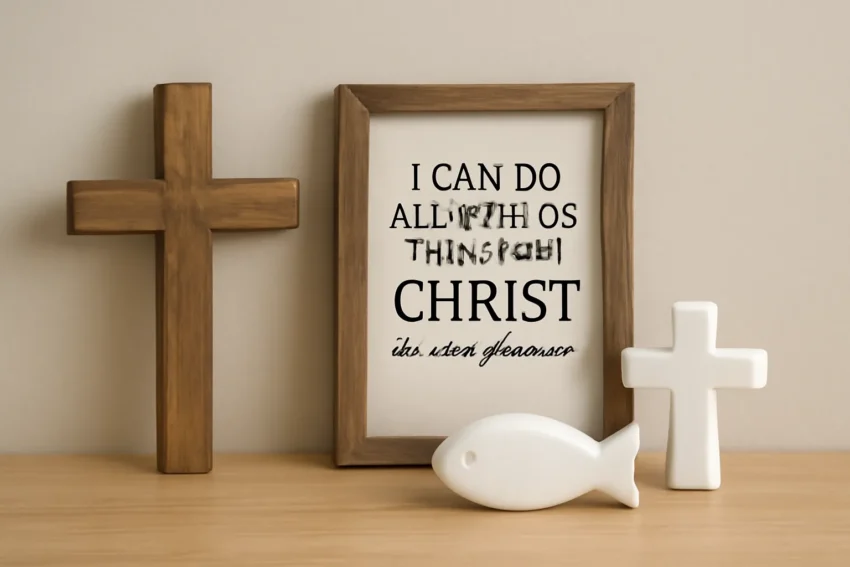
Decorating a home with intention can be a gentle act of faith, inviting daily reminders of values, gratitude, and grace. Christian home accessories are more than mere ornaments; they are cues for contemplation, prompts for gratitude, and expressions of spiritual heritage. When chosen thoughtfully, these pieces help create spaces that feel welcoming, reverent, and distinctly personal. This article explores the many facets of Christian home decor, from the most timeless biblical home accents to contemporary interpretations that honor tradition while embracing modern living. Whether you are renovating a long-loved house or starting a fresh chapter in a new home, there is a spectrum of options to reflect faith in everyday life.
Understanding the meaning and purpose of Christian home accessories
At its core, Christian home accessories translate belief into beauty. They are not commandments to be imposed, but cues to remember—reminders of the stories, promises, and virtues that shape a person’s life. The home becomes a sanctuary when it is curated with intention, balancing aesthetics with meaning. In this sense, faith-based decor serves a pastoral function within the home, guiding conversations, inviting prayer, and offering moments of pause in a busy day.
In practical terms, these items help cultivate a sense of scale and rhythm. Scriptural wall art can punctuate the day with a verse that resonates with a season. Religious symbolism—such as crosses, doves, fish, or chi-rho signs—can communicate beliefs to visitors in a quiet, nonverbal way. Importantly, Christian home decor should be used with sensitivity to the home’s style and to the individuals who live there; the aim is to enhance, not overwhelm, a living space.
Categories of Christian home accessories
There is no single blueprint for decorating a faith-filled home. The best approach blends symbolism with practicality, aesthetics with devotion, and tradition with personal taste. Here are major categories of Christian home accessories to consider as you plan a cohesive look:
Wall decor and art that features verses, saints, or faith-themed imagery.
Tabletop items such as nativity sets, Bible-related figurines, or inspirational centerspieces.
Lighting that creates warmth and contemplative ambiance.
Textiles like throw pillows, tapestries, or blankets with scriptural quotes or symbols.
Functional pieces such as prayer journals, devotional books, or faith-inspired organizers.
Seasonal decor that marks the liturgical year or family traditions.
Decor that is decorative and devotional
It is possible to blend beauty and devotion harmoniously. When selecting biblical home accents, consider how they contribute to daily life—and how they fit the room’s function. A living room might benefit from a tasteful cross wall sculpture paired with warm lighting, while a bedroom could include a small scripture plaque that offers a peaceful reading each morning. The most successful arrangements feel intentional, not cluttered, and invite gentle reflection rather than debate.
Wall art and wall decor
Walls offer an expansive canvas for expressing faith through Christian wall decor. This is a category where your personal story can shine in harmony with traditional symbols. When selecting wall pieces, consider the room’s purpose, lighting, and color palette to ensure the art complements rather than competes with surrounding elements.
Scripture verses and spiritual quotes
Scripture verses on canvas, metal, wood, or glass are classic choices for gospel-themed wall art. They can range from single-line quotes to multi-verse passages. For a cohesive look, repeat a particular verse across multiple rooms or create a gallery wall that clusters several related verses alongside meaningful imagery. Keep the typography legible and the scale appropriate for the wall size.
Iconography and symbolic art
Iconography such as crosses, doves, lambs, or boats can be presented as subtle or bold statements. For a modern aesthetic, choose abstract or minimalist representations that convey the symbol without being literal. For traditional interiors, more ornate frames, gilded finishes, and classic religious icons can anchor a room with reverence. Regardless of style, ensure that the imagery resonates with you and your family’s faith journey.
Tabletop and surface accessories
Tabletop elements are opportunities to set a gentle devotional rhythm in daily life. They are also among the most frequently used Christian home accessories because they are in constant view and interaction.
Nativity sets are among the most beloved seasonal decor items, evoking the Christmas story with timeless appeal. They come in a range of materials—from wood and resin to porcelain and metal—and in styles from rustic to ultra-modern. When choosing a nativity display, consider the space it will occupy, the number of figures, and how it will be protected from curious pets or children. A well-placed nativity can be both a focal point and a gentle reminder of grace and incarnation.
Candles, holders, and light effects
Candles are used across Christian practices to symbolize illumination, prayer, and presence. Prayer candles or devotional votives can mark special occasions or daily routines. Candle holders—from simple glass cylinders to ornate brass or ceramic stands—bring warmth and a sense of ritual to tables, mantels, and bedside surfaces. When selecting candles, consider the scent (some prefer unscented to avoid overpowering the space) and the burn time to maintain a consistent atmosphere over time.
Seasonal arrangements
Seasonal displays—Lent, Easter, Advent, or harvest themes—offer an opportunity to refresh spaces with purposeful decor. Use colors, textures, and symbols that reflect the season’s mood and spiritual emphasis. For example, Easter displays might feature white and gold accents to symbolize resurrection and glory, while Lent setups may lean toward modest tones, emphasizing contemplation. Seasonal faith-based decor helps anchor family rhythms and invites conversation about the meaning behind the decor choices.
Textiles: fabrics with faith-infused design
Textiles bring tactile warmth and a sense of comfort to a home while carrying symbolic meaning. Christian textiles can be practical—such as throw blankets for the living room—or decorative—such as pillows with scriptural phrases or embroidered motifs. When selecting fabrics, consider durability, washability, and how colors interact with the room’s lighting and furniture.
Pillows and throws with scripture
Pillows offer a flexible way to incorporate scripture-inspired decor without committing a room to a single look. Choose fonts that are legible and colors that harmonize with your existing palette. A single well-chosen pillow can anchor a seating arrangement, while a coordinated set reinforces a theme across a space.
Tapestries and fabric wall hangings
Tapestries and wall hangings can soften a room’s acoustics and add depth to the color story. They can feature meditative verses, emblematic crosses, or nature-inspired religious imagery. For smaller spaces, consider lightweight fabrics with subtle embroidery that can be layered with other wall art for a curated sense of depth.
Furniture and functional accents with faith in mind
The role of furniture in a faith-filled home is to support daily life while providing opportunities for meaningful interaction. Practical pieces can carry gentle reminders of faith through design details, materials, or engraved motifs. The goal is to integrate spirituality into daily routines in a natural, unforced way.
Faith-inspired storage and organization
Storage solutions—such as baskets, boxes, or chests—can be chosen with motifs like crosses, fish, or biblical quotes. Consider containers for Bibles, devotional guides, and prayer journals that keep sacred texts within easy reach. A well-organized space reduces clutter and leaves room for quiet moments of reflection.
Side tables, consoles, and display shelves
End tables and consoles provide surfaces for curated vignettes. A small display featuring a Bible, a devotional book, and a simple cross sculpture can invite daily reading and prayer. Choose pieces made from durable materials that will stand up to everyday use while remaining aesthetically aligned with the room’s style.
Lighting and ambience
Light shapes mood, and in a home with Christian decor, it can symbolize illumination—both literal and spiritual. Layered lighting—ambient, task, and accent—helps create spaces that are inviting for family gatherings, personal devotion, or guests who seek quiet conversation.
Ambient lighting for contemplative spaces
Soft, warm lighting can turn a corner into a contemplative nook where a person can read Scripture or pray. Consider floor lamps with dimmable bulbs, table lamps with fabric shades that diffuse light, or lantern-style fixtures that evoke timeless simplicity. The goal is to craft an atmosphere that fosters calm and focus.
Statement lighting with symbolic resonance
Lighting fixtures themselves can carry symbolic resonance. A chandelier with gentle curves or a geometric pendant can serve as a modern focal point, while a lantern-inspired fixture can nod to historic Christian motifs. When a light source holds symbolic value, ensure it complements the room rather than dominating it.
Color and symbolism in Christian home decor
Color carries meaning in church and home alike. In Christian decorating, hues can reflect theology, season, or personal taste, while remaining visually cohesive. Here are some color considerations to guide your choices:
White or ivory can convey purity, light, and resurrection—great for spaces designated for prayer or family worship.
Gold accents evoke majesty and divine glory, often used in ceremonial contexts but also suitable for celebratory spaces.
Blue tones suggest heaven, trust, and stability, and pair well with natural textures like wood and linen.
Earth tones—terracotta, sand, olive, and brown—offer warmth and groundedness, aligning with traditional or rustic decor styles.
Green symbolizes renewal and growth, fitting for living spaces meant for conversation and hospitality.
As you combine colors with symbols, aim for a palette that supports the room’s function. A bedroom might benefit from softer, calming tones, while a family room could embrace a warmer, inviting range. Remember that decor for a faithful home should serve people first, not merely display a theme.
Materials, style, and quality considerations
The integrity of Christian home accessories often shows in material choices, craftsmanship, and durability. A well-made piece will endure daily use and maintain its beauty over time, becoming a reliable source of everyday inspiration.
Materials to look for
Common materials include wood, metal, ceramic, glass, and fabric. Each has its own warmth and character:
Wood (oak, maple, walnut) brings natural warmth and longevity; it pairs well with traditional and rustic styles.
Metal (bronze, brass, wrought iron) adds weight, durability, and a timeless shine for crosses, frames, and candle holders.
Ceramic and glass offer versatility in color and texture; they can be glazed with subtle tones or bold patterns.
Fabric (linen, cotton, wool) provides tactile softness and can be used for pillows, drapes, and throws.
Design styles and how to combine them
Christian decor spans a wide range of aesthetics, from traditional and rustic to modern, minimalist, and transitional. The key is harmony—ensuring that the chosen style supports the home’s overall architecture and the family’s preferences. Here are a few common paths:
Traditional decor emphasizes carved wood, rich textures, and classic religious motifs with graceful lines.
Rustic design uses natural materials, earthy colors, and handcrafted accents to evoke a sense of hospitality and endurance.
Modern approaches feature clean lines, minimal ornamentation, and abstract religious symbols that blend with contemporary living.
Minimalist style reduces clutter and focuses on a few meaningful pieces that carry spiritual weight.
Practical tips for selecting and placing Christian decor
To ensure your selection is both beautiful and meaningful, consider these practical guidelines:
Start with a clean foundation—a neutral color scheme and uncluttered layout that allows religious pieces to stand out without feeling crowded.
Choose a central anchor—one statement piece (like a cross sculpture or a framed verse) that sets the tone for the room.
Use repetition and rhythm—repeat a motif, color, or material to create a cohesive look across spaces.
Pair symbolic items with functional pieces to maintain everyday practicality (e.g., a console table with a Bible, a lamp, and a small plant).
Respect space and flow—don’t let faith-based decor impede movement or traffic patterns in high-use areas.
Seasonal and liturgical decor
Many families find that aligning home decor with the Christian liturgical year deepens spiritual life and fosters family traditions. Seasonal displays can be modest and reverent, guiding prayers and conversations during meaningful times such as Advent, Christmas, Lent, and Easter.
Advent invites anticipation and hopeful preparation, which can be reflected in gentle lights, purifying whites, and muted gold accents. Christmas is a time for brighter, celebratory pieces, but the most meaningful decor often remains simple and humble—an image of the Nativity, a stable scene, or Scripture verses that declare the good news. A small, tasteful Nativity set becomes a yearly focal point for family gatherings and worship.
During Lent, many households choose understated decor to reflect humility and penance, avoiding excess. Easter brings renewed brightness with whites, creams, and golds, symbolizing resurrection and new life. Consider a centerpiece that evolves from a Lenten reminder to an Easter celebration, tying together the seasonal narrative with daily living.
Where to display Christian decor in the home
Placement can enhance the message and ensure that spiritual items interact harmoniously with daily routines. Thoughtful layout improves mood, fosters hospitality, and provides space for contemplation.
Entryways and foyers are ideal for welcoming guests with a small cross, a Bible verse, or a seasonal symbol. An inviting statement piece can set a tone of warmth and grace from the moment someone enters.
Living rooms offer a central stage for faith-inspired art and accessories, balanced with comfortable seating and practical lighting.
Dining areas can host centerpiece displays that spark conversation about faith, gratitude, and community.
Bedrooms benefit from soft, personal reminders—verses on wall plaques, a small framed quote, or a serene cross to foster peace and rest.
Home offices provide space for inspirational quotes and devotions that accompany daily work and study.
Care and maintenance of Christian home accessories
Proper care extends the life of decorative items and keeps them looking purposeful rather than neglected. Maintenance steps vary by material, but a few general practices help keep faith-based decor vibrant.
General care tips
Dust regularly to prevent buildup on delicate finishes such as brass or gilding.
Avoid direct sunlight for textiles and painted surfaces to prevent fading.
Use appropriate cleaners for materials (e.g., wood polish for wooden pieces, glass cleaner for glass, and gentle fabric cleaners for textiles).
Store seasonal pieces safely in labeled containers to prevent loss or damage during off-seasons.
Material-specific care
Wood: clean with a soft cloth; avoid moisture and heat; apply appropriate furniture wax or oil periodically.
Metal: brass and bronze can develop patina; polish as needed with metal-safe products and wipe clean.
Ceramic and porcelain: handle with care; wash by hand if engraved surfaces are present; avoid dishwasher if advised by the maker.
Textiles: launder following care labels; consider stain treatment before washing; store textiles in cool, dry environments to prevent mildew.
Ethical and sustainable considerations
A growing number of households are mindful about the sources and production of their decor. When possible, seek ethically sourced materials, fair-trade practices, and items produced with minimal environmental impact. Some thoughtful approaches include:
Choosing pieces crafted by artisans in fair-trade settings or locally sourced goods to support communities and reduce transport emissions.
Opting for durable, high-quality materials that reduce waste and the need for frequent replacement.
Supporting shops and brands that align with your values, including stewardship, charity, and community building.
Common mistakes to avoid in Christian home decorating
Decorating a home with Christian home accessories should enrich life rather than complicate it. Here are some common missteps and how to avoid them:
Overloading spaces with religious symbols to the point of distraction; aim for balance and subtlety.
Inconsistent style; choose a cohesive aesthetic that ties faith-inspired pieces to the rest of the furnishings.
Ignoring the practical needs of family life, such as storage and layout; decorative items should coexist with daily function.
Neglecting personalization; ensure that pieces reflect your faith journey and family tradition rather than following trends alone.
Inspiration sources and shopping tips
Finding the right Christian home accessories can be an enjoyable journey of discovery. Here are practical tips to guide your shopping and inspiration-search process:
Define a clear color palette and style direction before purchasing to maintain harmony across rooms.
Mix high-quality timeless pieces with budget-friendly accents to achieve a balanced look without compromising taste.
Visit local church gift shops, faith-based bookstores, and home décor boutiques for curated selections that emphasize meaning and craftsmanship.
Explore reputable online retailers that offer detailed product descriptions, care instructions, and customer reviews to help you assess durability and quality.
Seek items that can evolve with your family’s seasons and milestones—versatile pieces that can be repurposed or reoriented as needed.
Building a cohesive narrative across rooms
One of the most rewarding aspects of decorating with Christian home accessories is the ability to tell a family story through space. A cohesive narrative weaves together personal memories, scripture, and symbols in a way that feels integrated rather than episodic. Consider these strategies to create a harmonious home:
Identify a central theme or verse that resonates with your family, and echo it in various rooms through small repeats of color, motif, or typography.
Group related items together—such as a gallery wall of verses with corresponding decorative objects—to create purposeful vignettes that invite reflection.
Allow transition between spaces by ensuring that each room maintains a sense of sanctity and welcome while preserving its unique function.
Voice and tone in writing about faith-inspired decor
When sharing ideas about Christian home accessories, it’s valuable to acknowledge different expressions of faith, family traditions, and cultural contexts. The goal is to celebrate beauty that points to grace and to encourage readers to cultivate spaces that feel authentic to their beliefs and lifestyle. Articles about this topic should balance practical decorating advice with reverent framing, offering readers both inspiration and concrete steps for implementation.
Conclusion: creating a home that reflects a faithful life
Decorating a home with Christian home accessories is not about constructing a shrine, but about shaping spaces where faith can be practiced, celebrated, and lived out daily. By thoughtfully selecting pieces that carry meaning, respecting the home’s architecture and family rhythms, and maintaining a balance between beauty and function, you can cultivate a space that feels both elegant and deeply personal. Whether you choose traditional carved crosses, modern scripture canvases, or rustic wooden nativities, the most enduring decor is that which invites hospitality, encourages prayer, and sustains hope. In this way, your home becomes a living testimony—a quiet but powerful expression of a faithful life, woven through the fabric of everyday living with grace, gratitude, and beauty.