Crosses for Grave: How to Choose the Perfect Cemetery Cross for Your Loved One
When a loved one passes, families often seek a dignified and enduring way to honor their memory. For many, grave crosses are a meaningful symbol of faith, remembrance, and connection to the enduring lineage of a family. The choice of a cross for a grave—or a cemetery cross or grave marker cross—is more than a decorative decision. It combines symbolism, materials, durability, and cemetery etiquette into a memorial that should last for generations. This guide walks you through the essential considerations, from the different cross variations to practical steps for selecting, designing, and maintaining a tribute that remains both respectful and enduring.
Understanding the Varieties of Crosses for Graves
Across cultures and Christian traditions, there are multiple forms of crosses that appear on grave markers. Each variant carries its own symbolism, historical background, and aesthetic footprint. Understanding these differences helps families pick a cross shape that aligns with faith, family heritage, and the overall tone of the memorial.
Latin Cross
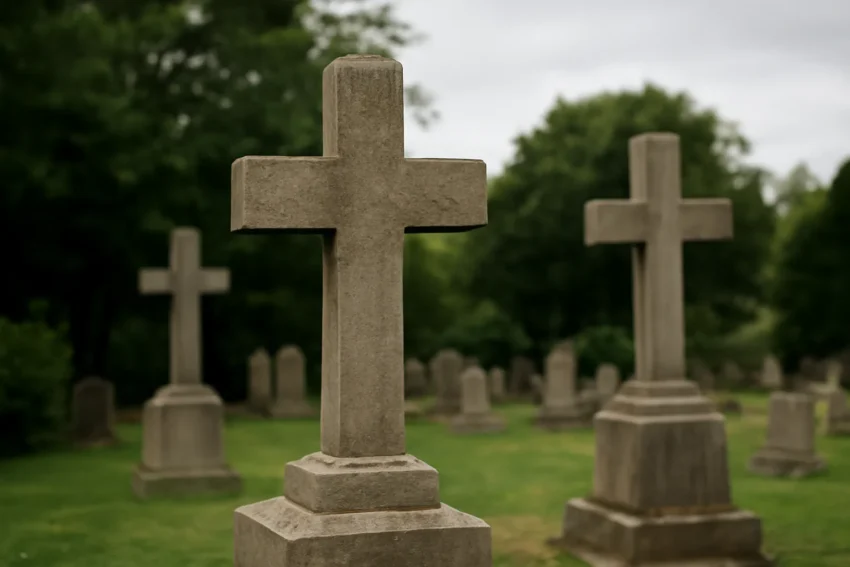
The Latin cross is the most recognizable form in many Western cemeteries. With a longer vertical arm and shorter horizontal arm, it is a classic symbol of Christianity. It is often used on traditional headstones and is suitable for a wide range of design styles—from simple and understated to elaborately engraved monuments. The Latin cross is versatile and widely accepted, making it a common choice for those seeking a timeless look.
Celtic Cross
The Celtic cross features a cross with a circular ring at the intersection, evoking ancient Irish and Welsh motifs. This shape blends Christian symbolism with Celtic artistry and can be particularly meaningful for families with Celtic heritage or a sense of enduring connection to that tradition. In gravemarkers, the ring can serve as a focal point for intricate knotwork or rosettes, creating a distinctive and decorative memorial.
Orthodox Cross
The Orthodox cross typically has three crossbeams: a long vertical arm, a slightly slanted lower arm, and a shorter upper arm. This configuration reflects Eastern Orthodox tradition and can convey a specific spiritual identity on a grave marker. If a loved one belonged to the Orthodox faith, an Orthodox cross can be a respectful and authentic choice that honors their church affiliation.
Armenian Cross
The Armenian cross is often ornate, with intricate geometric patterns and a central cross surrounded by decorative elements. It resonates deeply within Armenian Christian heritage and can be especially meaningful for families with Armenian lineage. Armenian crosses can be carved or inlaid, and they often become the centerpiece of a memorial design that communicates culture as well as faith.
Greek Cross
The Greek cross features arms of equal length. It offers a balanced, symmetrical silhouette that can work well for modern or minimalistic grave markers. The Greek cross can be carved with clean lines or embellished with symbolic motifs, providing a contemporary alternative to more traditional shapes.
Cross Pattée, Bottony and Variants
Other common forms include the cross pattée (arms that widen toward the ends), the bottony cross (rounded ends, resembling buds), and the Maltese cross (spade-like arms and a distinctive geometric look). These variants provide personality and can echo family crests, military association, or personal taste. A less traditional cross may suit a deceased’s life story or an expressed preference for a distinctive memorial look.
Scatter of Alternatives: What About the Cross with Ring?
A cross with a ring, commonly associated with the Celtic cross, or other ringed crosses can emphasize continuity, eternity, and the cycle of life. The ring can be a canvas for inlays or inscriptions, adding a moment of personal signature to the memorial.
What to Consider When Choosing a Cross Style
Faith background and church tradition
Family heritage and cultural symbolism
Design harmony with the cemetery landscape and surrounding headstones
Personal preference and the deceased’s life story
Visibility of inscriptions and legibility from ground level
Materials and Durability: What Holds Up Over Time
The material you choose for a grave cross profoundly influences its look and how long it will endure in varying climates and soils. The cemetery environment—exposure to sun, rain, freezing temperatures, and pollutants—affects both appearance and structural integrity. Here are common materials used for grave crosses and what to expect from each.
Stone: Granite, Marble, and Limestone
Granite is the workhorse of cemetery monuments. It is extremely durable, resistant to weathering, and available in a wide range of colors. For a cross, granite can be carved with precise detail and retain sharp edges for decades. Marble offers a classic, luminous appearance but is more susceptible to weathering and acid rain; it may require more frequent cleaning to prevent staining. Limestone can be beautiful and historically resonant but tends to weather more quickly than granite. When selecting stone, consider the local climate, soil chemistry, and the cemetery’s recommended or required stone type.
Bronze, Bronze-aluminum Alloys, and Metal Crosses
Metal crosses, especially bronze or alloy compositions, provide a distinct, durable alternative. Bronze is highly durable, develops a natural patina over time, and can support detailed engravings and inscriptions. Metal crosses may be mounted on a granite base or set into a dedicated foundation. Some metal crosses are designed to be freestanding or supported by a pedestal, which can help prevent leaning or toppling in high winds or soft ground.
Wood and Wood-look Materials
Wood crosses offer warmth and a traditional look; however, wood is typically less durable in outdoor cemetery settings without protective finishes. Treatments can extend life, but wind, moisture, and UV exposure will eventually require replacement or refurbishment. Some families opt for wooden cross accents on temporary markers or as interior features within a family columbarium or niche, rather than long-term outdoor monuments.
Resin, Fiberglass, and Composite Materials
Modern synthetic crosses are lighter in weight, less expensive, and resistant to some weathering agents. While they can be highly durable and allow for intricate detailing, they may not carry the same sense of permanence as stone or metal for long-term outdoor display. If choosing a resin or composite cross, ensure the finish and core materials resist UV degradation and freeze-thaw cycles in your region.
Finish and Surface Treatments
Regardless of the base material, finishes such as polished surfaces, matte or honed textures, and protective sealants can impact the cross’s appearance and maintenance needs. Engraving depth, pigment inlays, and enamel colors should be selected with future cleaning in mind, especially for inscriptions and decorative motifs that could wear over time.
Size, Proportion, and Placement on the Grave
The size and placement of a grave cross influence both visual impact and maintenance practicality. A well-proportioned cross reads clearly from a respectful distance and complements the headstone or base it accompanies. Here are guidelines to consider when planning scale.
Typical Heights and Widths
Common gravemark cross heights range from roughly 12 inches to 24 inches tall for smaller headstones, with larger crosses appearing on more prominent plots or family monuments. The width is typically proportional to the height, often around 5 to 12 inches at the arms, though more ornate designs can widen more substantially. Your cemetery may have specific guidelines about maximum height or total installation footprint; always verify these before finalizing a design.
Upright vs. Flush or Attached Crosses
Upright crosses stand independently on a base or foundation. They are visually striking and are common on traditional headstones. Flush or attached crosses lie flat against a headstone or wall and can create a streamlined, integrated look. Both options have advantages: upright crosses are often easier to maintain and read, while flush crosses can reduce wind resistance and minimize trip hazards around the grave site. Cemetery rules will indicate which installation methods are permitted.
Base and Foundation Considerations
A cross should have a stable foundation, especially in areas with freeze-thaw cycles or shifting soils. A properly designed base distributes weight evenly and prevents tipping. When purchasing a cross, confirm that the base is included or that the cross can be securely mounted to a compatible monument base. A professional installation ensures the foundation adheres to local codes and cemetery policies.
Inscriptions, Personalization, and Symbolic Details
The inscription and any decorative elements on a grave cross convey a personal narrative and preserve the memory of the deceased. Thoughtful personalization can transform a simple cross into a tangible memorial that tells a story while remaining legible for generations.
Inscription Essentials
Name of the deceased
Dates of birth and death
A concise epitaph or short phrase that captures the person’s life
Religious symbols (e.g., INRI, dove, lamb) if appropriate
Curated Epigraphs and Themes
Consider themes such as faith, family, courage, mercy, or gratitude. Short phrases like “Beloved Father, Beloved Friend,” or “Forever in Our Hearts” are common. For a Celtic cross, you might incorporate knotwork or rosettes that echo the family’s ancestry. For a cross with a ring, enamel inlays can highlight important dates or initials with a touch of color that remains legible over time.
Iconography and Inlays
Inlays and icons—such as a Bible, a fish symbol, a shepherd’s crook, doves, or other religious imagery—can accompany the cross. Inlays may be created with copper, bronze, or enamel to provide contrast against the stone or metal. When planning inlays, consider weather resistance and whether the color will fade or wear with time. Some cemeteries permit subtle color accents, while others prefer a monochrome palette.
Personalization Through Engraving Techniques
Engraving methods vary by material and budget. Sandblasting and machine engraving create crisp letters on stone. Laser engraving can reproduce fine details on metal or stone surfaces. Gilding (gold leaf) or enamel fills add highlights to inscriptions. Consider how the chosen method will age—some finishes may require periodic refreshment to maintain legibility.
Cemetery Rules, Regulations, and Etiquette
Before choosing a cemetery cross, it’s essential to understand the governing rules of the cemetery or burial ground. Regulations protect the landscape’s aesthetic and safety, and they can influence the design and installation of a grave cross.
Common Regulations to Check
Maximum height and overall size limits
Materials allowed (stone, metal, resin, etc.)
Installation methods (upright vs. flush, required foundations)
Inspection and permit processes (some cemeteries require approval)
Practical Etiquette for Family and Visitors
When placing a grave cross, consider ongoing maintenance and the impact on other visitors. Some families prefer a low-profile design to reduce shadowing on adjacent plots, while others choose a cross that remains visible from a distance in a large cemetery. Use clear paths for accessibility and ensure the base is flush with the ground to avoid tripping hazards. If the cemetery is in a protected or historical district, there may be additional guidelines about preservation and the use of certain symbols.
Maintenance and Longevity: Keeping the Cross Timeless
A grave cross should withstand the tests of time. Regular maintenance helps preserve its beauty and legibility, while preventive care can prevent costly repairs later. Here are practical maintenance strategies tailored to different materials and environments.
Cleaning and Care
Gentle cleaning with soft brushes and mild, non-acidic soap helps remove dirt without scratching surfaces
Avoid abrasive cleaners that can erode inscriptions
For stone crosses, periodic sealant reapplication may be advisable in harsh climates; follow professional recommendations
Metal crosses may develop a natural patina; gentle washing and brass/bronze polish can maintain sheen if desired
Environmental Considerations
Weather, air pollution, and soil chemistry can affect the appearance of stones and metals. In coastal areas with salty air or in urban settings with higher pollutants, inscriptions may weather faster. Protective coatings and regular inspections help monitor any issues such as cracks, lichens, or corrosion. If a cross shows signs of structural stress—such as cracking in the base or loosening mounting—consult a professional memorialist promptly to prevent collapse or further damage.
Protection from Damage
Sun exposure can fade colors; freeze-thaw cycles can cause micro-cracks. Consider protective measures such as water-repellent sealants or UV-resistant finishes where appropriate, especially on resin or painted elements. In areas prone to vandalism, encasing elements or using more robust mounting systems may be wise, and you should discuss these options with cemetery management.
Budgeting: Costing a Grave Cross and Installation
Costs vary widely depending on material, size, craftsmanship, customization, and installation requirements. A thoughtful budget should include not only the cross itself but also base, mounting, inscription, and ongoing maintenance. Here’s a general framework to plan your investment.
Estimated Cost Ranges by Material
Stone cross (granite headstone or base): moderate to high cost depending on size and engraving complexity
Bronze or metal cross: often higher upfront due to material and patina considerations
Wood cross: typically lower cost but shorter lifespan for outdoor settings
Resin or composite cross: affordable and lightweight, with variable longevity
Additional Cost Factors
Foundation and installation fees, especially if special soil conditions require deeper footings
Engraving and inlays, including font choice, language, and decorative motifs
Inspections and permits required by the cemetery or local authorities
Maintenance plans or protective coatings to extend life
Financing and Phasing Options
Some families choose to phase the project—starting with a simpler cross and adding inscriptions or embellishments later. Cemetery plots or mausolea may offer bundled options, and monument retailers can provide packages that fit specific budgets. Discuss payment timelines and any available warranties or service agreements with the memorialist or cemetery management to ensure a transparent plan.
Working with Professionals: How to Collaborate for the Perfect Cross
Choosing and installing a grave cross is a collaborative process among families, cemetery staff, and memorial professionals. A careful partnership helps ensure the result supports both lasting memory and cemetery standards.
Steps in the Process
Consultation: assess faith tradition, symbolism, and personal preferences
Site assessment: review grave orientation, base requirements, and surrounding markers
Design development: select cross style, material, finish, inscription, and decorative elements
Approval and compliance: ensure design meets cemetery rules and permits are secured
Fabrication: carving, engraving, metalwork, or assembly of components
Installation: professional mounting, alignment, and safety checks
Maintenance plan: schedule checkups, coatings, and cleaning guidance
Choosing the Right Memorialist or Cemetery Supplier
Look for providers with a strong portfolio of grave markers and a track record for quality craftsmanship, reliable service, and compliance with local regulations. Request references, view examples of similar crosses, and ask about warranties, lead times, and aftercare services. A trustworthy supplier will also guide you through the design choices considering environmental conditions and cemetery policies.
Religious, Cultural, and Ethical Considerations
Cross motifs may carry different meanings, sensitivities, and restrictions across faiths and cultures. It’s important to honor these perspectives when selecting a grave cross. Some families may prefer to avoid overt religious symbols, while others may emphasize a cross’s spiritual significance as a central message of the memorial.
Inclusive Alternatives and Companions
For interfaith families or secular preferences, consider a cross with universal symbolism, such as a simple cross upon a neutral base, or pair the cross with non-religious elements like a photograph panel or a nature motif
Combine the cross with non-symbolic motifs (lotus, olive branches, tree of life) to convey peace, remembrance, and legacy without explicit religious language
Offer a secondary memorial element (e.g., a plaque or bench) to accommodate family members who seek different forms of homage
Practical Case Scenarios: How People Use Crosses in Real-Life Memorials
To illustrate how these decisions unfold in practice, consider a few typical scenarios and how families might approach them.
Scenario A: A Traditional Catholic Family
A family chooses a Latin cross carved in granite with simple, elegant engraving of the deceased’s name, birth and death dates, and a brief prayer line. They request a modest base with a flush alignment to minimize shadowing on neighboring plots. The cemetery approves an upright cross of medium height with a bronze inscription plate for durability. The result is a timeless, dignified memorial that aligns with the family’s faith tradition and the cemetery’s standards.
Scenario B: A Family with Celtic Background
For a family with deep Celtic heritage, a Celtic cross with ring features can honor ancestry while expressing Christian faith. The design might incorporate subtle knotwork along the cross’s shaft and a rosette at the intersection. Engraving could be done in a durable stone-cut style, with a bilingual inscription in English and the family’s ancestral language. The cross may be mounted on a granite base that blends with surrounding markers yet stands out for its distinctive artistry.
Scenario C: A Multicultural, Interfaith Memorial
In a setting where family members embrace diverse beliefs, a cross with a non-denominational panel could be chosen. The cross provides a clear symbol of faith for some, while adjacent panels or plaques express a broader message of love, memory, and unity. The design could include a photograph, a meaningful quote, or an abstract motif that honors both faith-based and secular perspectives.
Case for Customization: How Personal Stories Shape the Memorial
Every life tells a unique story, and the memorial can reflect that narrative through thoughtful customization. The cross acts as the anchor for elements that personalize the tribute.
Personalization Techniques
Engraved dates and timeline capturing milestones and meaningful events
Family crests, initials, or monograms embedded into the cross or base
Symbolic motifs such as a favorite animal, a hobby-related emblem, or a scene representing life and afterlife beliefs
Colored inlays or enamel accents for a subtle highlight that remains durable
Inscriptions that convey a short life tribute, a prayer, or a memorable quote
Maintenance Plans: Keeping the Cross Reflective for Years
To ensure the longevity of a grave cross, it’s wise to adopt a maintenance plan that aligns with the chosen material and climate. Proactive maintenance minimizes deterioration and preserves legibility of inscriptions.
Recommended Routine
Annual or biennial cleaning to remove moss, lichen, and dirt
Periodic inspection for cracks, corrosion, or loose mounts
Re-sealing or re-profiling on stone surfaces as recommended by the monument professional
Protective measures tailored to local conditions (e.g., UV protection for enamel, anti-patina treatments for bronze)
Final Considerations: Making a Thoughtful and Informed Choice
Choosing the perfect grave cross is an investment in legacy, comfort for grieving loved ones, and a lasting public statement about memory. The decision involves balancing faith and cultural sensitivity, aesthetics and durability, and cost and functionality. By understanding the cross varieties, materials, inscriptions, and maintenance needs, families can select a design that honors the individual’s life while harmonizing with the cemetery landscape.
Remember these guiding principles as you begin the process:
Honor beliefs and family values, recognizing that not all faiths place the same emphasis on crosses
Consult cemetery rules early to avoid design conflicts or posting delays
Prioritize durability given the outdoor environment and the need for longevity
Plan for maintenance and future inscriptions or enhancements
Collaborate with trusted professionals who understand the nuances of memorial design
Quick Decision Checklist
Use this quick reference to organize your thoughts and keep the process moving smoothly:
Is the cross type aligned with the deceased’s faith and family heritage?
What is the preferred material and finish for longevity in your climate?
What size and orientation best fit the grave plot and surrounding markers?
What inscriptions and personalization elements will most meaningfully reflect the person’s life?
What are the cemetery’s rules regarding cross shapes, heights, and installation methods?
What is the budget, including base, installation, inscriptions, and aftercare?
What maintenance plan will ensure the cross remains legible and stable over time?
In the end, the right grave cross is one that feels honest, respectful, and enduring. It is a testament to a life lived, a symbol of enduring memory, and a tangible point of reflection for those who come to pay respects. By considering the cross variant that best represents faith, family lineage, and the personality of the deceased, you can create a cemetery memorial that stands the test of time while offering comfort to future generations.
Whether you call it a grave marker cross, cemetery cross, or a cross-shaped memorial, the essential goal remains the same: to honor a loved one with a dignified, thoughtful tribute that endures with grace and clarity.