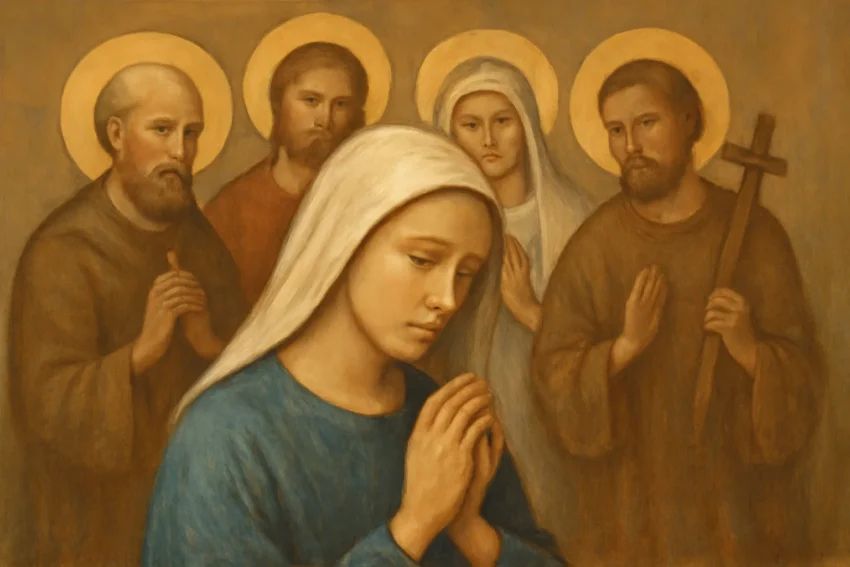
All Saints Day Prayer: Heartfelt Prayers for Remembering Loved Ones
In many faith traditions, All Saints Day stands as a luminous invitation to remember those who have journeyed before us, to honor their lives, and to invite their enduring presence into our own spiritual landscape. This article explores the power of prayer on All Saints Day, offering a broad array of prayers and reflections designed to comfort the bereaved, foster remembrance, and deepen a sense of communal hope. Whether you are praying in a church, at home, or in a quiet corner of a cemetery, the practice of bringing loved ones into the light of faith can be a transformative act—one that connects memory, present faith, and the hope of eternal life.
Throughout history, people have used prayer as a bridge between the living and the dead. All Saints Day gathers family, friends, clergy, and communities to celebrate the saints on the calendar and to remember the companions who walked beside us in ordinary life and extraordinary moments. The prayers shared on this day are often laced with gratitude, petition, and consolation—an acknowledgment that memory itself can become a source of strength and reconciliation. In the pages that follow, you will find a spectrum of all-saints-day-inspired prayers, from concise invocations suited for a moment of quiet devotion to more extended rites appropriate for a small gathering or a family memorial ritual.
Understanding the Purpose of All Saints Day Prayers
Prayers offered on All Saints Day can serve several important purposes. They can be categorized as follows:
Remembrance: to call to mind loved ones who have died, acknowledging their impact on our lives and the ways in which they shaped our faith, character, and values.
Intercession: to ask God to receive the souls of the faithful departed, grant them eternal rest, and bring light and peace to those who mourn.
Cherishing the Communion of Saints: to affirm belief in the living Church—the communion that stretches across time and space, linking the saints in heaven with the body of believers on earth.
Hope and Consolation: to cultivate a sense of hope in eternal life, even amid grief, reminding us that death does not have the final word for those who are beloved in Christ.
Faith Formation: to teach younger generations about memory, gratitude, and the arc of salvation history through a concrete practice of prayer.
In practicing All Saints Day prayers, communities often blend liturgical elements—readings, psalms, and responses—with personal expressions of memory. The result is a tapestry of words and silences that can help a person or a family move from sorrow toward a renewed sense of meaning, connection, and spiritual nourishment.
Prayerful Practices for Remembering Loved Ones on All Saints Day
The following sections present a range of options for personal devotion, family rituals, and church services. Each section includes practical guidance and ready-to-use prayers that can be adapted to different contexts or beliefs while preserving the core intention: to honor and remember the beloved who have gone before us.
Personal devotion: brief, heartfelt prayers for the home
For many families, a short, daily or weekly ritual can sustain memory between All Saints Day and the next occasion of remembrance. Here are compact prayers you can recite quietly or aloud with others:
Prayer of Remembering: Dear God, I place in your hands the memory of those whom I love but see no longer. Let their kindness be a light in my daily life, and grant them rest in your peace. Amen.
Prayer for Consolation: Lord, comfort me in my grief and fill my heart with your hopeful promise. May the memory of my loved one become a source of gratitude and courage. Amen.
Prayer for the Departed: God of mercy, receive the souls of the faithful departed into your eternal joy. May they rest in your presence forever, and may I rejoice in your faithfulness. Amen.
In addition to these short prayers, you may create a memory journal for All Saints Day, writing down names, stories, and moments shared with loved ones. Keeping a written record can deepen the sense of presence and continuity, turning memory into a living practice rather than a distant memory.
A simple home prayer space can become a focal point for All Saints Day prayers. Consider the following steps to set up a temporary altar that honors the departed while inviting living participants to engage actively with the ritual:
Place a small candles (one for each person remembered) in a safe holder.
Display photos or mementos of loved ones who have died, along with a few meaningful symbols (cross, icon, rosary, or a favorite item of the person).
Include a simple reading from Scripture or a touching remembrance passage, followed by a moment of silent reflection.
Offer a short prayer circle where each participant can speak a name or the memory of a moment they carry.
When you light the candles, you can say together: “May the light of these candles remind us that love never ends, and that those we hold in memory are carried in the light of God’s mercy.”
Church rites: an outline for a small All Saints Day gathering
For parishes or small groups, an All Saints Day gathering can be structured with the following sequence. Use it as a template and modify to fit your tradition.
Opening invocation—a brief call to God’s presence and blessing.
Scripture reading—a passage that speaks of light, life, or the saints (for example, a psalm or a passage from Revelation).
Response—a short refrain or psalm response sung or spoken by all.
Names and remembrances—a list of names of loved ones, spoken aloud or in the quiet of hearts.
Prayers for mercy and consolation—a selection of prayers for the departed and for the bereaved.
Intercessions—petitions for the church, the world, and those who mourn.
Our Father or a closing prayer common to your tradition.
Blessing and sending—a benediction or blessing appropriate to the community.
In addition to the formal elements, you may include a moment of quiet reflection, a song honoring the saints, or a brief testimony about how memory has shaped someone’s faith and daily life.
Variations of All Saints Day Prayer: Broadening the Semantic Field
All Saints Day is observed across Christian denominations with variations in language, structure, and emphasis. To broaden the semantic breadth of this article, here are variations that reflect Catholic, Anglican, Protestant, and Orthodox sensibilities. Each variation preserves the core intention—memory, intercession, consolation, and hope—while adapting to different liturgical or devotional sensibilities.
Catholic tradition: liturgical prayers and devotions
In Catholic settings, All Saints Day prayers often draw from liturgical forms, including invocations, canticles, and litanies. Consider these approaches:
Litany-style intercessions calling for the saints’ intercession, extended to the living and the dead.
Rosary-invocation variations that focus on the virtues of saints and their witness to faith in daily life.
Prayer for the souls in Purgatory—a traditional intention understood as a process of purification and release into eternal life.
Sample Catholic-inspired prayers (original wording) that reflect this tradition can be used in private devotion or as part of a broader service:
Prayer for the Communion of Saints: O God, who gathers your people from every season of life, bless the memory of those who have run the race with faith. May their examples guide us to live with integrity, charity, and hope, now and forever. Amen.
Prayer for the Departed: Lord of mercy, receive the souls of your servants who have left us. Console the sorrowing and grant them rest in your eternal peace, through Christ our Lord. Amen.
Anglican and Protestant variations
Many Anglican and Protestant communities might emphasize the broader theme of communion with the saints and the hope of resurrection, often using simpler language and a focus on personal testimony. Typical elements include a reading from Scripture, an extemporaneous or prepared prayer of thanksgiving, and petitions for mercy, guidance, and peace.
Thanksgiving for the faithful departed—a prayer celebrating the virtues of those who have gone before us.
Petitions for comfort—requests that those who mourn receive strength, peace, and practical support in times of grief.
Confession and renewal—an open invitation to recommit to faith, hope, and love in light of the saints’ witness.
Orthodox and Eastern Christian perspectives
In Orthodox traditions, All Saints Day is often joined by an emphasis on the veneration of saints and the belief in the Church as a living, praying body. Prayers may be richly liturgical, featuring hymns, icons, and the Lord’s Prayer placed within a framework of remembrance and intercession for the departed and for the living.
Representative elements of Eastern Christian All Saints Day memory prayers include references to the eternal heavens, the saints as exemplars of faith, and the ongoing prayer of the Church universal. A simplified original Orthodox-inspired prayer could read: “O Lord, who called the saints to thy light, grant rest to thy servants departed, and strength to those who remain in faith. Let their memory be a blessing, and our hope in thy mercy steadfast.”
Prayers for the Deceased: Intercession and Consolation
One central purpose of All Saints Day is intercession for the departed. The following prayers are designed to be used individually or in community settings. They can be adapted to reflect personal relationships, specific memories, or particular needs of a family or parish.
Prayers for the departed
Intercessory prayer: Merciful God, we commend to your care the souls of the faithful departed, especially those whose names we hold in memory today. Grant them rest in your heavenly kingdom, and let your light shine upon them forever. Amen.
Prayer of confidence: Father of life, you raised Jesus from the tomb and conquered death. In his name, sustain us in our grief and lead us toward the fullness of life you promise. Amen.
Memorial prayers for children and adolescents
Prayers that address younger mourners can be especially meaningful. Consider simple, concrete language that helps children feel connected to the memory of their loved ones while also finding reassurance in the promises of faith.
Your Name Here’s Prayer: Dear God, we remember dear [Name] who loved us and taught us to be brave. Help us to feel their love in our hearts, and help us to grow in kindness and courage every day. Amen.
Memory blessing for teens: Loving God, thank you for the time we shared with [Name]. Help us carry their light into our choices, friendships, and dreams, and bless our family as we hold them in our thoughts. Amen.
Prayers for Bereaved: Comfort and Hope
Grief is a natural and raw response to loss. All Saints Day prayers for the bereaved acknowledge pain while pointing toward consolation rooted in faith. The following examples can offer solace and a sense of companionship with others who share the journey of mourning.
Short prayers for daily comfort
Daily comfort prayer: God of compassion, bring your healing presence to the sorrowing heart. May today’s memory be a source of gentle strength and a reminder of your steadfast love. Amen.
Evening remembrance: Gracious Lord, as night falls, I recall those who have gone before me. May your peace rest upon my heart and upon all who mourn. Amen.
Longer comfort prayers for a memorial service
In a memorial context, longer prayers provide space for lament, gratitude, and renewed trust. Here is a sample extended prayer you may adapt for a service or a family gathering:
“Gracious God, you are the hope beyond our sorrow, the light that does not fade. We lift to you the names of those we have loved and lost, and we ask for your abiding presence to sustain us. Help us to hold fast to the memories that bring life to our days, and grant us the humility to accept the mystery of life and death. May the witness of those who have gone before us draw us closer to you and to one another. Through Christ our Lord, Amen.”
In addition to prayers, many communities engage in rituals that reinforce memory and intercession. These traditions often blend cultural heritage with theological meaning, providing tangible ways to express faith and support for the bereaved.
Candlelight vigils to symbolize the light of Christ shining in darkness and the enduring presence of the saints.
Visitations to cemeteries—praying at graves, placing flowers, and sharing stories about the departed.
Rosary or meditation on the Beatitudes as a way of aligning memory with gospel values.
Memorial meals or picnics—sharing food and stories as an expression of communal support and gratitude for the gift of life.
Icon or image veneration—honoring saints and beloved family members through art, prayer cards, or personal mementos.
Creating Meaningful All Saints Day Prayer Currents
To create a meaningful All Saints Day prayer experience, consider the following practical steps. These steps are designed to be adaptable to your tradition, whether you are preparing a family ritual, a small group gathering, or a church service.
Set intention: Begin with a clear intention to remember, honor, and seek comfort for the living as well as the departed.
Choose readings: Select Scripture passages, prayers, or poetry that speak to light in darkness, the communion of saints, and the hope of resurrection.
Invite participation: Encourage everyone present to name a loved one, share a memory, or offer a personal prayer.
Offer a moment of silence: Allow silent reflection for personal prayers or a moment to listen for the still, gentle presence of the Holy Spirit.
Conclude with a unifying blessing: End with a blessing or doxology that reinforces solidarity and ongoing faith journey.
You may also consider creating a ritual booklet or digital resource with the prayers, readings, and steps, so participants can engage at their own pace, both during the service and afterward.
All Saints Day Prayer: A Comprehensive Guide to Language and Tone
Language shapes experience. When crafting or choosing prayers for All Saints Day, you may prefer a tone that is gentle and comforting, or one that is more hopeful and triumphant in the face of loss. Here are some guiding tips for maintaining a respectful and meaningful tone:
Avoid overly technical language in favor of accessible, personal expressions that speak to everyday life and faith.
Balance lament and praise—permit grief to be named and acknowledged, while also praising God for the lives that continue to inspire.
Honor diverse experiences by including prayers for those who have died suddenly, after long illness, or who were lost in various circumstances, recognizing the universal nature of grief.
Offer concrete signs of remembrance—names spoken aloud, photos displayed, or objects gifted by family members that anchor memory in tangible form.
Practical Sample Prayers You Can Use or Adapt
The following sample prayers are original, designed for readability and inclusivity. They can be adapted for use in personal devotion, family rituals, or communal liturgy. Bold keywords mark ideas you might want to emphasize or repeat in your own words.
Sample A: Short invocation for quiet moments
“Heavenly Father, we thank you for the gift of life and the love we shared with those who have gone before us. In your mercy, receive the souls of the faithful departed, and may our memories be a beacon of your grace. Amen.”
“Source of all mercy, we give thanks for the richness of life we received through [Name/s]. Let their legacy teach us to live with generosity, courage, and compassion. May our remembrance nourish faith, hope, and love in our days ahead. Through Christ, our brother and our guide. Amen.”
Sample C: Intercessory focus
“God of mercy, be present with those who mourn and with the families who carry heavy sorrows. May the prayers of the saints and the witness of the departed strengthen our faith. Grant eternal rest to your servants and let perpetual light shine upon them. Amen.”
Conclusion: Keeping Memory Alive Through Prayer
All Saints Day offers a deliberate opportunity to remember, honor, and intercede for those who have shaped our lives. By embracing a variety of prayers—whether deeply liturgical, softly devotional, or family-centered—you can cultivate a practice that remains relevant across generations. The core truth of this day is not merely to recall the dead but to recognize that memory, faith, and community continually interact to form who we are. Through prayer, memory becomes a living bridge: connecting our past to our present, our grief to our hope, and our human longing for ultimate unity with the divine. In this sense, All Saints Day is not merely a moment of sorrow or a ritual of remembrance; it is a doorway to greater love, deeper trust, and a more ardent commitment to live with grace in the days ahead.
Whether you are praying solo in the quiet of your home, gathered with family around a small altar, or participating in a local parish service, you can carry forward the spirit of All Saints Day by tending to memory with honesty, by naming the beloved in your prayers, and by inviting mercy to shape your heart. In doing so, you participate in a long tradition of faith that journeys beyond time, inviting every believer to become, in their own way, a living witness to the beauty and resilience of the saintly life.
May your All Saints Day prayers bring you comfort, connection, and renewed hope, and may the memory of those you hold dear continue to illuminate your path with courage and love.