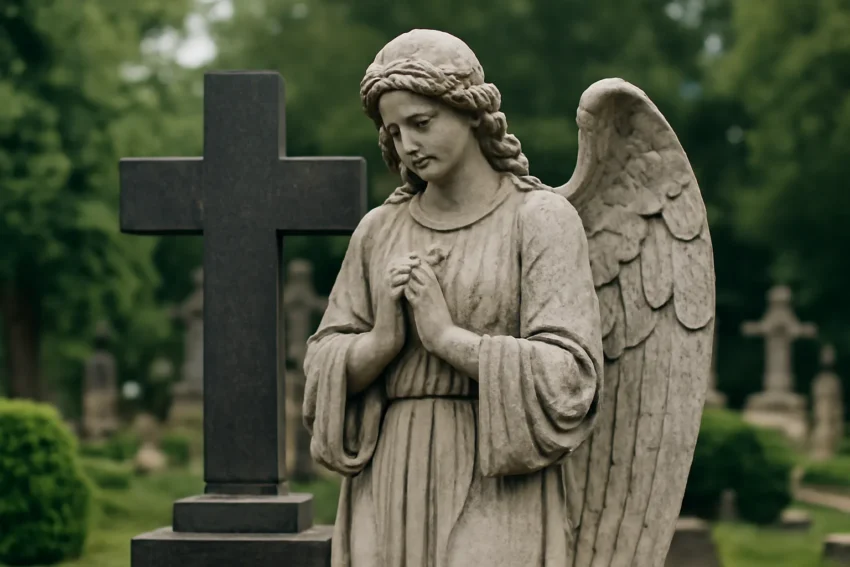
Angel statues for graves have long held a place of reverence in cemeteries and family plots around the world. They are more than carved stone or cast metal; they are a language of memory, a visible expression of love, grief, and lasting tribute. In landscapes of headstones, urn plots, and memorial gardens, angel statues for graves serve as guardians, consolers, and symbols of enduring hope. This article explores timeless memorials, the wide range of styles available, and practical care tips to keep these statues looking their best for generations. Whether you are selecting an angel grave statue for a family plot, a public cemetery, or a private memorial garden, this guide offers historical context, material insights, placement considerations, and maintenance routines that honor the memory they represent.
Angels are universal symbols of protection, guidance, and spiritual comfort. When placed at a graveside, angel statues for graves convey a message of guardianship and grace. Their presence can provide a focal point for remembrance, offering a sense of serenity amid loss. The timeless quality of angel sculptures lies in their ability to adapt to different styles, cultures, and eras while still communicating a shared sentiment: the ongoing bond between the living and the departed.
There are several reasons why these memorials endure in popularity:
Symbolic resonance: Angels are recognized across many faiths and cultures as messengers, protectors, and companions for the soul’s journey.
Emotional comfort: A gentle figure can provide a sense of presence, offering solace to grieving families and visitors.
Versatile aesthetics: From classical marble to modern resin, angel statues can fit various landscape designs and architectural settings.
Longevity and durability: Well-crafted statues in durable materials resist weathering and can be memorials for lifetimes and beyond.
Different cemeteries have different rules about materials, sizes, and placements, but the core idea remains: angel figures for graves bring welcome calm, structure, and meaning to a resting place.
Historical and Cultural Context
Angels in funerary art have a long history that stretches through antiquity, medieval Europe, and into modern cemetery design. Early Christian art popularized winged figures as protective, compassionate beings who could bridge heaven and earth. In the Renaissance and Baroque periods, sculptors refined the form, turning angels into carefully detailed figures that carried inscriptions, symbols, and emotive gestures. By the 19th and 20th centuries, cemetery angels became a familiar sight in many Western cemeteries, while other cultures embraced similarly symbolic guardians or benevolent figures integrated with headstones and mausoleums.
Today, you may encounter a spectrum of styles that reflects this history as well as contemporary tastes:
– Classical and Renaissance-inspired angels with flowing drapery, idealized proportions, and serene expressions.
– Gothic-influenced figures with dramatic gestures, pointed arches, and intricate detailing often paired with stone work.
– Modern and abstract angels that emphasize form, negative space, and minimalism while retaining the essential message of protection and remembrance.
– Hybrid designs that blend cherubs, seraphim, or child angels with contemporary materials for a fresh memorial statement.
These varying expressions allow families to select an angel statue for graves that aligns with personal beliefs, aesthetic preferences, and the landscape of the plot. The right style can reinforce the memory of a loved one in a way that feels personal and enduring.
Popular Styles of Angel Statues for Graves
When choosing an angel statue for graves, many buyers consider the mood, symbolism, and durability. The following subcategories describe common directions in design, along with the feelings they tend to evoke. Use them as a framework to discuss preferences with memorial designers, stone yards, or cemetery managers.
Classical Cherubs and Full-Body Angels
Classical angel statues for graves often draw on Renaissance ideals of beauty and proportion. These pieces may depict full-body angels or cherubs with delicate wings and graceful poses. They can appear as solitary figures, paired with inscriptions, or standing atop a base integrated with the grave marker. Characteristics include:
Soft drapery and calm facial expressions that convey peace.
Proportionate wings with detailed feathering for a lifelike effect.
Integrations with pedestals, plinths, or pedestal plaques that anchor the statue to the site.
Materials such as marble or high-quality limestone, though durable cast stones and resins mimic the look with lighter weight.
The timeless appeal of classical angels lies in their universal beauty and sense of grace, making them a compatible match for a broad range of grave markers and landscape designs.
Guardian Angels and Watchful Protectors
A guardian angel statue often conveys vigilance and care. It might be positioned to face the entrance of a family plot or cradle a miniature child in its arms. These statues can be powerful focal points that symbolize ongoing protection and presence. Features commonly found in guardian angel designs:
Outstretched wings or a protective embrace over a vase, bench, or headstone.
Directed gazes toward the path or road, suggesting watchfulness over visitors.
Broader bases for stability in windy or uneven terrains.
Durable finishes designed to resist weathering and shifting ground.
Security-minded families may also appreciate statues that include integrated benches or seating elements, offering a space for quiet reflection while honoring a loved one.
Quiet Pensive Angels and Mourning Figures
Some angel figurines for graves invite introspection and remembrance through contemplative poses. A pensive angel might rest a hand on the cheek, bow its head, or hold a symbol of mourning. These statues are frequently chosen for their emotional resonance and understated elegance. Considerations for this style include:
A restrained facial expression that invites personal reflection rather than overt drama.
Compact footprints that fit smaller plots or locate well beside headstones or obelisks.
Soft textures in stone or resin to evoke a sense of gentleness and reverence.
Compatibility with surrounding flora, such as perennials and seasonal planters.
For families seeking a memorial angel that communicates mourning with dignity, this style can be deeply meaningful and visually soothing in cemetery settings.
Winged Female Angels and Seraphim
Winged female angels and seraphim are often chosen for their ethereal beauty and celestial symbolism. These statues may be depicted with outstretched wings, upturned faces toward the heavens, or arms raised in supplication. Key elements include:
Graceful wing articulation that catches light and casts subtle shadows.
Elegant robes and serene expressions that radiate compassion.
Variations in pose, from hands clasped in prayer to winged readiness to shield.
Materials that allow fine detailing, such as carved marble or cast stone with a smooth finish.
Because seraphic figures convey a sense of sacred guardianship, they are often placed at the head of a grave or in front of a mausoleum entrance, where they can be seen by visitors approaching the site.
Children’s Cherubs and Playful Angels
Cherubs and childlike angels offer a lighter, comforting tone. They are frequently chosen for family plots, especially where children are remembered. Style notes include:
Playful or endearing poses, sometimes holding flowers or a heart motif.
Smaller footprints suitable for intimate plots or niche spaces.
Use of softer lines and rounded forms to evoke warmth and tenderness.
Durable finishes that withstand accidental contact and landscaping work.
While cherubs are often associated with innocence, they can also symbolize the pure, cherished memory of a loved one and a hopeful link between earth and heaven.
Materials and Finishes: Durability and Aesthetics
The material choice for an angel statue for graves dramatically affects not only its look but how well it withstands weather, time, and handling. Here is a practical overview of common materials and finishes, along with their typical lifecycle and care considerations.
Stone: Marble, Granite, Limestone, and Sandstone
Stone has long been the preferred material for grave sculpture due to its classic appearance and durability. Key stone options include:
Marble: Timeless beauty with fine grain and a bright appearance when polished. It shows veins that add character but can be susceptible to acid rain and weathering over decades.
Granite: Extremely durable, resistant to weather, and available in various colors. It holds detail well and tends to retain a crisp silhouette over time.
Limestone and sandstone: Traditional choices with warm tones. They can weather more quickly in harsh climates and may require more frequent maintenance.
Stone statues often require sealing or protective treatments to preserve surface integrity, especially in areas with freeze-thaw cycles or heavy rainfall. A well-chosen stone can be a lasting memorial that ages gracefully, developing a patina that many families admire.
Bronze and Metalworks
Bronze angel statues convey a sense of permanence and stately elegance. Metalwork tends to be extremely durable, though it may develop a patina or corrosion over time, depending on the alloy and protective coatings. Considerations include:
Patina development can enhance character, but some owners prefer cleaner, sealed finishes.
Bronze often requires periodic wax coatings to maintain luster and protect against corrosion in coastal or industrial environments.
Metal statues may be heavier and require robust mounting systems to prevent tipping or shifting.
Metal options are favored for their durability in windy locations and for applications that require a more formal, distinguished appearance at the graveside.
Resin, Concrete, and Synthetic Replicas
Resin-based and concrete angel figurines for graves are popular for their lighter weight and cost efficiency. They can convincingly mimic stone or bronze while offering easier handling. Points to consider:
Resin can capture high-detail features, but may be more vulnerable to UV degradation if not properly stabilized.
Concrete statues are rugged and affordable but may be heavy and susceptible to cracking in extreme climates.
Protective coatings and periodic maintenance can extend life, particularly in humid or salty air environments.
For many families, resin-based angels provide an accessible way to achieve a contemporary look with practical maintenance advantages, while still delivering a compelling memorial presence.
Finish and Texture: From Polished Glamour to Weathered Patinas
Finish choices influence how an angel statue reads in daylight and how it blends with surrounding landscape. Common finishes include:
Polished surfaces that reflect light and highlight fine detail.
Satin or matte finishes that reduce glare and create a softer appearance.
Aged patinas or artificially weathered surfaces for a sense of historical character.
Protective sealants that guard against moisture, sunlight, and pollutants.
When selecting a finish, consider the cemetery’s climate, the surrounding headstones, and the desired balance between readability of inscriptions and the statue’s visual impact.
Size, Placement, and Cemetery Etiquette
Choosing the right size and placement for an angel statue for graves requires understanding the plot’s dimensions, local regulations, and the surrounding landscape. Here are practical guidelines to help you plan:
Plot size and sightline: Measure the space around the grave so the statue does not overwhelm adjacent markers or obstruct maintenance access.
Regulatory compliance: Check cemetery rules on height restrictions, base dimensions, and permitted materials. Some cemeteries require anchored foundations or specific mounting methods.
Visibility and orientation: Consider whether the statue should face the central path, doorway of the mausoleum, or the family plot’s seating area.
Base considerations: A solid plinth or pedestal can stabilize the statue on uneven ground and protect it from mowing equipment or soil movement.
Floral and landscaping integration: Plan for planters, vase inserts, or low-growing plantings that complement the statue without obscuring inscriptions.
Coordinate with cemetery staff when altering a grave’s layout or adding a new statue.
Avoid placing heavy objects or multiple statues that could create safety hazards or impede snow removal.
Respect surrounding families’ space and maintain clear sightlines for visitors and funeral processions.
Care and Maintenance: Care Tips for Angel Statues
Preserving the beauty and integrity of angel statues for graves requires a practical maintenance plan tailored to the material and climate. Below is a comprehensive guide organized by material type and common issues. Implement a periodic care routine to keep the statue looking dignified for decades.
General Maintenance Principles
Across materials, some universal practices help protect angel statues from weather and neglect:
Regular inspection: Check for cracks, loose joints, or movement in bases after storms or ground settling.
Gentle cleaning using non-abrasive tools and mild cleaners to avoid scratching finishes or removing protective coatings.
Avoid harsh chemicals: Do not use acidic or chlorine-based cleaners near stone or metal; they can degrade finishes or etch inscriptions.
Seasonal care: Prepare statues for winter by removing water traps, ensuring proper drainage, and securing any loose elements.
Documentation: Photograph inscriptions and structural details for future maintenance or restoration projects.
Stone Cleaning: Marble, Granite, Limestone
Stone provides classic aesthetics but demands careful handling. Cleaning steps include:
Dust and gently rinse the statue with lukewarm water to loosen dirt.
Use a soft-bristle brush with a mild, non-acidic soap solution (pH-neutral) to remove grime.
Rinse thoroughly to remove all soap residues, then dry with a soft cloth to prevent water spots.
Inspect for microcracks or chips; consider professional repairs for structural issues.
Sealers may be applied to reduce water absorption, but choose products compatible with the stone type and cemetery guidelines.
Note: Marble is particularly susceptible to acid rain and weathering; a protective sheen or matte sealant may help preserve surface detail, but consult a stone restoration expert if you observe etching or color loss.
For metal angel statues, maintenance aims to preserve protective coatings and prevent corrosion:
Clean with a soft cloth and mild soap solution; avoid metal brushes or abrasive pads.
Rinse and dry thoroughly to prevent water spots and corrosion.
Apply a suitable wax or protective coating (as recommended by the statue maker) at the specified intervals to maintain patina and shield against moisture.
Inspect for joints, anchors, and mounting hardware; tighten or replace deteriorated elements as needed.
Coatings and patinas may vary by product; always follow manufacturer recommendations and cemetery guidelines when applying protective layers.
Resin and Concrete Weathers
Resin and concrete statues are often more forgiving in terms of weight and handling but require attention to UV exposure and cracking:
Wipe with a soft cloth and a gentle detergent; avoid solvent-based cleaners that can degrade plastic resins.
Avoid sharp temperature swings that can cause expansion and contraction leading to cracks.
Sealants may be used but should be breathable to prevent moisture entrapment.
Check for surface microcracks; repair kits or professional restoration can address hairline fractures before they widen.
Preservation and Longevity: Extending the Life of an Angel Grave Statue
Proper preservation is not just about annual cleaning; it’s about proactive protection and thoughtful placement. Consider the following:
Site drainage: Ensure the grave site has adequate drainage to prevent pooling around the base, which accelerates deterioration.
Microclimate awareness: In coastal or industrial areas, salt spray, air pollutants, and humidity can accelerate corrosion or surface staining; choose materials and finishes accordingly.
Foundations and anchoring: A stable foundation mitigates shift and tilt, protecting inscriptions and reducing the need for releveling.
Documentation: Record the statue’s dimensions, materials, and installation method to guide future restorations or replacements.
Timely restoration and maintenance can keep an angel grave statue looking as dignified as the memory it honors, even as surrounding landscape evolves.
Choosing the Right Angel Statue: A Practical Guide
Selecting an appropriate angel statue for graves involves aligning personal memory with practical realities. The following considerations can help families navigate the decision:
Memory and symbolism: Reflect on whether the statue should emphasize protection, mourning, serenity, or a combination of feelings. The chosen design should resonate with the loved one’s life and values.
Landscape compatibility: Consider the cemetery’s architectural style, surrounding headstones, and plantings. A statue should complement rather than clash with the plot’s context.
Material durability: Local climate and maintenance capacity influence material choice. For harsh climates, granite or bronze may offer longer life with less maintenance; for intimate plots, resin statues offer affordability and ease of handling.
Size and scale: Ensure the statue is proportionate to the grave plot and visible within the cemetery’s sightlines.
Installation method: Determine whether the statue requires anchoring, a base, or integration with the headstone. Some cemeteries require professional installation or base casting.
Maintenance expectations: Consider the ongoing care you are prepared to provide. Some materials need more regular cleaning, resealing, or waxing than others.
Regulatory constraints: Confirm with cemetery management about height limits, base dimensions, and prohibited features (for example, electrical lighting or motion mechanisms).
With these criteria in mind, families can create a personalized and lasting tribute that stands up to time while speaking clearly to the memory of the departed. Variations in style, material, and size allow for almost limitless personalization, ensuring that the grave site remains both respectful and aesthetically meaningful.
Delivery, Installation, and Professional Services
Many families choose to work with memorial designers, sculptors, or stone yards to select and install an angel statue for graves. The process typically includes:
Consultation to determine style, material, size, and budget.
Site assessment for foundation requirements, drainage, and accessibility.
Fabrication of the statue and base with appropriate finishes and protective coatings.
Professional transportation and secure installation on a durable foundation.
On-site care guidelines and, if requested, ongoing maintenance plans.
Engaging professionals can ensure that the statue complies with cemetery regulations and is installed to withstand local weather and ground movement. Some families opt for custom angel statues for graves that include inscriptions, dates, or personal symbols integrated into the base or plinth.
Inscriptions, Personalization, and Symbolic Details
In addition to the sculpture itself, inscriptions and symbolic details can enrich an angel statue for graves. Consider:
Inscriptions: Names, dates, quotations, or brief messages can be engraved on a base or a dedicated plaque.
Symbols: Hearts, flowers, crosses, or other motifs can be included as part of the pedestal design or carved into the statue’s clothing.
Accompanying elements: Planter vases, stone benches, or small memorial niches that harmonize with the angel and create a space for visitors to reflect.
Accessibility: Ensure inscriptions remain legible over time by using durable materials and clear typography.
Personalization transforms a generic statue into a deeply meaningful monument, preserving the name and memory of the individual in a way that future visitors can understand and feel connected to.
Ethical and Religious Considerations
Angels are prominent in many religious and cultural traditions. When selecting an angel statue for graves, it can be helpful to consider:
Respect for beliefs: Ensure the chosen design respects the beliefs and preferences of the deceased and surviving family members.
Inclusive representation: Some families may prefer non-denominational symbolism that emphasizes universal themes of peace, protection, and remembrance.
Ornamentation limits: Some cemeteries restrict religious iconography or the use of certain symbols; verify these rules before purchase.
Cultural context: In some regions, memorial statues reflect local traditions and artisan styles, adding a regional character to the plot.
Understanding these considerations helps ensure that the memorial aligns with both personal memory and cemetery governance, resulting in a respectful and enduring tribute.
DIY Maintenance Schedule: A Practical Plan
To keep an angel statue for graves looking dignified, establish a regular maintenance routine. Below is a practical schedule you can adapt to your climate and statue material:
Quarterly: Inspect for loose parts, chips, and loose bases; remove debris and sweep around the base.
Semi-annually: Clean with mild cleaning solution; rinse thoroughly; inspect for staining or efflorescence on stone.
Annually: Apply appropriate protective treatments (sealant or wax) if recommended for the material; consider reapplication if weathering is evident.
Every 3–5 years: Have professional assessments performed, especially if the statue shows cracks, corrosion, or structural instability.
By following a structured maintenance plan, you safeguard not only the statue’s beauty but also the overall dignity of the gravesite for future generations.
Case Studies and Practical Examples
To illustrate how families approach angel statues for graves in diverse contexts, consider these hypothetical scenarios that reflect common decision-making paths:
Family A: A hillside plot with strong sunlight chooses a granite guardian angel with a polished finish and a weather-resistant sealant. They add a low planter and a bronze plaque with inscriptions. The statue stands at a medium height to be visible from the main path but not overpowering nearby markers.
Family B: An urban cemetery with frequent gatherings selects a bronze angel statue with a dark patina that reduces glare and blends with gray headstones. They schedule annual maintenance to preserve the statue’s patina and ensure the base remains level in compacted soil.
Family C: A family plot near the pond chooses a resin composite angel with a soft satin finish. It’s affordable and lightweight for handling, and they add a lifetime warranty that covers UV protection for decades.
Family D: A memorial garden features a winged female angel with inscriptions on the base. They install integrated planters for seasonal flowers, creating a serene space that visitors can enjoy year-round.
Across these examples, the core ideas are consistent: select a design that reflects memory, consider environmental realities, plan for maintenance, and ensure the site remains respectful and accessible for visitors.
Frequently Asked Questions
Here are concise answers to common questions about angel statues for graves:
How long do angel statues last? Longevity depends on material, climate, and maintenance. Granite and bronze typically offer long lifespans with proper care, while resin and concrete require attention to UV exposure and temperature fluctuations.
Can I place an angel statue on any grave? Most cemeteries permit small to mid-sized statues, provided they meet height, base, and placement rules. Always consult cemetery management before purchase.
Do I need professional installation? For heavy statues or complex bases, professional installation is advisable to ensure stability and compliance with regulations.
How should I choose the inscription? Keep inscriptions clear, legible, and concise; consider including names, dates, and a short message that holds meaning for the family.
Can an angel statue be combined with other memorial elements? Yes; vases, benches, inscriptions, and niche spaces can be designed to harmonize with the statue and create a cohesive memorial.
If you have specific concerns about material choices, cemetery rules, or preservation challenges, consult with a reputable memorial designer or a cemetery supervisor who can offer guidance tailored to your location and needs.
Conclusion: A Lasting Tribute That Speaks Across Time
Angel statues for graves—whether described as cemetery angels, guardian angel statues for graves, memorial angel statues, or angel headstone accents—offer more than ornamentation. They are a powerful form of memory, a way to mark a life, and a source of comfort for those who visit. The styles span centuries and sensibilities, allowing families to choose a representation that resonates with personal faith, family heritage, and aesthetic taste. With thoughtful material selection, careful placement, and a practical care routine, an angel statue for graves can remain a dignified, enduring beacon at the resting place of a loved one, inviting reflection, respect, and remembrance for generations to come.