Introduction: The Tradition and Appeal of the Angel Tree Topper
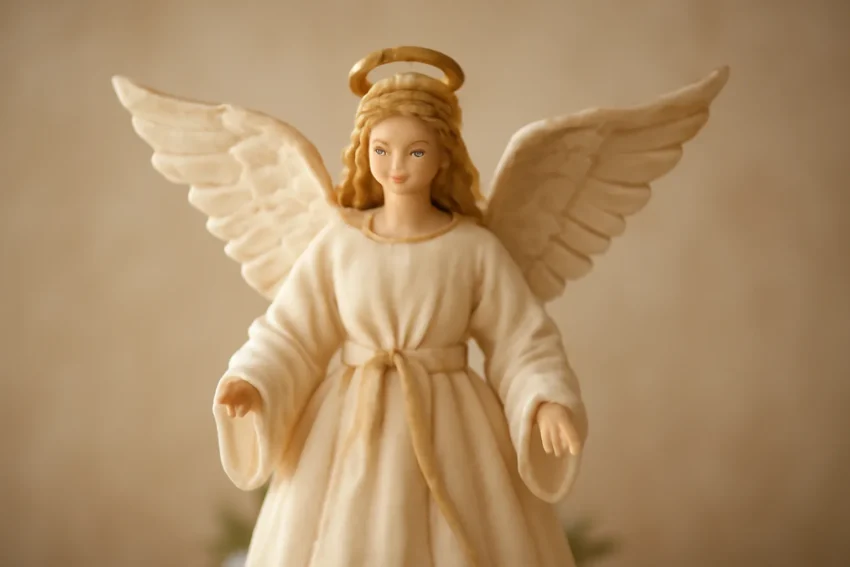
The angel Christmas tree topper is more than a decorative accent; it is a timeless symbol of grace, protection, and the spirit of the season. For many households, choosing the perfect angel to crown the Christmas tree is a cherished ritual that blends tradition with personal style. Whether you favor a nostalgic porcelain figure, a modern LED-lit guardian, or a whimsical fabric icon, the top of the tree offers a focal point that draws the eye upward and sets the tone for your holiday display. This ultimate buying guide will help you understand the key factors to consider, explore different styles and materials, and equip you with practical tips for selecting, maintaining, and enjoying an angelic topper year after year. If you refer to the topper as an angelic figure for the tree, a cherub tree topper, or a celestial top ornament, you’ll find that all these terms describe a similar purpose: to crown the tree with beauty, meaning, and a touch of wonder.
What is an angel Christmas tree topper?
In its simplest form, an angel topper for Christmas tree is a decorative figure designed to sit at the apex of a Christmas tree. The wording may vary—some people call it an angelic topper, others a cherub tree topper, and still others a star-adorned angel top. Regardless of the name, the core concept remains the same: a topper that signals the tree’s highest point while conveying symbolic meaning such as guardianship, peace, and spiritual significance.
Tree toppers come in a wide array of styles and constructions. Some are crafted from traditional materials like porcelain, resin, or wood. Others are built around modern technologies, incorporating integrated LEDs, motion mechanisms, or sound chips. The angel tree topper you select will influence the overall mood of your display—whether you favor a classic, reverent vibe or a contemporary, playful aesthetic.
Why choose an angel topper for your holiday decor
Choosing an angel Christmas top offers several compelling reasons beyond mere aesthetics. Here are a few reasons people gravitate toward the angel motif for their top tree ornament:
Symbolic resonance: Angels are traditionally seen as messengers, guardians, and symbols of hope. An angel on the tree reinforces these themes in a way that resonates with many faith traditions and secular celebrations alike.
Versatility: Angel toppers span a broad range of styles—from antique and vintage reproductions to sleek, contemporary interpretations—so they can blend with many decor themes, including traditional, rustic, modern minimalist, and whimsical Christmas palettes.
Generational continuity: For families with heirloom toppers or handcrafted gifts, an angel top can become a cherished annual tradition passed from one generation to the next.
Statement piece: A well-chosen angel topper can immediately set the tone of a room or theme, acting as a conversation starter and focal point for holiday storytelling.
Lighting and ambience: When you select an illuminated or sound-enabled angel, you add dynamic elements to your display that enhance warmth and mood during evening gatherings.
Key factors to consider when buying an angel tree topper
Selecting the right angel toppers for Christmas trees involves balancing aesthetics, practicality, and safety. The following factors are essential to evaluate before you make a purchase:
Size and proportion
Measure your tree’s height and scale. A topper that is too small may look inconsequential, while one that is too large can overpower the tree and disrupt its silhouette.
Rule of thumb: the topper should be roughly 1/6 to 1/4 of the total tree height, depending on the design and the tree’s fullness.
Consider the tip of the topper relative to the tree’s apex. Some designs rely on a plume, crown, or halo to achieve an elegant silhouette; others use a more compact form that sits neatly at the apex.
Material and durability
Porcelain and ceramic toppers convey classic elegance and fine detailing but can be fragile—best for low-traffic rooms or display cases.
Resin or composite materials offer durability with a wide range of finishes, from matte to glossy, and can mimic porcelain or wood without fragility.
Fabric and plush angels provide a soft, tactile look that works well in cozy, family-friendly homes. They may require gentle care to maintain shape.
Wireframe or metal toppers tend to be lightweight, modern, and very adjustable, though they can bend if handled roughly.
Wood or hand-carved toppers bring warmth and a rustic or traditional feel but may require careful storage to avoid chips or cracks.
Plastic or lightweight synthetics can offer affordability and durability for busy households and seasonal displays.
Traditional angel: A formal, prayerful figure often featuring flowing robes, halo, and delicate facial features—excellent for classic decor.
Modern angel: Clean lines, minimal ornamentation, and sometimes abstract shapes that pair well with contemporary interiors.
Whimsical or playful angel: Bright colors, oversized features, or endearing expressions that suit family rooms and kids’ spaces.
Vintage or antique look: Patina, aged finishes, or reproduction era details that evoke nostalgia and storytelling.
Celestial or celestial-inspired: Wings, halos, and star motifs that lean toward a more ethereal aesthetic.
Lighting and motion features
LED lighting: Battery-powered LEDs can offer warm white or color-changing effects and may be more energy-efficient and safer around children and pets.
Motion or sound features: Some toppers sway gently, rotate, or produce chimes and music. Ensure the mechanism is quiet and durable for longevity.
Consider battery compartments and whether you prefer plug-in options. Battery-powered toppers are portable and safer for illuminated toppers in rooms without ample outlets.
Power source and safety
If you choose a lighted topper, verify that it is UL-listed or equivalent for electrical safety, or that LED components are certified for safe use in homes.
For battery-powered toppers, check battery type (AA, AAA, coin cells) and how easy it is to replace them without damaging the ornament.
Consider heat generation; LEDs are generally low heat, but some incandescent features can get warm and require supervision in homes with children or pets.
Mounting, stability, and tree compatibility
Most angel toppers come with a stem, peg, or cap that fits at the apex. Ensure the mounting method is compatible with your tree’s crown and branch structure.
Weight matters: a heavy topper can bend or topple the topmost branches, especially on tall trees or if the tree is already asymmetrical.
Look for features like a built-in stabilizing base, weighted bottoms, or a supportive collar that grips the tree’s crown securely.
Maintenance and care
Dust and handle toppers with care to prevent breakage or dust build-up in delicate crevices and halos.
Store toppers in protective packaging or a dedicated box to avoid chips and warping between seasons.
For fabric or plush angels, consider spot cleaning or gentle washing guidelines as recommended by the manufacturer.
Budget and value
Topper prices range from budget-friendly plastic or fabric options to premium porcelain and hand-painted designs. Recognize what you value most: durability, authenticity, or a unique design.
Reflect on long-term value: a well-made topper can become a family heirloom, purchasing once but enjoying for many years.
Factor in energy cost for lighted toppers if you plan to keep them lit for extended periods each day during the holiday season.
Styles of angel tree toppers
When you step into the world of angel toppers for Christmas trees, you’ll encounter a spectrum of styles. Here is a closer look at the most popular categories and what makes them distinctive:
Traditional porcelain or resin angels
These classic angel tree toppers often feature finely painted faces, flowing robes, and gilded halos. They evoke a sense of timeless elegance and can complement formal living rooms and traditional decor. Porcelain pieces can be fragile, so they are best placed in protected display areas or used in homes with mindful handling during the season.
Fabric, plush, or hand-sewn angels
Soft textures, embroidery, and feathered wings characterize the plush angel top. These are approachable, tactile options that suit cozy, family-first aesthetics. They’re typically more durable for households with young children and pets, and they welcome a casual, festive vibe.
Wireframe, minimalist, or geometric angels
For modern or contemporary interiors, minimalist toppers embrace clean lines and airy silhouettes. A wireframe angel can feel like a sculpture perched on the tree, offering a stylish, less-is-more effect that still communicates the celestial theme.
Animated and lighted angels
Illuminated or kinetic angels bring motion and glow to the crown of the tree. LED halos or embedded light sequences can create a magical ambiance, especially in rooms where the tree becomes a nighttime centerpiece. Mind the heat and battery life when selecting animated models.
Vintage, antique, or heirloom replicas
For nostalgia and storytelling, vintage-inspired cherub toppers replicate old-world charm. These pieces often feature patina, aged finishes, and hand-painted details, which can enrich a holiday display with character and history.
Materials and construction: how to evaluate quality
Understanding the materials behind an angel tree topper helps you assess durability, maintenance, and overall value. Here are common materials and what to expect from each:
Porcelain: Classic, delicate, and highly detailed. Ideal for formal settings but require careful storage and handling.
Resin: Durable, versatile, and often less expensive than porcelain. Can be molded to mimic delicate textures while offering a robust build.
Wood: Warm, rustic, and durable. Wooden angels may feature carved details and hand-painted finishes that age beautifully over time.
Fabric: Soft, tactile, and versatile for family-friendly decor. Fabric toppers may include embroidery, ribbons, and beadwork.
Metal or wire: Light, sleek, and modern. They can be bent to adjust the pose, but require careful handling to avoid bending or bending the wings.
Combination materials: Many toppers blend fabrics, plastics, and metals to achieve a balanced look with practical durability.
Color and finish influence the presence of the top figure on the tree and its ability to harmonize with other ornaments. Lighting adds drama and warmth. Consider these elements when selecting your angel topper:
Finish: Glossy vs. matte surfaces catch light differently. A glossy finish reflects surrounding lights, creating a luminous aura, while a matte finish offers a softer, more understated look.
Color palette: Traditional golds, snowy whites, and soft pastels pair well with classic color schemes. Bolder colors can be striking in contemporary trees featuring jewel tones or bright tinsel.
Integrated LEDs: If opting for a lighted angel, decide between warm white (cozy) and cool white (modern). Consider LEDs with dimmable options for adjustable ambience.
Energy efficiency: LEDs consume less energy and produce less heat, contributing to safety and longer battery life for battery-powered toppers.
Placement tips: achieving balance at the apex
How you place the
angel tree topper impacts the tree’s silhouette and the room’s visual balance. Here are practical tips to help you crown your tree effectively:
Ensure the topper sits securely on a sturdy crown. If your tree is tall, you may require a larger base or additional stabilizing supports to prevent wobbling.
Align the topper with the room’s perspective. If you place the tree near a wall, tilt the topper slightly forward to ensure it is visible from the room’s main seating areas.
Balance the ornament load across the tree’s apex. If your angel is heavily embellished or tall, you may have to adjust nearby ribbon or star toppers to maintain harmony.
For two-story or open-floor-space rooms, consider how the topper appears from multiple angles. An evenly illuminated topper will preserve its charm from various viewpoints.
Placement alternatives and mounting methods
Not all trees are created equal, and some require alternative mounting solutions. Here are common methods you might encounter:
Stem or peg insertion: Many toppers come with a stem that slides into the crown and anchors gently with a cap or glue. This method is standard on most realistic look trees and artificial options.
Cap or ring base: Some toppers feature a cap that clamps around the tree’s apex or uses a ring to hold the crown in place. This is ideal for trees with a wide top.
Weighted base: A few designs include a weighted bottom or a stabilizing stand that keeps the topper upright, particularly in breezy rooms or tall trees.
Ribbon or halo support: In minimalist setups, a halo or decorative ring can help stabilize and visually anchor the topper without heavy attachment.
Safety considerations for angel toppers
Safety should be a primary concern, especially in homes with children or pets. Here are important safety guidelines to follow when selecting and using an angel tree topper:
Electrical safety: If the topper is electric, ensure it has proper certifications (e.g., UL-listed) and avoid any toppers with exposed wiring that could be pulled or chewed.
Heat management: Choose LED lighting to minimize heat. Avoid toppers with bulbs that can overheat, particularly for fabric or plush angels.
Stability: Ensure the topper is securely mounted and does not easily tip over. A toppers that falls can injure a child or become a fire hazard if it strikes a candle or light switch.
Storage safety: Store toppers in a sturdy container with adequate padding when not in use to prevent breakage or deformation.
Non-toxic materials: Look for non-toxic finishes and paints, especially for families with babies or toddlers who may explore the tree.
Care and maintenance of your angel topper
Proper care ensures your guardian figure endures for many seasons. Here are best practices for angel toppers care and maintenance:
Dust regularly with a soft brush or microfiber cloth to prevent buildup on delicate surfaces or intricate details.
If the angel has fabric elements, use a gentle fabric brush or a slightly damp cloth for spot cleaning, following the manufacturer’s care instructions.
For lighted toppers, periodically check batteries and replace as needed. If your topper uses a plug-in power source, inspect cords for wear and avoid placing the topper where cords could be snagged by moving branches.
Store in its original packaging or a protective padded box to avoid compression and external impact that could damage wings or halos.
Assess seasonal display wear: if the topper has small beads, sequins, or delicate filigree, consider removing the topper during heavy cleaning to avoid snagging or bending.
Where to buy an angel tree topper: pros and cons of common sources
Shopping for the right angel tree topper involves weighing options between local stores, online marketplaces, and specialty retailers. Each channel offers benefits and potential drawbacks:
Department and home decor stores: Convenient, hands-on testing of texture and size, immediate possession, and a broad selection. However, inventory can be seasonal and may not include unique or heirloom pieces.
Specialty Christmas shops: Focused assortments, expert staff, and curated collections. Expect higher price points for premium materials or handcrafted toppers.
Antique shops and estate sales: Opportunities to find vintage angel toppers with authentic patina and story, though condition may vary and restoration could be needed.
Online retailers and marketplaces: Vast selection, price comparison, and access to reviews. Before purchasing, check return policies, material specifications, and warranty terms.
Artisans and handmade marketplaces: Unique, customizable toppers with one-of-a-kind charm. Costs may be higher, but the personal connection to the maker is a value in itself.
If you love crafts or want a truly personalized touch, consider a DIY approach to your angel top for the Christmas tree. DIY toppers can range from simple fabric angels to more complex mixed-media sculptures. Here are some ideas and tips:
Fabric and felt angel: Sew a small angel using felt, burlap, or cotton. Add wings from lace or embroidered fabric, and finish with a halo made from metallic thread or a ring of wire.
Paper or cardboard cutouts: Create a lightweight topper using layered papers or cardstock with gold accents. This is a budget-friendly option and great for kids to participate in.
Wire sculpture: A delicate wire angel can be shaped and adjusted to sit atop a tree. Add beads or small crystals for sparkle.
Upcycled materials: Use antique jewelry findings, sequins, or ribbon to craft a unique, heirloom-worthy piece that reflects your personal family history.
When pursuing a DIY route, plan for scale, stability, and safety. Ensure that the finished topper has a stable base, a safe mounting method, and uses non-toxic materials if it will be touched by children.
Budgeting for an angel Christmas tree topper means evaluating upfront costs against long-term value. Consider these budgeting principles:
Establish a price range based on your aesthetic goals, such as a sentimental heirloom topper or a bold contemporary piece.
Factor in additional costs like replacement bulbs for lighted toppers or specialty storage boxes for fragile ornaments.
Invest in a durable piece if you want something that lasts for decades. A well-chosen, high-quality angel can become a family heirloom, making the initial cost worthwhile.
Assess the maintenance cost: certain materials may require professional cleaning or specialized care to maintain their appearance.
Here are some common questions people ask when shopping for an angel tree topper. If you have a question not covered here, feel free to ask for more details.
What is the typical size of an angel tree topper? Most toppers range from about 8 to 14 inches tall (20 to 35 cm), but the size can vary depending on the tree height and aesthetics.
Are angel toppers safe for pets? Safety depends on the material and how securely it is mounted. Heavier toppers may be hazardous if knocked over, and small detachable parts can pose choking risks to curious pets. Choose designs with solid construction and secure mounting.
Can I use a non-lit angel topper for a lit tree? Yes, you can use non-lit toppers on pre-lit trees, and you can choose to illuminate the tree separately. This can help reduce heat near the top if you’re using incandescent lights elsewhere.
How do I choose between porcelain and resin angel toppers? If you want a traditional, museum-quality look and don’t mind careful handling, porcelain is a classic choice. If you want durability, affordability, and a wide range of finishes, resin is often the better option.
Is a LED-lit topper better than incandescent? Generally, yes. LEDs are cooler, energy-efficient, longer-lasting, and available in warmer color temperatures that evoke a cozy holiday glow.
How do I store an angel topper to prevent damage? Use the original box if possible, or a sturdy storage container with dividers and padding. Keep it in a dry, climate-controlled space to prevent warping and moisture damage.
Seasonal storytelling: integrating your angel topper into broader decor
Beyond its visual appeal, your angel figure for the tree can anchor a storytelling theme for your holiday decor. Consider the following ideas to weave a cohesive narrative across the room:
The guardian motif: Create a color story around soft whites, golds, and pale blues to emphasize a guardian angel theme. Pair the topper with guardian-inspired ornaments, star garlands, and softly glowing candles in safe holders.
Timeless elegance: Build a traditional look by combining the angel top with heirloom-style baubles, antique candleholders (electric, for safety), and festive ribbons in champagne and ivory tones.
Whimsical wonder: If your angel topper leans playful, coordinate with whimsical figurines, colorful lights, and sparkly accents to cultivate a family-friendly, storybook atmosphere.
Minimalist harmony: For a clean, contemporary space, pair a modern angel topper with a restrained color palette and geometric textures to maintain an uncluttered focal point at the tree’s apex.
Conclusion: finding the perfect guardian for your tree
The right angel Christmas tree topper can elevate your holiday decorating from decorative to meaningful. By considering size, materials, style, lighting, safety, mounting, maintenance, and budget, you can select an angel topper that resonates with your family’s traditions and interior design. Whether you call it a cherub tree topper, an angelic topper, or a celestial tree crown, the goal remains the same: to crown your Christmas tree with grace, light, and a sense of wonder. With this ultimate buying guide in hand, you’re equipped to shop confidently, compare options, and choose an angel that will be cherished for years to come.