Bible Artwork: A Guide to Sacred Art, Styles & History
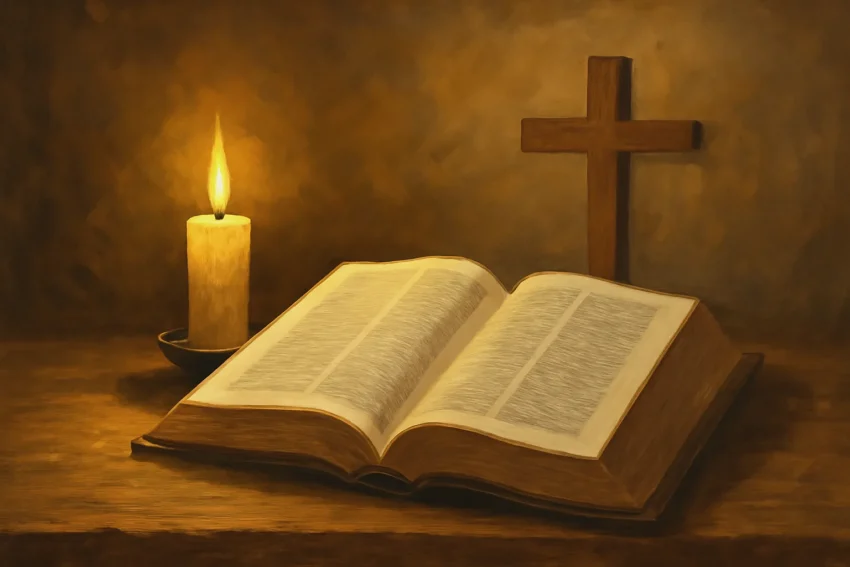
Bible artwork, in its broadest sense, refers to the visual expressions created to tell the stories, convey the theology, and celebrate the figures of the sacred Scriptures. From the illuminated pages of medieval manuscripts to the monumental frescoes of Renaissance churches, from delicate icons in a quiet chapel to luminous stained-glass windows in a soaring nave, the sacred art of the Christian world has shaped both public worship and private devotion. This guide explores the many faces of bible artwork—its major styles, the historical transitions that moved artists from icon to illusion, and the practical ways observers can read and interpret these works as part of a living tradition.
Defining Bible Artwork: Sacred Art in Context
When we speak of bible artwork, we are talking about more than illustration or decoration. It is art that seeks to communicate spiritual truths, to guide meditation on biblical narratives, and to sanctify space. The term encompasses several interrelated practices:
Iconography — the visual vocabulary of sacred symbols, figures, and scenes used to teach doctrine and evoke reverent awe.
Narrative cycles — sequences of scenes that recount biblical events, often arranged to lead viewers through a theological or moral arc.
Liturgical art — works commissioned for worship, such as altarpieces, retables, crucifixes, and processional banners.
Illumination — hand-written manuscripts augmented with decorative initials, borders, gold leaf, and miniature illustrations.
Stained glass and sculpture — architecture-integrated media that transform interior light or standing figures into didactic and devotional experiences.
Across centuries and cultures, artists have adapted these forms to respond to local liturgies, theological concerns, and aesthetic sensibilities. The result is a rich tapestry of works that can be studied on multiple levels—visual, symbolic, historical, and spiritual.
Historical Eras in Bible Artwork
Early Christian and Late Antique Foundations
The earliest Christian art emerges from a world where Christians worshipped in private rooms, catacombs, and soon, basilica spaces. In the catacombs, biblical scenes and symbols offered a coded form of expression during times of persecution. The early Christian art of the 2nd through 5th centuries favored modest imagery—fish, doves, the Good Shepherd, or scenes from the life of Christ and the Apostles—carved or painted quickly, with a focus on didactic clarity. As Christian communities gained public standing, art began to adopt more formal forms and a stronger sense of communal identity.
Byzantine Iconography and the Sacred Image
The rise of the Byzantine tradition transformed how sacred art operated. Icons—frontal, stylized images designed for veneration rather than mere viewing—became a central medium. The goal was not naturalistic representation but a theological pedagogy: the image is a window to the divine mystery. Proportions, halos, gold backgrounds, and hierarchical scale all serve to convey the sacred. Iconographers worked within strict canons that regulated color schemes, gestures, and the arrangement of figures. This period also gave us monumental mosaics and the development of the iconostasis, a screen that separates the sanctuary from the nave while enabling liturgical exchange between clergy and people.
Medieval Europe: Manuscripts, Mosaics, and Pious Decor
In Western Europe, the medieval period produced compelling illuminated manuscripts, with biblical scenes set in decorative borders and initial letters that glow with gold leaf. Monastic scriptoria preserved and studied biblical text, while monasteries commissioned illuminations to accompany readings, reinforcing spiritual lessons through image and text. In cathedrals and churches, frescoes and mosaic programs narrated salvation history, from Creation to the Last Judgment. The Gothic era, in particular, amplified the drama of biblical narratives through soaring spaces, sculpted tracery, and stained glass that turned interior light into theological color.
Renaissance and the Reformation: Reimagining Sacred Narrative
The Renaissance brought a revival of classical technique, humanist curiosity, and a renewed interest in naturalistic representation. Painters studied geometry, perspective, anatomy, and the play of light to render biblical episodes with greater life-like presence. Artists such as Leonardo da Vinci, Michelangelo, and Raphael created monumental cycles that balanced piety with human achievement. Counter-Reformation responses emphasized clarity of message, accessible devotion, and the moral seriousness of sacred art. In many places, altarpieces and ceiling cycles were redesigned to reinforce catechetical aims and to mediate spiritual experience for a broad audience.
Baroque, Counter-Reformation, and the Power of Image
The Baroque era heightened emotion, movement, and theatrical lighting in biblical scenes. Artists used dynamic compositions, dramatic contrasts of light and shadow, and robust color to capture spiritual drama. In Catholic centers, art became a didactic instrument against Protestant critiques, aiming to engage the viewer’s senses as a pathway to faith. Caravaggio, Rubens, and Bernini produced works that fuse sacred subject matter with intense psychological realism and sensory immediacy. The result is art that invites contemplation through immediacy, pushing the observer toward reverence and transformation.
The 18th and 19th centuries saw a shift toward clarity, moral seriousness, and an interest in virtue and history in sacred subject matter. Neoclassicism looked to antiquity for form, while Romantic tendencies highlighted emotion, mysticism, and spirituality beyond the literal biblical scene. In the 20th and 21st centuries, biblical imagery appeared in diverse media—graphic design, abstract painting, sculpture, and new media—reflecting changes in belief, society, and art markets. Contemporary sacred art often interrogates biblical interpretation, interfaith dialogue, ecological responsibility, and the challenges of modern faith communities.
Styles and Techniques in Bible Artwork
Iconography and Theological Composition
The study of iconography is a form of visual theology. It asks: What does this image signify beyond its surface? What is the correct order of events in a narrative, and how do color, gesture, and space convey doctrine? Some recurring motifs include the Virgin and Child, the Crucifixion, the Resurrection, and scenes from the Old Testament that prefigure Christ. The arrangement of figures—the central figure, secondary witnesses, the presence of angels or saints—conveys meaning through composition as much as through content.
Fresco, Tempera, and Oil: Media that Shape Perception
The techniques used to create sacred images influence how viewers experience them. Fresco applies pigment into wet plaster, resulting in durable, luminous walls that can define a building’s interior space. Tempera on panel, with its quick-drying quality and fine detail, made illuminations and panel paintings ideal for precise narrative scenes. Oil painting later expanded the palette, depth, and subtlety of light, allowing artists to model flesh and cloth with remarkable realism, while still maintaining a devotional gravity appropriate to biblical subjects.
Mosaic and Stained Glass: Light as Theological Medium
In mosaics, tiny tesserae of glass and stone form shimmering surfaces that transform light into theology. The ceiling of a chapel, the apse of a basilica, or the floor of a church can become a narrative map through color and texture. Stained glass windows convert daylight into a living sermon, with scenes from Genesis, the Gospels, and the saints casting color and shadow across stone and air. The viewer’s gaze is guided by the architect’s geometry, the artisan’s palette, and the liturgy that frames the viewing.
Illumination: The Handwritten Bible and Its Miniatures
In medieval illuminated manuscripts, the text is a living object. Gold leaf, vibrant pigments, marginalia, and exquisite initials invite readers into a contemplative encounter with the sacred Word. The miniatures illustrate scenes from the Bible with finesse, sometimes employing symbolic relations between borders, historiated initials, and page layout to emphasize theological connections. The craft requires careful collaboration among scribes, painters, and binders—an ensemble that reflects communal devotion and scholarly discipline.
Narrative Style: Retables, Altarpieces, and Retrospective Cycles
In many churches, retables (altarpieces) and monumental altarpieces form a visual narrative that unfolds across panels, predellas, and polyptychs. The composition is designed to be read from a distance by congregants, with clarity of hierarchy, readable gestures, and a strong central message. The arrangement may recount a specific biblical event or present a more expansive history of salvation. The artistic choices—scale, color, gesture, and the inclusion of donors or scenes from saints’ lives—speak about the community’s relationship to the sacred text.
Regional Variants: How Place Shapes Style
Geography deeply influences how Bible stories are pictured. In the Byzantine world, icons emphasize spiritual presence over naturalistic detail; in Western Europe, narrative clarity and seasonal color often dominate; in the Ethiopian and Russian traditions, forms of reverent stylization, bodily gesture, and thick paint create unique devotional experiences. The result is not a single universal “biblical style” but a family of forms related by shared subject matter and devotional intent.
Major Themes and Narrative Strategies in Bible Artwork
Creation and Fall—Images that present the beginning of human history, sin, and grace, prompting reflection on responsibility and mercy.
Incarnation and Mystery—Depictions of Christ’s life, death, and resurrection, highlighting divine-human union and salvation.
Miracles and Teachings—Scenes that illustrate Jesus’ signs, parables, and ethical instructions, often used for catechesis and contemplation.
Passion and Resurrection—The climactic arc of the Gospel narrative, inviting viewers to meditate on sacrifice, hope, and new life.
Saints and Martyrs—By showing virtuous lives in relation to Scripture, sacred art invites believers to imitate faith and courage.
Artists often employ symbolism to convey deeper truths. A lamb may symbolize Christ, a dove the Holy Spirit, olive branches peace, and certain numbers or colors may carry theological significance. The composition—the arrangement of figures in space—can guide the viewer’s attention toward essential theological ideas, such as the centrality of Christ in a scene about salvation.
Reading the Visual Grammar: How to Approach Bible Artwork
To read a sacred image, consider:
The subject and its location in biblical chronology
The figures depicted and their gestures or postures
The color palette and any symbolic associations
The background elements: architectural spaces, landscapes, and props
The relationship to liturgy: how the work would have been used in worship or instruction
A well-placed gaze or a single gesture often encodes a theological point more succinctly than a lengthy caption. Observers who bring curiosity about the biblical text and its meanings will discover layers of significance in even a single panel or panel painting.
Regional Traditions and Variations in Bible Artwork
Western Europe: From Scriptural Illumination to High-Religion Altarpieces
Western European sacred art shows a remarkable evolution from medieval manuscript illumination to High Renaissance grandeur and then to Baroque fervor. The Gothic era’s emphasis on verticality and light prepared the way for dramatic, emotionally charged works of the Baroque. In centers like Florence, Rome, and Bruges, artists sought to harmonize naturalistic observation with sacred mystery, producing a vocabulary of biblical storytelling that could be seen by congregants and patrons alike.
Orthodox World: Icons as Theological Vessels
In Byzantine and later Eastern Christian contexts, sacred images function as windows to the divine. Icons are not merely “pictures” but liturgical and doctrinal instruments, used in prayer, contemplation, and processions. The aesthetic tends toward frontal, timeless representations, calm postures, and gold-ground radiance that invites a stabilized, meditative gaze. The iconographer’s role is often considered a sacred task with a sense of spiritual apprenticeship, decoding theological truths through stable forms rather than evolving illusionism.
Ethiopian and Coptic Traditions: Distinctive Visions of Scripture
In the Ethiopian and Coptic Christian communities, biblical scenes appear within highly decorative contexts and thick surfaces, sometimes blending syncretic motifs with native artistic traditions. Ethiopian church painting often shows vertical hierarchies, vibrant colors, and narrative panels that align with liturgical calendars. The result is a robust, doctrinally rich corpus of biblical art that remains integral to local worship and identity.
Russian Icons and the Northern School
Russian iconography continues a strong tradition of stylized faces, formal symbolism, and careful adherence to canons of composition. The spiritual atmosphere of Russian icons—sacral stillness, deliberate gestures, and often a cool, restrained palette—offers a counterpoint to the more exuberant Baroque and to Western naturalism. The icon remains a teacher of doctrine, a conduit of prayer, and a presence in communal life.
Indigenous and Global Narratives
Across the globe, Christian communities have produced biblical art that integrates local aesthetics and spiritual concerns. From the frescoes in Latin American churches to modern installations in Africa, Asia, and the Pacific, sacred imagery continues to adapt while preserving core biblical themes. Contemporary artists may address issues such as social justice, ecumenism, and ecological responsibility, using biblical narratives to engage with current questions in a global church.
Religious Art Forms: Media and Their Impacts on Meaning
Illuminated manuscripts and miniatures — book art that integrates text with image for study and devotion.
Frescoes and mosaics — architectural art that enshrines biblical scenes in walls and floors, creating a sense of sacred space.
Panel painting and altarpieces — narrative centers for worship and catechesis.
Sculpture and bas-relief — three-dimensional expressions of scriptural moments, often in tympanums, relief panels, or pulpit decorations.
Stained glass and light installations — color as theology, transforming interiors through light’s symbolism.
Each medium carries a different weight in teaching, worship, and memory. The durability and scale of frescoes and mosaics, for example, embed biblical scenes in architectural history, while illuminated manuscripts create intimate, text-centered experiences. The choice of medium is not arbitrary; it reflects theological intention, audience, and the function of the work within a community of faith.
The care of bible artwork across centuries requires a careful balance of preservation and accessibility. Museums, churches, monasteries, and conservation laboratories work to maintain pigments, binders, and structural integrity while ensuring that the works continue to speak to contemporary audiences. Conservation challenges include environmental fluctuations, material fragility, previous restoration attempts, and the need to preserve original intent. Modern practices emphasize non-invasive analysis, ethical restoration protocols, and documentation that keeps the historical and religious contexts intact.
Public access to sacred art varies by tradition and location. In many cases, the best experience of a biblical artwork comes from understanding its liturgical purpose, its place within a church’s architecture, and its relationship to the biblical text it depicts. Educational programs, guided tours, and scholarly catalogs help audiences connect with the artwork’s historical significance and spiritual meaning.
How to Read Bible Artwork: A Practical Guide
Identify the subject: What biblical event or figure is portrayed?
Note the medium and technique: Does the material influence the mood or message?
Observe the composition: Where is the viewer invited to look? What is the visual hierarchy?
Consider the symbolism: Are there colors, animals, or gestures with symbolic meanings?
Contextualize the liturgy or patronage: Was the work created for a specific church, patron, or festival?
A careful observer will notice how bible artwork uses space, light, and gesture to communicate more than a literal scene. The best sacred art invites viewers into contemplation, prompting questions about faith, morality, and the mystery of the divine.
Influential Artists and Works Across the Bible Artwork Spectrum
While Bible subjects appear across eras and cultures, certain works stand out for their enduring influence and formal innovation. It is useful to recognize them not as isolated masterpieces but as touchpoints in a larger conversation about sacred art.
Giotto di Bondone — his fresco cycles in Assisi and Padua helped inaugurate a more psychologically grounded approach to biblical storytelling within the parameters of Gothic and early Renaissance sensibilities.
Fra Angelico — a master of serene composition and devotional mood, whose altarpieces and frescoes emphasize piety and clarity of narrative.
Michelangelo — a sculptor and painter who integrated monumental narrative with theological depth, especially in the Sistine Chapel ceiling and Last Judgment panel.
Raphael — known for harmonious composition and luminous color in biblical scenes that unify intellect and spirituality.
Caravaggio — his chiaroscuro technique infuses biblical figures with immediacy and human vulnerability, raising questions about faith in a complex world.
El Greco — a late Renaissance painter whose spiritual intensity and elongation of form create otherworldly biblical atmospheres.
Andrei Rublev — a towering figure in Russian iconography, whose Trinity remains a landmark in sacred image and theological economy.
Beyond these names, thousands of anonymous masters contributed to the vast reservoir of bible artwork, especially in workshop and guild contexts. Remember that the value of sacred art lies not only in its authors’ fame but in its capacity to form faith communities, instruct the faithful, and evoke reverent awe.
Contemporary Sacred Art: New Voices and New Questions
The modern era has broadened the vocabulary of bible artwork to include installation, performance, photography, digital media, and participatory pieces. Contemporary sacred artists often explore questions about interpretation, pluralism, and the relationship between scripture and pressing social concerns. Some artists reimagine sacred narratives through abstraction, while others create dialogue between biblical themes and everyday life, inviting viewers to see the biblical text as relevant to current experience.
In some cases, traditional forms persist alongside contemporary experimentation. For example, churches may commission new stained-glass designs or sculpture that acknowledge heritage while addressing present-day questions. In other contexts, artists retain a more iconographic vocabulary to maintain continuity with longstanding devotional practices. The challenge and opportunity of contemporary sacred art lie in balancing reverence for tradition with the courage to engage new audiences and new media.
Conclusion: The Living Tradition of Sacred Image
Bible artwork remains a vital channel through which communities encounter Scripture, theology, and prayer. Its history is a history of dialogue: between text and image, between doctrine and devotion, between the local church and the wider world. From the quiet glint of gold in a medieval manuscript to the radiant glow of stained glass in a sanctuary, sacred art continues to shape how believers see themselves, their stories, and their faith.
Whether you are a student of art history, a practicing theologian, a member of a faith community, or a curious observer, appreciating bible artwork involves more than identifying scenes. It requires listening to the visual conversation that has unfolded across centuries—an ongoing meditation on the Bible’s narratives, their meanings, and their power to transform lives. By exploring styles, media, and historical contexts, you gain not only knowledge but a richer sense of how sacred imagery has guided, challenged, and comforted generations of believers.
As you walk through a church, a gallery, or a library, take a moment to consider a few questions: What story is being told here? What does the choice of medium reveal about the community that produced this work? How does the image invite you to respond in prayer, contemplation, or action? In asking these questions, you participate in a continuing conversation that has animated Christian life for nearly two thousand years. That conversation is what makes bible artwork not merely an art history topic, but a living, evolving practice of faith.