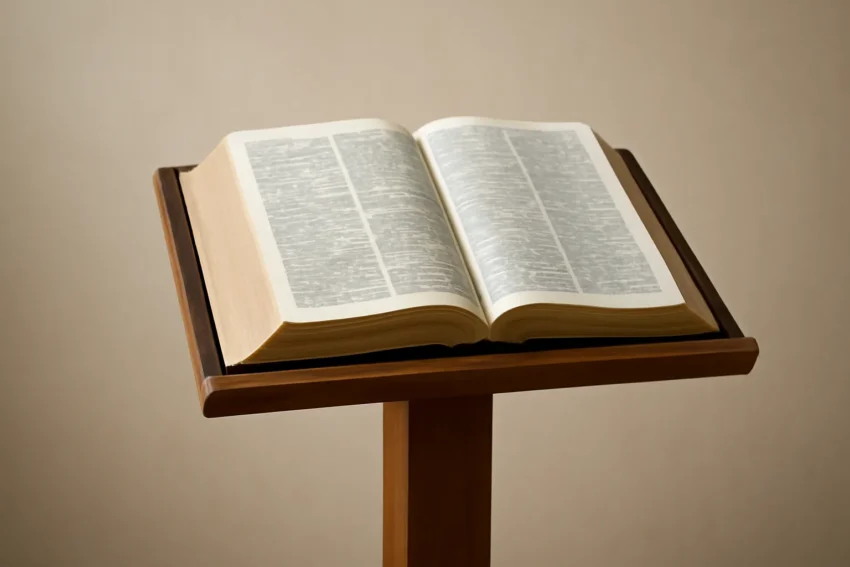
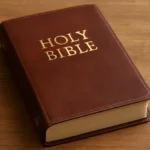
Choosing the right bible stand for home use is more than a matter of finding a convenient place to rest sacred text. It is about creating an ergonomic, visually pleasing, and durable support that enhances reading, study, reflection, and worship in everyday life. A well-chosen stand can improve posture, reduce glare on pages, accommodate different sizes of Scripture volumes, and complement your home decor. This article explores the many facets of selecting the best bible stand for your living space, from types and materials to features, maintenance, and practical setup tips.
Understanding the essentials: what you need in a Bible stand
Before delving into models and brands, it helps to define the core needs that most households have when they purchase a biblical stand or bible rest. Consider these foundational criteria as you compare options:
Size compatibility with the Bible you own. Some volumes are compact, while study Bibles and family Bibles can be very large and heavy. The stand should support the actual dimensions (height, width, spine thickness) of your holy book without crowding the pages.
Stability for safe reading. A stand should resist tipping if you lean over to take notes or if a gentle bump occurs near a table or floor model.
Adjustability to tailor height and tilt for comfortable viewing from a chair or desk, particularly when you read for extended periods or during devotionals.
Durability and materials that suit your climate and environment. Wood stands often offer warmth and durability; metal stands provide light weight or industrial aesthetics; acrylic or composite materials can offer a contemporary look with easy cleaning.
Ease of use for daily reading. Features like simple tilt adjustments, page clips, and easy folding mechanisms matter if you rotate between reading, study, and family devotion time.
Aesthetics and room harmony—the stand should fit within your living room, prayer corner, or study without clashing with furniture or wall colors.
Value and warranty—the investment should reflect build quality, longevity, and manufacturer support in case of repairs or replacements.
With these basics in mind, you can investigate the different categories of bible stands and identify which category best suits your home environment and spiritual practice. The following sections break down common types, materials, features, and practical considerations to help you make an informed decision.
Types of Bible stands: an overview of options for home use
There is a spectrum of bible stands designed for various spaces and reading styles. Here are the most common categories you’ll encounter, along with the typical use case for each.
Tabletop Bible stands
A tabletop stand or tabletop Bible holder is a compact option designed to sit on a desk, coffee table, or side table. It’s ideal for shared family spaces where multiple people want access to Scripture during a devotional or study session without committing to a dedicated furniture piece.
Pros: Portable, lightweight, affordable, and easy to move between rooms.
Cons: Limited height and tilt flexibility; less suitable for very large Bibles without tipping risk; may require occasional readjustment if placed on a soft surface.
Best for: Small to medium-sized Bibles, casual reading, or temporary use during family gatherings.
Floor-standing adjustable Bible stands
Floor-standing stands are designed as a freestanding unit that can be placed on the floor and adjusted for height and angle. They are often used in study areas or living rooms where a dedicated reading nook exists.
Pros: Strong stability, greater height range, suitable for large study Bibles, easier to adjust for a seated or standing reader, some models include pinion tilt or independent page holders.
Cons: Takes up space; heavier than tabletop options; might require assembly and regular maintenance of joints.
Best for: Large-format Bibles, heavy study Bibles, and readers who desire flexible positioning without bending over a table.
For a more formal or academic look, lectern-style stands or reading lecterns can be used in home libraries or study rooms. They often feature tall, slim profiles and pronounced tilting surfaces that resemble pulpit equipment.
Pros: Excellent for taller readers, podium-like height, secure page support, and sometimes integrated lighting or music stand features.
Cons: Can be costly; may dominate the room’s aesthetics if not coordinated with other furniture.
Best for: Home libraries or spaces designed for long devotional sessions, sermons, or small group Bible studies.
Wall-mounted Bible stands and Bible racks
To save floor space, many households opt for wall-mounted stands or bible racks installed at a comfortable reading height. These solutions work well in small rooms or corners where floor space is at a premium.
Pros: Space saving, clean lines, often integrated with shelving or cabinetry; easy to reach when mounted at the correct height.
Cons: Requires wall installation; weight-bearing concerns with very large Bibles; less adjustable once mounted.
Best for: Compact reading areas, kitchens, or prayer corners where a sleek, modern look is desired.
Some readers prefer the robustness of a music stand or adjustable-audio visual stand adaptation for the Bible. These stands can offer wide angle ranges and strong page-keeping mechanisms that are beneficial for heavy pages or glossy study notes.
Pros: Large tilt range; sturdy construction; can accommodate very large print editions and commentaries.
Cons: May look too clinical for traditional living spaces; some models are not designed for long-term textual viewing.
Best for: Enthusiasts and scholars who frequently use reference materials along with Scripture.
Materials and build quality: what lasts long and ages gracefully
The material composition of a bible stand strongly influences durability, maintenance, and the overall tone it sets in a room. Here are common materials and how they affect everyday use.
Wood stands: warmth, craftsmanship, and traditional elegance
Wood remains the most common material for quality Bible stands. Hardwoods like oak, maple, ash, walnut, and beech offer strong load-bearing capacity and a timeless aesthetic that complements most home decors. Softwoods like pine can be lighter and more affordable but may require more care to avoid dents and scratches.
Pros: Natural beauty, durable, refinishes well, can be made to match other furniture; often a long-term investment that adds value to a room.
Cons: Heavier to move; can be susceptible to moisture changes if not properly finished; higher price point for premium woods.
Finish considerations: Oil finishes, varnishes, or polyurethane coatings protect against humidity and fingerprints while preserving color and grain.
Metal stands: modern minimalism and industrial strength
Steel or aluminum stands provide a sleek look with excellent durability. Powder-coated finishes resist corrosion and chips, keeping the stand looking fresh longer. Metal options often pair well with contemporary interiors or home offices that favor clean lines.
Pros: Lightweight (in some models), excellent stability, easy to clean, often compactfolding designs.
Cons: Can scratch surfaces; some finishes show fingerprints; may feel less warm than wood in a traditional setting.
Care tip: Wipe with a damp cloth and dry to prevent mineral residue; avoid harsh cleaners that can dull finishes.
Acrylic and composite options: clarity and versatility
Acrylic or other transparent materials can create a minimal, almost invisible stand that keeps the focus on the Bible itself. These are often used in modern interiors or for displays in family rooms where the stand should blend in rather than stand out.
Pros: Lightweight, contemporary look, easy to clean, won’t rust or warp; often translucent so you can see the Bible’s cover.
Cons: Scratches show up easily; not as sturdy as thick wood or heavy metal; may vibrate in busy rooms.
Care tip: Use a soft microfiber cloth; avoid abrasive cleaners that can fog the surface.
Finish and durability: choosing the right protection
Regardless of material, the finish protects the stand from wear and environmental factors. For homes with children or pets, consider a finish that resists chips or dents. If you live in a humid climate, look for damp-resistant coatings or sealed joints to prevent warping in wooden models.
Ergonomics and reading comfort: designing for long sessions with Scripture
One of the most important aspects of selecting a Bible stand is how it affects your comfort during reading, meditation, or study. Ergonomics matter because comfortable posture supports longer, more focused sessions with the Word, the Word of God, or study notes.
Height and reach considerations
Ask: How high is the reader’s eye level when seated at a typical chair? A good stand should bring the text to eye level or slightly below, without requiring the reader to tilt the neck excessively forward. This reduces strain on the neck, upper back, and shoulders.
Tabletop models should align with the chair’s height, so the top of the Bible is roughly at eye level when you sit upright.
Floor-standing stands should offer a range of height adjustments—ideally several inches—to accommodate different seating arrangements or standing posture for morning devotions.
Tilt and angle: optimizing readability
The tilt angle is crucial for reducing glare from lights and for keeping pages flat. A stand with a tilt range from nearly vertical to about 90 degrees (or slightly less) allows you to position the pages for comfortable reading without cramping your hand movement when turning pages or taking notes.
Glare reduction: A matte finish or a matte-coated page interface helps minimize glare from lamps or windows.
Page security: Some stands include page holders or clips to prevent pages from slipping when turning leaves or studying side-by-side with a reference.
Stability and support features
A comfortable stand is not just about height and tilt; it must be stable enough to keep the book from sliding, especially when you lean forward. Consider models with anti-slip feet, weighted bases, or locking mechanisms to secure positions.
Anti-slip pads under the base prevent creeping on smooth floors.
Lockable tilt joints ensure your preferred angle does not drift during use.
Page clips or tabs can help hold pages in place when you quickly flip through chapters.
Features to consider: what adds practical value to a home Bible stand
Beyond basic support, many stands come with extra features that enhance readability, organization, or devotional routines. Here are features to weigh when shopping.
Adjustability: a spectrum of flexibility
Look for stands with multiple adjustment points: height, angle, and sometimes left-right tilt or tilt lock. Some models offer telescoping arms or angled top boards that can accommodate two or more Bibles side by side for comparison or family devotions.
Consider a stand with a broad height range if you share a stand among family members of different ages and build.
Look for quick-release levers or easy-to-turn knobs for fast changes during a session.
Integrated accessories
Additional features can improve usability. Common integrated accessories include:
Bookmark or page markers to help you switch between passages quickly.
Lighting, such as a small LED strip or clip-on lamp, to illuminate pages without relying on room lighting.
Locking clips to secure the Bible in place for travel or when reading near children or pets.
Document trays or note surfaces to hold journals, study guides, or a pen.
Cable management if the stand is placed near devices in a multi-media study area (to keep the area tidy).
Portability vs. permanence
If you envision moving the stand around the home or taking it to a church or study group, portability becomes a major factor. Folding mechanisms, compact footprints, and lightweight designs are essential for mobile use. Conversely, if you want a permanent fixture in a dedicated prayer corner, a heavier, fixed stand with rich finishes may be more appropriate.
Safety features
Consider child-safe designs if there are small children in the home. Rounded edges, non-toxic finishes, and smooth surfaces reduce the risk of injury or damage to the Bible.
Special considerations for large print Bibles and study Bibles
Many readers invest in large print editions or study Bibles with heavy bindings and multiple pages of commentary. These volumes require sturdier, more thoughtfully designed stands.
Large, heavy Bibles demand a base that distributes weight evenly; look for bases with a wide footprint or a secondary support bar for added stability.
Reading surfaces should be sufficiently wide to accommodate the Bible’s spine and the surrounding margins so you can keep notes within reach.
Consider stands with adjustable lip or clamp to avoid pressing the text on the binding, which can cause wear.
Aesthetics and room decor: making the Bible stand fit your space
In homes with varied decor styles, choosing a bible stand that complements the room can elevate the entire reading nook. A piece that harmonizes with furniture, wall colors, and lighting helps create a sacred atmosphere conducive to reflection and study.
Traditional interiors may benefit from carved wooden stands with a warm finish that echoes existing furniture.
Modern spaces often pair with minimalistic metal stands, sleek acrylic designs, or monochromatic wooden finishes.
Color coordination matters: choose a stand that either matches the dominant wood tone in the room or provides a tasteful contrast that still feels cohesive.
Budget and value: pricing considerations for Bible stands
Prices for Bible stands vary widely based on size, materials, brand, and features. A practical way to approach budgeting is to weigh the long-term value of durability and comfort against the initial cost.
Entry-level tabletop models can range from modest to mid-range, typically offering basic tilt and a compact footprint—sufficient for small Bibles and casual reading.
Mid-range stands often provide better materials (wood or alloy), greater height and tilt ranges, and some integrated features like page holders or light options.
Premium options include bespoke wooden stands, floor-standing models with extensive adjustability, or lectern-style stands with refined finishes and extra accessories.
When budgeting, consider potential future needs such as larger Bibles, family use, or changing reading spaces; investing in a versatile stand that can grow with your needs often pays off in the long run.
Care and maintenance: keeping your Bible stand in top condition
Long-term use requires regular care to preserve both the stand and the Scriptures it supports. Here are practical maintenance tips to extend the life of your bible stand.
Cleaning: Wipe wooden stands with a soft cloth and a mild wood cleaner or a damp cloth with a tiny amount of soap if needed. Dry promptly. Metal stands can be wiped with a damp cloth and dried; avoid harsh chemicals that can wear finishes. Acrylic should be cleaned with a microfiber cloth to avoid scratches.
Lubrication: For adjustable joints or tilt mechanisms, a small amount of silicone-based lubricant on knobs or pivot points can keep movement smooth. Wipe away any excess to prevent dust buildup.
Protection: Keep the stand away from direct sunlight for extended periods to prevent fading or warping. In humid climates, ensure wood is properly sealed to resist moisture changes.
Stability checks: Periodically check screws, bolts, and clamps to ensure they remain tight. Loose hardware can compromise safety and functionality.
Spacing: When not in use, store the stand in a dry area where it won’t be knocked over by pets or children. If you have a floor model, consider a non-slip mat for added stability.
When shopping for a Bible stand, choosing reputable retailers and well-known brands helps ensure product quality and after-sales support. Consider these guidance points:
Look for known brands with clear product specifications, weight ratings, and warranty information. This information helps you compare across different models and materials.
Read customer reviews to understand real-world performance, particularly regarding durability and ease of use.
Check return policies and warranties. A robust warranty indicates confidence in the product’s longevity and manufacturing quality.
Consider purchasing from stores with dedicated customer service that can answer questions about assembly, compatibility with your Bible size, and care guidance.
How to measure your space and choose wisely: a practical planning guide
Before committing to a stand, take careful measurements of your space, your seating arrangements, and the Bible sizes you own. A quick planning checklist can help:
Measure the typical reading chair height from floor to eye level. This informs the ideal top surface height for a stand when seated.
Measure the room’s available floor space and doorways if you are considering a floor-standing model that needs to be moved or stored.
Know the largest Bible you own, including thickness at the spine. This helps ensure the stand’s platform is wide and deep enough to rest the book without crowding pages.
Take note of lighting conditions in the reading area. If you rely on natural light, consider a stand with a tilt that reduces glare at different times of the day, or pair it with a dedicated reading lamp.
Decide if you want a stand that stays in one room or one that is easily portable for use in multiple spaces.
Practical setup tips for a serene home reading corner
Once you choose a Bible stand, how you place it in your home can affect your daily practice as much as the stand’s design. Here are practical tips to optimize your space for regular reading, study, or devotion.
Create a dedicated corner with comfortable seating and appropriate lighting. A small table nearby for notebooks and journals can make devotion time more organized.
Lighting strategy: Position a task light so the light falls across the page rather than directly into your eyes or onto the page at an angle that causes glare. Adjustable lamps with warm color temperature (around 2700K to 3000K) create a contemplative atmosphere.
seating posture: Sit with feet flat on the floor, back straight, and shoulders relaxed. The Bible stand should allow your forearms to rest lightly on the desk or knee without requiring you to hunch forward.
Organization: Use the stand’s optional accessories to keep notes and study guides close at hand. A small tray or pocket near the stand can hold markers, pens, or a notepad for quick annotations.
Temperature and humidity: Keep the reading space in a climate-controlled area to protect wooden stands from warping and finish degradation.
Choosing the right option for you: decision-making framework
To finalize your decision, you can use a practical framework that weighs needs against the features and constraints of different stands. Here is a simple approach you can apply:
Define your primary use: Is the stand for daily personal reading, family devotion, or a study group setting?
Identify Bible size and weight: List your current Bible(s) and anticipate future acquisitions; ensure that the stand supports the largest expected volume.
Set a budget: Determine a comfortable price range and identify features that are essential versus nice-to-have.
Assess space: Are you choosing a tabletop solution for a small area or a floor-standing option for a dedicated study room?
Consider aesthetics: What style best complements your home? Traditional wood, modern metal, or a neutral finish that blends in with other furniture?
Frequently asked questions about Bible stands
Here are some common questions people have when selecting a home Bible stand, along with concise answers to help clarify your choices.
Can I use any Bible with any stand? In most cases, yes, but it’s best to verify that the stand can accommodate the Bible’s width and spine thickness, especially for oversized or heavily gilded editions.
Is a wall-mounted Bible stand better than a floor stand? It depends on your space and preferences. Wall-mounted stands save floor space and create a neat corner, whereas floor stands offer portability and greater adjustability for different reading angles.
What is the most durable material for a Bible stand? Wood is typically durable and aesthetically versatile; metal offers outstanding stability and longevity, especially in high-traffic households. The right finish can extend durability for either material.
Do I need a stand with lighting? Lighting can reduce eye strain and glare. If your ceiling light is dim or uneven, a stand with an integrated light or a clip-on lamp is a practical enhancement.
How can I protect a very heavy study Bible? Choose a stand with a broad base, secure clamps or lip support, and a platform that evenly distributes weight. For extremely heavy volumes, a floor-standing model with a heavy, flat base is often most secure.
Conclusion: making a choice that fits your home and practice
Selecting the best Bible stand for home use is a thoughtful process that blends function, comfort, and aesthetics. A well-chosen bible stand supports long sessions of reading and study, protects your precious Holy Scripture, and harmonizes with your living environment. Whether you prefer a compact tabletop unit for quick meditations, a sturdy floor model for in-depth study, a wall-mounted holder for space efficiency, or a lectern-style piece for a reverent, church-like corner, the right stand is out there. By considering size compatibility, durability, ergonomics, and room design, you can choose a stand that encourages consistent engagement with the Word and fosters a peaceful, contemplative home atmosphere. May your choice bring clarity, comfort, and a sense of sacred connection to every moment you spend with the sacred text and its enduring message.