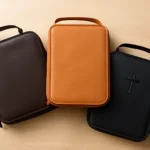
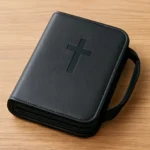
Every BibleBible collector or devoted reader understands that a well-made Bible cover does more than simply conceal a faith-filled volume. It provides durable, stylish protection that can extend the life of precious pages, preserve delicate bindings, and keep ink, dust, and moisture at bay. In many communities, a Bible cover is not just a practical accessory; it is a reflection of reverence, care, and personal taste. Whether you are shopping for a book cover for the Bible as a gift, for daily wear during commutes, or for a weekend study retreat, the right cover can transform how you interact with Scripture.
In this article, we will explore the varieties of book bible covers, the reasons to choose one, how to measure for a proper fit, and practical guidance on care and customization. We will use different terms—Bible cover, Bible sleeve, Bible case, scriptural cover, and Bible book cover—to capture the range of products that exist on the market while maintaining a clear focus on quality materials, construction, and design. Our aim is to equip you with useful information so you can select a cover that balances protection, style, and function for your unique Bible.
Understanding the Concept: What a Bible Cover Does
A Bible cover is more than a decorative sleeve. It is a form of physical protection designed to shield a book’s corners, spine, and pages from common hazards like bending, tearing, dust, and moisture. A good cover can also offer practical features—pockets for notes, a pen loop, a reminder tag, or a zipper that keeps loose pages secure. When selecting a cover, readers often consider three core goals:
Durability: Materials and stitching that stand up to daily use, travel, and occasional drops.
Protection: Padding, corner guards, and sturdy closures that guard against scuffs and water exposure.
Style and personalization: Color, texture, and embellishments that reflect personal taste without overpowering the book’s significance.
Across the market, you will find a spectrum of options—from classic leather Bible covers to modern fabric sleeves and hard-sided cases. Each category has its strengths, and the best choice depends on how you read, where you read, and how you transport your Bible.
Types and Variations of Bible Covers
Leather Bible Covers
Leather Bible covers are often prized for their premium feel, aging gracefully with a rich patina. They usually come in genuine leather or top-grain / full-grain varieties. A well-made leather cover can provide excellent durability and a classic look that never goes out of style. When you encounter a leather bible cover, you’ll notice:
Natural texture and scent that many readers associate with tradition and faith.
Durable stitching, often double-stitched along borders and around corners.
Patina over time, which can add character as the cover absorbs oils from hands and sunlight gradually mellows.
Care for leather is important to maintain its beauty. Leather bible covers typically respond well to lightweight conditioning products and should be kept away from excess moisture. If your cover is made from vegetable-tanned leather, you may notice more pronounced patina development as it ages. For full-grain leather or top-grain leather, expect a balance of resilience and elegance that can endure years of everyday use.
Faux Leather and Vegan Leather Covers
If you seek the look of leather without animal-derived materials, consider faux leather or vegan leather bible covers. These options often deliver:
affordability and broad color choices,
easy maintenance and stain resistance,
consistent texture across products, which some readers prefer for a uniform shelf appearance.
While less prone to scratching and easier to clean, some faux-leather varieties may be less forgiving to deep scratches or heavy abrasion. It’s wise to examine the material’s backing and stitching, as cheaper synthetics can fray at the edges if not well-made. Still, a high-quality vegan leather bible cover can offer excellent durability and a visually appealing finish for daily use.
Fabric-based covers are a versatile family in the Bible-cover ecosystem. They are lightweight, often available in a wide array of colors and patterns, and can feature soft interiors that cushion pages. Look for:
Interior padding or batting to protect against impact and humidity.
Reinforced seams that resist tearing at stress points like the spine and corners.
Attractive stitching and sometimes embellishments such as embroidery, appliqués, or printed motifs.
Fabric bible covers can be excellent for youth groups, study settings, or casual readers who value color and texture. Canvas and denim options commonly wear well and are easy to clean, but they may show dirt and wear more quickly if not cared for properly. For best results, choose a fabric cover with a sturdy inner lining and a secure closure system.
Hard-Sided or Rigid Bible Covers
For travelers and anyone who wants maximum protection, hard-sided Bible covers or rigid cases can be an excellent choice. These covers resemble a small suitcase or a binder with a shield-like exterior. Key characteristics include:
A compact, structured shape that resists bending and crushing.
Interior space that may include separate pockets for notes, pens, and even highlighters.
A protective outer shell that deflects impacts, making them especially suitable for travel, church trips, or school use.
The trade-off is weight. Hard-sided cases add bulk and can be less flexible in crowded spaces, but if transportability and maximum protection are your priorities, this style is hard to beat.
Closure Styles and Accessibility
Bible covers come with a variety of closure mechanisms. Each type affects how you use the product in daily life.
Zipper closures provide secure closure with fully enclosed edges, which can be particularly helpful for protecting against moisture and dust while traveling.
Snap or magnetic closures offer quick access and a slim profile, ideal for frequent reading without fiddling with zippers.
Open-top or flap covers that rely on a simple fold-over design can be lighter and allow quick access, but may offer less protection against moisture.
Removable flaps or straps add versatility by letting you convert the cover into a handheld sleeve or strap it to a bag or backpack.
The most important technical aspect of selecting a Bible cover is size compatibility. An ill-fitting cover can be more frustrating than a missing feature. To ensure a proper fit, consider the following steps and guidance.
Measuring Your Bible
Measure the height of the tallest page at the spine, from the top edge to the bottom edge of the page block.
Measure the width of the Bible across the spine and cover area when closed. Do this both at the widest point and at the center if the book has a pronounced spine curvature.
Measure the spine thickness (the depth of the book when it is closed). Some covers offer a “spine plus page block” allowance to accommodate thicker Bibles.
Note any extra features you want to accommodate, such as margin space for notes, a pen, or a bookmark ribbon.
Common Bible Sizes and Fit Considerations
The Bible world uses several standard sizes. While exact dimensions can vary by publisher and edition, you can use these general categories as a guide:
Pocket or Personal Size: compact Bibles that fit easily in a purse or small bag. They typically require a slim, lightweight cover with minimal bulk.
Standard or Home/Family Size: the most common format for study Bibles; these covers should provide a balanced mix of protection and ease of handling.
Large Print or Study Bibles: larger dimensions and thicker spines; you’ll want a cover with extra sleeve depth and interior room for marginal notes and accessories.
Compact Study or Reference Bibles: slightly larger than pocket Bibles but still quite portable; look for a medium-depth spine cover to avoid tightness near the spine.
When choosing, aim for a fit that offers a touch of wiggle room—e.g., a cover that is a little larger than the precise measurements. This tolerance helps with ease of insertion and removal, and it also accommodates bending or swelling of the book after continuous use.
Hypoallergenic interiors or linings that resist odors and are machine-w washable where appropriate.
Non-toxic materials in all visible parts, particularly if the cover will be used by children or in classrooms.
Watertight or water-resistant exterior surfaces that mitigate accidental spills during meals or travel.
Where to Buy and How to Evaluate Quality
Shopping Tips
Whether you are purchasing a book bible cover for personal use or as a gift, here are practical tips to help you select a high-quality product:
Inspect stitching quality along all seams; uneven or loose threads can indicate poor durability.
closure hardware (zippers, snaps, magnets) for smooth operation and secure attachment.
interior lining for a soft, non-abrasive surface that won’t damage pages.
reinforced corners and a well-supported spine area to resist bending and wear.
warranty or return policy, which can be a good indicator of product confidence.
Brands, Prices, and Value
Bible covers vary widely in price, influenced by material, brand reputation, and the inclusion of premium features. You can expect a spectrum from budget-friendly fabric covers to premium leather cases with customization options. The best value is often a balance of quality construction, suitability for your edition, and personal preference.
Practical Scenarios: How People Use Book Bible Covers
Daily Commute and Church Attendance
For daily commuting, durability and ease of access are essential. A lightweight fabric or vegan-leather cover with a sturdy zipper and a pocket for a notebook can make daily Bible study convenient without adding bulk. If you attend church or Bible study weekly, consider a cover with carry handles or a detachable strap for hands-free transport.
Travel and Outdoor Study
When you’re on the move, a hard-sided cover can provide reliable protection against rain, dust, and accidental drops. If you frequently slide your Bible into a backpack or carry-on, a compact, structured design with a slim profile can prevent damage while fitting easily alongside other materials.
For students and researchers, pockets for notes, a pencil or highlighter, and a robust interior can be especially helpful. Some study-specific bible covers offer additional compartments for pen loops, flashcards, or small study guides, enabling a more organized reading experience.
Comparative Guide: Quick Reference of Common Options
— Classic, durable, develops patina; best for formal or traditional settings.
Faux Leather / Vegan Covers — Animal-friendly, often more affordable; available in many colors.
Fabric Covers — Lightweight, colorful, easy to clean; great for casual use.
Canvas & Denim Covers — Rugged, durable, good for outdoor use and youth groups.
Hard-Sided Covers — Maximum protection; best for travel and rough handling.
Conclusion: Choosing the Right Book Bible Cover for You
The heart of selecting book bible covers is aligning your practical needs with your personal style and spiritual respect for the text. A well-chosen Bible sleeve, case, or cover can become a trusted companion—protecting your most treasured scriptures while complementing the way you study, pray, and travel. Whether you prefer the classic elegance of leather, the modern practicality of fabric, or the robust defense of a hard-sided design, there is a cover that fits your edition and lifestyle. By understanding the categories, fit considerations, features, and care requirements outlined in this article, you can make an informed choice that serves both protection and reverence for years to come.
As you shop, remember the goal is durable protection with personal flair. Your Bible cover should respect the sacred text, withstand daily use, and reflect your unique journey with Scripture. If you take the time to measure accurately, inspect construction, and consider how you’ll carry it—whether by hand, by shoulder, or in a bag—your purchase will be a meaningful and practical investment. We hope this guide helps you find the perfect book bible cover that will accompany you through study groups, worship gatherings, travel, and quiet moments of reflection.