Introduction: What is a Bible case cover and why it matters
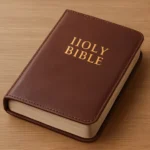
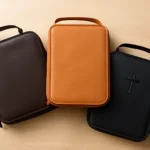
A bible case cover is more than a simple pouch or sleeve. It is a protective, portable home for the Words that many people cherish. Whether you carry a pocket Bible, a study Bible with large margins, or a devotional edition, the right bible cover can extend its life, keep its pages pristine, and reflect your personal style. In this article, we explore durable, stylish protection for your sacred text, covering materials, construction, design trends, size compatibility, and practical buying advice. Think of a bible case cover as an everyday accessory—one that safeguards your Bible during travel to church, at school, on retreats, or in the backseat of a car—without sacrificing ease of use or aesthetic appeal.
Throughout this guide, you will encounter variations of the concept, including bible sleeve, bible protector, scripture case, and Bible cover. Each term points to a family of products that share the same goal: to provide durable protection while offering options for style, organization, and accessibility. By understanding the differences and similarities, you can choose a product that better fits your routine—whether you’re a student with a tight backpack or a traveler who wants weather-resistant gear.
Durability at the core: materials and construction
The cornerstone of a good bible case cover is its durability. A protective shell, resilient inner padding, and reliable fasteners prevent damage from everyday wear and tear. Here, we break down the main materials and how they contribute to long-lasting performance.
Materials that stand up to daily use
Different bible case cover models use a range of materials to balance protection, weight, and feel. Common choices include:
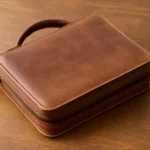
Genuine leather or vegan leather: Classic, timeless, and easy to wipe clean. Leather tends to age gracefully and often develops a beautiful patina with exposure to light and use.
Faux leather or PU leather: A budget-friendly alternative that offers a similar look with often easier maintenance and animal-friendly credentials.
Canvas or duck cloth: Lightweight, durable, and often water-resistant when treated. Great for casual, everyday use.
Neoprene or synthetic neoprene blends: Excellent for shock absorption and water resistance; a good choice for travel or gym bags.
Microfiber interiors: Soft, scratch-resistant linings that protect the Bible’s cover and pages from scuffs and dust.
Metal hardware (zippers, clasps, and D-rings): Reinforces wear points and improves longevity, especially for heavy daily use.
Construction techniques that extend life
In addition to the materials, how a bible cover is made matters just as much. Look for these construction features:
Double stitching along seams for added strength and durability under repeated opening and closing.
Edge binding or piping that protects the edges from fraying.
Reinforced corners to absorb impact when dropped or bumped during travel.
Quality zippers with smooth operation and snag-free teeth; some models use self-healing or weather-sealed zippers for extra protection.
Soft anti-scratch linings to prevent interior damage to the Bible cover, particularly at corners and spine.
Inner pockets and dividers that keep items separated without putting pressure on the spine or pages.
Protection features that matter
A robust bible case cover combines physical protection with practical usability. Here are the main features that help protect your Bible from the hazards of day-to-day life.
Padding and body volume: Adequate padding around the body of the case absorbs shocks during drops or bumps in transit.
Water resistance or waterproofing: Depending on the material, many covers offer at least water resistance to protect against rain, spills, or condensation inside bags.
Secure closures: Zippers, magnetic snaps, or Velcro closures keep the Bible from sliding out, especially when the case is jostled or stored in a moving environment.
Interior organization: Pockets for bookmarks, pens, highlighters, and a notepad help you keep study tools together with your Bible.
Scratch-protective lining: A soft interior lining reduces friction against the cover’s surface, preserving the Bible’s spine and cover image.
Moisture barriers: Some cases include moisture-absorbing packs or inner foil layers to deter humidity from affecting the pages.
The way a bible case cover closes can influence ease of use and security. Common options include:
Top-zip or side-zip designs: Provide full access to the Bible with secure closure; side-zip can be easier to grab when the case is open on a table.
Magnetic flap: Quick to open, but depends on magnets for secure closure; may collect magnetic debris over time.
Button or snap closures: Simple and reliable; however, they may wear out after heavy daily use.
Roll-top or buckle designs: Extendable capacity for larger study Bibles or extra materials; generally more rugged for travel.
Style and personalization: expressing faith and personality
Beyond protection, many people want a bible case cover that reflects their faith, aesthetic preferences, and daily life. The market offers a range of styles—from understated professional looks to bold religious motifs and modern patterns. Personalization options give the cover a unique identity.
Design trends in Bible cases
Design trends today focus on combining durability with beauty. Notable trends include:
Classic leather aesthetics with matte or pebbled textures and subtle grain patterns.
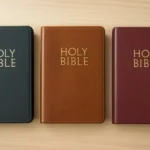
Minimalist monotone colors such as deep black, navy, burgundy, and gray that pair well with professional settings.
Rich textures like faux alligator or crocodile patterns for a distinctive look.
Printed patterns featuring biblical verses, symbols (like crosses or doves), or abstract art that resonates with the user.
Embossing and foil stamping for initials, names, or verses; adds a tactile element and a personalized touch.
Monograms, personalization, and customization options
A growing number of retailers offer personalization. Options often include:
Monogram initials embossed or stitched onto the cover.
Full-name personalization on the spine sleeve or front panel.
Custom quotes or verses engraved, debossed, or printed inside the cover.
Interchangeable inserts to switch between study guides, bookmarks, or notepads without buying a new cover.
When choosing personalization, consider whether you want something discreet for professional environments or a bold statement for personal spaces. A bible sleeve with a simple monochrome finish can blend into any setting, while a richly embroidered Scripture case may become a cherished gift or family heirloom.
Sizes, compatibility, and types: finding the right fit
An essential step in buying a bible case cover is ensuring the size matches your Bible. The wrong size may cause the Bible to slip, warp, or not fit at all. Below is guidance on sizing and how to measure properly.
Common Bible sizes and how they relate to cases
Bible sizes vary widely. Here are typical categories:
Pocket Bibles (about 3.5 x 5.5 inches): ultra-portable, ideal for on-the-go use and casual reading.
Standard/Compact Bibles (about 5 x 7 inches): common for personal study; many cases are designed to fit snugly without bulk.
Medium study Bibles (about 6 x 9 inches): thicker, with more pages and often a larger spine; needs more interior depth.
Large print Bibles (about 7 x 10 inches and up): require generous interior space and a robust protective shell.
Reference or study Bibles with thick pages and additional notes; these demand extra padding and sometimes a wider opening.
How to measure for a perfect fit
To ensure your bible cover fits perfectly, measure:
Height (top to bottom when closed)
Width (edge to edge across the front or back cover)
Spine depth (the thickness of the Bible when closed)
Any extra features you want to accommodate, such as a study guide, a highlighter, or a few loose notes
When in doubt, check product specifications for inner dimensions (often listed as internal height, internal width, and internal depth). If your Bible is slightly larger than the standard category, consider a larger-capacity or expandable design.
Specialized sizes and variants
Some models offer universal fit designs with adjustable straps, elastic corners, or stretch panels that can accommodate a range of sizes. Others are designed for slimline Bibles, premium bindings, or gift editions that include extra features like ribbon markers or digital notes pockets.
Buying guide: what to look for when choosing a Bible case cover
With a broad market, how do you choose the right bible case cover? This buying guide outlines practical steps and criteria to help you select a model that checks all the boxes for durability, function, and aesthetics.
Define your use case: Will you carry the Bible in a backpack, tote, briefcase, luggage, or a travel bag? How often will you access it during the day?
Check durability indicators: Look for double stitching, reinforced corners, and high-quality hardware. Pay attention to the weight the case can carry without deforming.
Evaluate protection features: Decide if you need water resistance, extra padding, scratch-resistant lining, and moisture barriers.
Consider accessibility: A design that opens wide and provides easy access to the Bible without removing other items is important in church or classroom settings.
Assess storage options: Do you need space for bookmarks, pens, notepads, study notes, or a reading plan? Inner pockets and organizers add value.
Think about maintenance: Materials like genuine leather require specific care, while canvas and synthetics may be easier to clean.
Factor in aesthetics: Color, texture, and design should reflect your personal style and how you want to present your Bible in different settings.
Check care instructions and warranty: A reliable warranty and clear maintenance directions indicate confidence in construction.
Material selection by lifestyle
Different lifestyles benefit from different materials:
Students and commuters: Durable canvas or faux leather with water resistance; lightweight alternatives reduce burden.
Clergy and presenters: Sleek leather or premium vegan leather with subtle embossing; easy to wipe clean and professional in appearance.
Travelers: Waterproof or weather-sealed fabrics with secure closures and multiple pockets for travel documents.
Households with many Bibles: Large-capacity cases that hold multiple study Bibles and a bundle of notes.
Care and maintenance: extending the life of your Bible case cover
Proper care can dramatically extend the life of a bible case cover, preserving its appearance and protective properties. The care approach varies by material, so consider the guidelines for leather, vegan leather, canvas, and neoprene.
Leather and vegan leather care
For genuine leather or vegan leather cases:
Wipe with a damp, soft cloth to remove dust and light spills.
Avoid harsh cleaners that can strip oils or color; use a leather conditioner or a product designed for synthetic leather as appropriate.
Store away from direct sunlight to prevent fading and cracking.
Canvas and fabric care
For canvas or other fabrics:
Spot-clean with mild soap and water; air dry thoroughly before use.
Check for colorfastness on a hidden area before applying cleaners.
Avoid high heat that can shrink or warp fabrics.
Neoprene and synthetic materials
For neoprene or other synthetic covers:
Rinse with cool water after exposure to saltwater or chlorine, then air dry.
Avoid chlorine-based cleaners that can degrade the material.
Hardware and interior care
Keep zippers and clasps clean and lubricated when needed with a silicone-based lubricant or a manufacturer-approved product. Interior linings should be kept dust-free; consider placing a moisture-absorbing silica pack if you live in a humid environment.
Practical uses and lifestyle scenarios
A well-made bible case cover can be a faithful companion in many situations. Consider how different scenarios influence your choice:
In classrooms and study groups
In educational settings, durability and ease of use become priorities. A case with a broad opening panel and interior pockets for notes and pens helps students stay organized without compromising the Bible’s protection.
For clergy and volunteers who transport Bibles to services, a professional, understated design with reliable hardware and a secure closure is valuable. A leather or faux-leather option with discreet embossing or a modest color scheme communicates reverence and practicality.
During travel and retreats
Travelers benefit from water-resistant and dust-resistant materials, as well as compact shapes that fit easily into carry-on bags. A travel-friendly Bible cover with external pockets for tickets, prayer cards, and a small notebook can be especially convenient.
For families and households
Families sometimes own multiple Bible editions. A larger or expandable case that can hold several Bibles and study aids helps in shared worship spaces, Sunday school rooms, or home libraries.
DIY and customization ideas: making a Bible case cover your own
If you enjoy crafting or want a one-of-a-kind gift, there are several paths to customize a bible case cover beyond store-bought options.
Embossing or debossing initials, verses, or family names on leather or faux-leather covers for a personal touch.
Color-blocking or contrast stitching to give a modern, personalized look.
Interiors with bespoke organizers for bookmarks, pens, and study cards tailored to your routine.
Removable or replaceable inserts to switch between study guides without buying a new cover.
If you prefer a more hands-on approach, start with a plain bible sleeve or bible cover and add your own fabric patches, patches with verses, or fabric-friendly paints. Always test any dye or paint on a hidden section first to prevent color bleeding.
Ethical considerations, sustainability, and consumer awareness
Many readers want to align their purchases with ethical and environmental values. Here are some considerations when choosing a bible case cover:
Material sourcing: Look for brands that disclose leather sourcing and use certified or responsibly produced materials where possible.
Animal welfare: If you avoid animal products, prioritize faux leather, canvas, and other synthetic options with transparent supply chains.
Durability and longevity: A well-made case that lasts years reduces waste and the need for frequent replacements.
End-of-life options: Recyclability or the ability to repurpose old cases can be a factor for eco-conscious buyers.
Ultimately, a bible cover that is built to endure and designed with mindful materials is a responsible choice for people who value both their Bibles and the world around them.
Common myths about Bible cases and the reality
Like many accessories, Bible cases carry myths that can mislead buyers. Here are a few and the truths behind them:
Myth: Leather is always the best protection. Reality: Protection depends on the overall construction, padding, and how the case is used; well-made faux leather can perform as well as genuine leather in many scenarios.
Myth: A larger case is always better. Reality: A case that fits your Bible snugly is easier to carry and less prone to wear; bigger is not always better if it adds bulk.
Myth: All waterproof covers are heavy. Reality: Many lightweight materials offer water resistance without substantial weight; check product specs for actual weight and water-repellency.
Myth: Customization always means higher cost. Reality: There are affordable personalization options that add value without a prohibitive price tag.
Frequently asked questions
What is the best bible case cover for a study Bible with wide margins?
The best option is a larger-capacity or expandable cover with robust padding and a wide opening, so you can access margins and notes without removing the Bible from the case.
Can I put a Bible case cover in the washing machine?
Only if the manufacturer explicitly states it is machine-washable. Most leather and some fabrics are better cleaned with spot cleaning and air drying.
How do I know if a cover will fit my Bible perfectly?
Measure the Bible’s height, width, and spine depth, then compare with the product’s internal dimensions. Look for true fit guarantees or size charts provided by the seller.
Are there eco-friendly Bible covers?
Yes. Look for brands that emphasize sustainable materials, fair labor practices, and clear environmental policies. Canvas, recycled materials, and vegan leather options are common eco-friendly choices.
What about personalization options?
Many providers offer monogramming, embossing, or custom colors. If you’re gifting a Bible to someone, a personalized cover can be especially meaningful.
Conclusion: choosing a durable, stylish companion for your Bible
A well-made bible case cover is more than a protective accessory; it is a practical, meaningful extension of the Bible itself. By understanding the materials, construction, and features that contribute to durability, you can select a model that will withstand daily use, protect against the elements, and reflect your personal style. Whether you call it a bible sleeve, a Scripture case, or a Bible cover, the right choice balances protection, organization, and aesthetics.
When you buy your next bible case cover, consider not only how it looks today but how it will wear over the years. A thoughtful purchase—one that embraces quality materials, careful construction, and practical features—will keep your sacred text safeguarded on every journey, whether you’re commuting to class, sharing messages at church, or traveling across the globe.