Cases for Bibles: Durable Protective Bible Cases for Travel
For readers who carry a Bible on the road—whether for personal devotion, mission work, or public ministry—the right case is more than a simple sleeve. It can preserve the book’s condition, protect fragile pages from moisture and impacts, and make transport effortless. Durable protective Bible cases are designed to answer the practical needs of travelers: rugged construction, reliable security, convenient access, and comfortable portability. This article surveys the landscape of Bible cases, explains what to look for, and offers guidance on choosing the right option for different journeys and Bibles of various sizes.
Understanding the landscape: different types of Bible cases
When you begin shopping for a Bible case, you will encounter a spectrum of designs. Each type emphasizes a different balance of protection, portability, and convenience. Below is a survey of common categories, with notes about where they shine and potential trade-offs.
Hard-shell cases feature rigid exteriors—often molded plastic, polycarbonate, or EVA foam with a reinforced shell. They are excellent for protecting a study Bible with a leather cover or a fragile binding from crushing, water splash, and dust. Some models include interior padding and a secure latch closure. They are particularly well-suited for travelers who are frequently in transit, work in rough environments, or need to stack cases in tight spaces.
Key strengths: maximum impact protection, good for air travel and backpacking where space is contested.
Potential drawbacks: heavier than soft cases; bulkier to carry in slim briefcases or purses.
Best for: large or valuable Bibles, long trips, and situations where the case may be jostled or dropped.
Soft-shell cases
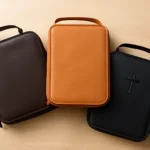
Soft-shell cases use fabrics like ballistic nylon, canvas, or microfiber with padding. They are lighter and more flexible than hard-shell designs, often featuring a zipper or flap closure. These are ideal for everyday carry in a backpack or car glove box, providing a balance of protection and portability.
Key strengths: lightweight, compact, easy to stow; often more affordable.
Potential drawbacks: less protection against sharp impacts; some models offer limited water resistance.
Best for: travelers who want a discreet, low-profile option for standard Bibles and activities that involve a lot of movement but not rough handling.
Neoprene sleeves and pouches
Neoprene sleeves function like a wetsuit for your Bible, cushioning against minor bumps, moisture, and abrasion. They are particularly popular for casual daily carry, gym bags, and travel in climates with variable humidity. Neoprene sleeves range from basic, single-layer designs to multi-pocket organizers with inner sleeves for notes, pens, or prayer cards.
Key strengths: flexible fit, water resistance, and a snug carry experience; often affordable.
Potential drawbacks: minimal protection against heavy impacts; not ideal for rugged environments.
Best for: gym trips, daily commutes, and as a sleeve inside a larger bag or briefcase.
Folio-style organizers
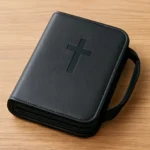
Folio-style organizers resemble a compact binder or journal. They typically open like a book cover and may include slots for Bible pages, a notepad, and writing instruments. Some folios have a belt clip or strap, making them easy to access during travel or preaching engagements.
Key strengths: quick access to verses and notes; excellent for study use and teaching scenarios.
Potential drawbacks: bulkier than a simple sleeve; may not offer water protection unless paired with a protective outer layer.
Best for: long-study trips, mission trips with teaching sessions, and ministries that require correlated study materials.
Leather and vegan leather cases
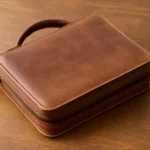
Leather and vegan leather cases offer a traditional, durable, and aesthetically pleasing solution. Full-grain leather, bonded leather, or synthetic leather options provide a professional look and long lifespan when cared for properly. Some designs combine a leather exterior with a padded interior for added protection.
Potential drawbacks: higher initial cost; leather requires maintenance to prevent drying and cracking.
Best for: pastors, lecturers, and travelers who prioritize presentation and longevity.
Compact pouches and carry bags
Compact pouches and carry bags are small, versatile carriers that can accommodate a Bible plus a few essentials like a bookmark, notes, and a pen. They are often designed with belt loops or detachable straps for easy travel. Many pouches are water-resistant and come with slim profiles that slip into a larger tote or backpack without adding bulk.
Key strengths: ultra-portable; low cost; suitable for quick trips and minimal gear.
Potential drawbacks: limited space for larger Bibles; less rigid protection.
Best for: pocket-sized or compact Bibles and travelers who want minimal equipment with maximum mobility.
Specialty cases are designed to cradle study Bibles—often larger, thicker, and with more fragile bindings. These might feature reinforced corners, extra padding, and interior pockets for study notes, highlighters, and a digital device. They are the go-to option for academic travelers and ministry leaders who carry reference materials alongside the Bible.
Key strengths: tailored fit for large Bibles; reinforced protection for high-value editions.
Potential drawbacks: higher price; may be bulkier than standard cases.
Best for: seminar attendees, pastors, and students who travel with study aids.
Material matters: what they’re made of and why it matters
The durability and effectiveness of a Bible case hinge largely on materials. The right combination can dramatically extend a case’s life, maintain the Bible’s condition, and enhance user experience in travel contexts. Here are common materials and what they contribute to a case’s performance.
Exteriors: Polypropylene, polycarbonate, EVA foam, ballistic nylon, canvas, leather, and synthetic leather. Hard shells often rely on rigid plastics or composites for impact resistance, while soft shells use durable fabrics that resist tearing and abrasion.
Padding: Foam inserts and microbeads dampen shocks and prevent page damage. High-density foam can resist crushing when a bag is set down or bumped.
Liners: Microfiber or felt linings protect the Bible’s cover and pages from scratches and dust. A soft lining reduces noise from movement inside the case during travel.
Water resistance: Water-repellent coatings, PVC or TPU linings, and sealed zippers help protect against rain, splashes, and accidental spills. Fully waterproof cases exist but are typically heavier and more specialized.
Closures: Zippers with metal sliders for durability, magnetic clasps, or Velcro systems. The best closures are designed to be reliable with frequent use and in cold weather or damp conditions.
Hardware: D-rings, carabiner attachments, and reinforced handles. Hardware should be corrosion-resistant to handle humidity and sweat during long trips.
Design features that protect and organize
Beyond material choices, thoughtful design features determine how well a Bible case supports travel routines. Consider these elements when evaluating options:
Impact protection: Rigid shells, reinforced corners, and plush interiors prevent warping and binding tears in the Bible.
Water protection: Sealed seams and water-resistant fabrics keep moisture at bay during rain, river crossings, or humid climates.
Accessibility: Easy-open zippers, magnetic closures, or quick-release straps enable one-handed access, which is useful in places like church services or airport security lines.
Organization: Internal pockets for prayer cards, bookmarks, pens, highlighters, and notes help keep study materials orderly.
Carrying options: Handles, padded shoulder straps, or belt attachments offer flexibility in how you transport your Bible case.
Security: Some cases include lockable zippers or anti-theft features, which can be important in crowded travel hubs or luggage holds.
Customizability: Adjustable dividers or removable inserts let you tailor the interior to your specific Bible format and accessories.
Aesthetics: The look and feel of a case can reflect personal taste or ministry branding, from understated black nylon to rich leather finishes.
Size and fit: how to know what you need
Correct sizing is essential for protection and portability. Bibles come in many shapes and thicknesses, from pocket editions to oversized study Bibles with note-taking margins. Here’s a practical approach to determine the right size of a case.
Measure your Bible: Record the height, width, and thickness when the Bible is closed. Include any added cover or case that you typically use.
Account for accessories: If you carry a notebook, pen, highlighters, or a compact Bible dictionary, add a small amount of extra space to avoid pressure on the pages.
Consider expandability: Some cases offer flexible interior dividers or expandable compartments, which can accommodate growth in your library or changes in edition sizes.
Check the opening style: If you prefer quick access, choose a case with a broad opening or an exterior pocket for fast retrieval of a preferred translation or reading plan.
Think about weight: A heavy hard-shell case adds protection but can impact overall carry weight during long trips. Balance protection with practical weight considerations.
Practical travel scenarios: where different cases shine
Travel environments vary widely. A case that excels on a mission trip in rough terrain will differ from one that is ideal for airport layovers or church conferences. Here are typical scenarios and the best-fit options for each.
Air travel and airport layovers
On airplanes and in airports, accessibility and compactness are paramount. A compact soft-shell case or neoprene sleeve that slides easily into a carry-on or backpack tends to be the most convenient. Features to look for include a low-profile zipper, a secure carry handle, and moisture resistance against incidental spills on a humid plane. If you anticipate rough handling, a slightly cushioned hard-shell option may offer peace of mind without adding unnecessary bulk.
Road trips and car travel
Road trips often involve frequent loading and unloading, highway dust, and occasional rain. A water-resistant soft-shell case with reinforced handles or a folding travel folio that can stand upright on a seat or console is advantageous. Internal pockets for a travel prayer journal, a compact Bible dictionary, and spare notes can make long drives more productive and spiritually focused.
In group settings, durability and organizational capacity are crucial. A durable hard-shell case with lockable zippers and interior dividers helps keep personal Bibles secure and separates them from communal materials. For large groups, cases with strap attachments or belt loops can be clipped to backpacks or duffel bags, keeping the Bible within easy reach.
Outdoor and wilderness travel
For hikers, campers, and volunteers in remote areas, a rugged option with water resistance and rugged exterior protection is ideal. Consider a rugged hard-shell or heavy-duty ballistic nylon case with an interior foam lining. A detachable shoulder strap and a carabiner-ready loop add versatility when you need to clip the Bible to a pack or belt.
Professional and ministry travel
Public speaking, seminars, and preaching engagements demand a case that looks professional and keeps the Bible pristine. A premium leather or vegan leather folio with a sleek silhouette and organized interior pockets communicates care for the sacred text while providing practical space for notes and business cards.
Care, maintenance, and longevity
Durability is not only about the initial build; it’s also about proper care. The longevity of a Bible case depends on how well you maintain it and how you store it when not in use. Consider these maintenance tips to maximize lifespan and preserve the Bible’s condition.
Clean regularly: Wipe fabric surfaces with a damp cloth; for leather cases, use a complementary leather conditioner as recommended by the manufacturer. Avoid harsh chemicals that can degrade finishes.
Dry thoroughly: If the case gets wet, dry it completely before storing. Moisture inside a closed bag can lead to mold or odor development.
Protect zippers: Keep zippers clean and lightly lubricated with a proper zipper lubricant to prevent sticking, especially in humid environments.
Avoid overpacking: Do not stuff the interior beyond its intended capacity; crowding can strain seams and damage the binding of the Bible over time.
Store properly: When not in use, store the case in a cool, dry place away from direct sunlight to prevent material deterioration and color fading;
Inspect periodically: Check for wear on handles, straps, and corners. Early repair is easier and cheaper than later replacements.
Choosing the right case: a practical buying guide
Choosing the right Bible case involves balancing your Bible size, travel style, climate, and budget. The following considerations will help you make an informed choice:
Bible size and edition type: Large study Bibles with wide margins may require a bigger, sturdier case with additional padding. Pocket Bibles require compact sleeves. Measure height, width, and thickness to determine fit.
Protection level: If you travel with high-end bindings, opt for a case with robust padding and a rigid exterior. For casual use and mild climates, a soft-shell or neoprene sleeve may suffice.
Water resistance: Consider your typical environment. If you frequently encounter rain or humidity, prioritize water-resistant fabrics and sealed closures.
Access and speed: If you need fast access during services or teaching, choose a design that opens easily or provides a quick-access exterior pocket.
Carrying options: Do you prefer a handle, a shoulder strap, or belt clip? Some travelers benefit from multiple options so the case can attach to a pack or sit comfortably in a car seat pocket.
Security: For travel in busy or shared spaces, consider lockable zippers or anti-theft features where available.
Maintenance and care requirements: Leather options bring a certain elegance but require occasional conditioning. Fabric cases may be easier to care for but can show wear in high-use scenarios.
Budget: There are essentials and premium options. Decide whether you want a cost-effective sleeve for daily use or a long-lasting investment piece with a lifetime warranty.
Brand reputation and warranty: Read user reviews about durability, zipper quality, and customer service. A solid warranty can be a useful indicator of long-term value.
Cost tiers and practical recommendations
Prices for Bible cases vary widely depending on materials, size, and features. Understanding typical price ranges can help you align expectations with your budget.
Budget options: Simple neoprene sleeves and lightweight soft-shell pouches typically range from $5 to $20. These are great for pocket Bibles and light travel where minimal protection is acceptable.
Mid-range choices: Durable soft-shell cases, compact pouches with multiple pockets, and entry-level leather or vegan leather options generally cost between $20 and $60. They balance protection, style, and versatility.
Premium selections: Hard-shell cases, high-quality leather or vegan leather folios, and mission-ready organizers with reinforced corners and advanced water resistance may range from $60 to $200 or more. These are designed for frequent travelers and those who want long-lasting, professional presentation.
When evaluating price, consider not only the upfront cost but also longevity, warranty terms, and how the case enhances your travel workflow. A slightly higher initial investment may yield better protection, less frequent replacement, and improved ease of use over time.
Care tips specific to different materials
Different materials require tailored care to maximize lifespan. Here are material-specific tips you can follow irrespective of the brand:
Leather: Clean with a soft, damp cloth. Use a leather conditioner periodically, especially in dry environments. Avoid prolonged exposure to direct heat and sunlight, which can dry out and crack leather. Store with a breathable cloth dust bag to reduce moisture buildup.
Vegan leather: Wipe with a mild soap solution if soiled; avoid harsh solvents. Some vegan leathers benefit from light conditioning with products designed for synthetic materials. Keep out of extreme heat to prevent cracking or warping.
Fabric and nylon: Brush away dust and wipe with a mild soap solution. For water-repellent fabrics, reapply a fabric protector as needed to maintain resistance to moisture.
Foam padding: Do not compress foam excessively; store with some air to prevent deformation. If the case is dropped hard, check for interior shifting that could affect Bible protection.
FAQs: common questions about Bible cases for travel
Below are answers to questions travelers frequently ask when selecting a Bible case. This quick reference can help you narrow your choices during shopping:
Will a hard-shell case protect a leather-bound Bible? Yes, a hard-shell case provides stiff protection against crushing and impacts. Pairing it with a soft interior lining minimizes abrasion on the leather binding.
Is water resistance enough for rain and splashes? For most travel in mild climates, water-resistant fabrics and sealed zippers are adequate. If you expect submersion or heavy rain, opt for a fully waterproof option or a protective outer layer in addition to a water-resistant case.
Can I fit other items with my Bible? Many cases include pockets for a notebook, pen, and highlighters. If you carry larger study materials, choose a folio or a larger hard-shell case with removable inserts.
Should I worry about security? If you’re traveling in crowded areas, a case with lockable zippers and concealed pockets can deter casual theft while still providing convenient access when needed.
How much protection do I need? For everyday travel and light adventures, a soft case or neoprene sleeve is often sufficient. For frequent trips, rough environments, or high-value editions, prioritize hard-shell protection and reinforced construction.
Accessibility and user experience: making travel smoother
Beyond protection, a Bible case should streamline your travel routine. Here are considerations that affect the day-to-day experience:
Ease of access: Quick-release clasps, broad openings, and exterior pockets allow you to retrieve a translation or a reading plan without fumbling through a bag.
Weight distribution: A well-balanced case with a padded strap distributes weight and reduces shoulder fatigue during long days of meetings or travel.
Interior organization: Dividers and pockets for notes, highlighters, and a compact devotional can help you stay organized during retreats or conferences.
Visibility and labeling: Some cases feature clear interior pockets or exterior branding to help you identify your Bible quickly in a crowded travel setting.
Ethical and environmental considerations
As with many travel accessories, environmental impact and ethical manufacturing are important for some buyers. When evaluating Bible cases, you may consider:
Material sourcing: Leather that comes from responsibly managed tanneries; vegan options with recycled or cruelty-free materials.
Durability and waste: A longer-lasting case reduces waste from frequent replacements. A sturdy, repairable option can be a more sustainable choice in the long run.
Manufacturing practices: Brands that publish transparent factory standards, fair labor practices, and certifications may align with your values.
Creative variations: semantic breadth in naming and describing cases
To capture the broad ways people discuss Bible cases, it helps to use varied terminology. Here are phrases and descriptors you may encounter or want to use in content, reviews, or product comparisons:
Bible cover vs Bible case: A cover often emphasizes protection of the binding, while a case implies a dedicated container with structural integrity.
Travel Bible sleeve vs protective Bible pouch: A sleeve typically hugs the Bible with little extra bulk; a pouch may include additional pockets and features.
Folio organizer for study Bibles: Emphasizes arrangements for notes, margins, and references.
Hard-shell protective case vs soft-shell protective sleeve: Distinguishes between rigid protection and flexible, lighter options.
Leather binding case with reinforced corners speaks to premium protection in professional contexts.
Conclusion: choosing durability, accessibility, and peace of mind
For travelers who treat the Bible as a trusted companion, durable protective Bible cases are more than accessories—they are an essential part of safeguarding a sacred text, supporting daily devotion, and enabling ministry on the move. By understanding the range of options—from hard-shell guardians to lightweight sleeves, from leather classics to utilitarian folio organizers—you can select a case that aligns with your Bible’s size, your climate, your packing style, and your budget. The right choice offers reliable protection, easy access, and lasting usability, turning travel into a smoother, more focused journey through Scripture. Whether you’re a student traveling between campuses, a pastor visiting congregations, or a layperson touring with a mission team, the goal is the same: keep the Bible in pristine condition while keeping your hands free for the road ahead.
As you finalize a decision, consider creating a short checklist tailored to your needs: size compatibility, level of protection, carrying options, interior organization, climate suitability, maintenance requirements, and price range. With a thoughtful approach, you’ll find a case that not only carries your Bible but also supports your practice of reading, study, and ministry wherever your travels take you.