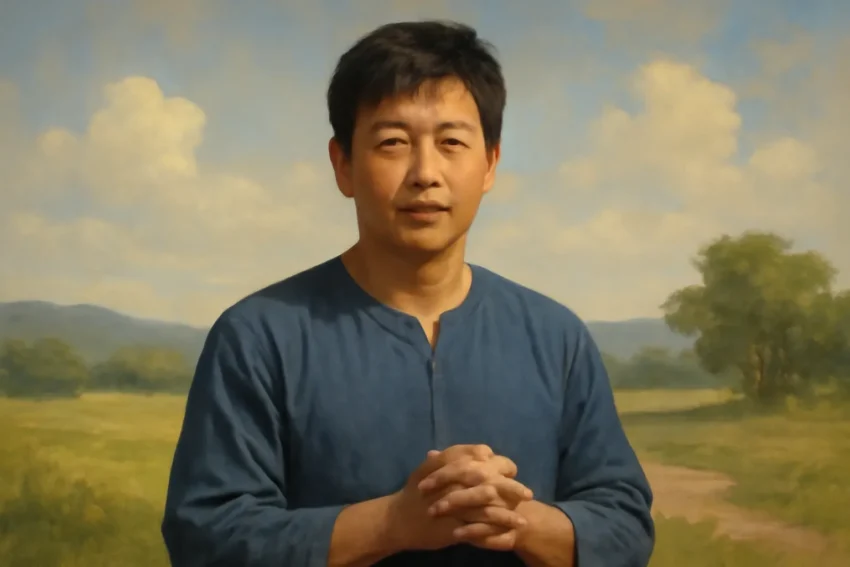
Introduction: The Heavenly Man and a Faith-Filled Perseverance
When we speak of Christian resilience in the face of oppression, the story of Brother Yun—often referred to as the Heavenly Man—stands as a compelling testament. This biography, widely known through the eponymous book and numerous interviews, chronicles a life shaped by faith, prayer, and a relentless commitment to sharing the gospel even under intense pressure. The narrative of Yun (a name used by supporters and readers alike) offers not only a historical account of persecution in modern China but also enduring reminders about the power of prayer, perseverance, and mission-minded courage.
This article presents an informative overview of the life and legacy of Brother Yun the Heavenly Man, examining the biographical arc, the spiritual convictions that animated his actions, and the broader impact on readers and Christian communities worldwide. While the tale contains extraordinary episodes, the overarching message emphasizes consistent faithfulness, communal support, and the courage to persist in the conviction that life can be transformed by encounters with grace.
Who is Brother Yun? A Portrait of the Heavenly Man
The figure widely known as Brother Yun rises from a complex historical moment in China’s late-twentieth-century religious landscape. In the narratives circulated by his supporters, the heavenly-manned witness is presented as a man whose life was shaped by the convergence of evangelistic zeal, pastoral tenderness, and a willingness to endure hardship for the sake of the gospel. His sobriquet, the Heavenly Man, captures a sense of spiritual authority and supernatural confidence reported by those who encountered his ministry or read his testimony.
Across many retellings, this figure is portrayed as a pastor, evangelist, and mentor who traveled to encourage believers, often in environments hostile to faith. The text frequently emphasizes how persecution and imprisonment did not extinguish his faith but, in many accounts, deepened it. Readers encounter a narrative that juxtaposes vulnerability with bold proclamation, fear with fearless hope, and earthly limitations with a sense of divine provision.
It is important to recognize that the life of the Heavenly Man is embedded in a broader historical and religious context. The story belongs to a milieu in which many Christians faced surveillance, harassment, and punitive measures because of their beliefs. As a result, the experiences recounted by Brother Yun—whether through personal testimony, biographical retellings, or the book that bears his name—serve as both inspiration and invitation for readers who seek to understand how faith can endure under pressure.
The Early Years: Foundations of Faith
In many accounts, the origin of the path that leads to the Heavenly Man’s ministry lies in a childhood and adolescence marked by the presence of faith in the home and community. While precise biographical details may vary among sources, the consistent themes center on a growing awareness of spiritual truth, a sense of calling, and the formation of a personal relationship with God that would anchor his life through decades of challenge.
The early chapters of this story emphasize:
Religious education and exposure to Christian communities that nurtured moral conviction.
A budding sense of evangelistic missional impulse, a desire to communicate faith beyond familial circles.
Experiences of discipline and perseverance that prepared him for hardship as a public figure of faith.
Readers who study the predecessor phases of this narrative often note that the foundations laid in youth and early adulthood contributed to the endurance demonstrated later in life. The combination of personal devotion and communal encouragement frequently appears as a recurring motif in analyses of the Heavenly Man’s journey.
Persecution, Imprisonment, and Trials: The Reality of Oppression
A central pillar of the Heavenly Man’s story is the recurring theme of persecution endured by believers in a restrictive political environment. From prison cells to house arrests, the accounts recount a life under constant pressure, where the integrity of faith was tested through deprivation, censorship, and risk.
The Prison Experience: A Test of Faith and Resolve
One of the most cited elements in the narrative is the time Brother Yun spent behind bars. In these chapters, the focus is not merely on the punishment but on the spiritual resilience that sustained him. Descriptions recount night watchfulness, the rhythm of singing hymns in confinement, and moments of private prayer that became sources of strength not only for him but for fellow prisoners.
Confrontations with Authority: From Censorship to Arrest
The Heavenly Man’s life is described as a sequence of encounters with authorities who sought to restrict religious gatherings and limit the spread of Christian teachings. In many narratives, the response was not retreat but perseverance—continuing to share the message with courage, often under the shadow of surveillance and consequences. The core claim is that faithful testimony can persist even under surveillance and fear.
Discipling the Community Under Duress
Despite personal risk, the seasoned pastor and evangelist is said to have remained active in encouraging local believers, visiting house churches, and providing guidance on living out faith in a climate of oppression. Some accounts emphasize the role of shared worship and mutual support as essential to sustaining hope when external circumstances were harsh.
The Miraculous Deliverances: The Heavenly Man’s Extraordinary Episodes
A defining feature of the Heavenly Man’s story, as presented to readers, is the recurrence of extraordinary deliverances. These episodes are recounted as moments where prayer, faith, and divine intervention intersect in remarkable ways. The emphasis in these sections is not simply on spectacle but on the theological claim that God is present in suffering and that steadfast faith can invite divine response.
Prayers That Move Mountains: The Role of Faith in Escape
In several narratives, the power of prayer is linked to physical release, safety, and the ability to continue ministry despite dangerous conditions. The accounts describe prayers offered under duress and the sense that God’s guidance directs decisions that lead to safer paths or renewed opportunities for ministry.
Survival and Sustenance: Biblical Promises in Real Life
The Heavenly Man’s life is portrayed as a living testament to the belief that God sustains believers in times of trial. The arcs of endurance often frame day-to-day survival—access to food, protection from harm, and the provision of resources—as acts of divine faithfulness that reinforce the conviction that prayer and obedience yield real outcomes.
Public Ministry in a Restricted Environment
Even when functionally limited by political power, the narrative asserts that the Heavenly Man found ways to proclaim the gospel. This included organized meetings, house churches, and private counsel with believers who longed for spiritual nourishment. The logic presented is that creative obedience and courageous witness can operate under suppression.
Across the accounts, the spiritual life of Brother Yun is positioned as a core engine for endurance and effectiveness. The emphasis on prayer, simple faith, and reliance on God’s sustenance is presented as a model for readers seeking practical ways to strengthen their own spiritual lives amidst pressure.
Constant prayer as a daily rhythm that shapes decisions and resilience.
Engagement with Scripture for guidance, encouragement, and doctrinal clarity.
Practice of evangelistic hospitality, opening homes and gatherings for others to encounter faith.
A posture of humility and servant leadership toward communities in need.
The narrative invites readers to consider how these practices might translate into modern life: in families facing challenges, in communities grappling with fear, and in individuals seeking to live out convictions with integrity.
Global Influence: From China to the World
The Heavenly Man’s biography has touched readers far beyond its country of origin. The stories of faith under pressure have resonated with a global audience, leading to translations, discussions in churches, and study groups that want to understand how perseverance takes shape in different cultural contexts. The book, and the figure at its center, is frequently cited in conversations about faith under persecution, the resilience of Christian communities, and the power of testimony to encourage others.
Impact on Missionary Thought and Christian Publishing
The life described in the Heavenly Man narrative has influenced missionary thinking by highlighting:
The importance of personal testimony as a vehicle for evangelism.
Strategies for relational ministry that flourish even when institutions are limited.
Interest in first-hand accounts of persecution and resilience as educational tools for churches and schools.
Additionally, readers explore how the tale frames theology of suffering, inviting discussion about the nature of trial, the purpose of faith, and the shape of Christian courage in contemporary life.
The Book as a Cultural Artifact: The Heavenly Man and Its Reception
The biography commonly associated with the Heavenly Man, and the life of Brother Yun more broadly, has contributed to a body of literature that blends testimony, doctrine, and historical context. The work is studied not only for its narratives of escape and endurance but also for its ethical and doctrinal implications: how does one understand miracles, divine intervention, and human responsibility in the midst of suffering?
Dialogues About Authenticity and Extraordinary Claims
Readers and skeptics alike have engaged with the more extraordinary episodes described in the accounts. Some scholars and readers emphasize the importance of distinguishing between the personal witnessing of faith and the verification of miraculous events. In this regard, critical examination and historical context become essential to constructive dialogue about faith, resilience, and mission in a modern setting.
Educational and Inspirational Use
In educational circles, the Heavenly Man’s story is employed to discuss topics such as persecution, civil liberties, religious freedom, and the role of hope in shaping behavior under pressure. For pastors, missionaries, and lay believers, the work provides a case study in how a life of faith can serve as a catalyst for church growth, discipleship, and evangelistic outreach.
Legacy: What We Learn from the Heavenly Man
The long arc of Brother Yun’s life, as presented in his story, offers several enduring lessons. While the specifics of events may vary by source, the core themes persist across retellings: unwavering faith, communal resilience, and a focus on the transformation of lives through the gospel.
Perseverance under pressure: Endurance is not merely surviving but continuing to act on beliefs in the face of adversity.
Power of communal support: Communities of trust provide strength and accountability to sustain mission work.
Prayer-driven living: A daily rhythm of prayer shapes decision-making and offers spiritual clarity.
Hope beyond circumstances: Faith emphasizes a larger divine narrative that transcends present difficulties.
Gospel courage: The call to share faith remains central even when risk increases.
The Heavenly Man’s legacy invites readers to reflect on how courage can be cultivated in ordinary life, whether in bustling urban centers or quiet rural settings. The lessons emphasize that faithfulness, not sensationalism, forms the true core of perseverance.
Criticisms, Cautions, and Responsible Engagement
As with many powerful biographical narratives, critical engagement is essential. Some readers may encounter questions about the balance between extraordinary personal experiences and verifiable historical events. Responsible engagement invites readers to:
Consider historical corroboration where possible, while recognizing the narrative frame and genre of personal testimony.
Acknowledge the cultural context that shapes stories of persecution and religious identity.
Evaluate the theological claims about suffering, grace, and divine intervention within one’s own tradition and community.
Balance admiration for steadfast faith with a careful approach to sensational elements, ensuring constructive dialogue instead of sensationalism.
The purpose of this section is not to diminish the power of the Heavenly Man’s story but to encourage thoughtful reading that respects both faith commitments and intellectual honesty. In engaging with this tale, readers are invited to connect its themes to real-world concerns: human rights, religious liberty, and the role of faith communities in promoting social justice.
Practical Takeaways: How to Apply the Heavenly Man’s Principles Today
Readers can translate the enduring principles of Brother Yun’s life into practical steps for contemporary living. The following list highlights actionable ideas inspired by his example, reframed for broad audience applicability.
Build personal resilience through regular prayer, scripture study, and community support.
Practice bold, compassionate witness in everyday situations—your workplace, neighborhood, and online spaces.
Foster small communities of care that encourage faithfulness, accountability, and mutual aid.
Develop a mission-oriented life by identifying local needs and offering practical assistance alongside spiritual guidance.
Guard integrity under pressure—maintain honesty, humility, and respect for others, even when circumstances tempt you to compromise.
These moves are not about replicating every extraordinary event but about harvesting the underlying virtues: steadfast faith, community resilience, and a commitment to the core message of hope that the Heavenly Man’s life represents.
Conclusion: The Lasting Message of the Heavenly Man’s Faith Journey
The enduring appeal of Brother Yun the Heavenly Man lies not only in the dramatic episodes but in the central conviction that faith can endure, transform, and mobilize communities even under duress. The narrative calls readers to consider how perseverance, prayer, and communal support can sustain a life of purpose in the face of fear, censorship, or physical danger. It invites a hopeful reflection: when believers persevere in faith, they may discover that the journey itself becomes a beacon—encouraging others to seek courage, serve generously, and live with integrity.
Across cultures and generations, the story of Brother Yun as the Heavenly Man remains a compelling case study in how faith can be lived out under constraint. Whether viewed as a historical biography, a devotional account, or a call to action for spiritual outreach, its core message endures: perseverance, prayer, and mission remain essential to a life that seeks to honor the divine, uplift communities, and witness to a transformative hope that transcends challenging times.
In exploring the fascinating life of this remarkable figure, readers are encouraged to engage with the material thoughtfully, drawing personal inspiration while maintaining a critical and compassionate approach to extraordinary claims. The Heavenly Man’s journey, in its fullness, offers a tapestry of faith, endurance, and steadfast love for others—a tapestry that continues to inspire readers around the world to pursue a courageous, compassionate, and committed faith.