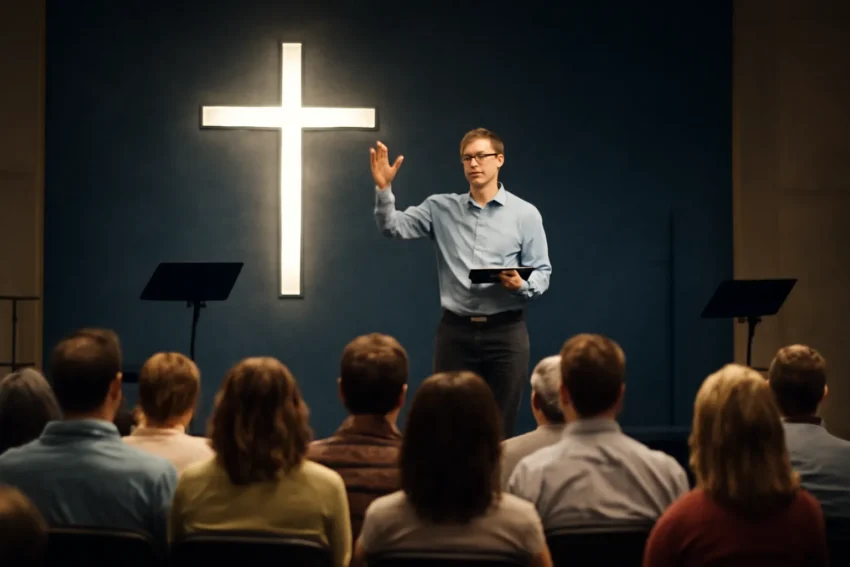
The landscape of Christian events stretches across continents, cultures, and communities. From intimate prayer circles in a neighborhood church to sprawling faith-based festivals that draw thousands, these gatherings serve as moments of worship, learning, service, and connection. This guide is designed to help you understand the spectrum of occasions that fall under the umbrella of Christian events, explore how they differ from one another, and offer practical guidance for choosing, attending, and benefiting from them. Whether you are seeking ecumenical conferences, a dynamic youth camp, a local prayer retreat, or a pilgrim’s journey, you will find here a thorough, accessible overview that can inform your planning and participation.
In broad terms, a Christian event is any organized gathering that centers on the Christian faith, its teachings, its worship, and its mission. The word “event” is intentionally inclusive: it encompasses festivals, conferences, seminars, retreats, pilgrimages, mission itineraries, concerts, prayer meetings, and community outreach efforts. Across denominations and traditions, faith-based gatherings share common purposes—spiritual nourishment, biblical education, fellowship, and service—while differing in format, scale, and emphasis. To appreciate the breadth of this domain, it helps to group them into several core categories and then explore each in depth.
Why participate in Christian events?
Spiritual growth: Exposure to sound teaching, fresh perspectives on Scripture, and opportunities for worship can deepen your faith and shape your daily life.
Community and fellowship: Being surrounded by peers who share your beliefs fosters encouragement, accountability, and friendship.
Learning and training: Educational tracks, theological studies, and practical ministry training equip you for service in church, mission, and society.
Worship and praise: Diverse worship expressions—contemporary bands, liturgical choirs, gospel ensembles—enrich spiritual experience and cultivate reverence.
Mission and service: Many gatherings catalyze outreach, philanthropy, disaster relief, and humanitarian projects, embedding compassion into action.
Identity and belonging: Large-scale events can connect regional churches or denominations to a global family, reinforcing a shared identity in Christ.
Categories of faith-based gatherings
Festivals and celebrations
Christian festivals and celebrations are occasions of communal joy, storytelling, and witness. They often blend worship, music, cultural expression, and teaching, sometimes anchored in a liturgical season and other times centered on a specific theme or mission.
Common forms of festival culture include:
Seasonal celebrations tied to the church calendar, such as Advent and Christmas, Lent and Easter, or Pentecost commemorations.
Gospel and Christian music festivals that feature artists, choirs, and congregational singing across genres—from hymns to contemporary worship to urban gospel.
Religious heritage and pilgrimage events that invite participants to reflect on history, saints, or biblical locations, often with guided tours, devotional stops, and teaching sessions.
Community outreach festivals that blend evangelistic preaching with family-friendly activities, food outreach, and volunteer opportunities.
Festival-style gatherings can take place at churches, regional parks, concert arenas, or international venues. They are ideal for people seeking a broad, immersive encounter with faith, culture, and community life. When choosing a festival, consider what you want to experience: doctrinal depth, worship style, cross-cultural exposure, or a strong emphasis on mission and service.
Conferences and seminars
Conferences and seminars focus on education, equipping, and discourse. They bring together speakers—pastors, theologians, missional leaders, scholars, and practitioners—to explore a theme in-depth, share research, and provide practical tools for ministry or personal growth. This category is often characterized by structured tracks, workshops, Q&A sessions, and opportunities for networking.
Key features of leadership conferences, theological seminars, and evangelism trainings include:
Expositional preaching and biblically grounded teaching
Workshop sessions on pastoral care, spiritual formation, discipleship, and community development
Panel discussions on contemporary issues such as justice, theology and technology, or global missions
Networking opportunities, mentorship, and collaborative planning for ministries
Attendees often leave with new strategies for church growth, personal leadership development, or a clarified approach to mission. If your goal is to deepen knowledge or sharpen practical skills, a biblical study conference or ministry training symposium can be particularly valuable.
Local gatherings and small groups
Not all Christian events are large-scale. Local gatherings—whether in a neighborhood church, campus ministry, or home setting—offer intimate fellowship and practical discipleship. Prayer meetings, cell groups, church plant gatherings, and community outreach nights are examples of how faith-based life is cultivated in daily rhythms.
Benefits of participating in local church gatherings include:
Regular opportunities for accountability, encouragement, and mutual care
Accessible entry points for newcomers or families with busy schedules
Spaces for intergenerational learning, worship, and service projects
Hands-on ministry experiences within the local context
Retreats and spiritual disciplines
Retreats provide space for quiet, reflection, and intentional practice. They range from guided retreats with facilitators to silent retreats focused on contemplation, prayer, and spiritual formation. Spiritual disciplines—such as fasting, contemplative prayer, journaling, and Sabbath rest—are often introduced or cultivated in these settings.
Consider the following aspects of retreat experiences:
Structured time for worship, confession, and personal devotion
Academic or devotional inputs alongside free time for contemplation
Healthy boundaries for pacing, electronics use, and community living
Guidance on integrating retreat insights into everyday life
Retreats can be national, regional, or hosted by a local church. They are especially useful for those needing spiritual renewal, mentorship, or an extended period away from daily routines to hear from God and refocus priorities.
Pilgrimages and mission trips
Pilgrimages and mission-oriented travel emphasize journey with purpose. A pilgrimage often blends historical or sacred sites with devotional practice, reflection, and prayer. A mission trip or outreach excursion mobilizes teams for service—building projects, medical outreach, literacy programs, or disaster relief—while presenting opportunities for evangelism and cultural exchange.
Good planning in this domain includes:
Clear objectives—spiritual growth, service impact, or cross-cultural learning
Preparation in language basics, cultural norms, and safety protocols
Long-term linkages with local churches or mission partners to ensure sustainable impact
Reflection and debrief processes to integrate lessons learned into home contexts
Planning and attending Christian events
Choosing the right event
Selecting the right church event or faith-based gathering begins with discernment about your goals and current season of life. Here are practical questions to guide your choice:
What is my primary objective—worship, teaching, leadership development, or mission exposure?
Does the event align with my theological convictions and denominational stance?
What is the cost, and what travel, lodging, or time commitments are required?
Are there tracks or sessions that fit my gifts, responsibilities, and ministry context?
What provisions exist for accessibility, family needs, and inclusion?
When in doubt, seek recommendations from pastors, mentors, or trusted Christian networks. Attending a sample session or a shorter preview can help you assess fit before committing to a longer conference or festival.
Practical tips for attending
To make the most of any faith-based gathering, consider these practical pointers:
Register early to secure best rates and options for housing or meals
Plan your schedule around keynote sessions, workshops, and worship times
Make room for networking while being mindful of personal boundaries and boundaries of others
Engage with speakers, ask questions, and take notes for application
Coordinate with a prayer partner or accountability friend to reflect on the experience together
Follow up after the event with ministry contacts, volunteer opportunities, or study groups
Budget management is essential. Beyond registration fees, account for travel, lodging, meals, and incidental costs. Look for discounts, group rates, and scholarships offered by churches, denominations, or youth ministries. Hybrid or virtual options can also provide a more affordable pathway to participation when distance or time is a barrier.
Faith and learning: what you can gain
Worship and music as a transformative practice
Worship is a central pillar of most Christian events. Worship experiences vary widely—hymnody, contemporary praise bands, gospel choirs, or liturgical choirs—yet all share the aim of lifting the heart toward God. For many attendees, robust worship catalyzes spiritual receptivity and fosters unity among diverse participants. In addition to corporate singing, expect moments of adoration, confession, and response to the gospel.
Beyond musical styles, the intentionality of worship at large events often includes liturgical rhythms, opportunities for congregational participation, and moments of silence or reflective prayer. If you appreciate tradition, you may gravitate toward formal systems of liturgy and sacramental elements; if you prefer immediacy, contemporary worship and dynamic preaching may be more engaging. Both pathways can synergize to produce a meaningful encounter with the divine.
Educational tracks and theological insight
Many non-profit and church conferences emphasize biblical teaching, doctrinal clarity, and practical theology. You can expect:
Expository or thematic preaching
Workshops on discipleship, spiritual formation, and church leadership
Guided Bible study methods, hermeneutics basics, and interpretation skills
Discussions on ethics, social justice, and the church’s role in the public square
These educational components are designed to empower believers to think theologically, act pastorally, and apply scriptural truths to contemporary contexts—from family life and workplace ethics to community service and global missions.
Global perspectives: major Christian events worldwide
Christian events are a global phenomenon. While local and regional gatherings are vital for community life, international conferences and world-guided programs offer exposure to a broader church family and cross-cultural practice. Here are representative categories and examples that illustrate the breadth of the global ecosystem:
Ecumenical assemblies that seek unity across denominations, such as regional or national gatherings sponsored by councils and associations of churches.
World Christian conferences or global prayer initiatives that bring together diverse speakers and participants to address shared concerns like evangelism, justice, and biblical education.
Mission conferences that connect sending churches with field partners, often accompanied by fundraising, training, and cross-cultural immersion.
Pilgrimage routes to sacred sites respected across Christian traditions, which provide historical context, spiritual reflection, and communal worship in a transnational setting.
Global gatherings often feature translation services, intercultural workshops, and opportunities to learn from peers who practice Christianity in different socio-economic contexts. They remind participants that faith is not only personal but also communal and global in scope.
Regional and cross-cultural gatherings
Regional events tailor experiences to local languages, cultures, and ministry needs while maintaining a common Christian core. Cross-cultural gatherings, meanwhile, deliberately mix participants from varied backgrounds to encourage mutual learning, reconciliation, and shared mission. These events require sensitivity to translation, cultural norms, and inclusive leadership practices, but they also offer rich learning experiences that broaden understanding and empathy.
Accessibility, inclusion, and the rise of digital access
In recent years, accessibility has become a central consideration for Christian events. A growing number of gatherings offer hybrid formats—live in-person experiences with live-streamed sessions, on-demand libraries, and interactive online workshops. This trend expands reach to people who cannot travel due to health, family responsibilities, or financial constraints, while also providing a flexible option for ongoing education and fellowship.
Key aspects of accessibility include:
Accessible venues with wheelchair access, prayer rooms, and quiet spaces
Interpretation services for non-native speakers or the hearing impaired
Content that is inclusive of diverse ages, family structures, and cultural backgrounds
Digital resources, such as apps, transcripts, and online study guides
Inclusive planning also means considering affordability, scholarships, and volunteer opportunities that help people participate meaningfully. It means prioritizing safe spaces where questions can be asked, differences can be discussed respectfully, and everyone can contribute to the shared experience of faith through service or participation.
Safety, stewardship, and responsible attendance
As with any large gathering, Christian events bring responsibilities for safety, stewardship of resources, and ethical considerations. Organizers should provide clear health and safety protocols, respect for privacy, and transparent policies on fundraising and donations. Attendees can contribute by:
Respecting guidelines for behavior, personal space, and inclusivity
Treating volunteers and staff with gratitude and patience
Being mindful of personal information and safety while networking
Engaging in voluntarism, whether through on-site service projects or post-event outreach
Practicing discernment about theological or ideological extremes and seeking trusted guidance when needed
Creating a personal plan for ongoing participation
To transform participation in faith-based gatherings into lasting impact, it helps to adopt a plan that combines spiritual goals with practical steps. Consider the following framework:
Define your aim: Is your goal primarily study, worship, mission, or community-building?
Schedule and pacing: Balance major events with ongoing local activities to avoid burnout
Accountability: Partner with someone who can pray with you, help you implement lessons, and track progress
Application: Translate insights into concrete behaviors at home, church, and workplace
Follow-up network: Connect with mentors, study groups, or local ministries to sustain momentum
When you approach Christian events with a plan for growth and service, you transform the experience from a passive encounter into a catalyst for lasting change. The Apostle Paul’s exhortation to “encourage one another and build one another up” (1 Thessalonians 5:11) can serve as a guiding principle for your participation in both local gatherings and global conferences.
Local impact: church communities and neighborhood outreach
Local churches often act as the training ground and launching pad for broader involvement. A thriving calendar of local church gatherings includes:
Weekly worship services with sermons that connect Scripture to everyday life
Midweek Bible studies that deepen understanding and fellowship
Community service nights, food drives, and neighborhood prayer walks
Youth ministries and family ministry events that cultivate faith in younger generations
Administrative and leadership development programs that prepare volunteers and staff for growth
Even as you participate in external conferences or festivals, the local church remains the primary ecosystem for spiritual formation. It is in these communities that you can practice learned principles in real-life contexts, build lifelong relationships, and contribute to ongoing mission and service within your own neighborhood.
Prayer, reflection, and scriptural grounding in events
Christian events are not just social or educational experiences; they are spiritual disciplines that invite God to work in hearts and minds. Many gatherings intentionally include spaces for prayer, confession, and seeking God’s guidance. You may encounter:
Moments of silent reflection or guided contemplative practice
Prayer rooms, intercession teams, and corporate confession
Scripture-driven workshops that help participants apply biblical truths in practical settings
Testimonies of faith and expressions of gratitude that strengthen communal faith
For believers, these components cultivate humility, dependence on God, and a posture of service. They remind participants that Christian life is not merely about learning information but about forming character and aligning daily life with God’s will.
How to measure the impact of Christian events
Assessing the value of a faith-based gathering can be nuanced. Here are practical benchmarks you can use to evaluate impact:
Spiritual growth: Are you experiencing deeper prayer, more consistent Bible engagement, or clearer discernment about life choices?
Community connections: Have you built meaningful relationships with mentors, peers, or ministry partners?
Skill development: Did you gain practical tools for leadership, outreach, or service?
Action steps: Have you and your group committed to concrete next steps—volunteer roles, outreach plans, or study tracks?
Sustainability: Are you continuing the relationships and disciplines beyond the event, contributing to ongoing growth?
Reflecting on these questions after an event helps ensure that participation translates into lasting transformation rather than a temporary experience. The aim is not simply to attend but to carry the impulse of faith into daily life and into the life of the church and community.
Sample itineraries: imagining a year of Christian events
To illustrate how a thoughtful calendar of Christian gatherings might unfold, here are two sample itineraries designed for different life circumstances. These are templates to show how to combine festivals, conferences, and local activities for sustained spiritual growth.
Example A: A church member focused on discipleship and outreach
Winter: Local prayer retreat (2 days) followed by a house-to-house outreach initiative
Spring: Regional leadership conference with workshops on evangelism and community health
Summer: Mission-focused festival with vacation Bible school partners and a short-term service project
Fall: Bible exposition conference and a city-wide prayer walk
Winter: Local church anniversary celebration and an ongoing small-group study on spiritual disciplines
Example B: A student or young adult seeking theological grounding and peer community
Autumn: Campus ministry retreat with mentor sessions and study groups
Winter: National youth conference featuring dynamic speakers and worship bands
Spring: Global missions weekend at a partner church, with fundraising and awareness campaigns
Summer: Short-term mission trip abroad or service project at home, with a post-trip debrief
Autumn: Local church plant night with mentorship and leadership training for students
These itineraries show how local gatherings, conferences, and festivals can complement one another over the course of a year, shaping a rhythm of faith, service, and community.
Choosing language and framing for diverse audiences
When writing about or presenting Christian events, consider the language that will resonate with your audience. Variations such as faith-based festivals, church conferences, biblical seminars, spiritual renewal retreats, and ministries conferences reflect different emphases while pointing toward shared aims. Inclusive framing can help audiences understand that these gatherings are not only for trained clergy or longtime members but for families, students, and newcomers seeking a meaningful encounter with God and with the body of Christ.
Resourcing and ongoing learning
There is a growing ecosystem of resources designed to support individuals and communities who participate in Christian events. These include:
Study guides and digitally available sermon series from major conferences
Mobile apps that help attendees schedule sessions, access notes, and locate nearby partners for ongoing fellowship
Volunteer catalogs and mission partner directories to connect participants to service opportunities
Community forums and alumni networks for post-event accountability and learning
Utilizing these resources helps turn the momentum of an event into a sustained practice of faith, study, and service. A well-curated set of materials can bridge the gap between a one-time experience and a long-term journey of spiritual formation.
Conclusion: the enduring value of Christian events
Christian events represent more than scheduling and logistics. They are avenues for encountering God, growing in knowledge, and joining with others in mission and mercy. Whether you are drawn to the vibrancy of a festival, the depth of a conference, or the intimacy of a local gathering, these experiences invite believers to press into God’s calling, renew their commitments, and participate in the larger story of God’s redemptive work in the world. As communities converge for worship, teaching, service, and prayer, lives are shaped, churches are strengthened, and neighbors encounter the gospel in fresh, tangible ways.
In the words of Scripture, where two or three gather in Christ’s name, He is in the midst of them. May your participation in Christian events bring you closer to God, connect you with a supportive spiritual family, and inspire you to live out your faith with courage, mercy, and joy.