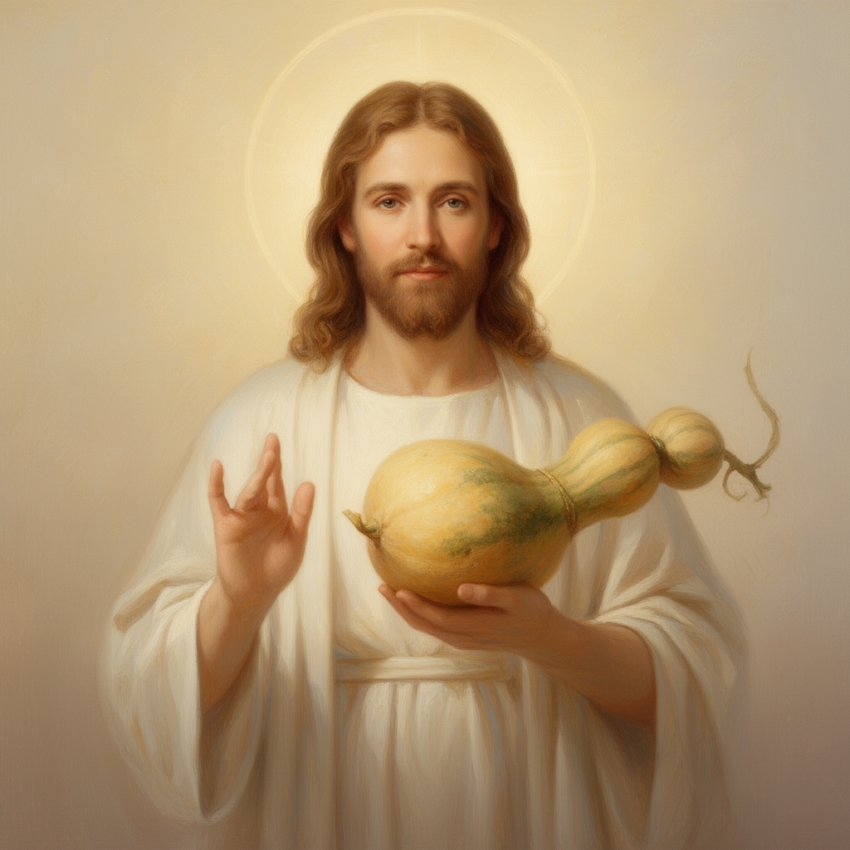
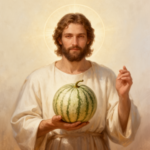
The gourd vine of Sukkot likely refers to a fast-growing, sprawling vine with large, broad, lobed leaves. It produces flowers that are yellow or orange, leading to distinctive gourds or elongated fruits used historically as containers or for decoration. The plant thrives in warm, dry climates, prefers well-drained soil, and can reach up to 10 meters in length when climbing. Its fruits are typically large, bottle-shaped, or ovate, with a hard shell, and can be used for food, decoration, or storage, making it highly versatile in ancient Near Eastern agriculture.
Scientific Name
Debated (Cucurbita spp. or Lagenaria spp.)
Hebrew/Greek Name
עֲרָֽבָה (Arava), transliteration: 'Arava'
Common Names
Gourd Vine, Lagenaria, Bottle Gourd
Native Habitat
Native to the Middle East and North Africa, its natural range includes regions with hot, arid, or Mediterranean climates. It grows spontaneously along riverbanks, mullis, and cultivated fields, favoring sunny, well-drained soils with moderate rainfall.
First Biblical Mention
Leviticus 23:40
📖 Biblical References
Reference
Context
Significance
Leviticus 23:40
Instructions for the Feast of Sukkot, where a fruit of goodly trees, palm branches, and boughs are used.
The use of gourds or similar plants symbolizes abundance, shelter, and divine provision, reflecting themes of protection and gratitude during the festival.
Isaiah 41:19
God promises to plant trees and create flourishing landscapes, mentioning the ‘cedar,’ ‘myrtle,’ and possibly gourds as symbols of renewal.
Illustrates divine blessing through the depiction of thriving plants, including those used in festival rituals like Sukkot.
The gourd vine in biblical symbolism represents abundance, divine provision, and shelter. During Sukkot, it underscores themes of gratitude for harvest and God's protection over His people. Its pervasive growth signifies life's sustenance and divine care, reminding believers of God’s nurturing presence. The hard shell of gourds can symbolize protection from adversities, while the sprawling vine reflects dependence on divine grace and the interconnectedness of creation. As a living, growing plant used during a festival of thanksgiving, it embodies renewal, prosperity, and God's faithful provision, serving as a reminder of divine shelter and hope amidst life's uncertainties.
🏺 Cultural Uses in the Ancient World
Ancient Israelites cultivated gourds for various purposes: as containers due to their hard shells, as food when young, and for decorative or ritual uses in festivals. The plant's versatility extended into medicine, where parts were used to treat ailments like swelling and skin conditions. Its sturdy, lightweight shells made gourds valuable in trade and craftsmanship, and some gourds held symbolic roles in rituals related to harvest and protection. The plant’s presence in festival scenes illustrates its importance as a symbol of sustenance and divine blessing in ancient Near Eastern life.
✡️ In Jewish Tradition
In Jewish tradition, the gourd (specifically the Lagenaria or bottle gourd) is associated with Sukkot, symbolizing gratitude and divine provision. It appears in rabbinic texts emphasizing the importance of harvest symbols in the festival. Some customs include placing gourds in sukkahs or using them in decorations, reflecting the biblical themes of shelter and blessing. The plant also sometimes appears in aggadic stories symbolizing sustenance and divine care, reinforcing its spiritual significance during this holy season.
Christian interpretations view the gourd as a symbol of divine providence, spiritual growth, and harvest blessings. Its imagery often appears in sermons and teachings emphasizing God's sustenance and the fruitful life in Christ. The vine's sprawling nature signifies spiritual outreach and the nurturing aspect of faith, paralleling biblical references to spiritual nourishment and shelter under God's care. During harvest festivals, the gourd underscores themes of thanksgiving and divine generosity, aligning with Christian reflections on God’s provision.
🔬 Modern Botanical Identification
Scholars generally identify the biblical gourd vine as belonging to the Cucurbitaceae family, including varieties of Lagenaria or Cucurbita. While consensus leans toward the bottle gourd (Lagenaria siceraria) due to archaeological and botanical evidence, some suggest cultivated squashes (Cucurbita spp.) could also fit the description. The debate continues because ancient hybrids or regional varieties could match biblical descriptions, but the bottle gourd remains the leading candidate based on historical usage and appearance.
🗺️ Where Is It Found Today?
Today, the gourd plant is cultivated throughout Israel, the Middle East, and subtropical regions worldwide. Specifically, in Israel, it grows spontaneously and is cultivated in agricultural settings, especially in arid and Mediterranean climates. It continues to be used in traditional crafts, cuisine, and folk medicine, maintaining its cultural significance.
❓ Frequently Asked Questions
What is the biblical gourd vine exactly?
The biblical gourd vine likely refers to a fast-growing, sprawling plant from the Cucurbitaceae family, with candidates including the bottle gourd (Lagenaria siceraria) or certain squashes, used for food, containers, and decoration.
Why was the gourd vine significant during Sukkot?
It symbolized abundance, divine provision, and shelter, reflecting themes of gratitude and divine care during the harvest festival, and was used in decorations and ritual observances.
Can the biblical gourd be used today?
Yes, varieties like the bottle gourd are still cultivated in Israel and the Middle East, valued for their food, craft uses, and cultural symbolism, maintaining their biblical and traditional significance.
✨ Did You Know?
Gourds are one of the earliest cultivated plants, with archaeological evidence dating back over 10,000 years. Ancient gourds have been found in burial sites, indicating their importance in cultural and ritual contexts from prehistoric times to biblical periods.