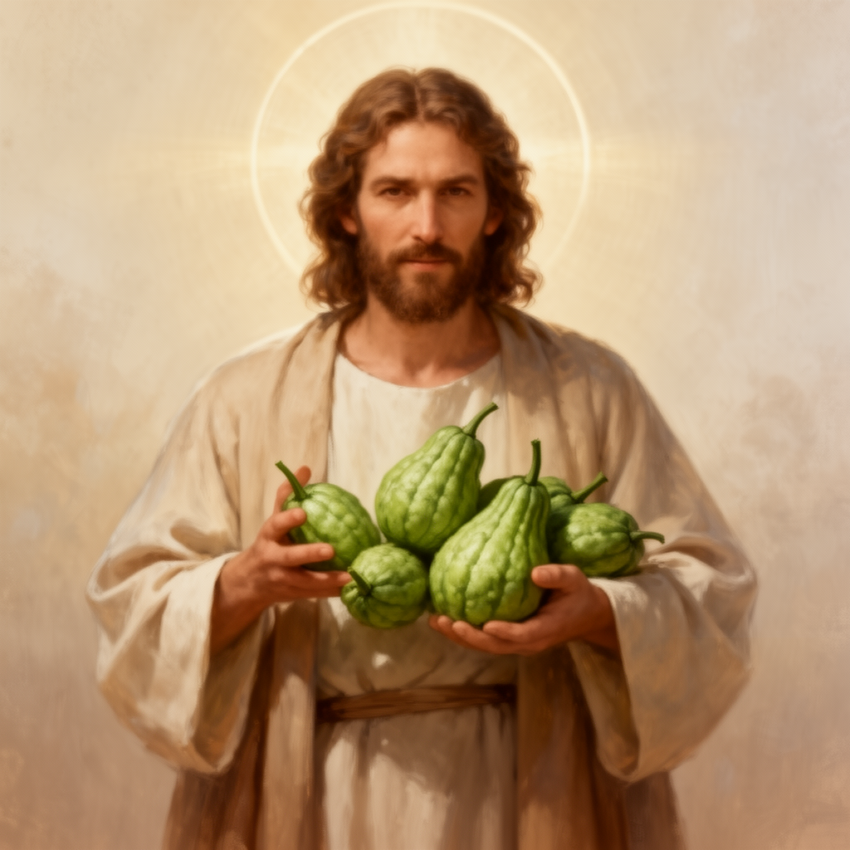
Wild gourds are vining, tendril-bearing plants that grow across arid and semi-arid regions. They typically feature rough, lobed leaves with a sprawling or climbing habit. The fruits vary in shape from round to elongated, often with a thick, ridged or warty skin. Flowers are yellow or greenish, fragrant at times. The fruits mature into hollow or fleshy structures, often containing seeds. Adapted to dry soils, they thrive in hot climates and are resilient, often growing in wild or disturbed habitats, including rocky or sandy soils.
Scientific Name
Debated (Cucurbitaceae family, possible candidates include Citrullus colocynthis or Lagenaria siceraria)
Native to regions of the Middle East, North Africa, and South Asia, these gourds flourish in arid to semi-arid environments with well-drained soils. They are common in Israel, Jordan, and surrounding areas, adapting to hot, dry climates with seasonal rainfall.
First Biblical Mention
2 Kings 4:38
📖 Biblical References
Reference
Context
Significance
2 Kings 4:38-41
Elisha’s miracle involving a pot of stew and the wild gourds causing bitterness, which he neutralizes.
Highlights divine provision and the power to transform what is bitter or harmful into nourishing, emphasizing God’s care and the importance of faith.
The wild gourds symbolize both divine provision and the potential to transform bitterness into blessing. In biblical theology, they can represent the human condition—marked by hardship, bitterness, or trial—that can be alleviated through faith and divine intervention. Their bitter taste symbolizes suffering or adversity; yet, when God's power is invoked, these bitter aspects become sources of nourishment or healing. The plant's role in the miracle underscores themes of divine sovereignty, mercy, and the capacity for renewal, resonating with spiritual truths about life’s trials leading to growth and blessing amid hardship.
🏺 Cultural Uses in the Ancient World
Ancient Near Eastern peoples utilized gourds for multiple purposes. The hollow fruits served as natural containers, vessels, and utensils. Some varieties were used medicinally for their purported healing properties, especially in treating inflammation and digestive issues. Dried gourds were also crafted into tools, ornaments, or musical instruments. Their hardy nature made them essential for trade and daily life, reflecting the resourcefulness of early cultures in utilizing readily available plants for practical and ceremonial purposes.
✡️ In Jewish Tradition
In Jewish rabbinic literature, gourds are sometimes associated with ritual purity and symbolism of blessing. They appear in laws concerning ritual objects or as part of agricultural festivals. The biblical mention of gourds in 2 Kings 4 has been interpreted as emphasizing divine intervention, with some traditions viewing the bitter gourd as a symbol of suffering that can be transformed into goodness through faith and divine mercy.
✝️ In Christian Tradition
Christian interpretations often view the wild gourd as symbolic of spiritual bitterness or sin that Christ can transform into blessing. The miracle signifies trust in divine power over adversity, reflecting themes of redemption. The bitter gourd's role as a life-sustaining gift despite its bitterness aligns with the Christian understanding of suffering as a pathway to spiritual growth and renewal.
Scholars debate the exact species; candidates include Citrullus colocynthis (bitter cucumber) and Lagenaria siceraria (bottle gourd). The presence of bitter varieties like Citrullus colocynthis aligns with biblical descriptions of bitterness, though conclusive identification remains tentative. No consensus exists, and some suggest the biblical 'gourd' may refer to a generic term for various cucurbit species used in antiquity.
🗺️ Where Is It Found Today?
Wild gourds resembling Citrullus colocynthis and Lagenaria siceraria are still found in Israel, Jordan, and Middle Eastern regions, growing wild or cultivated in rural areas, rocky slopes, and dry fields. They thrive where the climate remains hot and arid.
❓ Frequently Asked Questions
Are wild gourds edible?
Many wild gourds, especially bitter varieties like Citrullus colocynthis, are toxic if consumed raw and require preparation or cooking. Some cultivated gourds, like Lagenaria siceraria, are edible and used in traditional cuisines after processing.
What is the significance of the bitter taste in biblical gourds?
The bitterness often symbolizes suffering, hardship, or sin, but also the potential for transformation and divine healing. It underscores themes of faith and divine power to turn adversity into blessing.
Can wild gourds be cultivated today?
Yes, some varieties like bottle gourds are cultivated for food and utility in the Middle East and Asia. However, bitter species like Citrullus colocynthis grow wild and are primarily appreciated for their medicinal qualities rather than culinary use.
✨ Did You Know?
The bitter gourd species Citrullus colocynthis has been used since ancient times for medicinal purposes, often for digestive health and as a natural purgative. Archaeological findings suggest gourds were among the earliest domesticated crops used for both food and utilitarian purposes over 8,000 years ago in the Near East.