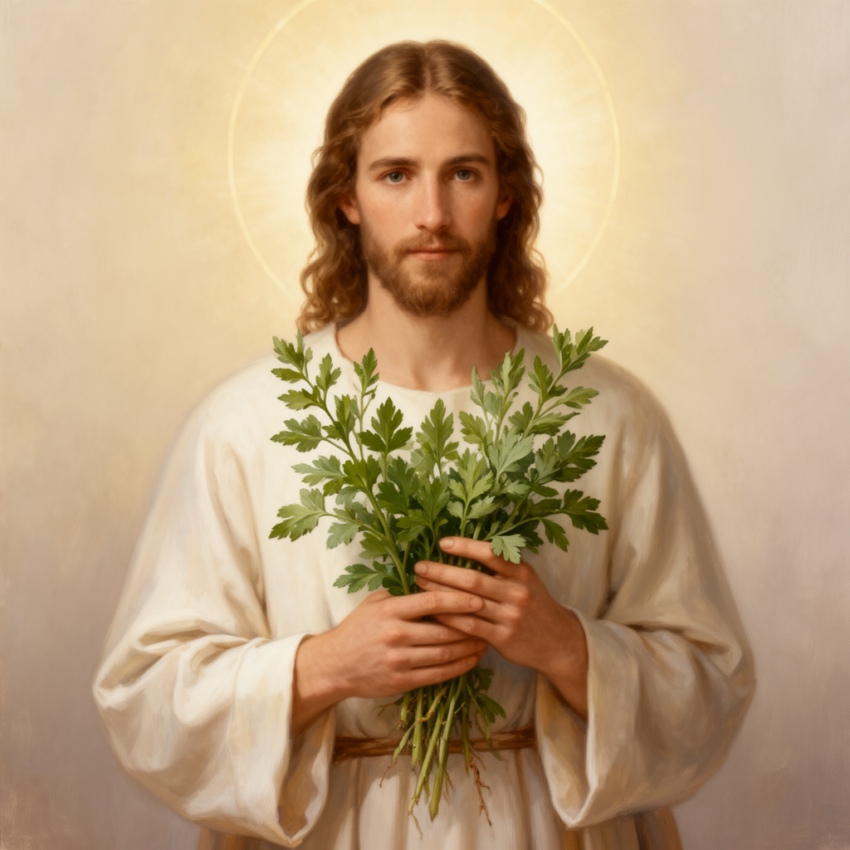
Bitter Herbs likely refer to hardy plants with pungent, bitter-tasting leaves. They are low-growing, approximately 20–50 cm tall, with elongated, deeply lobed or serrated leaves. Their small flowers are typically pale or bluish, forming in clusters. The plants thrive in well-drained, rocky soils in arid and semi-arid regions. They tend to have taproots and are adapted to drought conditions, often found in wild terrains across the Middle East. Their bitterness results from secondary metabolites like lactucopicrin or acyclic acids. They grow best in full sun with minimal water, making them drought-resistant weeds or hardy herbs throughout the Mediterranean basin.
Native to the Levant, Mediterranean region, and surrounding arid zones, these plants flourish in rocky, well-drained soils. They are adapted to semi-arid climates with hot, dry summers and mild winters, common across Israel, Jordan, Palestine, and surrounding areas. Their hardy nature allows them to grow wild in hillsides, rocky wastelands, and desert margins.
First Biblical Mention
Exodus 12:8, during the instructions for Passover meal.
📖 Biblical References
Reference
Context
Significance
Exodus 12:8
The Israelites are instructed to eat the roasted lamb with unleavened bread and bitter herbs during the first Passover.
The bitter herbs symbolize the harshness of slavery and the suffering endured in Egypt, while also serving as a reminder of liberation.
Numbers 9:11
The Passover observance again mentions bitter herbs as part of the ritual.
Reinforces the symbolic link between suffering, remembrance, and God’s deliverance.
Lamentations 3:19
The poet laments suffering, comparing bitter herbs to the pain experienced.
Uses the plant as a metaphor for deep sorrow and hidden affliction.
Throughout Scripture, bitter herbs symbolize suffering, hardship, and the pain of captivity, especially reflecting Israel’s slavery in Egypt. They serve as a reminder of human misery and the need for divine deliverance. Conversely, in Christian theology, they also symbolize purification and the bitterness of sacrifice, echoing Christ's suffering. The bitter flavor epitomizes the trials believers endure and the importance of remembrance of past suffering as a foundation for hope and gratitude. As a symbol, they challenge followers to reflect on the bitter moments of life that lead to growth, liberation, and spiritual maturity. The herbs evoke a dual message: hardship is part of faith's journey, but ultimately, it precedes renewal and salvation.
🏺 Cultural Uses in the Ancient World
In ancient Israel and neighboring cultures, bitter herbs were used both as food and medicine. They added flavor to simple meals, especially during Passover, played roles in medicinal remedies for digestive issues, and potentially as symbolic offerings in rituals. The toughness of these herbs made them accessible wild edibles and medicinal plants, valuable in times of scarcity. Their bitter taste was also associated with detoxifying properties and purgative effects, making them integral to holistic practices. Traders of medicinal herbs probably exported or shared dried versions, illustrating their enduring cultural relevance. Their role extended from culinary use to symbolic and ritual contexts, emphasizing endurance and spiritual reflection.
✡️ In Jewish Tradition
Bitter herbs like horseradish and romaine lettuce are central to the Passover Seder, symbolizing the bitterness of bondage. Rabbinic literature discusses the significance of maror as a reminder of slavery and the importance of remembrance. During Passover, eating bitter herbs fosters a connection to ancestors’ suffering and the hope of redemption. Some traditions incorporate specific herbs for their theological symbolism, and the maror is often prepared with bitter herbs that are easy to recognize and understand in the cultural context of Jewish history.
Christian symbolism often interprets bitter herbs as representing the suffering and sacrifice of Christ, aligning with the Passion narrative. The bitterness reflects the pain endured for salvation and serves as a metaphor for spiritual purification. Holy Communion includes elements that symbolize Christ’s suffering, and the bitter herbs evoke reflection on the cost of redemption. Their presence in Christian liturgy underscores themes of sacrifice, humility, and the bittersweet nature of spiritual growth through hardship.
🔬 Modern Botanical Identification
Scholars debate the exact botanical identity of biblical bitter herbs. Candidates include wild lettuce (*Lactuca spp.*), bitter endive or escarole (*Cichorium spp.*), and plantains (*Plantago spp.*). No single species has universal consensus; however, wild lettuce is often preferred due to its bitter taste and historical presence in the region. Alternative possibilities include various bitter greens common in Mediterranean cuisine. Ongoing archaeological and botanical research continues to refine identification, but consensus remains elusive due to the generic biblical term 'maror.'
🗺️ Where Is It Found Today?
Today, wild lettuces and bitter greens like endive or escarole are still found growing wild and cultivated in Israel, the Levant, and Mediterranean gardens. They thrive in rocky terrains, waste places, and cultivated patches throughout the region, especially during spring and early summer.
❓ Frequently Asked Questions
Are the biblical bitter herbs the same as modern horseradish?
While horseradish is a common bitter herb today used in Passover rituals, biblical herbs may have included a variety of greens like wild lettuce or endive. The exact species remains uncertain, but horseradish is a traditional modern substitute.
Why were bitter herbs eaten during Passover?
Bitter herbs serve as a reminder of the suffering and oppression endured during slavery in Egypt. They also symbolize the bitterness of life in bondage, inspiring gratitude for liberation.
Can bitter herbs be used medicinally today?
Yes, certain bitter greens like wild lettuce and plantains are used in herbal medicine for digestive or anti-inflammatory purposes. However, proper identification is essential before use.
✨ Did You Know?
Ancient texts suggest that some bitter herbs used in biblical times were also valued for their medicinal properties, including digestive aid and detoxification. Archaeological findings indicate that cultivated bitter greens have been part of Mediterranean agriculture for millennia, showcasing a deep historical connection to biblical practices.