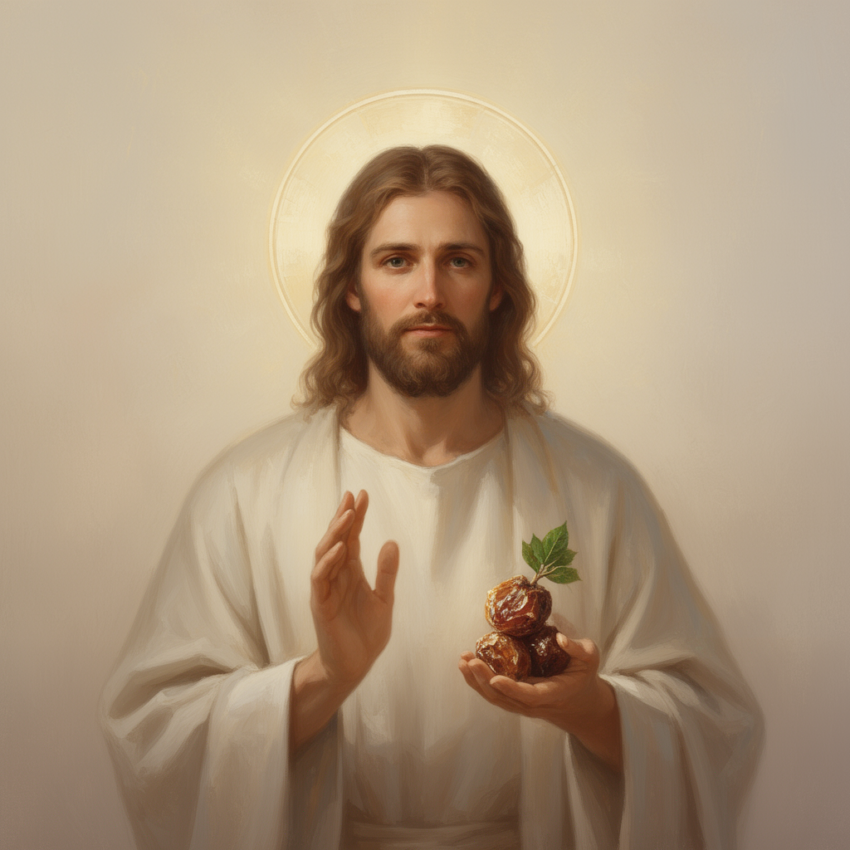
Myrrh is a small to medium-sized resiny tree or shrub, reaching 3-4 meters in height. It has rugged, thorny branches with small, leathery, aromatic leaves that are ovate to elliptical. The tree produces tiny, pale yellow or white flowers. Its signature feature is the reddish-brown resin exuded from bark wounds upon incision. This resin hardens upon exposure, forming fragrant, brittle gum-resin tear-shaped drips. Myrrh prefers dry, rocky soils and is well adapted to arid climates, commonly found in the Middle East and northeastern Africa. It thrives in regions with well-drained, alkaline soils and typically flowers year-round in warm, semi-arid environments.
Scientific Name
Commiphora myrrha
Hebrew/Greek Name
Hebrew: מָרָרָה (marorā), Greek: μύρρα (múrra)
Common Names
Myrrh, Commiphora, Mirra
Native Habitat
Native to northeastern Africa, the Arabian Peninsula, and parts of eastern Africa. It grows in arid and semi-arid regions with rocky, well-drained soils, thriving particularly in Israel, Yemen, Ethiopia, and Somalia.
First Biblical Mention
Genesis 37:25 – traders find Myrrh among the merchandise in the caravan heading to Egypt.
📖 Biblical References
Reference
Context
Significance
Genesis 37:25
The traders find Myrrh among the caravan’s goods as they sell Joseph in Egypt.
Represents valuable trade goods and signifies wealth and precious offerings.
Exodus 30:23
God commands Moses to use Myrrh in the holy anointing oil.
Symbolizes sanctity, divine blessing, and consecration.
Song of Solomon 3:6
Describes the aroma of Myrrh as part of the bridal imagery.
Represents beauty, spiritual fragrance, and the divine presence.
Matthew 2:11
Wise men present Myrrh to the infant Jesus.
Foreshadows Christ’s suffering and death, also signifying royal homage.
Throughout Scripture, Myrrh signifies both suffering and divine blessing. Its bitter aroma and role in anointing highlight themes of sacrifice, purification, and spiritual healing. Myrrh is a symbol of mortality—used in embalming and funeral rites—pointing to the anticipation of redemption through sacrifice. Simultaneously, it represents the fragrance of holiness and divine presence, as in the anointing oil and offerings in the Temple. Its use in worship, reconciliation, and royal gifts underscores its deep spiritual symbolism—embodying both the pain of sacrifice and the hope of salvation, making it a powerful emblem in biblical theology of redemption and divine grace.
🏺 Cultural Uses in the Ancient World
Ancient Near Eastern peoples used Myrrh extensively: as an ingredient in embalming practices, it helped preserve bodies and conceal odors of decay. It was also valued as a perfume, incense, and medicine—used to treat digestive ailments, infections, and skin conditions. Myrrh’s aromatic resin played a key role in religious rituals and offerings, symbolizing purity and divine favor. It was traded along extensive routes, emphasizing its economic importance. The resin’s medicinal properties were appreciated in ancient Egypt, Assyria, and Palestine, making it a luxury item that contributed to trade wealth and religious practices across cultures.
✡️ In Jewish Tradition
Myrrh features prominently in Jewish customs, especially during Passover, where its aromatic essence is symbolically linked to purification and sanctification. Rabbinic literature mentions Myrrh in the context of anointing oil and temple rituals. Its bitter aroma signifies penitence and spiritual cleansing, and it is associated with the anointing of kings and priests, emphasizing authority and divine appointment. Additionally, in traditional Jewish weddings, Myrrh’s fragrance symbolizes the sanctity and spiritual blessing of the union.
Christianity interprets Myrrh as a symbol of suffering and redemption, reflecting Christ's death and embalming. The gift of Myrrh from the wise men foreshadows His sacrificial death, emphasizing His role as the Savior. It is also seen as representing the divine blessing and the aromatic nature of Christ’s life and sacrifice. In biblical art and hymns, Myrrh symbolizes humility and the costly love of Christ, reinforcing themes of sacrifice, mortality, and divine grace central to Christian theology.
🔬 Modern Botanical Identification
Today, Commiphora myrrha is widely accepted as the botanical source of biblical Myrrh. While there is general scholarly consensus, some debate exists regarding the specific species used historically, with candidates like Commiphora occulta and related species. Variations in resin quality and regional differences may influence identification, but C. myrrha remains the primary candidate due to its historical use and aromatic characteristics.
🗺️ Where Is It Found Today?
Myrrh trees still grow in the Middle East, particularly in Israel, Yemen, and Somalia. Cultivation occurs in arid and semi-arid regions where their hardy, drought-resistant nature thrives. In Israel, wild and cultivated Myrrh trees can be seen in the Negev Desert and Judean Hills, ongoing testament to its biblical significance.
❓ Frequently Asked Questions
Is Myrrh the same as Musk or Frankincense?
No, Myrrh is a distinct resin derived from the Commiphora tree. Musk is a different aromatic substance mostly obtained from deer, and Frankincense comes from Boswellia trees. All three were highly valued biblical commodities.
What role did Myrrh play in biblical sacrifices?
Myrrh was used in anointing oils and offerings, symbolizing sanctity and the divine. Its bitter aroma and resin signified purification and foreshadowed sacrifice, especially in the context of Jesus’ death.
Can I see Myrrh plant today?
Yes, Myrrh trees grow in parts of Israel, Yemen, and Somalia. They are sometimes cultivated for their resin, and wild specimens can be observed in arid regions of the Middle East.
✨ Did You Know?
Ancient Egyptian mummies were often buried with Myrrh resin, not only for preservation but also to symbolize eternity and divine favor. Archaeological discoveries of resin-filled vessels confirm its vital religious and funerary use in biblical times and earlier civilizations.