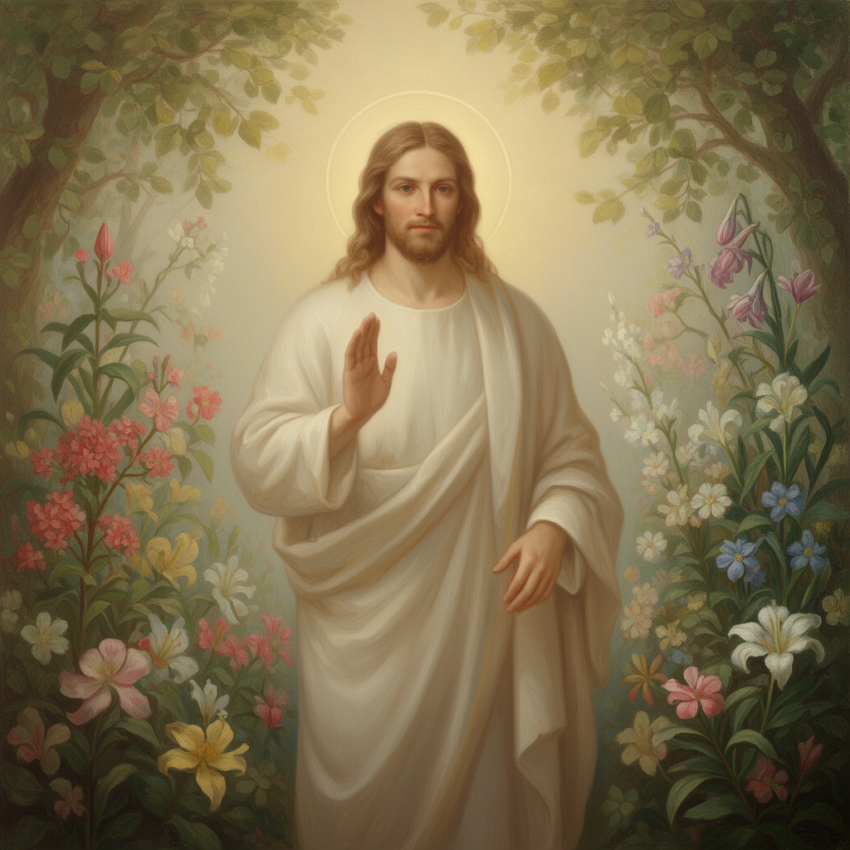
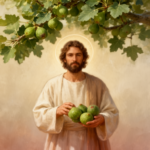
The flora of Eden likely included a variety of trees and flowering plants characterized by lush foliage, vibrant blossoms, and edible or aromatic fruits. For instance, the fig tree (*Ficus carica*) bears large, lobed leaves and sweet, edible figs, thriving in warm, well-drained soils. Water lilies or lotus (*Nymphaea* spp.) with large floating leaves and striking flowers may also be symbolic of purity and divine beauty. Aromatic herbs and spice plants, possibly like cinnamon or myrrh, contributed to the fragrance and sacred offerings in the region. These plants would have thrived in the subtropical climate of the Near East, with abundant water sources supporting lush growth.
תְּאֵנה (Te'enah, fig), זַעְפָּה (Zapha, spice plant), ὄαση (Oasis, possibly lotus or a water lily)
Common Names
Fig Tree, Lotus, Spice Plant
Native Habitat
The region encompassing modern-day Israel, Lebanon, and surrounding Middle Eastern areas, characterized by Mediterranean and subtropical climates with access to rivers, fertile soil, and seasonal rains, was ideal for Eden’s flora.
First Biblical Mention
Genesis 2:8 – In the account of Eden’s creation, the plants and trees are the initial natural habitation.
Describes the placement of the garden with trees including the tree of life and the tree of the knowledge of good and evil.
Sets the scene for divine blessing and the sacredness of the natural environment; the flora symbolizes life, knowledge, and divine provision.
Genesis 3:7
After the fall, Adam and Eve notice their nakedness, and the fig tree is often associated with this passage.
The fig tree symbolizes human awareness, shame, and the consequences of disobedience.
✨ Symbolic Meaning in Scripture
In biblical symbolism, Eden's flora embodies divine blessing, purity, and the original harmony between God and creation. Trees like the fig represent knowledge and human maturity, while the garden’s lush plants symbolize abundance and divine provision. The lotus and water lilies may signify divine beauty and renewal, often associated with spiritual awakening and purity. The fragrant herbs reflect the sacred, aromatic offerings of worship. Together, these plants illustrate the ideal harmony in God's creation and serve as symbols of spiritual nourishment, eternal life, and the divine presence that sustains and nurtures humanity in its original state.
🏺 Cultural Uses in the Ancient World
Ancient Israelites valued plants like figs both as food and for their medicinal properties, considering them symbols of prosperity. Aromatic spices such as cinnamon and myrrh were highly prized for rituals, embalming, and trade, emphasizing their sacred significance. Water plants like lotuses might have been admired for their beauty and used in rituals or decoration, symbolizing purity and divine beauty. Trees and plants also served as sources of medicinal remedies, while wood and fibers contributed to construction and craftwork. The lush vegetation of Eden reflects the region's importance as a cultural and spiritual center, with plants playing integral roles in daily life, commerce, and worship.
✡️ In Jewish Tradition
Jewish tradition regards fig trees as symbols of peace and prosperity, often associated with vines and orchards during festivals like Sukkot. The biblical fig's significance in rabbinic literature underscores themes of knowledge and divine providence. The lush flora of Eden also influences symbolism in Jewish mysticism, representing spiritual growth and divine secrets concealed within nature.
Christianity often interprets Eden's flora as emblematic of divine purity and communion with God. The fig tree, in particular, is seen as a symbol of both the temptation and the hope of redemption—its leaves representing shame and concealment, yet also the promise of restoration. The water lilies and lush plants are associated with spiritual revival, purity, and eternal life, echoing themes of new creation and divine grace present in Eden at the beginning of humanity.
🔬 Modern Botanical Identification
Scholars debate the precise botanical identity of Eden's flora. While fig trees (*Ficus carica*) are widely accepted candidates for the trees of the garden, the identification of water lilies or lotus remains speculative, with *Nymphaea* spp. being a common guess. Aromatic spices like cinnamon (*Cinnamomum verum*) and myrrh (*Commiphora myrrha*) are plausible candidates for sacred plants mentioned in the region's trade and ritual use. There is no definitive consensus, but the symbolic functions are universally acknowledged.
🗺️ Where Is It Found Today?
Plants like the common fig (*Ficus carica*) grow abundantly in Israel and the Middle East. Water lilies (*Nymphaea* spp.) are cultivated in artificial ponds and botanical gardens across the region. Aromatic spices such as cinnamon and myrrh are still traded and cultivated in their native regions today, maintaining their ancient significance.
❓ Frequently Asked Questions
Are all plants in Eden identifiable today?
No, while some like the fig are identifiable, many Eden plants are debated or lost to history. The biblical text provides symbolic descriptions rather than specific botanical classifications.
What does the Bible say about the plant of the tree of life?
Genesis mentions the tree of life as a symbol of eternal life and divine blessing, but its precise botanical identity remains uncertain and symbolic within Scripture.
Why is the fig tree significant biblically?
The fig tree represents knowledge, human awareness, and prosperity; it also features in stories about shame and divine providence, making it a powerful biblical symbol.
✨ Did You Know?
The fig tree’s deep root systems are known to survive extreme droughts, symbolizing resilience. Archaeological findings of ancient fig pits showcase that fig cultivation dates back thousands of years, highlighting its long-standing importance in Near Eastern cultures.