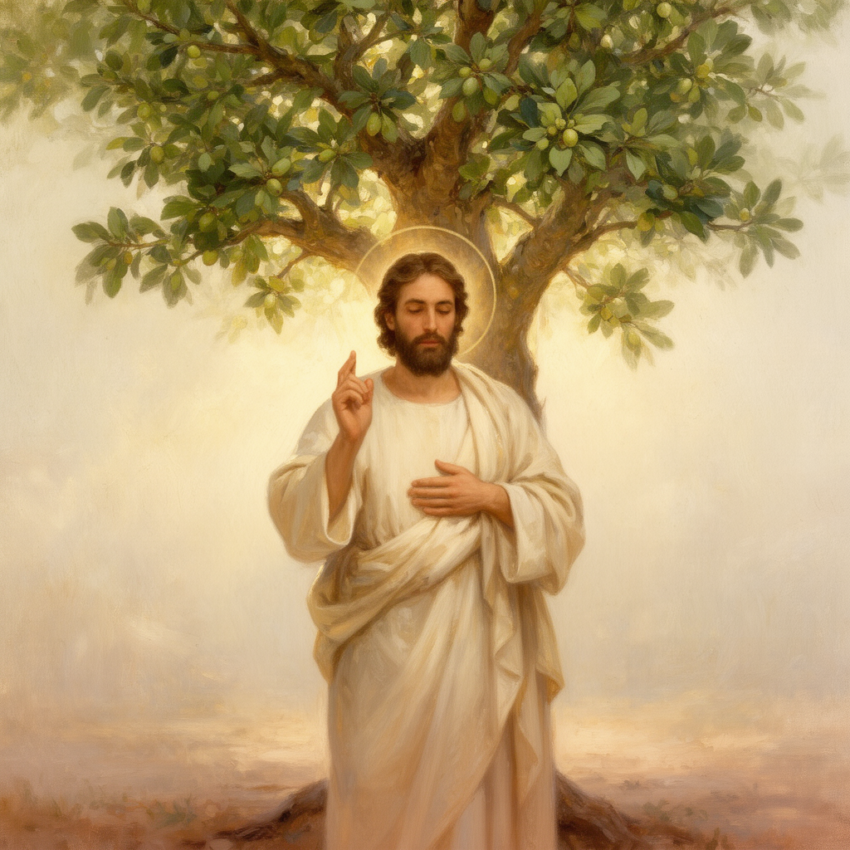
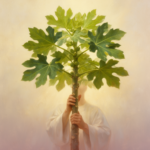
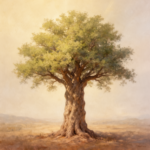
Ficus carica is a deciduous, perennial shrub or small tree reaching 3-10 meters in height. It features broad, lobed, palmate leaves and produces multiple crops annually. Its fruits are pear-shaped, with a variable skin color ranging from green to purple or black when ripe, and contain a sweet, edible flesh. The tree favors warm, subtropical to Mediterranean climates with well-drained soil. Its roots are extensive and can tolerate droughts. Flowers are hidden within the fig's hollow receptacle, requiring a symbiotic wasp for pollination in some varieties, though many cultivated figs are parthenocarpic (seedless). The tree thrives in full sun and is highly adaptable to a range of soil conditions, making it a prominent ancient crop.
Native to the Mediterranean basin, Middle East, and Western Asia, the fig tree grows naturally in arid to semi-arid regions. It prefers warm temperatures, dry summers, and calcareous, well-drained soils. Today, it is cultivated extensively throughout the Levant, South Asia, and parts of North Africa, thriving in regions with a Mediterranean climate.
First Biblical Mention
Genesis 3:7 (early mention of fig leaves as clothing)
📖 Biblical References
Reference
Context
Significance
Mark 11:12-14
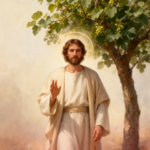
Jesus curses the fig tree after finding it barren, symbolizing judgment and spiritual fruitlessness.
This event signifies the importance of spiritual readiness and the consequences of outward religiosity without true faith.
Matthew 21:18-22
The fig tree’s curse foreshadows the rejection of Israel and the judgment upon unfruitful faith.
It highlights the biblical theme of bearing spiritual fruit as evidence of genuine faith.
Luke 13:6-9
Parable of the barren fig tree awaiting judgment or redemption.
Emphasizes God’s patience and the call for repentance and spiritual fruitfulness.
The fig tree in Scripture symbolizes both abundance and judgment. Its lush foliage often represents prosperity, peace, and divine blessing, especially in the land of Israel. When Jesus curses the barren fig tree, it also embodying judgment against spiritual unfruitfulness or hypocrisy. The tree's concealed fruit reflects the importance of authentic faith, not merely outward appearance. The fig tree's dual symbolism underscores themes of divine provision and accountability, signifying that true spiritual life must manifest in tangible outcomes. Its presence throughout biblical narratives encourages reflection on fruitfulness, repentance, and divine judgment, emphasizing that faith must be active, not superficial.
🏺 Cultural Uses in the Ancient World
Ancient Israelites valued the fig tree for its multiple uses. The fruit provided a nutritious staple, often dried or pressed into pastes. Figs were also used medicinally to treat various ailments like coughs and digestive issues. The leaves and bark served in craftwork or as natural remedies. The tree's wood was useful in construction, while fig leaves functioned symbolically in clothing and coverings, notably in the biblical story of Adam and Eve. Trade of dried figs and fig products helped support local economies. The tree's significance extended to ritual uses, with fig branches sometimes employed during festivals and offerings in worship contexts, reflecting its importance in daily life and spiritual practice.
✡️ In Jewish Tradition
In Jewish tradition, the fig tree is a symbol of prosperity and divine blessing. It is referenced during the Passover Seder as a reminder of fruitfulness and to invoke God's blessings. Rabbinic literature often discusses the fig tree as a symbol of Israel's prosperity and spiritual health. The tree is also associated with seasonal customs, like the 'Fig Tree Festival,' celebrating renewal and hope. Talmudic texts highlight the fig tree's importance as a staple crop, and its imagery is used to symbolize righteousness and the pursuit of Torah, emphasizing that spiritual growth parallels the fruitfulness of the fig tree.
Christian interpretation emphasizes the fig tree as a symbol of spiritual authenticity and judgment. The cursing of the barren fig tree in the Gospels illustrates the importance of genuine faith and fruitfulness in Christian life. It serves as a warning against hypocrisy and superficial religiosity. The fig tree's imagery appears in teachings about bearing good fruit and living lives aligned with God’s will. Over centuries, it has become emblematic of spiritual discernment and the necessity of outward evidence of inward faith, inspiring sermons, art, and liturgy that stress authentic Christian witness.
🔬 Modern Botanical Identification
Scholars universally identify the biblical fig tree with Ficus carica, a well-known Mediterranean species. While some debate exists about the exact varieties or the specific historical cultivars referenced, there is broad consensus that the biblical fig tree is Ficus carica. Alternative candidates are virtually nonexistent, but some propose wild or ancestral species closely related to Ficus sycomorus, which was also cultivated in Egypt and neighboring regions. Today, Ficus carica is extensively cultivated worldwide, especially in Israel, the Mediterranean, and parts of the Middle East.
🗺️ Where Is It Found Today?
The fig tree thrives extensively across Israel, particularly in regions like the Galilee, Judean Hills, and Negev Desert’s edges. It is cultivated in small orchards, community gardens, and backyards, often reaching maturity within 4-6 years. Wild fig trees are also common along hillsides and in forested areas, easily identified by their broad leaves. They are a common sight in Mediterranean climates, and recent revivals of traditional agriculture have helped preserve these iconic trees as both cultural symbols and sources of fruit.
Jesus cursed the fig tree to symbolize the judgment of spiritual unfruitfulness, warning against superficial faith and emphasizing the importance of genuine righteousness.
Is the biblical fig tree the same as the common fig today?
Yes, the biblical fig tree is generally identified as Ficus carica, the common Mediterranean fig, cultivated for thousands of years and still widely grown today.
What is the spiritual lesson from the story of the fig tree?
The story teaches that outward appearances of religiosity are insufficient; true faith must produce tangible spiritual fruit, and unfruitfulness invites divine judgment.
✨ Did You Know?
The oldest cultivated fig trees in archaeological findings date back over 4,000 years in ancient Near Eastern sites. Additionally, the fig fruit is one of the first cultivated plants known to humanity, with evidence of its domestication found in ancient artifacts from the Levant and Egypt.