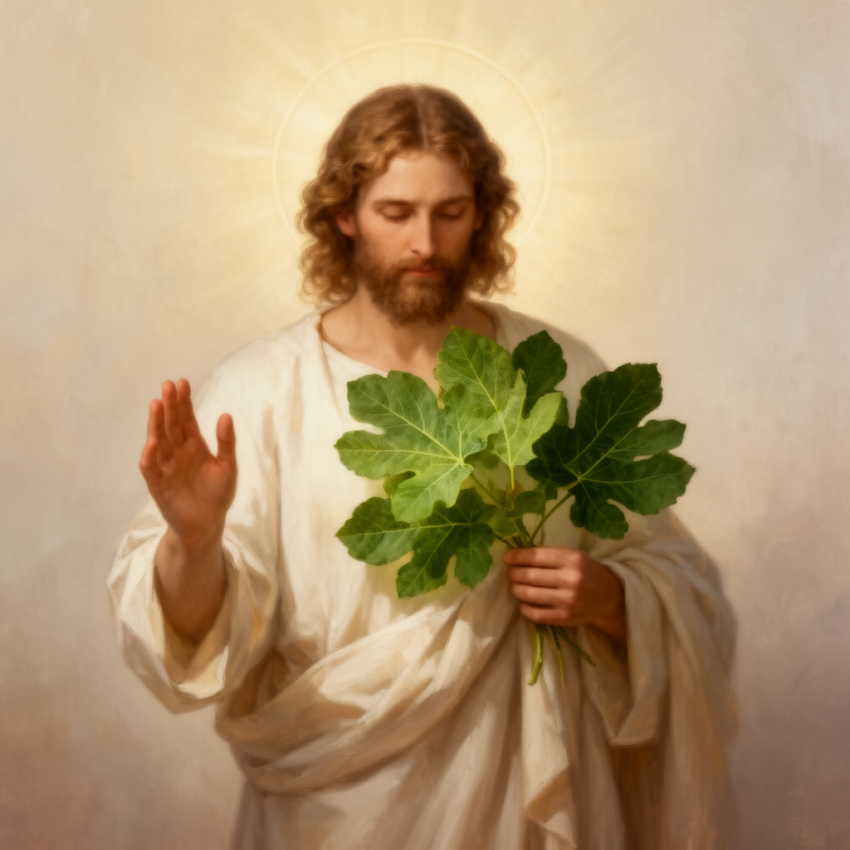
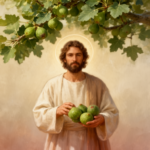
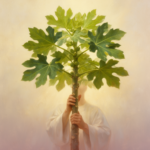
The fig tree (Ficus carica) is a deciduous tree reaching 3–10 meters tall, characterized by broad, lobed leaves with a rough texture. It produces a small, inconspicuous flower that develops into a succulent, pear-shaped edible fruit, known as the fig. The tree has a smooth gray to brown bark and prefers warm, dry climates with well-drained soil. Its leaves are large, deeply lobed, and provide ample shade. The fig tree is hardy, drought-tolerant, and thrives in Mediterranean-type environments. It flowers with syconia (the fig fruit) that contain multiple tiny flowers, pollinated internally by specific wasp species in some varieties.
Scientific Name
Ficus carica
Hebrew/Greek Name
Hebrew: תְּאֵנָה (te'enah); Greek: συκιά (sukia)
Common Names
Fig Tree, Fig
Native Habitat
Native to the Mediterranean basin, the Middle East, and parts of Western Asia, the fig thrives in regions with hot, dry summers and mild winters. It naturally grows on rocky slopes and riverbanks, favoring well-drained, calcareous soils.
First Biblical Mention
Genesis 3:7, when Adam and Eve use fig leaves to cover themselves after realizing their nakedness.
📖 Biblical References
Reference
Context
Significance
Genesis 3:7
After Adam and Eve ate the forbidden fruit, they sewed fig leaves together to cover their nudity.
Represents awareness of shame and attempts at self-covering, symbolizing human guilt and the need for concealment.
Mark 11:12-14, 20-21
Jesus cursed the barren fig tree for failing to produce fruit as a symbol of judgment.
The fig tree signifies judgment and the importance of authentic spiritual fruitfulness.
Fig leaves in the Bible symbolize human attempts at self-justification and concealment following sin. They reflect the transient nature of human efforts to hide guilt and seek forgiveness. The fig is also a symbol of abundance and prosperity, representing God's provision. In biblical theology, the fig tree often signifies spiritual fruitfulness or judgment, depending on its context. Its dual symbolism underscores themes of human vulnerability, divine judgment, and the hope for redemption. The act of sewing fig leaves highlights human vulnerability and the need for divine grace, as they attempt to hide from God's omniscient presence.
🏺 Cultural Uses in the Ancient World
Ancient Israelites valued the fig not only as a food source—consumed fresh or dried—but also used fig leaves and bark in construction and medicinal remedies. The fruit was a staple in their diet, often traded across the Near East. Figs and their leaves appeared in religious rituals and offerings, symbolizing fertility and abundance. The leaves provided natural coverings, while the sap and bark held medicinal properties for treating wounds and digestive issues. Trade routes facilitated the spread of dried figs and fig-based products throughout the Mediterranean region, enhancing their economic importance.
✡️ In Jewish Tradition
In Jewish tradition, the fig tree is a symbol of blessing and divine favor, often linked to righteousness and prosperity. The Talmud discusses fig trees as representing spiritual growth and the importance of delayed gratification—they ripen in late summer, reminding scholars of patience. The fig also features in festivals and is referenced in rabbinic literature as a sign of peace and a blessing for a fruitful year, especially during Sukkot when the harvest is celebrated.
Christian interpretation sees the fig tree as embodying themes of judgment and the importance of faithfulness—most notably in the story of the cursed fig tree, which warns against superficial religiosity. The fig leaves symbolize human attempts to hide sin, pointing to Christ's role in providing true spiritual covering through grace. The fig serves as a reminder of spiritual fruitfulness, righteousness, and the need for genuine faith to bear righteous fruit.
🔬 Modern Botanical Identification
Botanically, the Biblical fig is identified as Ficus carica, widely accepted by scholars. However, some debate exists regarding whether different varieties or wild species were originally referenced, or if the 'fig' of the Bible could have been a different Ficus species. Overall, Ficus carica is the most widely supported candidate for the biblical fig, thanks to its widespread historical cultivation and reference in Near Eastern archeological finds.
🗺️ Where Is It Found Today?
Today, Ficus carica grows extensively across Israel, the Levant, Mediterranean regions, and southern California. In Israel, it is cultivated in orchards and homestead gardens, thriving in climate zones with hot summers and mild winters. Wild and cultivated fig trees are common along hillside slopes, especially in biblical landscapes.
❓ Frequently Asked Questions
Why did Adam and Eve sew fig leaves together?
They used fig leaves to cover their nudity after realizing they were naked, symbolizing an attempt to conceal shame and guilt following their disobedience.
Is the biblical fig tree the same as the modern fig tree?
Yes, biblical references are generally identified with Ficus carica, the common fig tree, which remains widely cultivated today in the Middle East and Mediterranean.
What does the fig leaf symbolize spiritually?
The fig leaf symbolizes human efforts at self-justification and concealment of sin, highlighting themes of shame, the need for divine grace, and authentic spiritual fruitfulness.
✨ Did You Know?
Fig trees have been cultivated for over 9,000 years and are some of the oldest domesticated fruit crops known. Archaeological evidence shows preserved fig seeds dating back to ancient civilizations in the Middle East, emphasizing their long-standing significance in human history.