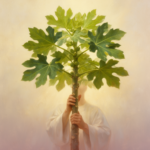
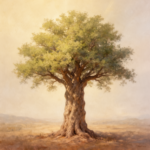
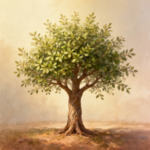
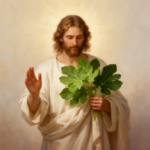
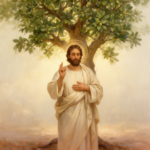
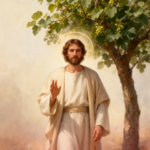
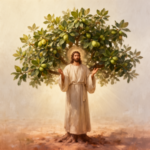
The Sycamore of Zacchaeus is typically identified with Ficus sycomorus, a large evergreen or semi-deciduous fig tree. It can reach heights of 20-30 meters with a broad, spreading canopy. Its leaves are large, lobed, and rough-textured, providing dense shade. The tree produces small, ripening figs that are sweet and edible, historically valued for their nutritional and medicinal qualities. Its bark is thick and fissured, suitable for construction and craft. Thriving in warm, arid climates, it prefers well-drained soils, often found near water sources like rivers and oasis regions, especially in the Middle East. Its longevity exceeds several centuries, making it a prominent feature in ancient landscapes.
Scientific Name
Ficus sycomorus (debated with Ficus palmata or other species)
Hebrew/Greek Name
Hebrew: עוז (oz) / Greek: συκάμινος (sukaminos)
Common Names
Sycamore Fig, Ancient Sycamore
Native Habitat
Native to North Africa and the Middle East, especially Egypt, Israel, Jordan, and surrounding regions, the sycamore thrives in arid to semi-arid climates with annual rainfall of 200-400 mm. It favors well-drained, calcareous soils, often growing along riverbanks, wadis, and cultivated areas, where it provides vital shade and resources.
First Biblical Mention
Jeremiah 24:1, referring to the figs and their trees as symbols of prosperity and judgment.
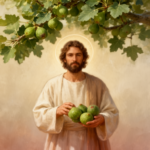
Zacchaeus climbs a sycamore tree to see Jesus as he passes through Jericho.
Symbolizes a turning point in Zacchaeus’ life, and the tree’s role as a meeting place between divine presence and human repentance.
Micah 3:12
The prophet pronounces judgment upon Jerusalem, citing its destruction near the sycamore.
Represents divine judgment and the fragility of human achievement.
✨ Symbolic Meaning in Scripture
In biblical tradition, the sycamore symbolizes restoration, shelter, and divine providence. Its sturdy branches reflect strength and stability, while its fruit signifies blessings and sustenance. The tree's ability to stand resilient through seasons demonstrates faith and endurance, often serving as a metaphor for spiritual refuge. Zacchaeus’ act of climbing it indicates seeking salvation or divine insight. Consequently, the sycamore embodies divine opportunity, redemption, and the potential for renewal amidst adversity, reinforcing themes of hope and divine accessibility throughout Scripture.
🏺 Cultural Uses in the Ancient World
Ancient Near Eastern peoples used the sycamore for multiple purposes: its durable wood for furniture and construction; its figs as food and medicinal remedies; and its foliage for shade and shelter. The tree also held symbolic significance in fertility rituals and was integral in trade, especially its sweet figs. Its bark and sap were used in traditional medicine to treat various ailments such as inflammation and infections. Additionally, the trees served as landmarks, sacred sites, and offerings in religious practices, reflecting their importance in daily life and spiritual culture.
✡️ In Jewish Tradition
In Jewish tradition, the sycamore is often associated with judgment and divine providence. Rabbinic texts sometimes reference sycamore trees as symbols of righteousness and divine testing. During certain festivals, it is also noted for its shade and utility, emphasizing themes of provision. The Tree of Zacchaeus, though not specifically identified, has been embraced in Jewish thought as a symbol of repentance and divine accessibility, echoing the biblical narrative of seeking salvation under its canopy.
Christian theology interprets the sycamore as a symbol of faith, divine care, and spiritual ascent. Zechariah’s mention underscores themes of divine sovereignty rooted in God's judgment and salvation. Zacchaeus’ transformation from greed to generosity, facilitated by his encounter with Jesus under the tree, emphasizes spiritual renewal and repentance associated with the tree's symbolism. The sycamore thus serves as an allegory for the spiritual journey from sin to salvation, echoing themes of hope and divine grace in Christian thought.
🔬 Modern Botanical Identification
Scholars generally identify the biblical sycamore with Ficus sycomorus due to historical and archaeological evidence, though some debate exists regarding other fig species like Ficus palmata. While Ficus sycomorus is widely accepted, alternative candidates are considered based on regional flora and ancient descriptions. There is consensus that the biblical sycamore is a type of fig tree climbing and providing shade, but exact taxonomy remains under discussion due to overlapping characteristics and botanical similarities.
🗺️ Where Is It Found Today?
Today, Ficus sycomorus still grows in Israel, Jordan, Egypt, and parts of North Africa. It is cultivated both for its fruit and ornamental value. The tree persists along riverbanks and cultivated lands, preserving cultural and historical significance in regions that trace biblical geography.
❓ Frequently Asked Questions
Is the biblical sycamore the same as the American sycamore (Platanus occidentalis)?
No, the biblical sycamore is generally identified with the fig tree Ficus sycomorus. The American sycamore is a different genus with distinct botanical features and is not related to the biblical tree.
What spiritual lessons can be drawn from Zacchaeus climbing the sycamore?
Zacchaeus climbing the tree illustrates the importance of seeking divine insight and openness to salvation. It teaches that spiritual breakthrough often requires effort and humility, emphasizing that salvation is accessible to all who seek it.
Are sycamore trees still found in the Holy Land today?
Yes, Ficus sycomorus trees are still present in Israel and surrounding areas, especially along water sources, maintaining their biblical and cultural significance.
✨ Did You Know?
Archaeological excavations in ancient Jericho have revealed remains of large sycamore trees believed to be over a thousand years old, indicating their longstanding presence in biblical landscapes. These trees provided shade, food, and building materials for ancient civilizations, making them vital ecological and cultural resources.