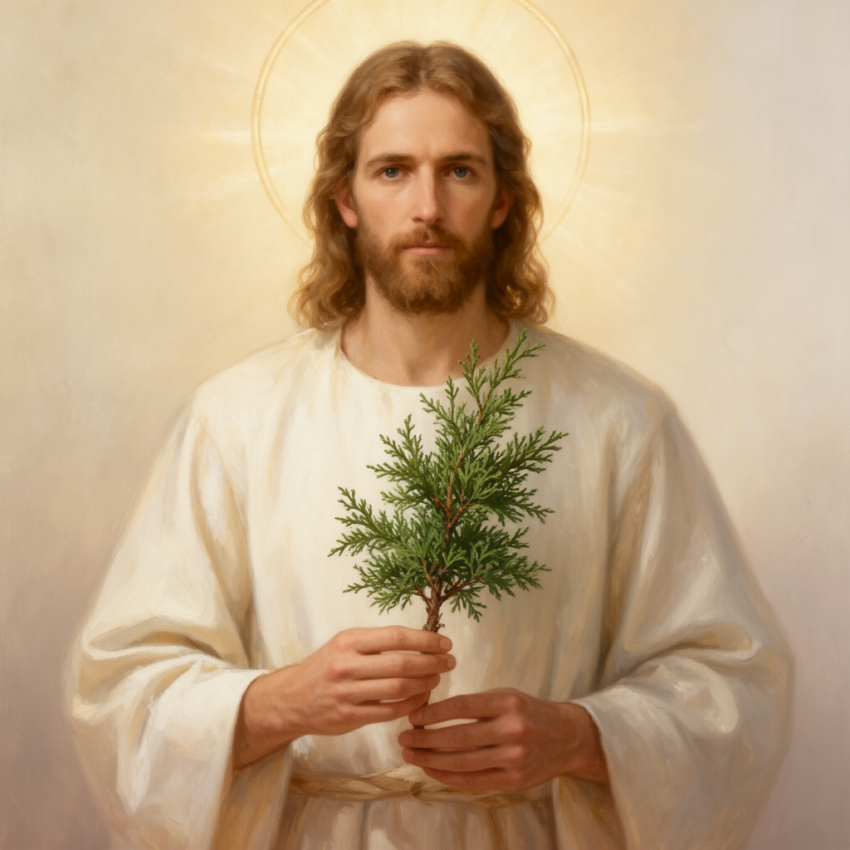
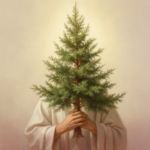
Juniper is an evergreen coniferous shrub or small tree, typically 1 to 3 meters tall. It has fibrous, reddish-brown bark and slender, scale-like leaves forming tight whorls. Its conical clusters produce small, berry-like cones that ripen to bluish-black with a waxy coating, often edible in culinary and medicinal contexts. The plant prefers well-drained soils, rocky slopes, and regions with Mediterranean to cool temperate climates. Its hardy nature allows growth in a variety of settings, and it often forms dense thickets or stands in rugged terrains.
Scientific Name
Juniperus communis (most likely), or Juniperus oxycedrus for regional variants
Native to the Mediterranean region, Eurasia, and North Africa, junipers thrive in mountainous, rocky, and dry habitats. They favor well-drained soils, sunny exposures, and are common in regions with hot, dry summers and cool winters, such as Israel, Lebanon, and Turkey.
First Biblical Mention
Genesis 13:18 — Abraham dwells among the oaks, traditionally associated with juniper or terebinth trees.
📖 Biblical References
Reference
Context
Significance
Genesis 13:18
Abram dwells near the oaks of Mamre and plants a terebinth (traditionally linked with juniper or oak).
Symbolizes stability, divine blessing, and the establishment of covenants.
1 Kings 19:4-5
Elijah rests under a broom tree, often identified as a juniper or similar shrub.
Represents refuge and divine renewal in moments of despair.
Leviticus 19:23-25
Instructions about planting and harvesting fruit from trees, including junipers.
Highlights the plant’s role in sacred landscape and agricultural rituals.
Juniper in Scripture often symbolizes resilience, eternity, and divine protection due to its hardy evergreen nature and widespread presence. Its ever-lush foliage signifies eternal life and renewal, reflecting God's everlasting covenant with His people. The protective qualities attributed to junipers—used for shelter and purification—align with spiritual themes of divine refuge and sanctity. Additionally, its ability to thrive in rugged, arid terrain underscores themes of perseverance amid hardship, embodying faithfulness and spiritual steadfastness throughout biblical narratives. The plant’s durability also alludes to divine strength and the unchanging nature of God's promises.
🏺 Cultural Uses in the Ancient World
Ancient Israelites utilized juniper for medicinal purposes, using its berries and branches in traditional remedies. The wood was valued for building and firewood, especially in dry, rocky landscapes. Juniper also played a role in ritual purification and as incense, symbolizing sanctity. Its berries, aromatic and preservative, were traded within Near Eastern commerce. The plant's durable wood and aromatic qualities made it integral to sacred crafts, and its berries sometimes flavored foods or beverages, indicating its importance in daily life and spiritual customs.
✡️ In Jewish Tradition
Juniper trees are linked to biblical arboriculture and serve as symbols of righteousness and divine shelter in rabbinic literature. Some traditions associate juniper with the Sukkot festival, where its branches are used to decorate booths, emphasizing protection and joy. Its resilience and evergreen nature underscore themes of eternal life, faithfulness, and divine protection in Jewish thought.
✝️ In Christian Tradition
Christian symbolism often interprets juniper as representing eternal life, steadfast faith, and divine protection. Its use in Christian art and hymnody reflects themes of perseverance and divine refuge, paralleling biblical themes of renewal and everlasting covenant. Juniper's hardy nature makes it an emblem of spiritual endurance through trials.
The most widely accepted botanical candidate is Juniperus communis, a common and widespread juniper species with recognizable berry-like cones. However, some scholars suggest regional varieties like Juniperus oxycedrus in the Levant. While there is general consensus, regional morphological differences occasionally lead to debates over precise species identification in biblical contexts.
🗺️ Where Is It Found Today?
Junipers grow abundantly across Israel, the Mediterranean basin, and parts of North Africa and Eurasia. They are often found on rocky hillsides, forest margins, and in dry, well-drained soils, especially in Mediterranean landscapes such as the Golan Heights and Judean hills.
❓ Frequently Asked Questions
Is the biblical juniper the same as the modern juniper?
Likely yes, although regional variations exist. The biblical references probably point to Juniperus communis or related species common to the Mediterranean and Near East.
What does the juniper symbolize in biblical history?
It symbolizes resilience, eternal life, divine protection, and renewal, reflecting God’s everlasting covenant and faithfulness.
Are junipers used in modern religious practices?
Yes, in some Jewish festivals like Sukkot, juniper branches are used, and symbolically in Christian traditions as a sign of everlasting life and spiritual endurance.
✨ Did You Know?
Junipers have been used for centuries to produce juniper berries, an essential ingredient in gin, dating back to ancient Mesopotamian and Egyptian cultures. Archaeological findings suggest juniper wood was used in ceremonial contexts in ancient Israel, emphasizing its spiritual and functional importance.